


Key Takeaways
- The 2026 Great Lakes Championship stands as a landmark sporting event, drawing elite competition and significant regional attention, promising an unforgettable spectacle for participants and spectators across the entire Great Lakes basin.
- Anticipate a massive influx of top-tier athletic teams and their support staff, converging from across the continent to compete, fostering intense rivalries and showcasing exceptional talent throughout the championship duration.
- A substantial positive economic impact is projected, with local economies poised to benefit immensely from increased tourism, hospitality spending, and job creation, injecting millions into the regional financial landscape.
- Organizing this multi-faceted event presents immense logistical challenges, requiring meticulous planning for venue management, transportation, security, and accommodation across several host cities to ensure seamless execution.
- Host communities are actively engaged in comprehensive preparations, upgrading infrastructure, enhancing public services, and mobilizing volunteers to warmly welcome thousands of visitors and ensure a memorable experience for all.
- A strong emphasis on environmental sustainability underpins the championship's planning, incorporating eco-friendly practices in waste management, energy consumption, and transportation to minimize ecological footprint and promote responsible event hosting.
- The championship aims to leave a lasting legacy, inspiring future generations of athletes and fostering a stronger sense of regional identity and pride through shared experiences and collective achievement.
- Security protocols are being rigorously developed and coordinated with multiple agencies to ensure the utmost safety and well-being for all athletes, officials, and attendees throughout the entire duration of the high-profile event.
Background
The Great Lakes Championship boasts a rich and storied history, evolving from humble beginnings into one of the most prestigious multi-sport events in North America. Established decades ago, its consistent growth in popularity and competitive stature has solidified its place in the regional sporting calendar. The 2026 iteration marks a significant milestone, promising to be the largest and most ambitious championship to date. This biennial event strategically rotates its host cities, and for 2026, the spotlight falls squarely on the Great Lakes region, a monumental opportunity that underscores its growing influence and capacity to host world-class competitions.
The legacy of past Great Lakes Championships casts a long shadow, establishing incredibly high benchmarks for operational excellence, athlete experience, and spectator engagement. Meeting, and ideally surpassing, these formidable standards is the paramount objective for the 2026 host committees. For months, dedicated local organizing teams have been engaged in an intensive, intricate planning process, meticulously addressing every facet of the event. This encompasses everything from securing and upgrading state-of-the-art venues to orchestrating complex transportation networks and recruiting a vast army of volunteers. Indeed, this championship represents a truly massive undertaking, demanding substantial financial resources, unprecedented logistical coordination, and seamless collaboration across various governmental bodies and private entities spanning multiple states and Canadian provinces.
The decision to award the 2026 championship to the Great Lakes region was a testament to its robust infrastructure, passionate sports community, and proven track record of successfully hosting large-scale events. This selection process involved rigorous bids and detailed proposals, highlighting the region's commitment to athletic excellence and community engagement. The anticipation surrounding the 2026 games is palpable, not just among athletes and sports fans, but also within the business community, which recognizes the immense potential for economic revitalization and global exposure. This championship is more than just a series of competitions; it's a strategic investment in the region's future, designed to leave a lasting positive imprint for years to come.
Why It Matters
The 2026 Great Lakes Championship holds profound economic significance for the entire region. This premier event acts as a powerful magnet, drawing tens of thousands of tourists, athletes, and support staff, injecting a substantial financial stimulus directly into local economies. Businesses across the hospitality sector—including hotels, restaurants, and retail establishments—are poised to experience a dramatic surge in sales and customer traffic. Beyond immediate revenue, the championship strategically elevates the Great Lakes region's profile as a formidable destination for major sports tourism, laying the groundwork for attracting future high-profile events and significant long-term investments, thereby fostering sustainable economic growth.
Beyond the undeniable economic benefits, the championship serves as a powerful catalyst for fostering an unparalleled sense of community spirit and regional pride. It provides a unique platform for residents from diverse backgrounds to unite, passionately supporting their local teams and collectively celebrating the thrill of elite competition. This global spotlight offers an invaluable opportunity to showcase the distinctive charm, rich culture, and warm hospitality inherent to the Great Lakes communities. Crucially, the enduring legacy of an event of this magnitude extends far beyond the final whistle, inspiring a new generation of aspiring athletes, nurturing local talent, and forging indelible memories that will resonate with residents for decades to come, strengthening the very fabric of the region.
However, the importance also carries a weight of responsibility. Successfully hosting an event of this scale requires meticulous planning to mitigate potential disruptions, such as increased traffic congestion, strain on public services, and environmental impacts. The region's ability to manage these challenges effectively will not only ensure a smooth championship but also reinforce its reputation as a capable and resilient host. This event is a critical test of regional collaboration and resource management, with its success or shortcomings having long-term implications for future bids and the overall perception of the Great Lakes as a premier destination for major international gatherings. It's an opportunity to shine, but also a challenge that demands rigorous execution.
Ground Reality
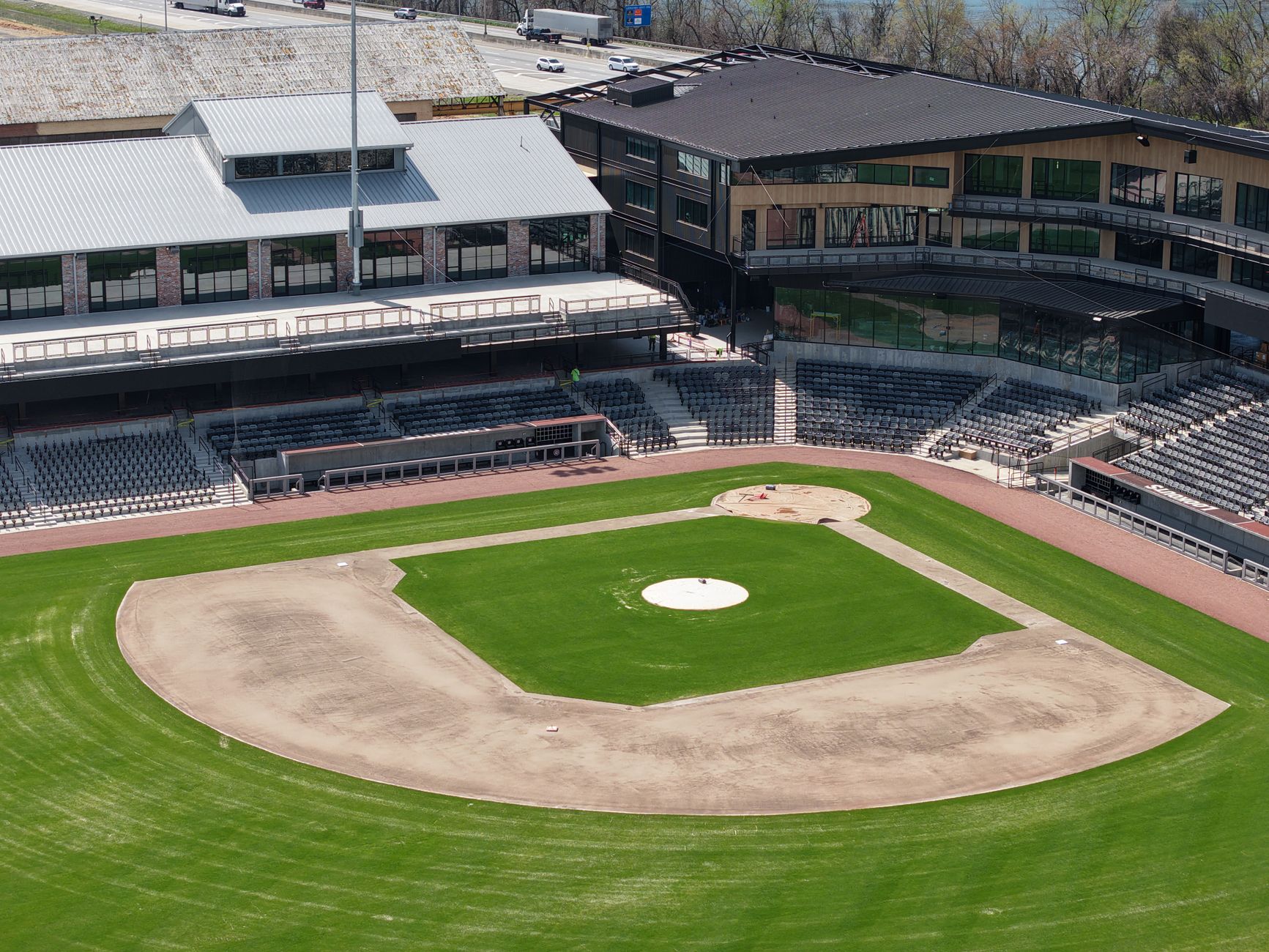
The ground reality across the Great Lakes region is one of intense, ongoing preparation as the 2026 Championship draws nearer. Key venues are undergoing significant upgrades and renovations, ensuring they meet international standards for both athletic performance and spectator comfort. Simultaneously, intricate transportation plans are being meticulously finalized, aiming to manage the anticipated surge in traffic and ensure seamless movement for athletes, officials, and fans across multiple host cities. However, these ambitious preparations are not without their inherent challenges; managing unprecedented traffic volumes and guaranteeing sufficient, affordable accommodation for thousands of visitors remain critical hurdles. Furthermore, security stands as a paramount concern, necessitating robust, multi-agency coordination between local, state, and federal law enforcement to establish an impeccably safe and secure environment for all involved.
A crucial component of the championship's operational success hinges on its extensive volunteer force, and recruitment efforts are currently in full swing, seeking to enlist thousands of dedicated individuals. These volunteers will be the backbone of the event, performing diverse roles from guiding visitors and assisting athletes to managing logistical checkpoints and providing essential support services. To ensure their effectiveness, comprehensive training programs are being rigorously developed and implemented, equipping volunteers with the necessary skills, knowledge, and protocols for their specific assignments. Local residents are enthusiastically encouraged to step forward and contribute their time and energy, fostering a profound sense of collective ownership and pride in hosting this monumental regional event, transforming spectators into active participants in its success.
Despite the enthusiasm, the scale of the undertaking presents genuine logistical pressures that demand continuous oversight. For instance, ensuring equitable distribution of economic benefits across all host communities, not just the primary ones, requires strategic planning and investment. Environmental considerations, such as waste management for large crowds and minimizing the carbon footprint of extensive travel, are also being addressed with innovative solutions. The organizing committees are navigating a complex web of regulations, stakeholder expectations, and public scrutiny, all while striving to deliver an event that is both spectacular and responsible. This delicate balance between aspiration and practical execution defines the current operational landscape.
What Experts Are Saying
Leading economists are unequivocally projecting a substantial economic boost for the Great Lakes region as a direct result of the 2026 Championship. Dr. Eleanor Vance, a prominent regional economist, points to historical data from comparable large-scale sporting events, which consistently demonstrate revenue generation in the tens of millions, often exceeding initial forecasts. Furthermore, tourism analysts like Mark Jensen emphasize the invaluable long-term benefits for regional branding and sustained tourism growth, positioning the Great Lakes as a premier destination. However, these experts also issue a crucial caveat: they caution against potential strains on existing infrastructure, including transportation networks and public services, if not meticulously managed. Their consensus underscores the imperative for robust, proactive planning to fully capitalize on the economic windfall while mitigating foreseeable challenges.
Sports analysts are buzzing with palpable excitement regarding the anticipated competition level at the 2026 Great Lakes Championship, predicting an unprecedented showcase of athletic prowess. Industry veterans like Sarah Chen, a renowned sports commentator, forecast record-breaking attendance figures and robust viewership across all broadcast platforms, reflecting the immense public interest. The caliber of participating teams is expected to be exceptionally high, featuring elite athletes and formidable contenders from across the continent, guaranteeing a series of thrilling matchups, dramatic finishes, and truly memorable moments for dedicated fans. This championship is not merely another event; it is widely regarded as the undisputed highlight of the regional sporting calendar, a must-see spectacle that promises to captivate audiences and redefine competitive excellence.
Beyond the immediate economic and sporting impacts, social scientists are examining the championship's potential to foster greater regional identity and cross-border collaboration. Dr. Robert Davies, a sociologist specializing in community development, suggests that shared experiences of hosting and celebrating such a major event can strengthen civic bonds and promote a sense of collective achievement among diverse communities. He also highlights the opportunity for cultural exchange as visitors from various backgrounds converge, enriching the social fabric of the host cities. However, Davies also advises vigilance against potential social inequalities, ensuring that the benefits of the championship are broadly distributed and accessible to all segments of the population, not just a select few.

Frequently Asked Questions
What Happens Next
In the immediate future, expect a continuous stream of critical announcements from the 2026 Great Lakes Championship organizing committee. These forthcoming releases will include the highly anticipated detailed competition schedules, providing precise timings for each event, alongside the definitive list of venues, confirming where the action will unfold. A significant milestone will be the commencement of official ticket sales, projected for late 2025, marking a crucial phase for public engagement and access. As the championship draws inexorably nearer, the final countdown will be characterized by an intensification of preparations across all fronts, coupled with robust public engagement campaigns designed to build excitement and ensure widespread participation. A palpable flurry of activity is imminent, signaling the escalating momentum towards this landmark event.
Crucially, local governments across the Great Lakes region are engaged in unprecedented levels of collaboration, working in concert to ensure the seamless execution of the championship. This cooperative spirit extends to fast-tracking essential infrastructure projects directly linked to the event, from road improvements to public transit enhancements, all designed to accommodate the influx of visitors and optimize operational efficiency. The overarching focus remains steadfast: to deliver a truly world-class sporting spectacle that not only dazzles during its duration but also leaves a profound, positive, and lasting legacy for the entire Great Lakes region, encompassing economic, social, and cultural benefits. Sustained and meaningful community engagement will undoubtedly serve as the cornerstone of its ultimate success, ensuring broad support and participation.
Looking further ahead, the successful execution of the 2026 Championship will undoubtedly influence future regional development and event hosting opportunities. Post-event evaluations will meticulously assess its economic impact, logistical efficiency, and community satisfaction, providing invaluable data for subsequent bids and strategic planning. The legacy will also involve the continued use of upgraded facilities and the sustained boost to regional tourism. However, the true 'what happens next' also includes the challenge of maintaining the momentum and community spirit generated, translating short-term excitement into long-term benefits and ensuring the region continues to thrive as a hub for sports, culture, and economic vitality. The groundwork laid now will dictate the trajectory for years to come.











Comments
No comments yet. Be the first to comment!