

The Numbers
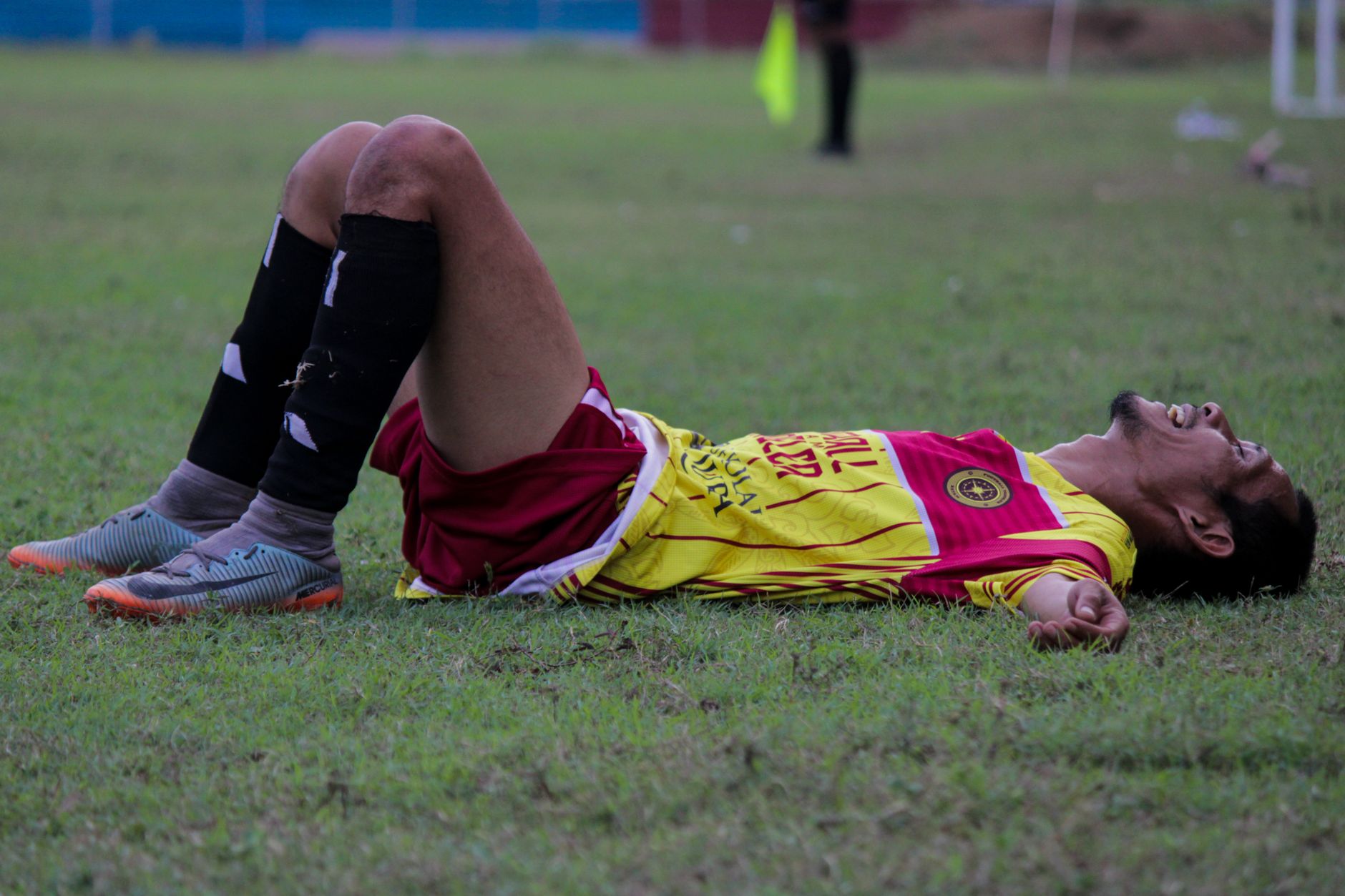
- Ibrahima Konaté participated in 30 matches across all competitions for Liverpool during the most recent completed season, showcasing his consistent presence despite personal challenges.
- He accumulated over 2,300 minutes on the pitch, demonstrating his importance to the team's defensive structure and tactical plans throughout the demanding campaign.
- Konaté contributed one goal and two assists, highlighting his impact beyond just defensive duties and his ability to influence the game offensively.
- The defender faced a significant number of aerial duels, winning a substantial percentage of them, which underscores his aerial dominance and effectiveness in crucial defensive situations.
- Despite the emotional turmoil, Konaté maintained a high pass completion rate, indicating his technical proficiency and ability to distribute the ball effectively under pressure.
- He received a limited number of yellow cards, reflecting his disciplined approach to defending and his commitment to staying on the field for his team.
Context Check
The past year for Ibrahima Konaté has been a stark reminder of life's unpredictable nature, marked by profound personal tragedies that tested his resilience to its limits. These immense emotional blows occurred against the backdrop of an elite professional football career, demanding peak physical and mental performance week in and week out. The juxtaposition of intense public scrutiny and private grief created an extraordinarily challenging environment for the young defender, forcing him to confront his vulnerabilities while continuing to represent his club on a global stage. His ability to even step onto the pitch during such times speaks volumes about his inner strength and dedication to his craft, even when his personal world was in turmoil.
Football, while providing a potential escape and a structured environment, also places immense pressure on its athletes. The demands of training, travel, match preparation, and the constant media attention can exacerbate personal difficulties, leaving little room for private mourning or emotional recovery. For Konaté, navigating these professional obligations while grappling with significant personal loss meant compartmentalizing his emotions to an extraordinary degree. This constant balancing act between his public persona as a top-tier footballer and his private reality as someone experiencing deep sorrow is a testament to the psychological fortitude required at the highest levels of sport.
The revelations from Konaté shed light on the often-unseen struggles faced by professional athletes. While fans and media focus on on-field performance, the human element—the personal lives, the emotional burdens, the moments of doubt—can be easily overlooked. His willingness to share these difficult experiences provides a crucial insight into the mental fortitude required to succeed in such a high-pressure environment. It underscores the importance of mental health support within sports organizations and the need for empathy from the public when athletes face adversity both on and off the field of play.
Background
Ibrahima Konaté, a French international defender, joined Liverpool in the summer of 2021, quickly establishing himself as a key figure in Jürgen Klopp's defensive setup. His arrival was met with considerable excitement, given his potential and previous performances in the Bundesliga with RB Leipzig. Known for his athleticism, aerial prowess, and composure on the ball, Konaté was seen as a long-term solution to bolster Liverpool's backline. He quickly adapted to the intensity of the Premier League, becoming a reliable starter and an integral part of a formidable defense that has consistently competed for major honors.
The period surrounding Konaté's revelations has been particularly challenging. While specific details of the personal tragedies remain private, the impact on his mental and emotional state has been palpable. Professional athletes often face intense public scrutiny, and any personal difficulties can be amplified, making it exceptionally hard to maintain focus and performance. The constant pressure to perform at an elite level, coupled with the emotional weight of significant life events, creates a unique and demanding environment. His journey through this past year highlights the immense psychological strength required to balance personal adversity with the rigorous demands of a top-flight football career.
Konaté's career trajectory at Liverpool has been impressive, marked by consistent development and crucial contributions. He has played a vital role in the team's campaigns, including deep runs in cup competitions and strong league finishes. However, the narrative of his recent journey is not solely defined by on-field achievements. It is equally shaped by his profound personal experiences, which have tested his character and resilience. His openness about facing 'low points' provides a rare glimpse into the human side of a professional athlete, revealing the internal battles that often go unseen by the wider public.
Winners and Losers
In the context of Ibrahima Konaté's personal struggles, the primary 'winner' is undoubtedly his own resilience and inner fortitude. To navigate profound personal tragedies while maintaining a high level of performance in one of the world's most demanding football leagues is a remarkable feat of mental strength. He has emerged from a period of immense difficulty having demonstrated an extraordinary capacity to endure and persevere, proving his character both as an athlete and as an individual. His ability to continue contributing to his team's efforts, despite carrying such significant emotional burdens, showcases a level of dedication that is truly commendable and sets a powerful example.
Conversely, the 'losers' in this narrative are the emotional toll and the moments of doubt that personal tragedy inevitably brings. The 'low points' Konaté speaks of represent a significant personal cost, a period where joy and ease were likely overshadowed by grief and hardship. These are intangible losses, yet they are deeply felt and can profoundly impact an individual's well-being and outlook. The energy and focus required to manage such profound personal pain while performing on a global stage mean that certain aspects of his life and perhaps even his enjoyment of the sport may have been diminished during this difficult time.
From a broader perspective, the football world, including fans and teammates, can be seen as beneficiaries of Konaté's resilience. By continuing to play and perform, he provided moments of quality and stability for Liverpool, contributing to their collective efforts. His courage in sharing his story also serves as a win for mental health awareness within sports, potentially inspiring others facing similar challenges. However, the narrative also highlights the inherent vulnerability of athletes; their personal lives are not immune to the harsh realities of life, and this underscores the importance of support systems and empathy from all stakeholders involved in professional sports.
Analyst Perspectives
From a sports psychology standpoint, Ibrahima Konaté's experience underscores the immense pressure athletes face when personal crises intersect with demanding professional careers. Elite performers are often conditioned to compartmentalize and suppress emotions to maintain focus, but prolonged periods of intense grief can overwhelm even the most disciplined individuals. His ability to continue competing suggests a remarkable level of psychological resilience, possibly bolstered by strong support networks and coping mechanisms developed over years of high-level competition. However, the lingering effects of such trauma can manifest in various ways, potentially impacting long-term performance and well-being if not adequately addressed.
From a performance analysis perspective, Konaté's contributions over the past year, despite his personal adversities, are noteworthy. While acknowledging the potential impact on his peak form, his consistent presence and contributions in matches indicate a significant mental fortitude. Analysts would typically look for subtle shifts in performance metrics—perhaps a slight decrease in recovery times, a marginal drop in key duels won, or increased errors under pressure. However, the fact that he remained a consistent selection and performed creditably suggests that his underlying physical conditioning and tactical understanding remained largely intact, a testament to his professionalism.
The candidness of Konaté's revelations also speaks to a broader trend of athletes becoming more open about their mental health struggles. This shift is crucial for destigmatizing mental health issues within sports. Experts often highlight that acknowledging vulnerability is not a sign of weakness but a critical step toward healing and sustained performance. His willingness to share his 'low points' provides valuable insight for clubs, coaches, and fellow players on the importance of recognizing and supporting the human element behind the athlete, fostering an environment where emotional well-being is prioritized alongside physical conditioning.
Key Questions Explained
The Outlook
Looking ahead, Ibrahima Konaté's journey through personal adversity positions him as a symbol of resilience within the football community. Having navigated such profound challenges, his continued presence on the pitch suggests a strengthened mental fortitude and a deeper appreciation for his career and life. The experience, while undoubtedly painful, may ultimately contribute to his growth as both a player and an individual, potentially leading to even greater determination and focus in his future performances for Liverpool and the French national team. His openness serves as a powerful reminder of the human element in sport.
The ongoing support from Liverpool Football Club, his teammates, and the coaching staff will be crucial as Konaté continues his career. A nurturing environment that acknowledges his past struggles while focusing on future opportunities can help him thrive. As he moves forward, the lessons learned from overcoming such significant personal hurdles are likely to shape his perspective, potentially making him a more empathetic leader and a more grounded competitor. The football world will be watching with admiration as he continues to build on his career, carrying the strength derived from his experiences.
Ultimately, the outlook for Ibrahima Konaté is one of continued potential and personal growth. His willingness to confront and speak about his 'low points' demonstrates a maturity that transcends the sport. While the path forward may still present challenges, his demonstrated capacity for resilience suggests he is well-equipped to handle them. Fans and analysts alike will anticipate his contributions on the field, recognizing that his strength extends far beyond his physical capabilities, rooted deeply in his unwavering spirit and ability to persevere through life's most difficult moments.





Comments
No comments yet. Be the first to comment!