
Key Takeaways
- President Trump has announced a significant US-Iran agreement, signaling a potential de-escalation of long-standing hostilities between the two nations, marking a surprising diplomatic breakthrough.
- A central tenet of the newly declared deal is the guarantee that the strategically vital Strait of Hormuz will remain fully open and accessible to all international shipping traffic without hindrance.
- While the broad strokes have been revealed, specific details and the comprehensive terms of this pivotal US-Iran accord are still in the process of being fully disclosed and analyzed by global observers.
- This unexpected diplomatic overture holds the promise of significantly reducing geopolitical tensions that have plagued the Middle East, potentially averting military confrontations and fostering regional stability.
- The agreement's successful implementation could have profound implications for global energy markets, ensuring the uninterrupted flow of oil and gas through the world's most critical maritime chokepoint.
- The international community is now closely watching for official confirmations and the practical execution of this deal, which could redefine security paradigms in one of the world's most volatile regions.
Background
For years, the relationship between the United States and Iran has been characterized by profound distrust and escalating tensions, often teetering on the brink of direct conflict. This strained dynamic intensified following the US withdrawal from the Joint Comprehensive Plan of Action (JCPOA) in 2018 and the subsequent re-imposition of stringent sanctions. These actions led to a series of retaliatory measures and aggressive posturing from both sides, creating an atmosphere of deep uncertainty and risk in the Persian Gulf region, impacting global stability and economic forecasts.
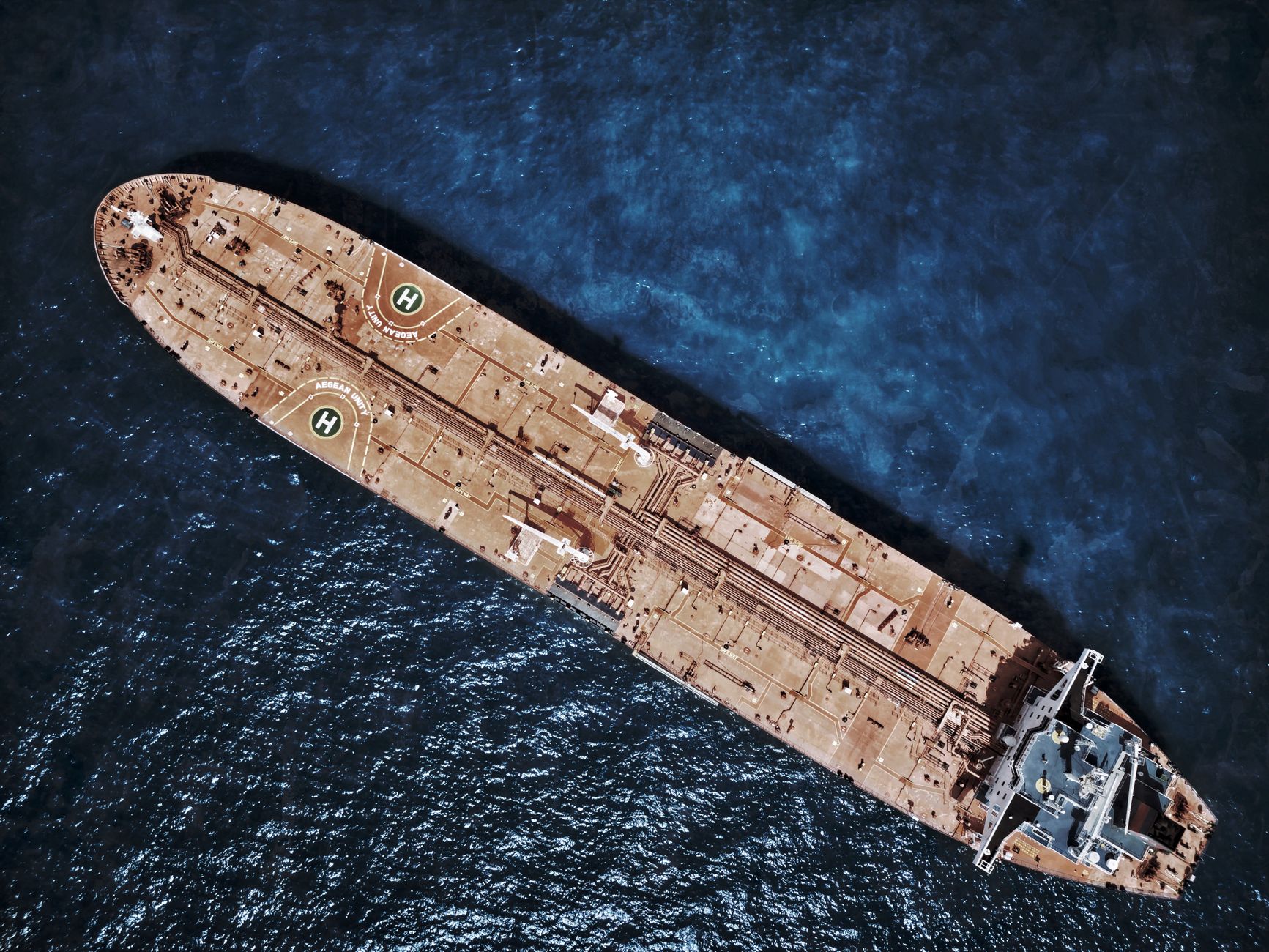
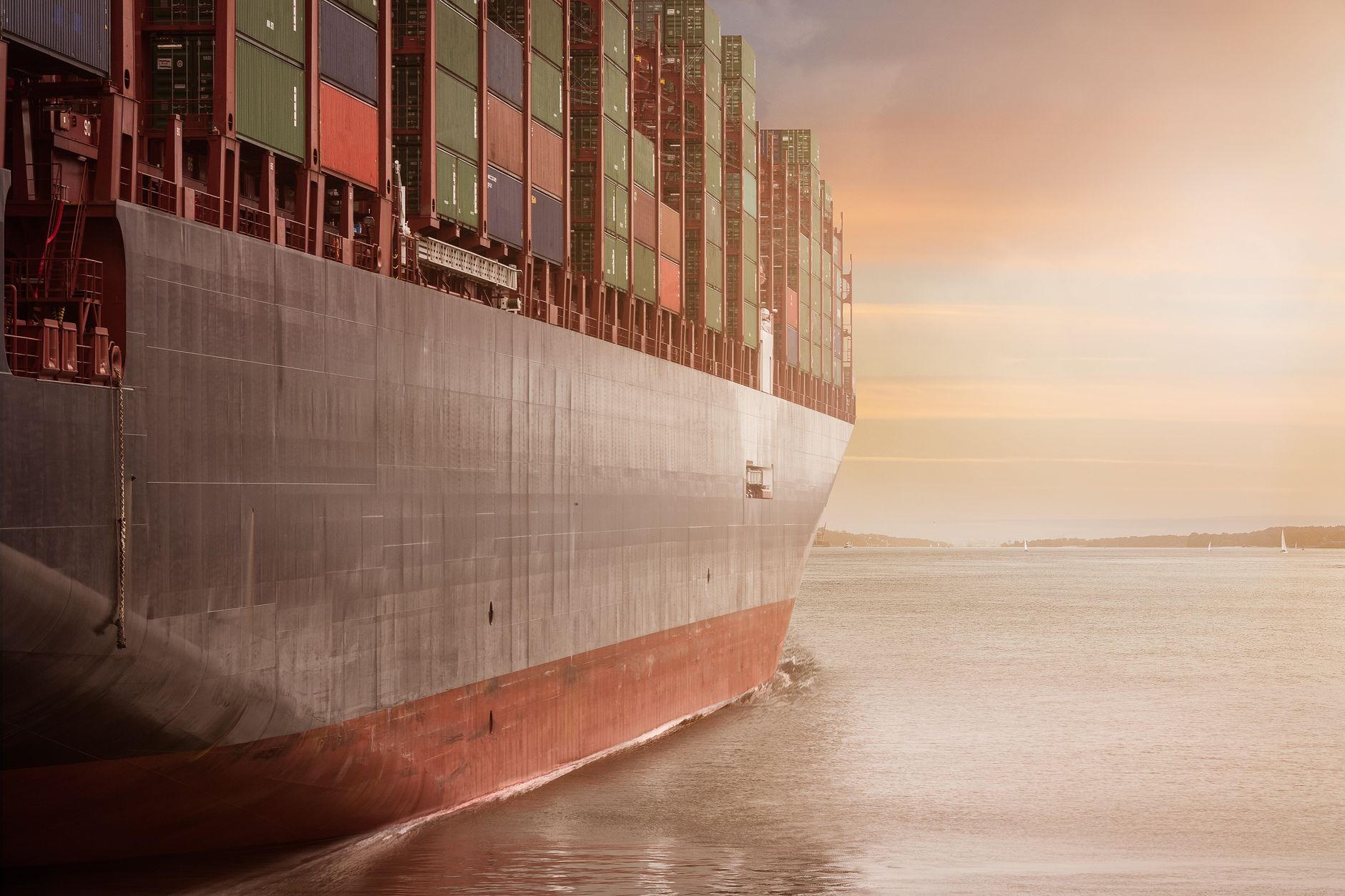
At the heart of much of this geopolitical friction lies the Strait of Hormuz, an incredibly narrow yet immensely critical waterway connecting the Persian Gulf to the open ocean. This maritime chokepoint is indispensable for global commerce, as an estimated one-fifth of the world's total oil consumption, along with a significant portion of its liquefied natural gas, transits through its waters daily. Its strategic importance makes any threat to its navigability a matter of international concern, directly influencing energy prices and supply chains worldwide.
The recent past has been marred by a series of alarming incidents in and around the Strait of Hormuz, underscoring the volatility of the region. These included numerous attacks on international oil tankers, often attributed to Iranian forces, and the seizure of commercial vessels by the Iranian Revolutionary Guard Corps. Such provocations raised fears of broader military escalation, prompting urgent calls from the international community for de-escalation and diplomatic solutions to safeguard this vital artery of global trade and prevent a wider conflict.
Why It Matters
The stability of the Strait of Hormuz is not merely a regional issue; it is a global economic imperative. As the primary conduit for a substantial portion of the world's crude oil and natural gas, any disruption to its free passage sends immediate shockwaves through international energy markets. A closure or even significant impediment to shipping could trigger a dramatic surge in oil prices, leading to widespread economic instability, inflation, and potential recessions in energy-dependent economies worldwide, underscoring the critical need for unimpeded transit.
Beyond energy, the broader regional stability of the Middle East directly impacts global security and geopolitical alliances. A potential US-Iran deal, particularly one that addresses the Strait of Hormuz, signifies a crucial step towards de-escalating a long-simmering conflict that has threatened to erupt into full-scale military confrontation. Preventing such a conflict is paramount, as its ripple effects would extend far beyond the immediate region, potentially drawing in other global powers and creating an unprecedented humanitarian and economic crisis on an international scale.
This agreement, if successfully implemented, could profoundly influence international trade and investment patterns. Reduced geopolitical risk in the Persian Gulf would instill greater confidence among shipping companies, insurers, and global investors, potentially lowering operational costs and stabilizing supply chains. Furthermore, a diplomatic resolution could pave the way for broader engagement and cooperation, fostering an environment where dialogue replaces confrontation, ultimately benefiting not just the immediate parties but the entire interconnected global economy reliant on predictable and secure trade routes.
Ground Reality
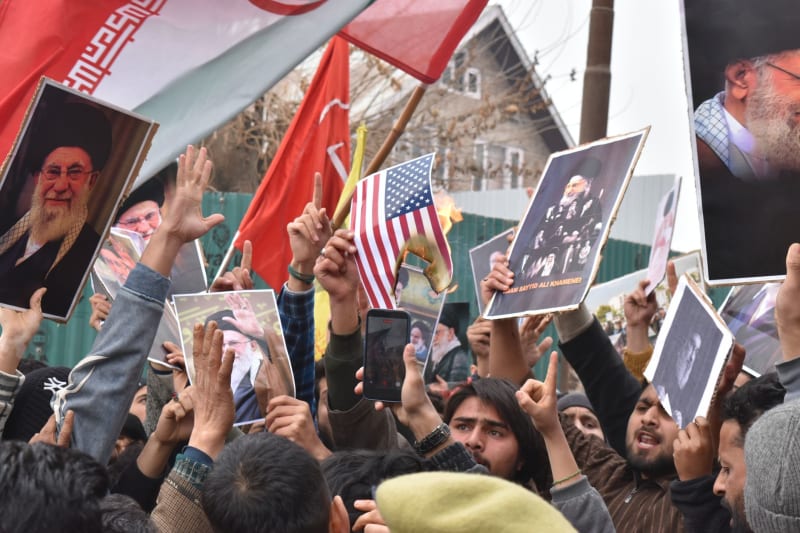
On the ground, initial reactions to President Trump's announcement are predictably diverse and complex, reflecting the deep divisions and long-standing grievances within the region. While some segments of the populace, weary of constant tension and the specter of war, are cautiously celebrating the prospect of peace and stability, others remain deeply skeptical. This skepticism often stems from historical distrust, the memory of previous failed diplomatic efforts, and concerns that any deal might not adequately address the root causes of the conflict or could be perceived as a concession.
For the global shipping industry, the news of a potential US-Iran deal opening the Strait of Hormuz is met with a mix of relief and a pragmatic wait-and-see approach. While the prospect of guaranteed free passage is highly welcome, shipping companies, their insurers, and maritime security analysts are all keenly awaiting official confirmation and the precise operational details of the agreement. They understand that until concrete measures are in place and verified, the inherent risks of navigating such a sensitive waterway, which has seen numerous incidents in recent years, will persist, necessitating continued vigilance and caution.
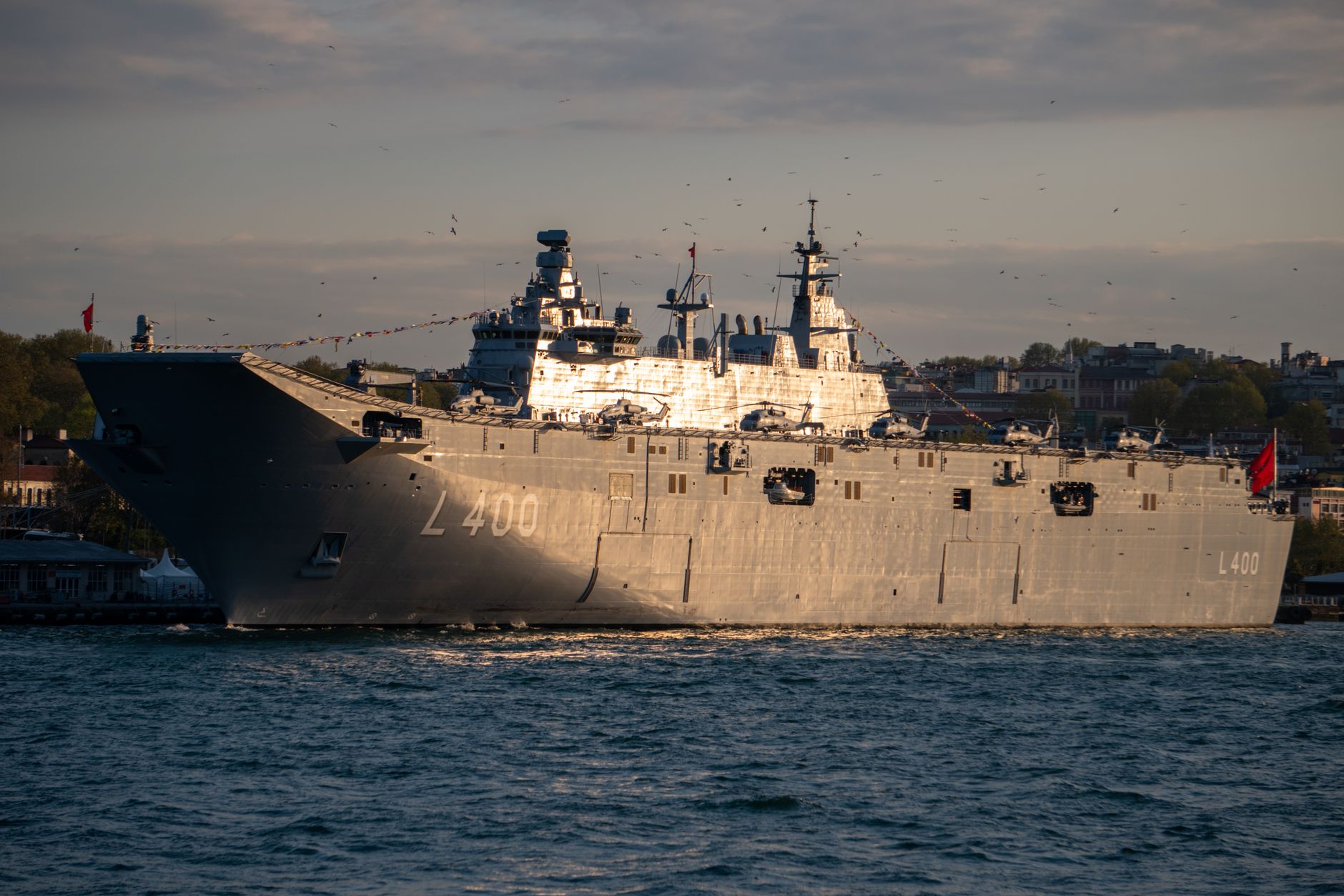
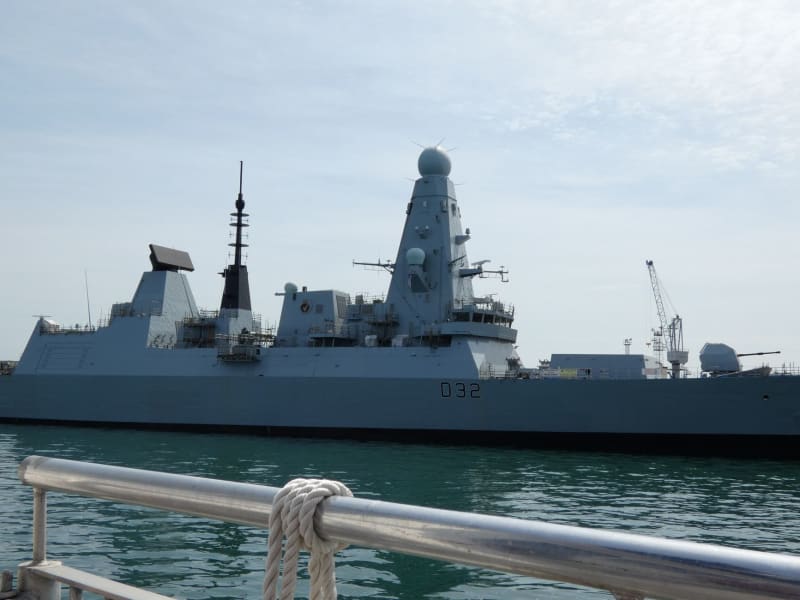
Despite the optimistic pronouncements, the immediate military posture in the Persian Gulf remains largely unchanged, with a significant naval presence from various international powers still deployed in the area. This continued high alert reflects the ingrained caution and the understanding that diplomatic agreements, while crucial, often require time to translate into tangible security improvements on the ground. Until the terms of the deal are fully enacted and verified, and trust is gradually rebuilt, military forces will likely maintain their enhanced vigilance to deter any potential spoilers or unforeseen provocations in this critical maritime zone.
What Experts Are Saying
Leading geopolitical analysts and Middle East experts are approaching the news of a US-Iran deal with a nuanced blend of cautious optimism and deep scrutiny. Many acknowledge the significant potential for de-escalation, recognizing that any diplomatic breakthrough, however preliminary, is preferable to continued confrontation. They highlight that the mere announcement of an agreement, particularly concerning the Strait of Hormuz, could immediately reduce market anxieties and signal a willingness from both sides to find common ground, a departure from recent confrontational rhetoric and actions.
However, a significant number of experts are quick to caution against premature celebrations, emphasizing that the "devil is truly in the details" of any such complex international agreement. They point out that previous attempts at rapprochement or limited deals have often faltered due to differing interpretations, internal political opposition, or the failure to address underlying issues of trust and regional influence. Concerns are being raised about the enforceability of the terms, the robustness of verification mechanisms, and how the deal might impact other regional actors and existing alliances.
Moreover, analysts stress that even a successfully implemented deal regarding the Strait of Hormuz does not automatically guarantee long-term stability across the broader Middle East. The region is fraught with numerous interconnected conflicts, proxy wars, and deep-seated ideological rivalries that extend far beyond the immediate US-Iran dynamic. Experts argue that while this agreement could be a vital first step, sustained peace would require comprehensive diplomatic efforts addressing Iran's nuclear program, its ballistic missile development, and its regional activities, which remain significant points of contention for many international observers.
Frequently Asked Questions
What Happens Next
The immediate next step following President Trump's announcement will be the formalization and signing of the US-Iran deal. This process typically involves intricate negotiations to finalize the precise language and legal frameworks of the agreement, ensuring all parties are aligned on its terms. The global community will be closely watching for official declarations from both Washington and Tehran, which will provide the definitive details and confirm the commitment of both nations to uphold the agreed-upon conditions, paving the way for its implementation.
Following the formal signing, the focus will shift to the practical implementation details of the agreement, particularly concerning the unimpeded passage through the Strait of Hormuz. This will likely involve establishing clear protocols for maritime navigation, potentially including joint or internationally supervised monitoring mechanisms to ensure compliance. The success of the deal hinges on the willingness of both the US and Iran to adhere strictly to these operational guidelines, demonstrating good faith and building confidence among international shipping operators and the broader global community.
The agreement's impact will extend beyond the immediate parties, prompting significant reactions from various regional powers and international allies. Countries like Saudi Arabia, Israel, and other Gulf states, who have long held reservations about Iran's regional ambitions, will be closely scrutinizing the deal's implications for their own security interests. Their responses, ranging from cautious acceptance to outright criticism, could significantly influence the long-term viability and broader acceptance of this agreement, potentially shaping future geopolitical alignments in the volatile Middle East.











Comments
No comments yet. Be the first to comment!