


Policy Snapshot
- Accelerating climate change impacts are manifesting across the nation, from intensifying wildfires and prolonged droughts in the West to severe coastal flooding and powerful hurricanes along the Eastern Seaboard and Gulf Coast, demanding urgent adaptation and mitigation strategies.
- Persistent economic anxieties plague many American households, marked by inflation, stagnant real wages for a significant portion of the workforce, and growing wealth inequality, which collectively undermine financial stability and future prospects.
- Deepening political polarization, exacerbated by partisan media and social media echo chambers, obstructs consensus-building on critical national issues, making effective governance and long-term policy solutions increasingly difficult to achieve.
- The potential resurgence of populist political movements, exemplified by figures like Donald Trump, introduces significant uncertainty into democratic institutions, international alliances, and established policy frameworks, challenging norms.
- Infrastructure vulnerabilities are exposed by extreme weather events, highlighting decades of underinvestment in critical systems like power grids, transportation networks, and water management, necessitating massive federal and state overhauls.
- Global geopolitical shifts and trade tensions add another layer of complexity, impacting supply chains, national security, and economic stability, requiring agile and strategic foreign policy responses from the United States.
The Policy History
The escalating climate crisis represents a multifaceted threat, evolving from a distant scientific projection into an immediate, tangible reality for communities nationwide. Decades of insufficient action on greenhouse gas emissions have locked in a trajectory of rising global temperatures, leading to more frequent and intense extreme weather events. This isn't just about environmental degradation; it's about the profound disruption to agriculture, infrastructure, public health, and national security, demanding a comprehensive and urgent recalibration of national priorities and resource allocation to mitigate the worst impacts and adapt to unavoidable changes.
Simultaneously, the American economy grapples with structural challenges that extend beyond cyclical fluctuations. While headline unemployment figures may appear robust, underlying issues such as persistent inflation eroding purchasing power, widening income disparities, and the precarious financial state of many working-class families paint a more concerning picture. The shift towards a gig economy, automation, and globalized supply chains has left segments of the population feeling economically insecure and left behind, fostering widespread discontent and a demand for more equitable economic policies.
Adding to this precarious landscape is the profound political polarization that has gripped the nation, making effective governance and consensus-building increasingly elusive. The rise of figures like Donald Trump is not merely an isolated political phenomenon but a symptom of deeper societal fractures, fueled by cultural grievances, distrust in institutions, and the fragmentation of information. This intense partisan divide impedes progress on critical issues, from climate policy to economic reform, creating an environment where fundamental challenges are often politicized rather than addressed through collaborative, evidence-based solutions.
Who Is Affected
The brunt of these converging crises disproportionately falls upon America's most vulnerable communities. Low-income neighborhoods and communities of color often reside in areas more susceptible to environmental hazards, such as floodplains or near industrial pollution sources, making them frontline victims of climate change impacts. These same communities frequently lack the economic resources and robust social safety nets to recover effectively from disasters or absorb inflationary shocks, perpetuating cycles of poverty and displacement. The systemic inequities embedded within society amplify the suffering when these threats materialize.
The American middle class, traditionally the backbone of the economy, also faces significant erosion of its stability. Rising costs for housing, healthcare, and education, coupled with wage stagnation for many, mean that financial security remains elusive, even for those with stable employment. Small businesses, vital engines of local economies, struggle with supply chain disruptions, labor shortages, and unpredictable policy environments, making long-term planning and investment incredibly challenging. The cumulative effect is a widespread sense of precarity, undermining the foundational promise of upward mobility.
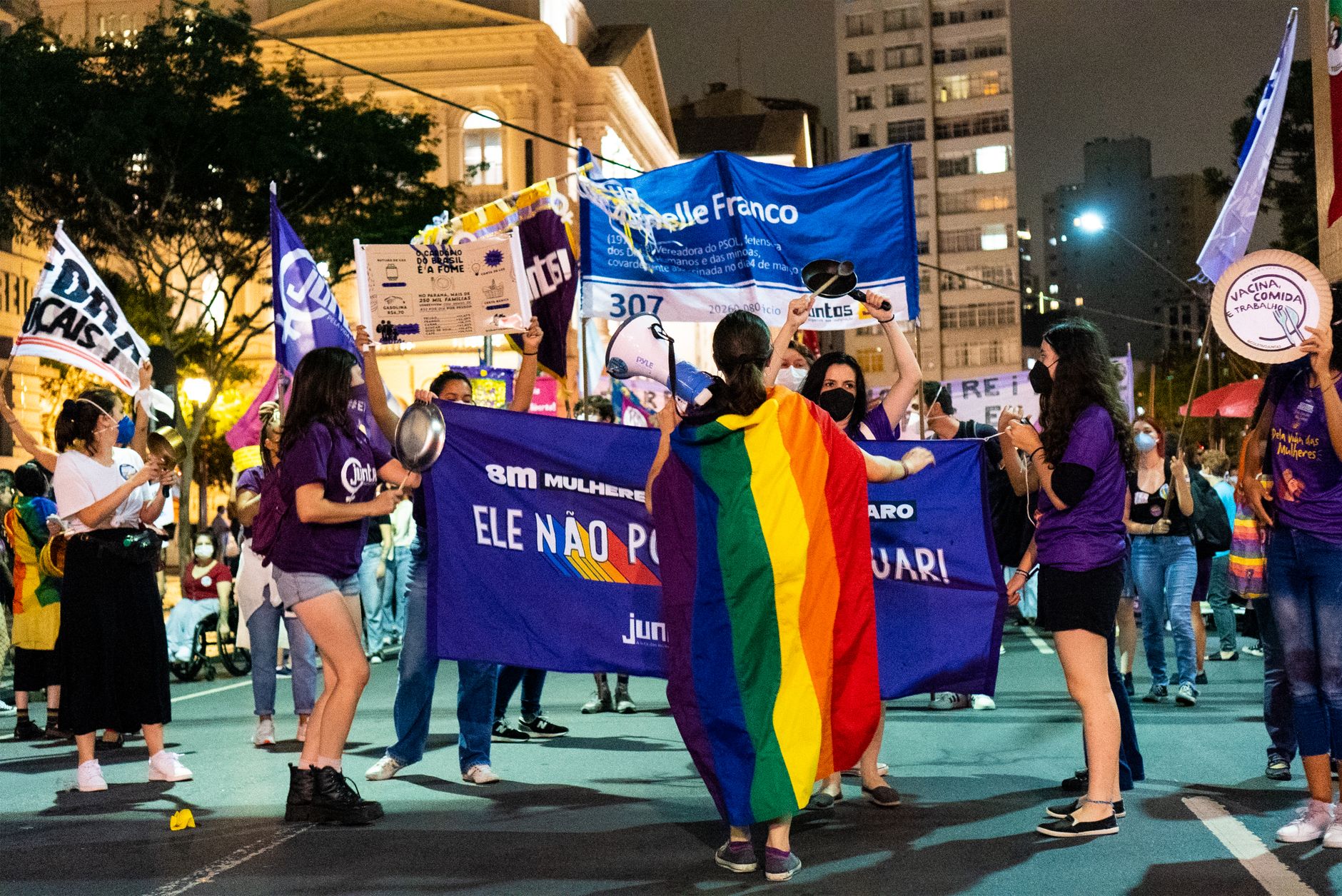
Beyond individual citizens and businesses, the very fabric of American democratic institutions and its standing on the global stage are profoundly affected. Extreme political polarization erodes public trust in government, the electoral process, and the media, creating an environment ripe for misinformation and democratic backsliding. Internationally, the nation's ability to lead on global challenges like climate action or human rights is compromised when domestic stability and political consensus are perceived as fragile, diminishing its influence and creating vacuums for other powers to fill.
The Case For
The compelling argument for aggressive intervention stems from the undeniable interconnectedness of these crises. Addressing climate change cannot be separated from economic justice, as green transitions must be equitable and create new opportunities for all, not just a privileged few. Similarly, economic stability is jeopardized by climate-induced disasters and political instability. A holistic approach recognizes that solving one problem in isolation will ultimately be futile; genuine progress requires simultaneous, coordinated efforts across environmental, economic, and political fronts to build a resilient future for the nation.
Proponents of robust action emphasize that delaying comprehensive responses will only escalate future costs and risks. Investing now in renewable energy infrastructure, climate resilience projects, and social safety nets will yield significant long-term dividends, preventing far more catastrophic economic and human losses down the line. Furthermore, strengthening democratic institutions and fostering civil discourse are essential investments in social cohesion, which underpins economic prosperity and the capacity for collective action. These are not optional expenditures but fundamental prerequisites for enduring national stability and prosperity.
Finally, there is a powerful moral and geopolitical imperative for the United States to confront these challenges head-on. As a leading global economy and a historical emitter, the U.S. has a responsibility to lead in climate mitigation and adaptation, setting an example for other nations. Domestically, ensuring economic opportunity and protecting democratic norms upholds the fundamental promise of American society. Failing to address these issues not only risks internal collapse but also cedes global leadership, undermining international cooperation on shared planetary challenges and diminishing the nation's moral authority.
The Case Against
Critics often argue that aggressive climate policies and extensive economic interventions impose an undue burden on businesses and taxpayers, stifling economic growth and individual liberty. They contend that the costs of transitioning to renewable energy, implementing stringent regulations, or expanding social programs are prohibitive, leading to higher prices, job losses in traditional industries, and increased national debt. This perspective frequently prioritizes immediate economic concerns over long-term environmental or social benefits, suggesting that market forces and technological innovation, rather than government mandates, are the most effective solutions.
Another common counter-argument involves skepticism regarding the severity or immediacy of certain threats, particularly climate change, or a belief that other issues deserve higher priority. Some argue that climate models are overly alarmist or that the economic impacts of climate change are exaggerated, advocating for a slower, less disruptive approach. Others might contend that issues like national security, border control, or individual tax relief are more pressing concerns for the average American, diverting resources and attention away from what they perceive as less immediate or less impactful challenges.
Furthermore, a significant argument against comprehensive action centers on political feasibility and the inherent divisions within the American system. Opponents often highlight the deep partisan divides and the difficulty of achieving consensus on complex, long-term policies, suggesting that ambitious plans are simply impractical or destined to fail. They might argue that attempts to force through sweeping changes will only exacerbate political polarization, leading to further gridlock and instability, and that a more incremental, localized approach is more realistic given the current political climate and diverse regional interests.

Policy Questions Answered
Implementation Watch
Monitoring the implementation of policies designed to address these interconnected crises reveals significant hurdles. Even well-intentioned legislation often faces bureaucratic inertia, funding shortfalls, and political resistance at state and local levels. For instance, federal climate initiatives may struggle with uneven adoption rates across states due to differing political priorities or economic capacities. The effectiveness of economic relief programs can be hampered by complex eligibility requirements or insufficient outreach, failing to reach the most vulnerable populations who need them most, leading to uneven and often delayed impacts.
The cyclical nature of American politics poses a constant threat to long-term policy implementation. Major initiatives, particularly those requiring sustained investment and regulatory consistency, are vulnerable to shifts in administration and congressional control. A new presidential term or a change in legislative majority can quickly reverse or defund previous efforts, creating policy whiplash and undermining confidence in government's ability to deliver consistent solutions. This instability discourages private sector investment in critical areas like green technology and resilient infrastructure, where long-term certainty is paramount.
Effective implementation also hinges on robust public engagement and vigilant oversight. Without sustained public pressure and active citizen participation, policies can be diluted, diverted, or simply neglected. Advocacy groups, watchdogs, and local communities play a crucial role in holding elected officials and agencies accountable for delivering on promises. The success of any national strategy to confront climate change, economic hardship, and political division ultimately depends not just on the creation of policies, but on their diligent, transparent, and equitable execution across all levels of government and society.










Comments
No comments yet. Be the first to comment!