

The Story in Brief
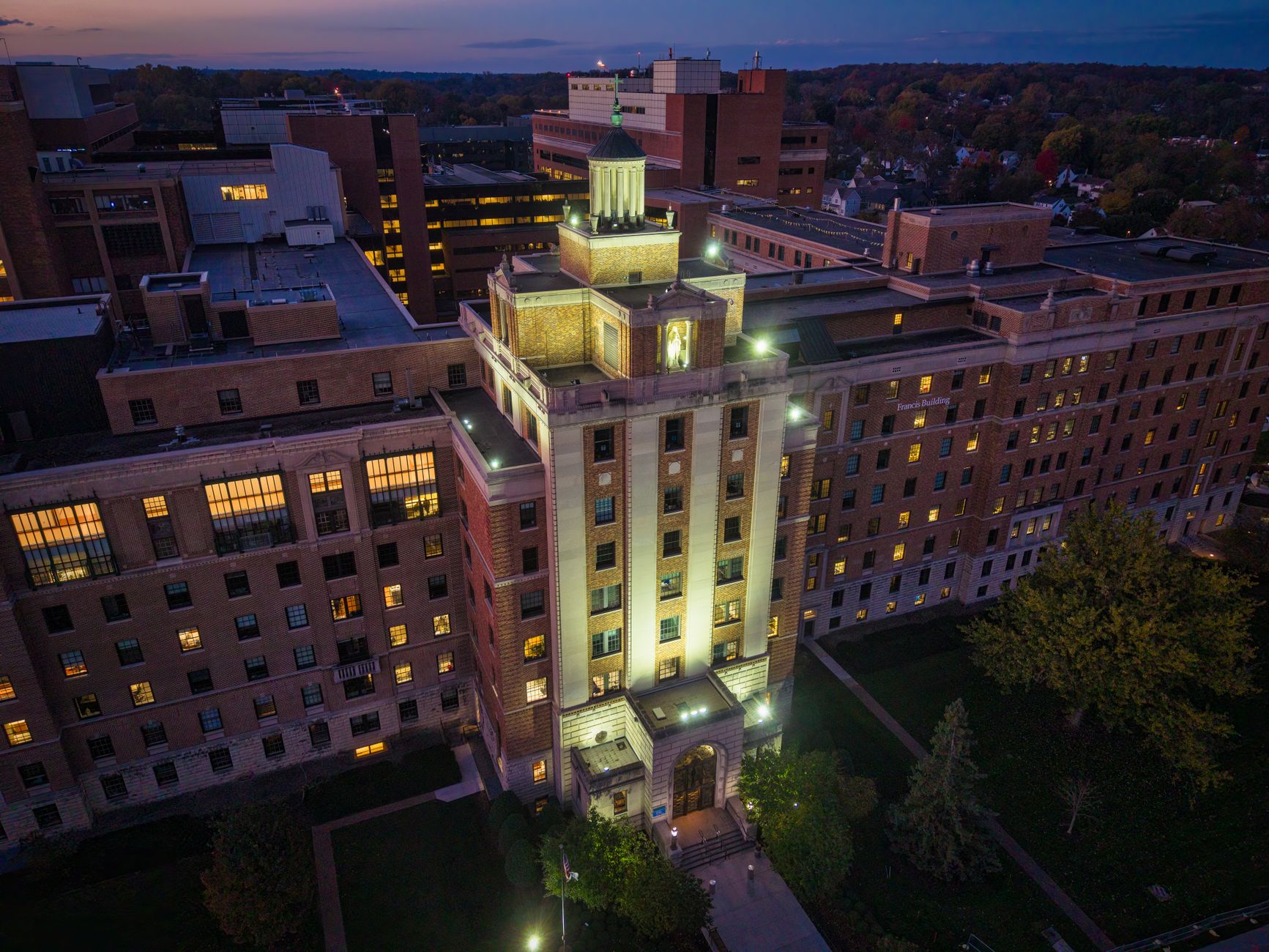
- MyMichigan Medical Center Midland is actively participating in National Donate Life Month by raising a special flag to honor organ donors and their families.
- This symbolic gesture aims to significantly increase awareness about the critical importance of organ donation and the profound impact it has on saving lives.
- The event underscores the hospital's commitment to supporting organ donation initiatives and encouraging community members to consider becoming registered organ donors.
- By illuminating the selfless contributions of donors, the hospital seeks to inspire more individuals to register, thereby reducing the extensive waiting lists for life-saving transplants.
- The flag-raising ceremony serves as a powerful visual reminder of the ongoing need for organ donors and the potential for one person's generosity to transform numerous lives.
- This initiative highlights the collaborative efforts between healthcare institutions and organ procurement organizations to promote donation and transplantation.
The Human Face of Donation
The act of organ donation is a profound testament to human compassion, offering a beacon of hope in the face of tragedy. When a life is lost, the decision to donate organs can transform immense grief into a legacy of life for others. Families facing the unimaginable often find solace in knowing that their loved one's final act can provide a second chance at life for someone else. This decision requires immense courage and generosity, embodying the best of humanity. The ripple effect of a single donor is extraordinary, potentially saving up to eight lives through organ donation and improving countless others through tissue donation. Each transplanted organ represents a new beginning, a chance for a recipient to return to their families, pursue their dreams, and live a full life, forever connected to the selfless act of their donor.
Behind every organ transplant is a story of resilience, both for the donor family and the recipient. For recipients, the wait for a suitable organ can be agonizing, marked by declining health and the constant specter of uncertainty. They often live with the daily challenges of chronic illness, their lives dictated by medical treatments and the hope for a match. The moment a transplant becomes possible is life-altering, a transition from a state of waiting and suffering to one of recovery and renewed possibility. This new lease on life is not just a physical healing but an emotional and spiritual rebirth. The gratitude felt towards the donor and their family is immeasurable, a debt that can only be repaid by living a life that honors the gift received, cherishing every moment and contributing positively to the world.
National Donate Life Month provides a crucial platform to amplify these stories and educate the public about the vital role of organ and tissue donation. It's an opportunity to celebrate the generosity of donors and their families, acknowledge the dedication of healthcare professionals, and encourage more people to register as donors. The simple act of registering one's intent to donate can have life-saving consequences. It simplifies the decision-making process for families during difficult times and ensures that more individuals receive the life-saving transplants they desperately need. By sharing these narratives, we foster a deeper understanding and appreciation for the donation process, breaking down myths and encouraging a culture of giving.
How We Got Here
The concept of organ transplantation, while seemingly modern, has roots stretching back decades, evolving from experimental procedures to life-saving medical interventions. Early attempts in the mid-20th century laid the groundwork, facing significant challenges related to immune rejection and surgical techniques. Breakthroughs in immunosuppressive drugs, particularly cyclosporine in the 1980s, revolutionized the field, dramatically improving transplant success rates and making it a viable treatment option for a wider range of organ failures. This period marked a significant shift from experimental surgery to established medical practice, driven by relentless scientific inquiry and a growing understanding of the human body's complex biological systems. The development of sophisticated surgical methods and post-operative care protocols further cemented organ transplantation as a critical component of modern healthcare.
The establishment of organ procurement organizations (OPOs) and national registries was a pivotal step in organizing and streamlining the donation process. These entities were created to manage the complex logistics of identifying potential donors, coordinating with hospitals, and matching organs with recipients nationwide. Their formation aimed to ensure fairness, efficiency, and transparency in a system that deals with scarce and life-critical resources. By standardizing procedures and fostering collaboration between medical institutions, OPOs play an indispensable role in maximizing the number of organs available for transplant and ensuring they reach those who need them most, thereby saving and improving countless lives across the country.
National awareness campaigns, like those observed during Donate Life Month, have been instrumental in shifting public perception and increasing donor registration rates. Initially, organ donation was often shrouded in misunderstanding and fear. However, sustained public education efforts, coupled with compelling personal stories of donors and recipients, have gradually demystified the process and highlighted its life-saving benefits. Hospitals, like MyMichigan Medical Center Midland, actively participating in these campaigns by raising flags or hosting events, play a crucial role in bringing the message directly to their communities. This consistent outreach has been key to fostering a more informed and supportive environment for organ donation.
Why This Cannot Be Ignored
The stark reality is that the demand for organ transplants far outstrips the supply, leaving thousands of individuals in a critical state, waiting for a life-saving procedure. This imbalance creates a profound public health crisis, where preventable deaths occur daily simply because a matching organ is not available. The waiting list is not just a number; it represents mothers, fathers, children, and friends whose lives are on hold, their health deteriorating with each passing day. The urgency to increase organ donation rates cannot be overstated, as each registered donor has the potential to save multiple lives and alleviate immense suffering for families and communities.
Beyond the immediate life-saving aspect, organ donation offers a unique opportunity for profound healing and connection for donor families. In the midst of devastating loss, the decision to donate can provide a sense of purpose and comfort, transforming grief into a powerful legacy of life. This act of altruism allows a part of the loved one to live on, offering a tangible form of solace and continuing their impact on the world. Supporting and promoting organ donation is therefore not only a medical imperative but also a compassionate response to human suffering, fostering a sense of community and shared humanity.
The ongoing need for organ donors directly impacts healthcare systems, placing a significant burden on hospitals and medical resources. Patients awaiting transplants often require intensive medical care, frequent hospitalizations, and specialized treatments, all of which incur substantial costs. Increasing the number of available organs can alleviate this strain, enabling more patients to receive timely transplants, recover fully, and return to productive lives, thereby reducing long-term healthcare expenditures and improving overall public health outcomes. Promoting donation is a strategic investment in a healthier future for all.
Possible Paths Forward
Expanding public education campaigns is paramount to demystifying organ donation and dispelling common myths that deter potential donors. Leveraging platforms like National Donate Life Month, hospitals and health organizations can utilize targeted messaging through social media, community events, and partnerships with local media to reach diverse audiences. Emphasizing the life-saving impact and the straightforward registration process can encourage more individuals to make an informed decision. Furthermore, integrating discussions about organ donation into routine healthcare check-ups and driver's license registration processes can normalize the conversation and increase accessibility for registration.
Simplifying and streamlining the organ donor registration process is another critical step. This involves making online registration user-friendly and accessible across various devices, as well as ensuring that healthcare providers are equipped and encouraged to discuss donation options with patients and families. Exploring opt-out systems, where individuals are presumed donors unless they explicitly opt-out, has shown promise in increasing donation rates in other countries and warrants careful consideration within ethical and legal frameworks. The goal is to remove any barriers that might prevent a willing individual from becoming a registered donor.
Fostering stronger collaborations between hospitals, organ procurement organizations (OPOs), and community groups can significantly enhance organ donation efforts. Joint initiatives, such as the flag-raising ceremony at MyMichigan Medical Center Midland, serve to raise visibility and encourage dialogue. These partnerships can facilitate better communication, improve the efficiency of the donation process, and provide comprehensive support to donor families. By working together, these entities can create a more robust and effective system that maximizes the number of lives saved through organ transplantation.

Questions People Are Actually Asking
What to Watch
- Monitor local news outlets and MyMichigan Medical Center's official communications for updates on future organ donation awareness events and initiatives.
- Track national organ donation statistics to observe trends in donor registration rates and transplant numbers throughout the year.
- Stay informed about legislative changes or policy proposals aimed at improving organ donation and transplantation systems across the country.
- Follow the stories of organ recipients and donor families to gain a deeper understanding of the profound impact of donation on individuals and communities.
- Observe how other healthcare institutions and communities are engaging in similar awareness campaigns to promote organ donation.
- Pay attention to advancements in transplant technology and research that may further enhance the success and accessibility of organ transplantation in the future.












Comments
No comments yet. Be the first to comment!