

Policy Snapshot
- Former President Trump's assertion to "escort" oil tankers through the Strait of Hormuz emerged as a direct response to perceived threats against global energy supply lines, aiming to project strength and ensure unimpeded maritime passage.
- This claim, however, immediately faced skepticism from defense analysts and international relations experts who questioned its feasibility and potential for unintended escalation in an already volatile region.
- The Strait of Hormuz is a critical maritime choke point, through which approximately one-fifth of the world's total oil consumption, along with a significant portion of liquefied natural gas, transits daily, making its security paramount for global economic stability.
- International law and established maritime conventions govern transit through such straits, emphasizing freedom of navigation but also requiring respect for coastal state sovereignty, adding layers of complexity to any unilateral escort operations.
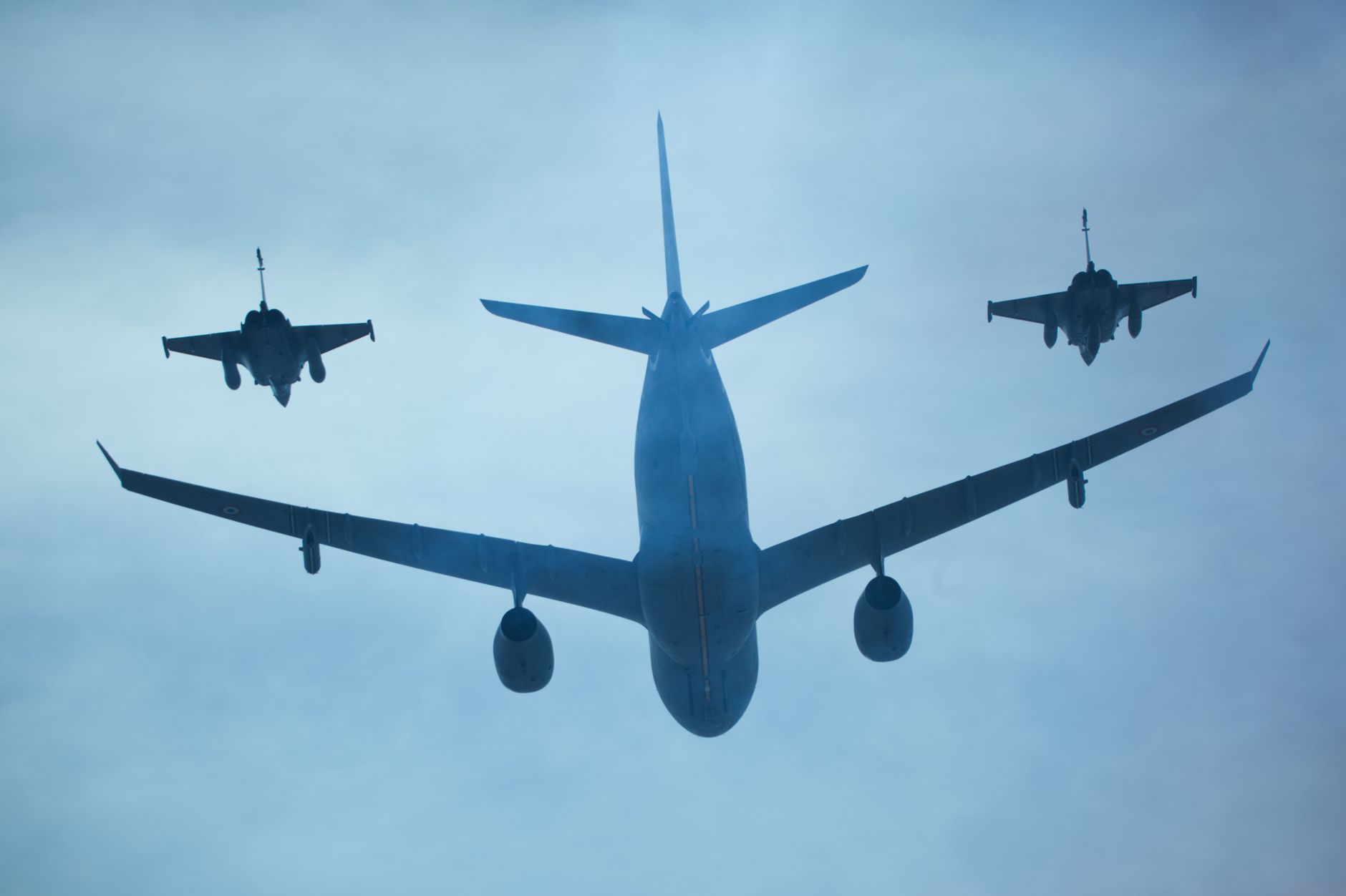
- The United States Navy's Fifth Fleet, based in Bahrain, already maintains a robust presence in the Persian Gulf, conducting regular patrols and exercises aimed at deterring aggression and ensuring maritime security in the broader region.
- Critics argue that a specific "escort" policy, beyond existing patrols, could be interpreted as an aggressive move by regional powers, potentially increasing the risk of miscalculation or direct confrontation rather than de-escalating tensions.
- The economic implications of any disruption in the Strait are profound, with even minor incidents capable of sending global oil prices soaring, impacting consumers and industries worldwide, underscoring the urgency of stable solutions.
The Policy History
The Strait of Hormuz, a narrow waterway connecting the Persian Gulf to the Arabian Sea, holds unparalleled strategic importance as the world's most vital oil transit choke point. Approximately 21 million barrels of oil per day, representing about 21% of global petroleum liquids consumption, pass through this strait. Its geographical configuration, with Iran bordering its northern coast and Oman to the south, makes it inherently susceptible to geopolitical tensions. Historically, the strait has been a flashpoint, particularly during the Iran-Iraq War in the 1980s, when both sides targeted shipping, leading to international naval interventions to protect commercial vessels. This history underscores the persistent vulnerability of global energy supplies tied to the region's stability.
Over decades, various international efforts and naval presences, primarily led by the United States and its allies, have aimed to ensure freedom of navigation through Hormuz. These operations typically involve surveillance, deterrence, and rapid response capabilities, rather than explicit "escort" services for all commercial traffic. The legal framework for transit passage through international straits, enshrined in the United Nations Convention on the Law of the Sea (UNCLOS), permits continuous and expeditious passage but also imposes duties on transiting vessels, including refraining from threats or use of force against coastal states. This delicate balance of rights and responsibilities often becomes a point of contention during periods of heightened regional antagonism.
Former President Trump's specific claim regarding escorting oil through Hormuz emerged during a period of escalating tensions between the U.S. and Iran, following incidents involving attacks on tankers and drone shoot-downs. The assertion was presented as a definitive solution to perceived Iranian threats against shipping. However, the practicalities and implications of such a policy quickly drew scrutiny. Experts highlighted that a blanket escort policy would require an immense naval commitment, potentially straining resources and increasing the likelihood of direct engagement. Moreover, it raised questions about the legal basis and the potential for misinterpretation by other nations, particularly Iran, which views any increased foreign military presence in its vicinity with deep suspicion.
Who Is Affected
The primary stakeholders affected by any instability or policy shifts in the Strait of Hormuz are global oil consumers and energy-dependent economies. A significant disruption, even a temporary one, could trigger a sharp spike in crude oil prices, leading to higher gasoline costs for motorists, increased operational expenses for industries, and inflationary pressures across the board. Nations heavily reliant on Middle Eastern oil, such as China, India, Japan, and South Korea, would face immediate and severe economic repercussions. Their supply chains, manufacturing sectors, and overall economic stability are intricately linked to the unimpeded flow of oil through this critical waterway, making them acutely vulnerable to any perceived or actual threat.
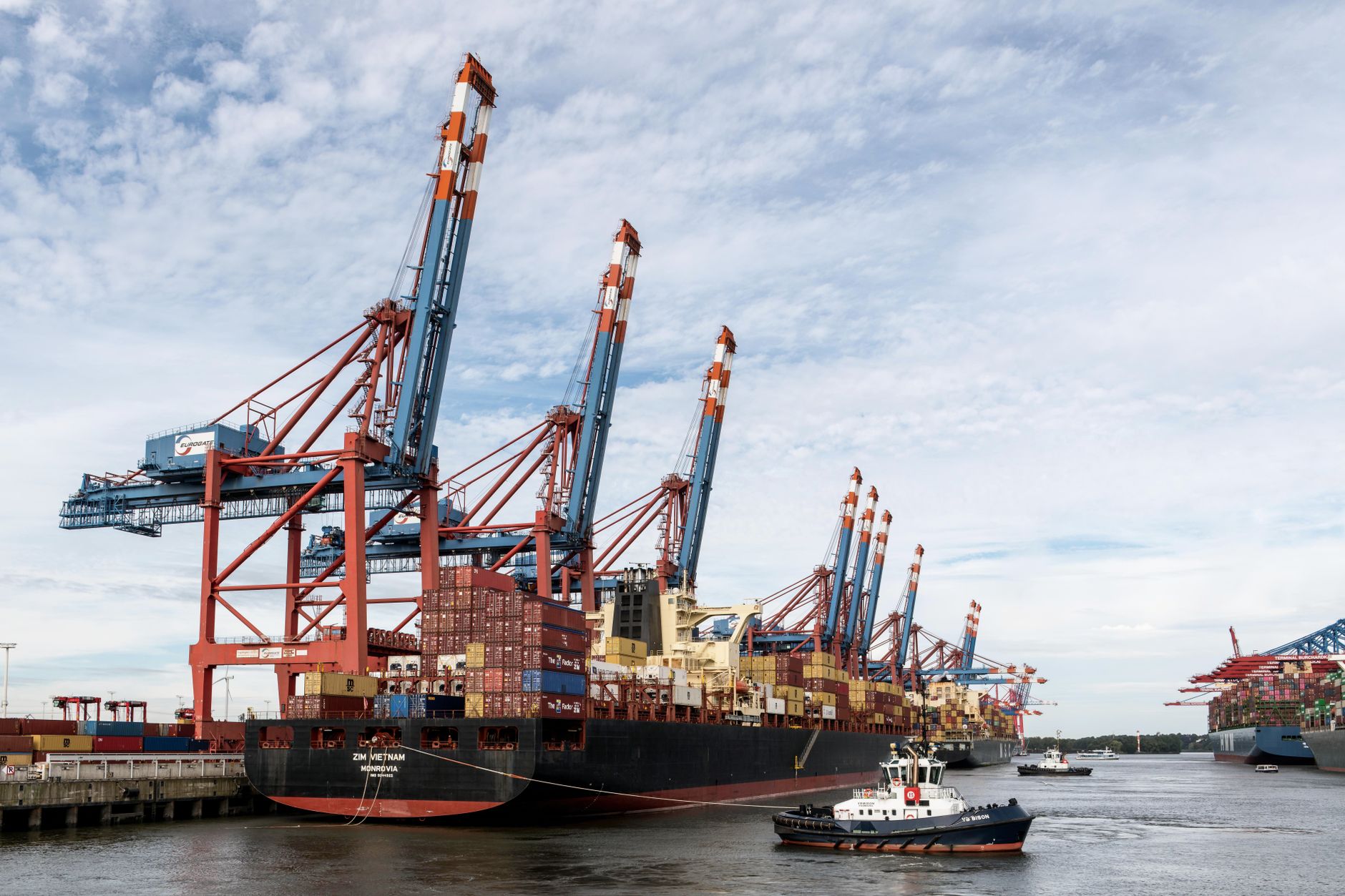
The international shipping industry, including tanker owners, operators, and insurers, also bears a substantial burden from heightened tensions. Increased security risks translate directly into higher insurance premiums, longer transit times due to precautionary measures, and potential rerouting costs, all of which ultimately get passed down to consumers. Crews operating in the region face elevated personal risks, and shipping companies must navigate complex geopolitical landscapes to ensure the safety of their vessels and personnel. The uncertainty generated by ambiguous policies or escalating rhetoric creates an environment of unpredictability that hampers long-term planning and investment in global maritime trade.
Regionally, the Gulf states, including Saudi Arabia, UAE, Kuwait, and Qatar, are profoundly affected. Their economies are overwhelmingly dependent on oil and gas exports, with the Strait of Hormuz serving as their primary gateway to international markets. Any threat to this passage directly imperils their national revenues, development plans, and overall stability. Furthermore, an aggressive escort policy or military buildup could exacerbate regional rivalries and increase the risk of armed conflict, drawing these nations into a broader confrontation. The delicate balance of power and alliances in the Middle East is highly sensitive to external military postures, making any unilateral action a potential catalyst for wider instability.
The Case For
Proponents of a more assertive U.S. presence, including the concept of escorting oil tankers through the Strait of Hormuz, often frame it as a necessary deterrent against hostile actors, particularly Iran. The argument posits that a clear, unambiguous commitment to protecting shipping lanes sends a strong message that any attempts to disrupt global energy flows will be met with decisive action. This proactive stance, they contend, could prevent potential aggressors from even contemplating attacks, thereby ensuring the stability of oil markets and safeguarding international commerce. From this perspective, a visible and robust military escort serves not just as protection but as a powerful psychological deterrent, reinforcing the principle of freedom of navigation.
The rationale often extends to fulfilling a perceived leadership role in maintaining global economic security. Given the Strait's critical importance to the world economy, some argue that the U.S., as a leading global power, has a responsibility to ensure its accessibility. This perspective suggests that without a strong, visible commitment, the international community might perceive a weakening of resolve, potentially emboldening adversaries. An escort policy, therefore, could be seen as a tangible demonstration of this commitment, reassuring allies and market participants that vital trade routes will remain open, irrespective of regional political volatility. It aims to project an image of unwavering support for the international rules-based order.
Furthermore, advocates might emphasize the immediate, tangible protection offered to individual vessels. In an environment where commercial ships have been targeted, direct military escorts could provide a layer of security that commercial vessels, often lightly armed or unarmed, cannot achieve on their own. This could reduce insurance costs for specific routes or vessels, mitigate the risk of crew casualties, and prevent damage to critical infrastructure. The argument here is less about broad deterrence and more about practical, real-time risk mitigation for ships transiting a high-threat area, ensuring that oil and other vital goods reach their destinations without incident.
The Case Against
Critics vehemently argue that a policy of unilaterally "escorting" oil through Hormuz is fraught with peril and fundamentally misunderstands the complexities of the region. Such an approach, they contend, risks direct military confrontation with Iran, transforming a tense standoff into an active conflict. Iran views any increased foreign military presence in the Gulf as a provocation and a violation of its sovereignty. A U.S. escort operation, especially if perceived as aggressive or without clear international consensus, could easily lead to miscalculation, accidental engagement, or intentional retaliation, spiraling into a wider regional war with devastating consequences for global energy markets and human lives.
Beyond the immediate risk of conflict, opponents highlight the immense logistical and resource challenges. Providing continuous, comprehensive escort services for the hundreds of tankers transiting the Strait daily would require an unprecedented naval deployment, stretching U.S. military assets thin and diverting resources from other critical global commitments. Moreover, such a policy could be seen as an infringement on the sovereignty of Oman, which shares control of the Strait, and could alienate other regional allies who prefer a more diplomatic and multilateral approach to security. The legal basis for a unilateral escort operation, especially without a clear and present danger to U.S. vessels or international calls for assistance, would also be highly questionable under international maritime law.
Furthermore, critics argue that a purely military solution fails to address the root causes of instability in the Persian Gulf, which are deeply embedded in geopolitical rivalries, economic sanctions, and regional power struggles. An escort policy, while potentially offering superficial reassurance, does not resolve the underlying tensions with Iran or foster a sustainable path to regional security. Instead, it could entrench a cycle of military posturing and counter-posturing, making diplomatic solutions even harder to achieve. True stability, they suggest, requires de-escalation, multilateral diplomacy, and addressing Iran's security concerns, rather than relying on a potentially provocative and unsustainable military show of force.

Policy Questions Answered
Implementation Watch
The practical implementation of any explicit "escort" policy for commercial oil tankers through the Strait of Hormuz faces formidable challenges, extending far beyond mere naval capacity. Firstly, defining the scope of such an operation—whether it applies to all tankers, only U.S.-flagged vessels, or those carrying specific cargo—would be a complex diplomatic and logistical undertaking. Each definition carries different implications for international law, resource allocation, and potential for conflict. Furthermore, securing the consent or at least the tacit acceptance of coastal states like Oman and Iran would be crucial to avoid immediate diplomatic crises or outright military opposition, which is highly unlikely given current geopolitical realities.
Monitoring the effectiveness and potential unintended consequences of such a policy would be equally complex. Beyond simply tracking successful transits, observers would need to assess its impact on regional stability, the frequency of incidents, and the broader geopolitical landscape. A key concern is the risk of "mission creep," where an initial limited escort role could expand under pressure, leading to deeper military entanglement in regional disputes. The policy's success would also be measured by its ability to genuinely de-escalate tensions and stabilize oil markets, rather than inadvertently provoking further aggression or creating new flashpoints that undermine global energy security.
Looking ahead, the long-term viability and wisdom of a unilateral escort policy remain highly questionable. Sustained military presence at this level is economically costly, militarily demanding, and politically unsustainable without broad international backing. Future developments will likely hinge on the evolving relationship between the U.S. and Iran, the broader dynamics of regional alliances, and the global demand for oil. Experts predict that without a robust diplomatic framework that addresses the root causes of instability, any purely military solution, including escort operations, will likely serve as a temporary band-aid, perpetually risking escalation rather than fostering genuine, lasting security in the world's most critical oil chokepoint.













Comments
No comments yet. Be the first to comment!