

Key Takeaways
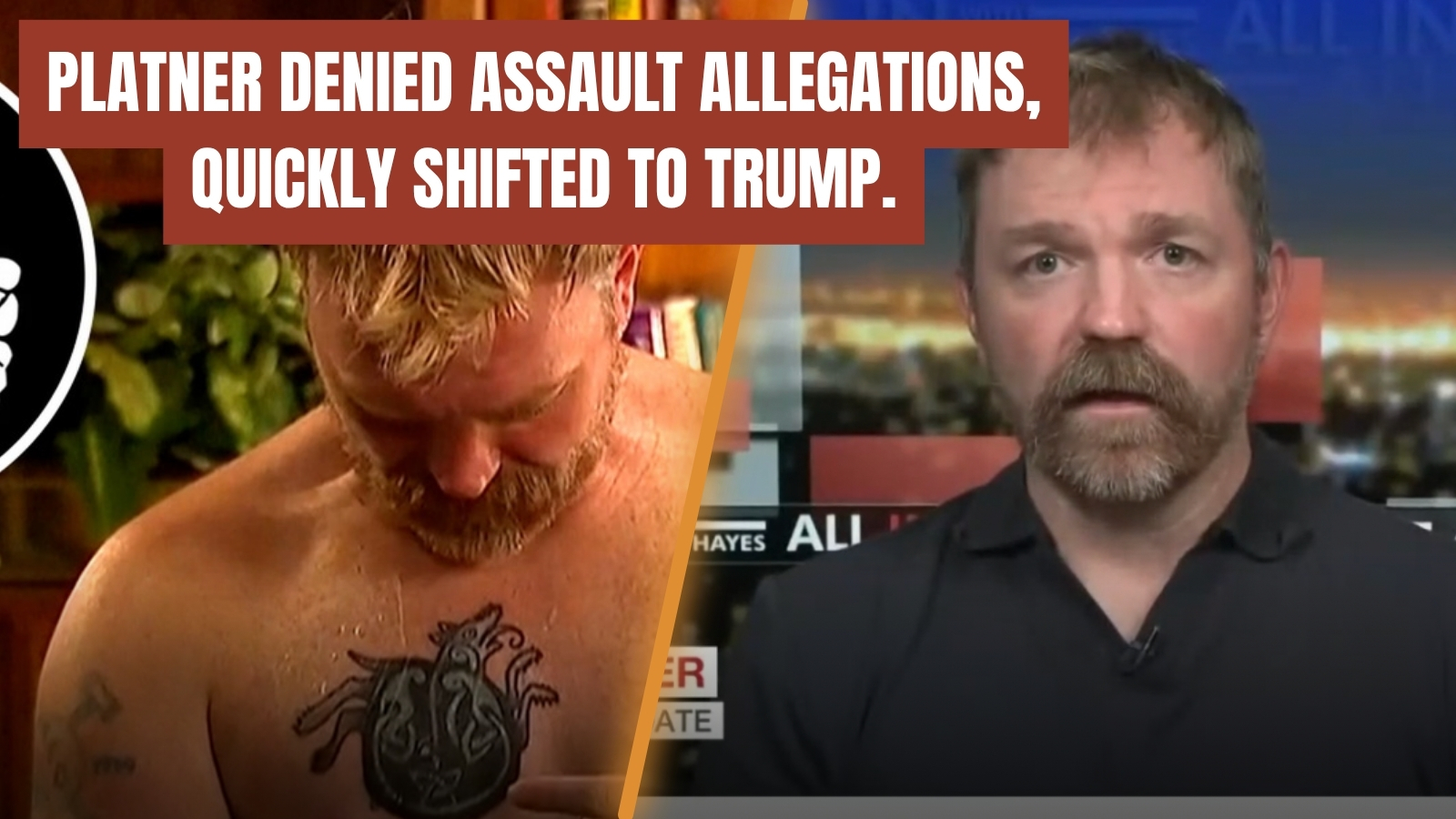
- Graham Platner has issued a direct response to significant allegations, aiming to clarify his position and refute claims that have cast a shadow over his public image and professional conduct.
- The response comes amid a notable lack of in-depth coverage or critical engagement from certain media outlets, particularly those with a perceived leftist leaning, raising questions about journalistic responsibility and potential bias.
- The situation underscores a critical juncture concerning accountability for public figures and the public's right to comprehensive, unbiased information, especially when serious accusations are involved.
- Platner's statement attempts to dismantle the core of the accusations, presenting his narrative and evidence to counter the damaging narratives that have begun to circulate, seeking to regain public trust.
- The muted reaction from some media segments suggests a potential reluctance to delve into sensitive topics involving prominent individuals, or perhaps a strategic decision to await further developments before committing to coverage.
- This event highlights the broader challenges in modern media consumption, where the speed of information dissemination often outpaces thorough verification and critical analysis, leaving the public to discern truth from speculation.
Background
Serious allegations have recently surfaced, directly implicating Graham Platner in activities that have sparked considerable public outcry and demands for transparency. These accusations, detailed across various platforms, touch upon sensitive matters that, if proven, could have profound implications for his career and reputation. The nature of these claims necessitates a thorough examination, moving beyond mere hearsay to a factual assessment of the evidence presented by both accusers and Platner himself. The gravity of the situation is amplified by the public profile of the individual involved, making the unfolding events a subject of intense scrutiny and debate among various stakeholders.
The emergence of these allegations has not occurred in a vacuum. They follow a period of intense public discourse surrounding ethical conduct and accountability for figures in positions of influence. Various sources have provided accounts and presented what they claim to be evidence, painting a picture that requires careful consideration. Understanding the context in which these claims have arisen is crucial for a balanced perspective. This includes examining the timelines, the individuals involved, and any potential motivations that might underlie the accusations or the defense, ensuring a comprehensive view of the situation.
Graham Platner, a figure known for his [mention area of influence or public role briefly, e.g., business acumen, political involvement, public advocacy], has consistently maintained a public persona that, until now, has largely been [mention previous perception, e.g., unblemished, focused on specific achievements]. The sudden emergence of these serious allegations presents a stark contrast to this established image, creating a narrative dissonance that the public is now grappling with. The response from Platner's camp has been swift, indicating a clear intention to address these claims head-on and mitigate any potential damage to his standing.
Why It Matters
The implications of these allegations extend far beyond the individual involved, touching upon fundamental principles of justice, accountability, and public trust. When serious accusations are made against a public figure, the manner in which they are addressed and resolved sets a precedent for how society handles similar situations. A failure to adequately investigate or a perceived lack of transparency can erode public confidence in institutions and individuals alike. Therefore, the response from Graham Platner and the subsequent media coverage are critical indicators of our commitment to upholding standards of integrity and ensuring that no one is above scrutiny.
Furthermore, the reaction, or lack thereof, from certain media outlets is a significant aspect of this story. The perceived silence or minimal engagement from platforms often expected to provide robust coverage raises concerns about journalistic integrity and potential biases. In an era where information is rapidly disseminated, the role of the media in providing accurate, balanced, and critical reporting is paramount. Any deviation from this standard, whether due to political alignment or other pressures, can lead to a misinformed public and hinder the pursuit of truth, making this situation a crucial case study in contemporary media dynamics.
This situation directly impacts the public's perception of accountability for those in the public eye. If serious allegations are met with a muted response or appear to be swept under the rug, it sends a dangerous message that influence can shield individuals from necessary examination. Conversely, a transparent and thorough process, regardless of the outcome, reinforces the idea that accountability is valued. The public's right to know and to have confidence in the figures who shape public discourse and policy is at stake, making this a matter of considerable public interest and importance.
Ground Reality
The immediate reality on the ground is one of heightened public awareness and a palpable sense of anticipation regarding further developments. Social media platforms and online forums are abuzz with discussions, speculation, and the sharing of information, both verified and unverified. This digital landscape has become a primary arena where the narrative is being shaped, often outpacing traditional media's ability to provide context or fact-checking. The public is actively seeking clarity, dissecting statements, and forming opinions based on the fragmented information available, creating a dynamic and often volatile environment.
In the realm of traditional media, the response appears fragmented. While some outlets may be pursuing the story with diligence, others, particularly those with a perceived ideological leaning, seem to be adopting a more cautious or even dismissive approach. This disparity in coverage creates an uneven playing field for information, potentially leaving segments of the audience unaware of the full scope of the allegations or Platner's response. The contrast between active discussion online and the muted tones in certain media circles highlights a significant disconnect in how the public is being informed.
Graham Platner's direct response, released through [mention channel, e.g., a press statement, a video address], aims to directly counter the narrative that has been building. The content of this response is crucial; it seeks to provide an alternative perspective, address specific points of contention, and potentially offer evidence to support his claims. The effectiveness of this response in shifting public perception or influencing media coverage will be a key factor in how this situation evolves in the coming days and weeks.
What Experts Are Saying
Legal analysts are closely examining the nature of the allegations and the potential legal ramifications for Graham Platner. Discussions often center on the burden of proof, the definitions of the alleged offenses, and the standard of evidence required to establish guilt or innocence. Experts are weighing in on whether the claims, as presented, are likely to hold up under legal scrutiny or if they represent a case of public accusation without sufficient substantiation. The commentary often highlights the complexities of navigating public opinion versus legal proceedings, emphasizing that public perception does not equate to legal culpability.
Media ethicists and journalism professors are voicing concerns about the selective coverage or apparent lack of engagement from certain news organizations. They point to the importance of objective reporting, especially when dealing with accusations against prominent figures, and question the potential influence of political leanings on editorial decisions. The discourse often revolves around the media's role as a watchdog and the public's right to receive comprehensive, unbiased information, regardless of the subject's popularity or affiliations. This perspective underscores the critical function of a free and responsible press in a democratic society.
Public relations and crisis communication specialists are dissecting Graham Platner's response strategy. They analyze the timing, tone, and content of his statement, evaluating its potential effectiveness in managing reputational damage. Experts are discussing the nuances of crisis communication, including the importance of transparency, consistency, and addressing the core issues directly. The commentary often focuses on whether Platner's approach is likely to reassure stakeholders, mitigate negative sentiment, and rebuild trust, or if it may inadvertently exacerbate the situation by appearing defensive or incomplete.
Frequently Asked Questions
What Happens Next
The immediate future will likely involve a period of intense observation as various parties react to Graham Platner's statement and the ongoing media landscape. Further statements or evidence may be released by accusers or Platner's team, potentially shifting the narrative once again. It will be crucial to monitor whether traditional media outlets begin to engage more deeply with the story, especially if new information or verifiable evidence comes to light. The public's reaction and the discourse on social media will also continue to shape perceptions, creating pressure for definitive answers.
Legal processes, if initiated or if the allegations warrant them, could unfold behind the scenes, potentially leading to formal investigations or proceedings. This could add a layer of official scrutiny that may eventually bring more clarity, although such processes can be lengthy and complex. The interplay between public opinion, media coverage, and potential legal actions will define the trajectory of this situation. Stakeholders and the public will be looking for transparency and a clear resolution, whether that involves vindication, accountability, or further unanswered questions.
Ultimately, the long-term impact will depend on the veracity of the allegations and the effectiveness of the responses from all involved. Whether this leads to a significant re-evaluation of Graham Platner's public standing or serves as a catalyst for broader discussions on accountability and media responsibility remains to be seen. Continued vigilance and a demand for factual reporting will be essential for navigating the complexities of this developing story and ensuring that truth and integrity prevail.

















Comments
No comments yet. Be the first to comment!