
Key Takeaways
- A potential Iran conflict poses an unprecedented threat, risking a global economic shock comparable to, or even exceeding, the disruption caused by the COVID-19 pandemic.
- Escalating tensions could trigger a dramatic surge in global oil prices, potentially pushing crude well over $100 per barrel and creating immense inflationary pressures worldwide.
- The ripple effect of higher energy costs will intensify existing inflationary pressures across all sectors, eroding purchasing power and increasing the cost of living for millions.
- Developing nations, particularly those heavily reliant on oil imports and already burdened by debt, stand as the most vulnerable, facing potential balance of payments crises and widespread instability.
- The World Bank has issued a stark warning, emphasizing the dire and far-reaching consequences for global GDP growth, trade, and poverty reduction if a conflict erupts.
- Immediate and concerted diplomatic efforts are critically required to de-escalate regional tensions and avert a catastrophic economic downturn that could impact every corner of the globe.
Background
The ongoing geopolitical tensions in the Middle East have escalated, particularly involving Iran. This region is a critical hub for global energy supplies, making any conflict here a significant threat to economic stability. The World Bank has recently issued a stark warning regarding the potential economic fallout, drawing parallels to the unprecedented disruptions experienced during the COVID-19 pandemic. This warning underscores the interconnectedness of global markets and the fragility of supply chains, especially concerning vital commodities like oil.
Historical precedents show that regional conflicts in major oil-producing areas invariably lead to spikes in energy prices, which then ripple through the global economy. The current situation is particularly concerning due to existing high inflation rates in many countries and the lingering effects of the pandemic on economic recovery. The World Bank's analysis suggests that a full-scale conflict involving Iran would not merely be a regional crisis but a global economic catastrophe, impacting everything from consumer prices to international trade and investment flows.
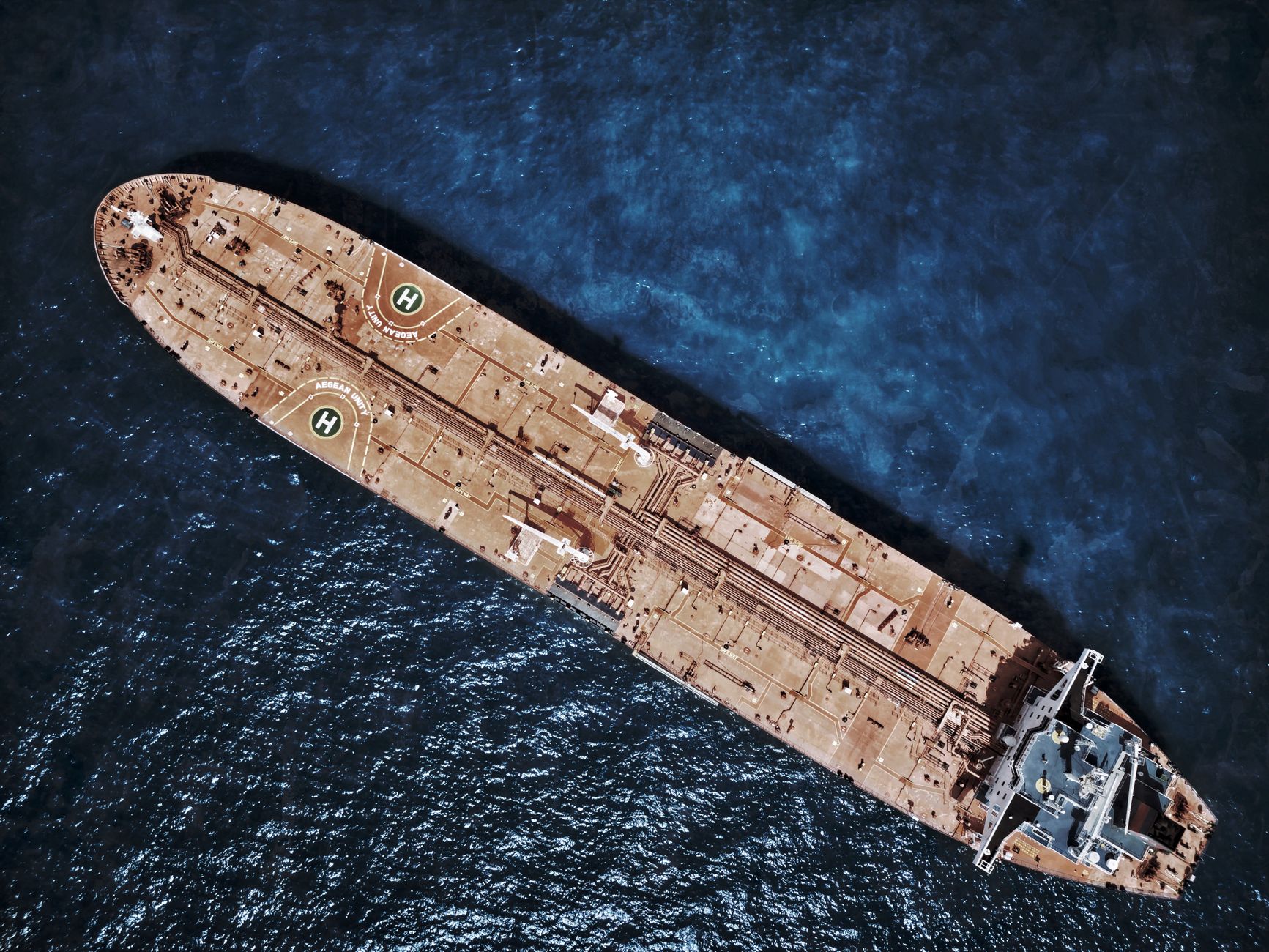
The strategic importance of the Strait of Hormuz, through which a substantial portion of the world's seaborne oil passes, cannot be overstated. Any disruption to this vital chokepoint, whether through direct military action or heightened security risks, would immediately send shockwaves through global energy markets. This vulnerability highlights why the prospect of conflict in this specific region carries such profound implications for global economic stability, far beyond its immediate geographical boundaries.
Why It Matters
A potential war involving Iran carries immense global economic implications. The Strait of Hormuz, a narrow waterway through which a significant portion of the world's oil passes, could be disrupted. This would immediately send oil prices skyrocketing, impacting transportation costs, manufacturing, and ultimately, consumer prices worldwide. Such a scenario would exacerbate existing inflationary pressures, potentially pushing many economies into recession and undoing years of development progress, especially in import-dependent nations.
Beyond oil, the broader geopolitical instability would deter foreign investment, disrupt trade routes, and create an environment of uncertainty that stifles economic growth. Companies would face increased operational costs and supply chain vulnerabilities, leading to reduced production and job losses. The humanitarian cost would also be immense, with widespread displacement and a severe impact on regional stability, further complicating any future economic recovery efforts. This isn't just about oil; it's about the entire global economic fabric.
The interconnectedness of modern financial systems means that a major economic shock originating from an Iran conflict would not be contained to energy markets. Stock markets globally would likely experience significant downturns as investor confidence plummets, leading to capital flight from emerging markets and a scramble for safe-haven assets. This financial contagion could trigger a credit crunch, making it harder for businesses to access funding and further depressing economic activity, creating a vicious cycle of decline.
Ground Reality
Currently, the region remains tense, with various actors engaged in proxy conflicts and heightened military posturing. While a full-scale war has not yet erupted, the risk remains substantial. International efforts to de-escalate tensions have yielded limited success, and the rhetoric from key players continues to be confrontational. The economic indicators are already showing signs of nervousness, with fluctuating oil prices and cautious investor sentiment reflecting the underlying anxieties about potential escalation. Businesses with operations or supply chains linked to the Middle East are actively contingency planning.
On the ground, communities in and around potential conflict zones face immediate threats to their safety and livelihoods. The prospect of war disrupts daily life, commerce, and essential services. Food security, access to healthcare, and educational opportunities are all at risk. The humanitarian agencies are preparing for potential mass displacement and increased need for aid, highlighting the devastating human cost that often precedes and accompanies large-scale conflicts. This immediate human impact often goes hand-in-hand with broader economic destabilization, creating a vicious cycle of hardship.
The geopolitical landscape is further complicated by the involvement of global powers, each with their own strategic interests in the region. This intricate web of alliances and rivalries makes any resolution incredibly delicate and prone to miscalculation. The recent history of regional incidents, including attacks on shipping and infrastructure, serves as a stark reminder of the volatile environment and the constant threat of escalation, underscoring the precarious balance of peace.
What Experts Are Saying
Economists at the World Bank emphasize that the global economy, still recovering from the pandemic, is ill-equipped to absorb another major shock. They point to the existing debt burdens in many developing nations as a critical vulnerability, suggesting that a significant increase in energy prices could trigger a cascade of sovereign defaults. Their models predict a severe contraction in global GDP growth, potentially wiping out several percentage points from forecasts and pushing millions back into poverty. The interconnectedness of modern financial markets means that a crisis in one sector or region can rapidly spread, amplifying the initial shock.
Geopolitical analysts echo these concerns, highlighting the complex web of alliances and rivalries in the Middle East. They warn that any direct military engagement involving Iran could quickly draw in other regional and international powers, transforming a localized conflict into a broader regional conflagration. Such an expansion would not only intensify the economic impact but also carry significant risks of further humanitarian crises and long-term instability. The strategic importance of the region, coupled with the proliferation of advanced weaponry, makes this a particularly volatile scenario with unpredictable outcomes.
Energy market specialists further elaborate on the specific vulnerabilities. They note that while some countries have strategic petroleum reserves, their capacity to fully offset a prolonged disruption in the Strait of Hormuz is limited. Moreover, the psychological impact on markets, driven by fear and uncertainty, could push prices far beyond what supply-demand fundamentals alone would dictate. This 'risk premium' would further burden consumers and businesses, creating an environment of profound economic anxiety.
Frequently Asked Questions
What Happens Next
The immediate future hinges on diplomatic efforts to de-escalate tensions in the Middle East. International bodies and key global powers are likely to intensify their engagement, seeking pathways to prevent a full-blown conflict. However, the entrenched positions of various actors make a swift resolution challenging. The global economy will remain on high alert, with financial markets reacting sensitively to every development, particularly concerning oil prices and shipping routes.
Should tensions continue to escalate, we can anticipate further volatility in commodity markets, increased pressure on central banks to manage inflation, and a potential shift in global investment patterns away from riskier assets. Governments worldwide will need to prepare contingency plans for energy security and economic stability, particularly those in import-dependent nations. The long-term implications of such a conflict would fundamentally reshape global trade, energy policy, and geopolitical alliances, ushering in a new era of uncertainty and requiring adaptive strategies from nations and businesses alike.
In the absence of a swift de-escalation, businesses must proactively assess their supply chain vulnerabilities and diversify their energy procurement strategies. Consumers, too, should brace for potential increases in living costs and economic instability. The international community faces a critical juncture, where collective action and robust diplomatic engagement are paramount to prevent a crisis that could have profound and lasting negative impacts on global prosperity and stability for years to come.







Comments
No comments yet. Be the first to comment!