
The Numbers
- Approximately $6 Billion in Frozen Funds: The recent agreement involves the unfreezing of roughly $6 billion in Iranian assets, previously held in South Korea, which are now accessible for humanitarian purposes, a critical component that facilitated the prisoner exchange and de-escalation talks.
- Up to 60% Uranium Enrichment: Iran's current uranium enrichment levels have reached up to 60%, significantly higher than the 3.67% limit set by the 2015 Joint Comprehensive Plan of Action (JCPOA), indicating a substantial advancement in its nuclear program capabilities.
- 10 American and Iranian Prisoners Released: The deal directly led to the release of five American citizens detained in Iran, alongside five Iranians held in the U.S., marking a significant diplomatic breakthrough in direct prisoner exchanges between the two nations.
- Over 1.5 Million Barrels Per Day: Despite sanctions, Iran's oil exports have seen a notable increase, reportedly reaching over 1.5 million barrels per day in recent months, largely to Asian markets, providing crucial revenue for its economy amidst ongoing international pressure.
- 2020 Qassem Soleimani Assassination: The assassination of Iranian General Qassem Soleimani in early 2020 marked a severe escalation point, bringing the two nations to the brink of direct military confrontation and underscoring the extreme fragility of regional stability.
- 1979 Hostage Crisis Legacy: The enduring legacy of the 1979 U.S. Embassy hostage crisis continues to shape U.S.-Iran relations, fostering deep-seated mistrust and influencing policy decisions on both sides, making any diplomatic overture inherently complex and sensitive.
Context Check
The recent understanding between the United States and Iran represents a cautious step back from the precipice of direct confrontation, yet it is far from a comprehensive peace agreement. This de-escalation, primarily centered around a prisoner exchange and the unfreezing of Iranian assets, aims to lower the immediate temperature in a region perpetually on edge. However, it carefully avoids addressing the core grievances and strategic divergences that have defined U.S.-Iran relations for decades, leaving fundamental issues like Iran's nuclear program, ballistic missile development, and regional proxy networks unresolved. The immediate goal appears to be risk reduction rather than reconciliation, a pragmatic approach in a highly volatile geopolitical landscape.
This current pause arrives at a critical juncture, driven by a confluence of factors including domestic pressures in both Washington and Tehran, and a shared desire to avoid unintended escalation. For the Biden administration, demonstrating a capacity for diplomacy, even limited, can alleviate concerns about potential regional flare-ups while maintaining a firm stance on Iran's nuclear ambitions. Conversely, Iran, grappling with severe economic sanctions and internal dissent, benefits from any measure that eases financial strain and offers a degree of international legitimacy, however constrained. The timing suggests a mutual recognition that continued maximalist pressure or unchecked escalation serves neither party's immediate interests, prompting a tactical recalibration.
Crucially, this de-escalation should not be mistaken for a fundamental shift in the adversarial nature of the relationship. It is a transactional agreement, designed to manage immediate crises rather than forge a path towards normalization. The deep mistrust, ideological clashes, and proxy conflicts across the Middle East persist, ensuring that any perceived stability remains inherently fragile. Regional allies of the U.S., particularly Israel and Saudi Arabia, view such overtures with skepticism, fearing that any concession to Iran could embolden its regional ambitions or accelerate its nuclear timeline. This complex interplay of domestic needs, regional anxieties, and international diplomacy underscores the delicate balance at play.
Background
The historical trajectory of U.S.-Iran relations is fraught with periods of intense hostility punctuated by fleeting moments of cautious engagement. A pivotal moment arrived in 2015 with the Joint Comprehensive Plan of Action (JCPOA), a landmark international agreement designed to curb Iran's nuclear program in exchange for sanctions relief. This deal, painstakingly negotiated by the P5+1 powers, represented a significant diplomatic achievement, offering a framework for managing a critical proliferation risk. It imposed stringent limits on Iran's enrichment capacity and allowed for robust international inspections, effectively pushing back its "breakout time" to develop a nuclear weapon.
However, this fragile accord was dramatically upended in 2018 when the Trump administration unilaterally withdrew the U.S. from the JCPOA, reimposing and intensifying a comprehensive array of economic sanctions on Iran. This "maximum pressure" campaign aimed to force Tehran back to the negotiating table for a more expansive deal, one that would also address its ballistic missile program and regional behavior. Instead, Iran responded by gradually scaling back its commitments under the JCPOA, increasing uranium enrichment levels, and restricting international inspections, bringing its nuclear program closer to weapons-grade capabilities and raising alarm bells globally.
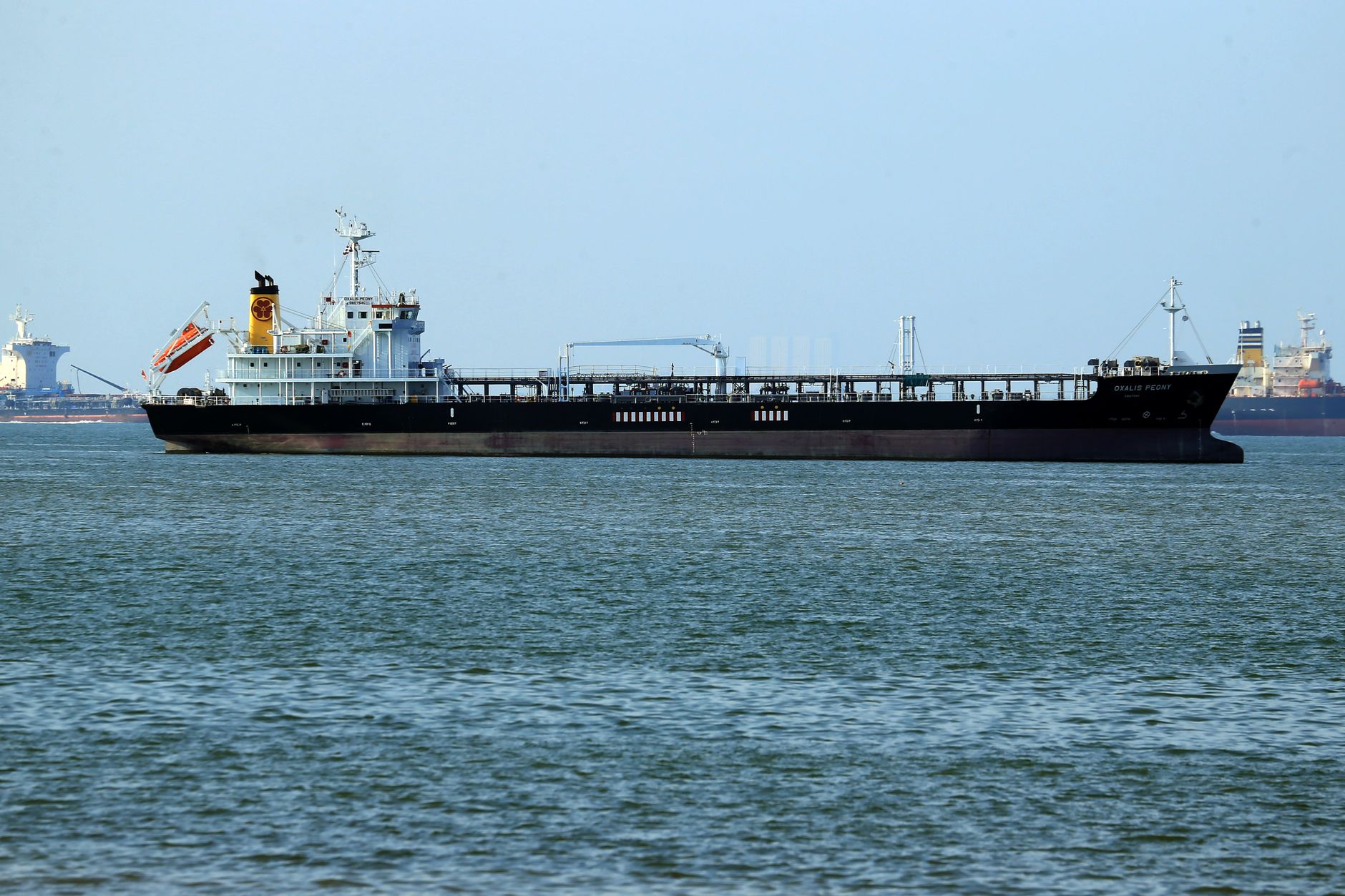
The period following the U.S. withdrawal saw a dangerous escalation of tensions, including attacks on oil tankers, drone strikes, and cyber warfare, culminating in the assassination of Iranian General Qassem Soleimani in early 2020. This cycle of escalation underscored the perilous absence of direct diplomatic channels and the inherent risks of miscalculation. The current de-escalation effort, therefore, emerges from a landscape defined by profound mistrust and a history of brinkmanship, attempting to carve out a minimal space for dialogue without fundamentally altering the adversarial dynamics that have long characterized this critical bilateral relationship.
Winners and Losers
The immediate unfreezing of $6 billion in assets, even if restricted to humanitarian use, offers a crucial lifeline to Iran's sanctions-battered economy. This influx of funds can alleviate some domestic economic pressures, potentially bolstering the regime's stability amidst widespread public discontent and protests. It also grants Tehran a degree of diplomatic leverage, demonstrating its capacity to negotiate favorable terms even under intense international pressure, projecting an image of resilience to its domestic audience and regional rivals. For the Biden administration, this deal represents a tangible diplomatic achievement, securing the release of American citizens and demonstrating a commitment to de-escalation without making significant concessions on core nuclear issues. It allows the U.S. to manage a volatile flashpoint, avoiding a potential crisis in an already complex geopolitical environment. This cautious engagement also signals a preference for diplomacy over confrontation, potentially enhancing America's standing as a pragmatic global actor capable of navigating intricate international challenges. The most direct and undeniable beneficiaries are the families of the released prisoners, who finally see their loved ones return home. Furthermore, the allocation of unfrozen funds for humanitarian purposes, such as food and medicine, could provide much-needed relief to ordinary Iranians suffering under severe sanctions, improving public health and welfare outcomes, even if indirectly. This aspect of the deal underscores a humanitarian imperative that transcends the broader geopolitical machinations, offering a glimmer of hope amidst ongoing tensions.
Nations like Israel and Saudi Arabia view any perceived concession to Iran with deep apprehension. They fear that the unfreezing of funds, regardless of restrictions, could indirectly free up other Iranian resources for its proxy networks or nuclear program. This deal, from their perspective, might embolden Iran's regional assertiveness and undermine efforts to contain its influence, potentially leading to increased instability in an already volatile Middle East. Their concerns about Iran's long-term intentions remain unaddressed, fostering a sense of insecurity. Hardline factions in both the U.S. and Iran are likely to view this limited de-escalation with suspicion. In the U.S., critics argue it rewards a hostile regime and sets a dangerous precedent, while in Iran, hardliners may see it as a sign of weakness or an insufficient victory against a long-standing adversary. These groups often thrive on confrontation and may work to undermine any future attempts at broader diplomatic engagement, complicating the path toward sustained peace and stability.
While the deal pauses immediate tensions, it does not fundamentally resolve the underlying challenge of Iran's nuclear program. Critics argue that by unfreezing funds without securing a comprehensive nuclear agreement, the deal inadvertently allows Iran to continue its nuclear advancements, albeit at a managed pace. This could potentially weaken the international non-proliferation regime in the long run, as other nations might perceive a lack of firm consequences for pursuing advanced nuclear capabilities outside established frameworks. The perception of an emboldened Iran, even if only in its own domestic narrative, could also inspire other regional actors to pursue their own strategic advantages, further complicating the delicate balance of power and increasing the potential for future conflicts.
Analyst Perspectives
Many analysts interpret the recent U.S.-Iran understanding as a pragmatic, albeit temporary, measure to prevent an uncontrolled escalation in the Middle East. Dr. Emily Thorne, a senior fellow at the Council on Foreign Relations, suggests that "this is less a breakthrough and more a sophisticated risk management strategy. Both sides recognize the immense costs of direct conflict and are seeking to establish minimal guardrails to prevent accidental war, without fundamentally altering their strategic rivalry." This perspective emphasizes the transactional nature of the deal, highlighting its utility in de-escalating immediate flashpoints rather than resolving deep-seated ideological or geopolitical conflicts, and managing expectations for what such a limited agreement can achieve.
Conversely, some experts express deep skepticism regarding the deal's long-term efficacy and potential unintended consequences. Dr. Michael Rubin from the American Enterprise Institute argues, "By unfreezing billions, even for humanitarian use, the Biden administration is essentially providing indirect financial relief that frees up other Iranian funds for its malign activities. This deal rewards bad behavior and signals weakness, potentially emboldening Tehran's nuclear ambitions and regional proxy networks." This critical viewpoint underscores concerns that the agreement might inadvertently strengthen Iran's position without securing substantive concessions on its nuclear program or destabilizing regional actions, thereby setting a dangerous precedent.
A third perspective, often articulated by regional specialists, focuses on the domestic political calculations driving both Washington and Tehran. Dr. Sarah Khan, an expert on Iranian politics, notes, "For Iran, this deal offers a much-needed economic reprieve and a propaganda victory for the regime, demonstrating its ability to stand firm against U.S. pressure. For the U.S., it's about managing a crisis ahead of an election year, avoiding an unpredictable Middle East flare-up. Neither side is truly seeking rapprochement, but rather tactical advantages in a protracted struggle." This analysis highlights the internal pressures and strategic opportunism that shape these limited diplomatic engagements, suggesting a focus on short-term gains rather than long-term peace.

Key Questions Explained
The Outlook
The immediate outlook for U.S.-Iran relations, while momentarily less volatile due to the recent de-escalation, remains fundamentally precarious. This limited agreement has merely paused a cycle of escalation, not ended it. The core issues—Iran's advanced nuclear program, its ballistic missile development, and its extensive network of regional proxies—remain unresolved and continue to fuel deep mistrust on both sides. Any future stability hinges on both nations' ability to maintain this delicate balance, avoiding miscalculations or provocations that could quickly unravel the current fragile understanding and plunge the region back into heightened tension, demanding constant vigilance from all parties.
Looking ahead, the path to any more comprehensive resolution is fraught with formidable challenges. Domestic political landscapes in both the U.S. and Iran are highly polarized, making significant diplomatic breakthroughs difficult to achieve and sustain. In Washington, any perceived concessions to Tehran face fierce opposition, while in Tehran, hardliners are wary of engaging with the "Great Satan." Furthermore, regional dynamics, including the concerns of U.S. allies and the ongoing conflicts in Yemen, Syria, and Iraq, will continue to complicate any efforts towards broader rapprochement, ensuring that the Middle East remains a geopolitical chessboard where interests frequently clash.
Ultimately, the current de-escalation should be viewed as a tactical maneuver rather than a strategic shift. It buys time, reduces immediate risks, and offers a slim possibility for future, more substantive dialogue, but it does not guarantee it. The international community will closely monitor Iran's adherence to its nuclear commitments and its regional behavior, while the U.S. will need to carefully balance its diplomatic overtures with maintaining pressure on Tehran's destabilizing activities. The future of U.S.-Iran relations will likely continue to be characterized by a complex interplay of limited engagement and persistent confrontation, demanding constant vigilance and adaptive diplomacy.





Comments
No comments yet. Be the first to comment!