

Policy Snapshot
- The European Union is currently conducting multiple anti-subsidy investigations into Chinese electric vehicles, solar panels, and wind turbines, signaling a potential shift towards protective trade measures.
- G7 leaders have voiced collective apprehension regarding China's industrial overcapacity, urging Beijing to address the structural issues driving the export surge and its destabilizing global impact.
- Discussions within the G7 and EU are exploring a range of policy tools, including targeted tariffs, import quotas, and stricter enforcement of trade defense instruments, to counteract perceived unfair competition.
- Member states are under pressure to develop cohesive strategies that balance the imperative of protecting domestic industries with the broader goals of maintaining open markets and fostering climate cooperation.
- The United States has already implemented significant tariffs on Chinese imports, including EVs, setting a precedent that European policymakers are closely observing as they formulate their own responses.
- International economic bodies, including the IMF and WTO, are closely monitoring the escalating trade tensions, advocating for dialogue and multilateral solutions to prevent a full-blown trade war.
The Policy History
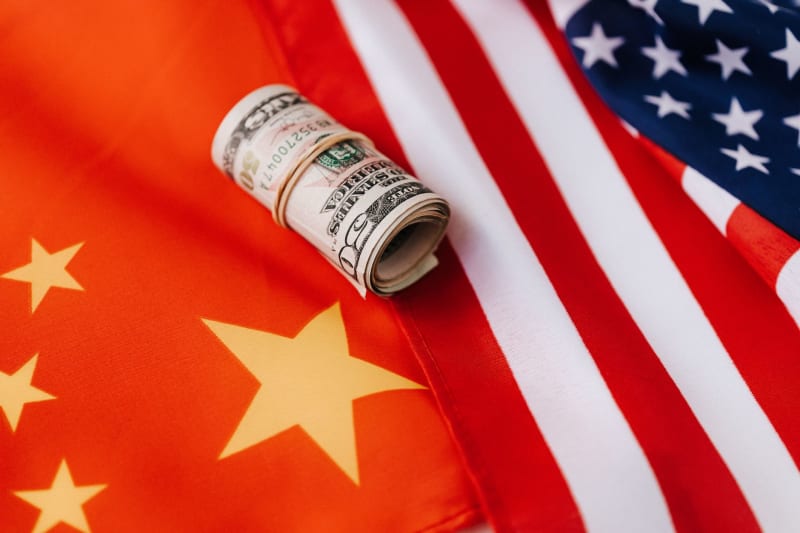
The global economy is witnessing a phenomenon dubbed "China Shock 2.0," a powerful echo of the early 2000s when China's entry into the WTO flooded global markets with inexpensive manufactured goods, fundamentally reshaping industrial landscapes in the West. This initial shock led to significant job displacement in traditional manufacturing sectors, particularly in the United States and parts of Europe, as domestic production struggled to compete with lower-cost Chinese alternatives. The current iteration, however, is distinct, focusing less on basic consumer goods and more on high-value, strategically critical sectors like electric vehicles, renewable energy technologies, and advanced machinery.
This new wave of Chinese exports is driven by massive state subsidies and an aggressive industrial policy aimed at dominating future growth industries. China's domestic market, while vast, cannot absorb the immense output from its burgeoning factories, leading to a deliberate strategy of exporting surplus capacity. This overcapacity, particularly evident in sectors like solar panels and electric vehicle batteries, allows Chinese firms to offer products at prices that Western competitors, operating under different regulatory and cost structures, simply cannot match without incurring significant losses. The sheer scale and speed of this export surge are unprecedented, creating a formidable challenge for established industries in Europe.
The implications for Europe are particularly acute. While the initial "China Shock" primarily impacted lower-skill manufacturing, "China Shock 2.0" threatens the very heart of Europe's industrial prowess, including its world-renowned automotive sector and its nascent green technology industries. European leaders, including those at the G7 summit, are now grappling with the urgent need to protect domestic innovation and employment without triggering a destructive trade war. The debate centers on how to respond to what many perceive as state-backed dumping, balancing the desire for affordable green transition technologies with the critical need to preserve Europe's industrial base and strategic autonomy.
Who Is Affected
European industries stand at the forefront of vulnerability, with the automotive sector facing an existential threat from the influx of competitively priced Chinese electric vehicles. For decades, European car manufacturers have been global leaders, but their market share and profitability are now under severe pressure. Beyond automobiles, the renewable energy sector, including solar panel and wind turbine manufacturers, is also experiencing intense competition. Many European companies, despite significant investments in innovation and sustainability, find it increasingly difficult to compete against Chinese rivals benefiting from vast state subsidies and economies of scale, risking widespread closures and a loss of technological leadership.
The ripple effects extend directly to European workers, whose livelihoods are increasingly at risk. Industries facing intense Chinese competition often resort to cost-cutting measures, including layoffs and factory closures, to remain viable. This potential for widespread job displacement, particularly in manufacturing heartlands, could trigger significant social and economic instability across the continent. Governments are therefore under immense pressure to safeguard employment and mitigate the human cost of this economic shift, recognizing that a failure to act could lead to profound societal disruption and political unrest among affected communities.
While consumers might initially benefit from lower prices on Chinese imports, especially for electric vehicles and green technologies, the long-term consequences could be detrimental. The erosion of domestic industrial capacity could lead to a dangerous over-reliance on a single foreign supplier, potentially compromising supply chain resilience and national security. Furthermore, the loss of high-value manufacturing jobs could depress wages and reduce overall economic prosperity in Europe, ultimately diminishing consumer purchasing power and stifling future innovation. The challenge for European governments is to balance immediate consumer benefits with the imperative of preserving a robust and diversified industrial base for future generations.
The Case For
Proponents of open trade argue that the surge in Chinese exports, even if subsidized, can accelerate the global transition to green technologies. Cheaper electric vehicles, solar panels, and wind turbines make these essential technologies more accessible and affordable for consumers and businesses worldwide, potentially speeding up decarbonization efforts. This perspective suggests that competition, regardless of its origin, ultimately drives innovation and efficiency across the market, pushing all manufacturers to improve their products and processes, benefiting consumers with better quality and lower prices.
From a consumer standpoint, the availability of lower-cost Chinese goods presents tangible benefits. Families and businesses can acquire advanced technologies, such as electric vehicles, at more accessible price points, making sustainable choices more feasible. This increased affordability can stimulate demand, contribute to broader market adoption of green solutions, and potentially alleviate inflationary pressures by offering more competitive alternatives across various product categories. The immediate economic relief for households and businesses cannot be overlooked in this complex equation.
Furthermore, some economists contend that protectionist measures, such as tariffs, can be counterproductive, leading to higher prices for consumers, reduced choice, and potential retaliatory tariffs from China, which could harm European exporters. They advocate for engaging China through dialogue and multilateral frameworks to address trade imbalances, rather than resorting to measures that could fragment global supply chains and undermine the principles of free trade. A balanced approach, focusing on market access and fair competition rules, is often preferred over unilateral protectionism, which risks escalating into a damaging trade war.
The Case Against
Critics vehemently argue that China's export surge is not a result of fair market competition but rather stems from massive, often opaque, state subsidies and other non-market interventions that distort global trade. These practices allow Chinese companies to produce goods at artificially low costs, effectively dumping them onto international markets. This systematic advantage makes it nearly impossible for unsubsidized European firms to compete on price, leading to an unfair playing field that threatens to dismantle established industries and stifle innovation within the EU, undermining the very principles of a free and fair global economy.
The most significant concern is the potential for widespread industrial hollowing out and job losses across Europe. If key sectors like automotive, solar, and wind energy cannot compete, factories will close, and millions of jobs will be jeopardized. This not only impacts the immediate economic well-being of workers and their communities but also erodes Europe's long-term industrial capacity and technological sovereignty. Becoming overly reliant on Chinese imports for critical technologies, especially those vital for the green transition, poses significant strategic risks, including vulnerability to supply chain disruptions and geopolitical leverage.
Beyond economic concerns, there are significant national security implications. Allowing crucial industries to collapse under the weight of subsidized foreign competition could weaken Europe's strategic autonomy and its ability to control its own technological future. The dependency on a single external power for essential goods, from batteries to renewable energy components, could expose Europe to undue influence and potential coercion in times of geopolitical tension. Therefore, many argue that robust trade defense measures are not merely economic policy but a critical component of broader national and regional security strategies, essential for safeguarding long-term stability and independence.

Policy Questions Answered
Implementation Watch
The immediate focus for implementation watch centers on the European Union's ongoing anti-subsidy investigations, particularly concerning Chinese electric vehicles. The outcome of these probes, expected in the coming months, will dictate the specific tariffs or other trade defense measures the EU might impose. Any significant tariffs could trigger retaliatory actions from Beijing, potentially escalating trade tensions and impacting European exports to China. The delicate balance lies in imposing measures strong enough to protect domestic industries without igniting a damaging trade war that harms European businesses reliant on the Chinese market.
Beyond tariffs, policymakers are exploring a broader suite of responses, including stricter enforcement of existing trade rules, investment screening mechanisms, and initiatives to bolster domestic industrial resilience. The challenge is not just about blocking imports but fostering an environment where European industries can innovate and compete effectively on a global scale. This involves substantial investment in research and development, workforce training, and strategic partnerships, all while navigating the complex geopolitical landscape and maintaining constructive, albeit firm, engagement with China on climate and other global issues.
The long-term implications of "China Shock 2.0" will depend heavily on the cohesiveness and resolve of the G7 and EU in formulating a unified strategy. A fragmented response could leave individual European nations more vulnerable, while a coordinated approach could exert greater pressure on China to adjust its industrial policies. The coming months will be critical in observing whether these policy discussions translate into concrete actions that effectively safeguard Europe's economic future, or if the continent succumbs to the competitive pressures, leading to significant industrial restructuring and potential de-industrialization in key sectors.














Comments
No comments yet. Be the first to comment!