
What We Know
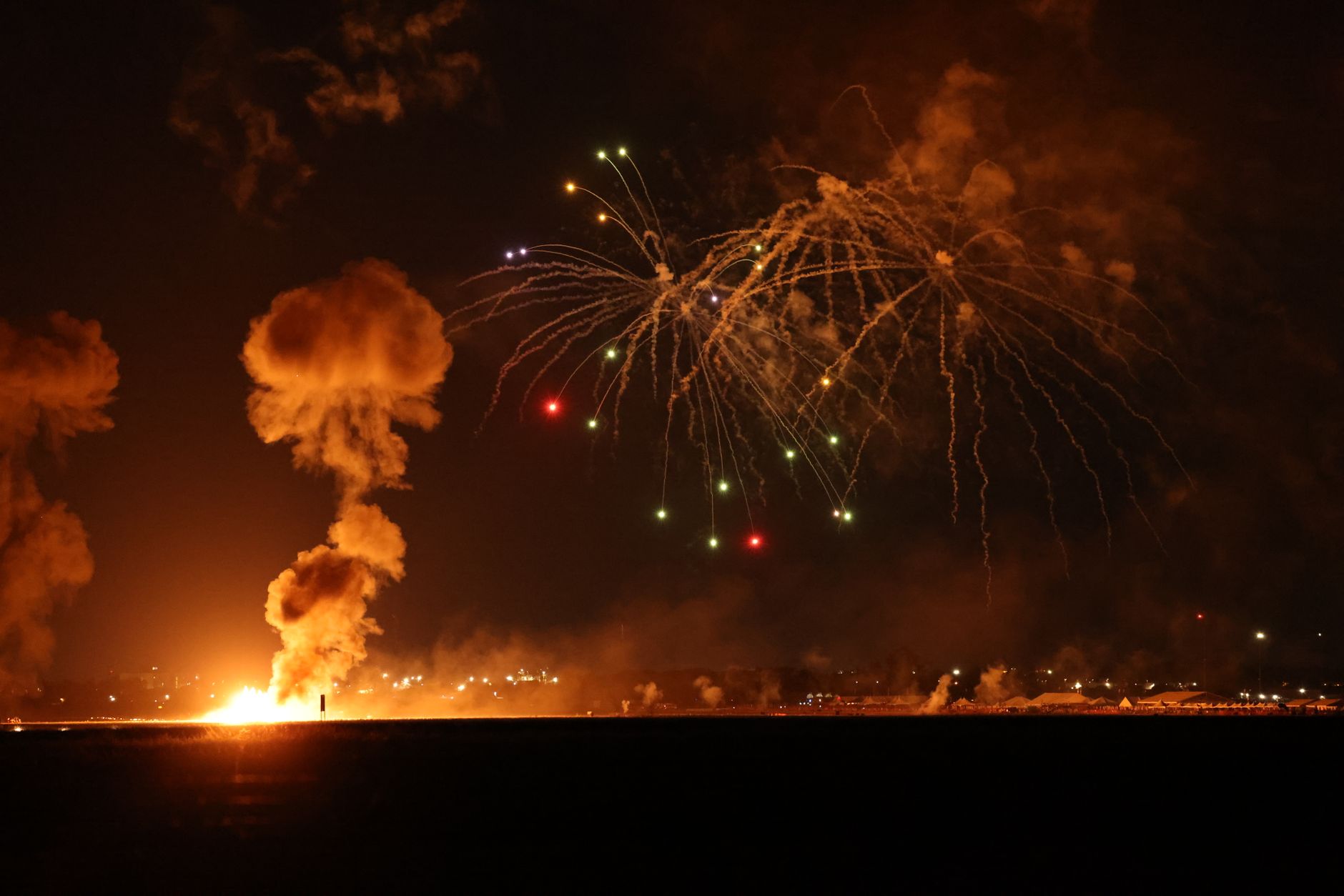
- The United States has recently conducted a series of airstrikes targeting facilities in Iraq and Syria, explicitly stating these actions were in retaliation for attacks on US forces in the region.
- These US strikes specifically targeted sites utilized by Iran's Islamic Revolutionary Guard Corps (IRGC) and various Iran-aligned militia groups, which Washington holds responsible for persistent aggression.
- The targeted facilities included command and control centers, weapons storage depots, and training facilities, aiming to degrade the capabilities of these proxy forces operating across the Middle East.
- Iran has unequivocally condemned the US military actions, labeling them as violations of national sovereignty and international law, and has vowed a robust and proportional response to these perceived provocations.
- Regional tensions have demonstrably escalated following these exchanges, raising significant concerns among international observers about the potential for a broader, more destabilizing conflict across the Middle East.
- Both the US and Iran have publicly stated their intent to protect their interests and personnel in the region, yet their current actions appear to be pushing the situation closer to a direct confrontation.
What We Do Not Know Yet
- The precise extent of damage inflicted by the US airstrikes on the targeted facilities and the full operational impact on Iran-backed militias remain unclear, with assessments still ongoing from both sides.
- The specific nature and timeline of Iran's promised retaliation are currently unknown, leaving regional actors and international bodies speculating on the form and severity of its response.
- Whether these recent escalations represent a calculated shift in US policy towards more aggressive deterrence or a reactive measure to specific provocations is a subject of intense debate among analysts.
- The potential for de-escalation pathways or diplomatic off-ramps remains uncertain, as communication channels between Washington and Tehran are severely strained, complicating efforts to mitigate further conflict.
- How regional allies and adversaries, including Saudi Arabia, Israel, and Russia, will react to this heightened state of tension and whether they will be drawn into the escalating conflict is a critical unknown.
- The long-term strategic objectives of both the US and Iran in the wake of these strikes, beyond immediate retaliation or deterrence, have not been fully articulated, adding to the regional instability.
Background
The current flare-up of tensions between the United States and Iran is deeply rooted in decades of geopolitical rivalry and proxy conflicts across the Middle East. Since the 1979 Iranian Revolution, relations have been characterized by mutual distrust, sanctions, and indirect confrontations. The US maintains a significant military presence in the region, primarily aimed at counter-terrorism operations and deterring adversaries, while Iran has cultivated a network of proxy militias, often referred to as the "Axis of Resistance," to project its influence and challenge US and allied interests. This intricate web of alliances and antagonisms forms the volatile backdrop against which the latest strikes have occurred, highlighting the enduring fragility of regional stability.
For years, Iran-backed groups in Iraq and Syria, such as Kataib Hezbollah and other Popular Mobilization Forces (PMF) factions, have been involved in attacks against US personnel and facilities. These actions are often framed by Tehran as legitimate resistance against foreign occupation, while Washington views them as acts of terrorism and destabilization. The cycle of provocation and retaliation has seen various peaks and troughs, but the recent surge in attacks on US bases, particularly following the Gaza conflict, has pushed the situation to a critical juncture. The Biden administration, under increasing domestic pressure, has signaled a more robust response to protect its forces, leading directly to the recent airstrikes.
The strategic importance of Iraq and Syria cannot be overstated in this context. Iraq serves as a critical buffer state and a battleground for regional influence, while Syria remains fractured by a civil war where various international powers, including the US, Russia, and Iran, maintain a presence. Any significant escalation in these territories risks drawing in a wider array of actors, potentially transforming localized skirmishes into a broader regional conflagration. The complex interplay of national interests, ideological commitments, and historical grievances makes de-escalation incredibly challenging, with each side wary of appearing weak or conceding ground to its adversary.
Why It Matters
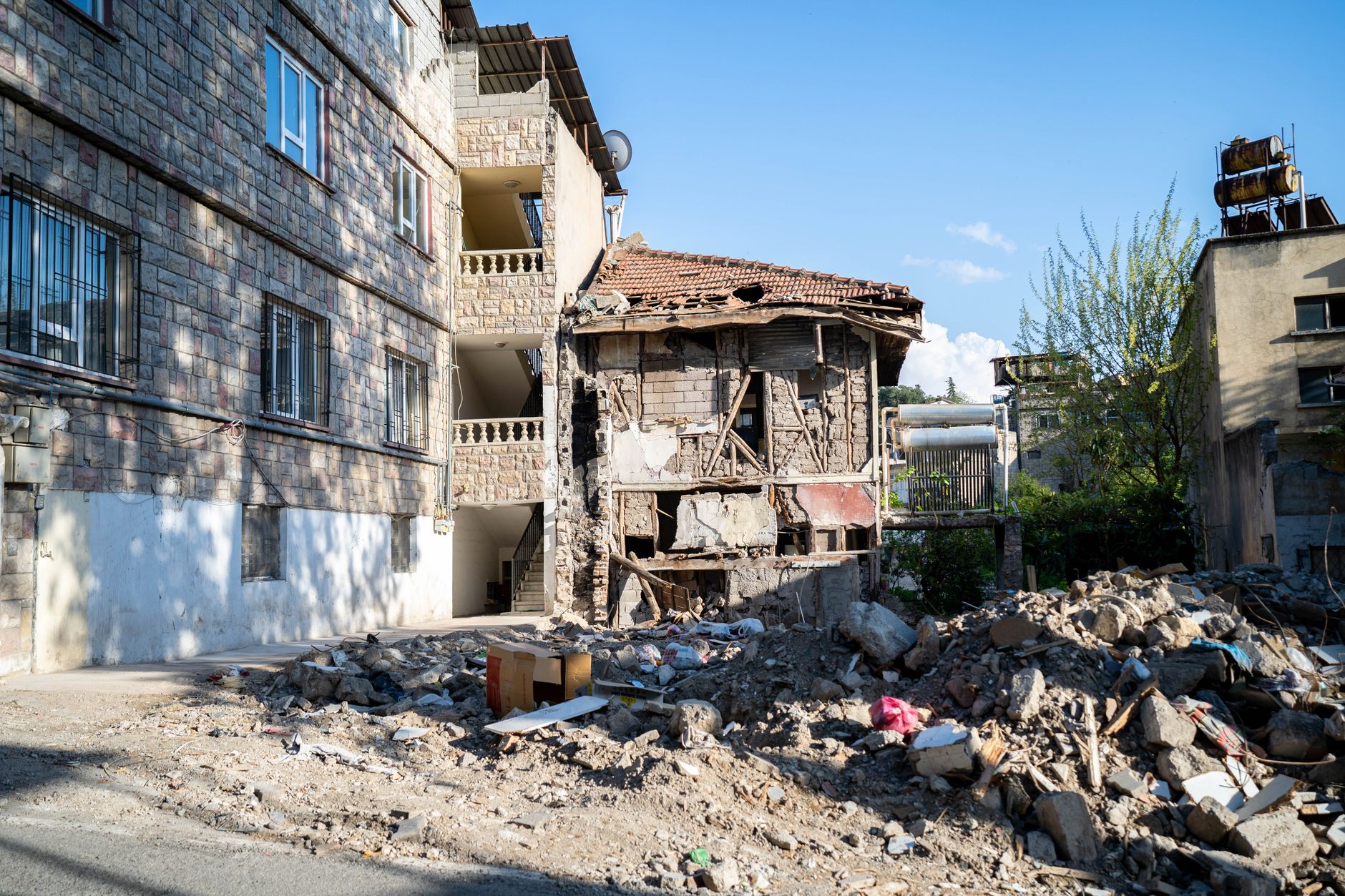
The escalating military exchanges between the US and Iran-backed forces carry profound implications for regional stability, threatening to ignite a wider conflict that could engulf the entire Middle East. Each retaliatory strike increases the risk of miscalculation, potentially leading to unintended consequences that spiral beyond control. A direct confrontation between the United States and Iran would have devastating humanitarian costs, displace millions, and unleash an unprecedented wave of instability across an already volatile region. The current trajectory is a stark warning that the delicate balance of power is eroding, pushing the region closer to a precipice.
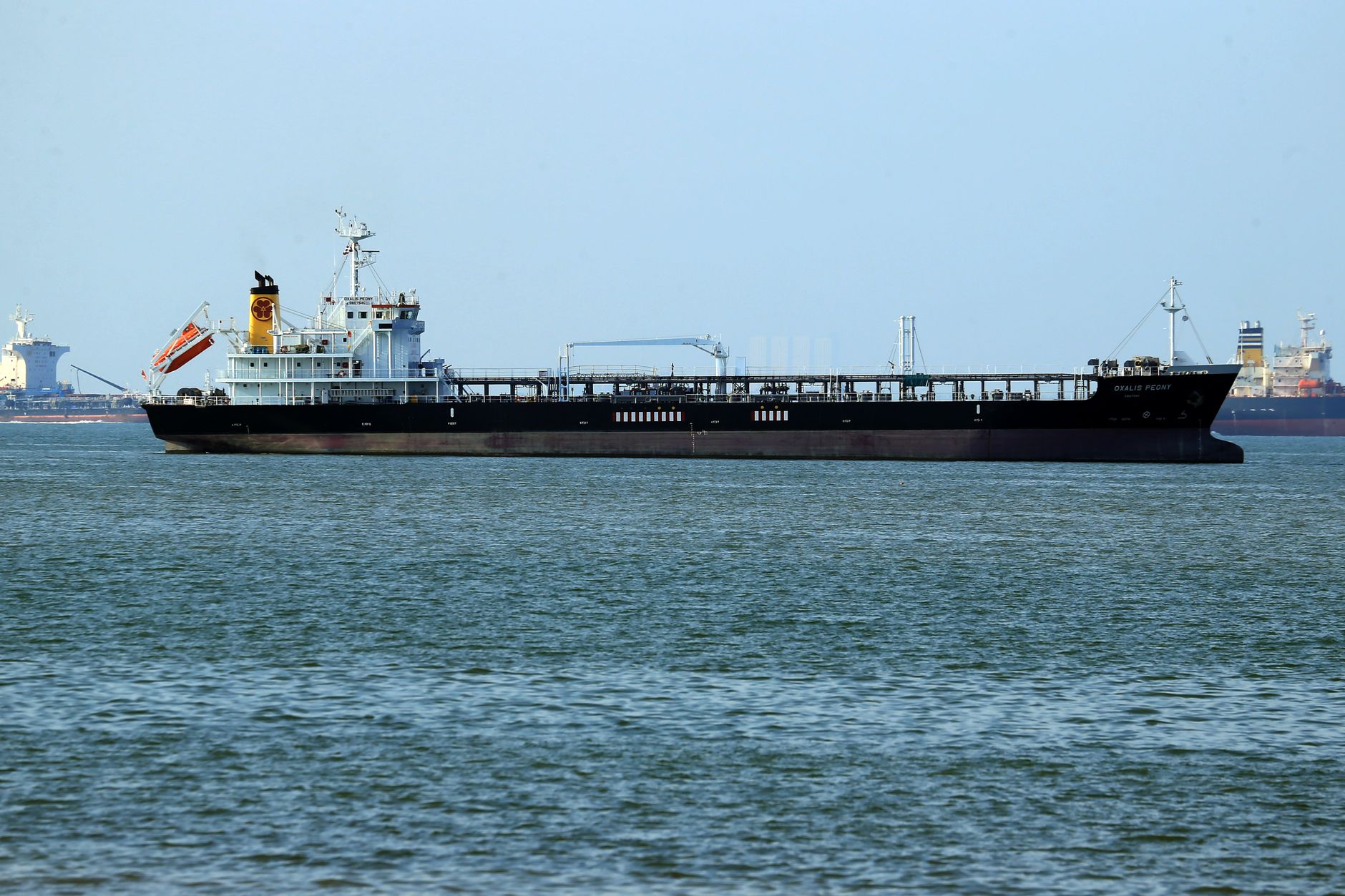
Beyond the immediate security concerns, a full-blown regional conflict would have severe global economic repercussions. The Middle East is a vital artery for global energy supplies, and any disruption to oil and gas production or shipping routes through critical chokepoints like the Strait of Hormuz would send shockwaves through international markets. Energy prices would skyrocket, supply chains would be disrupted, and the global economy, already grappling with various challenges, would face immense pressure. The interconnectedness of the modern world means that instability in one crucial region can quickly translate into economic pain for billions worldwide.
Furthermore, these escalating tensions undermine diplomatic efforts aimed at resolving other pressing regional issues, including the ongoing conflict in Gaza and the broader Israeli-Palestinian dispute. International attention and resources that could be directed towards peacebuilding and humanitarian aid are instead diverted to managing immediate crises and preparing for potential warfare. The cycle of violence also empowers extremist groups, who often thrive in environments of chaos and instability, further complicating future peace prospects. Ultimately, the current situation threatens to unravel years of painstaking diplomatic work and entrench a new era of conflict.
Timeline of Events
- October 2023: Following the outbreak of the Gaza conflict, a significant surge in attacks by Iran-backed militias on US bases and personnel in Iraq and Syria begins, marking a clear escalation.
- Late 2023: US forces in Iraq and Syria endure dozens of drone and rocket attacks, resulting in injuries to American service members and contractors, prompting calls for a robust response from Washington.
- January 2024: A particularly deadly drone attack by Iran-backed groups in Jordan kills three US soldiers and injures dozens more, marking a critical turning point and demanding a forceful US reaction.
- February 2, 2024: The United States launches extensive retaliatory airstrikes against over 85 targets in Iraq and Syria, hitting command centers, intelligence headquarters, and weapons storage facilities linked to Iran's Quds Force and its proxies.
- February 3, 2024: Iran vehemently condemns the US strikes, labeling them as illegal acts of aggression and vowing a firm response, further ratcheting up the rhetoric and regional anxieties.
- February 4, 2024: Reports emerge of additional, smaller-scale US strikes targeting specific individuals or facilities associated with the militias, signaling a continued, targeted approach to deterrence.
Rapid-Fire Q&A
What Is Coming
- Expect continued, albeit potentially calibrated, retaliatory actions from Iran-backed militias against US forces and interests in the region, designed to demonstrate resolve without necessarily provoking an all-out war.
- The United States will likely maintain a heightened state of alert and readiness, prepared to conduct further defensive strikes if its forces or allies come under significant attack, signaling a sustained deterrence posture.
- Increased diplomatic pressure from international bodies and key global powers will be brought to bear on both Washington and Tehran, urging de-escalation and the opening of communication channels to avert a larger conflict.
- Regional allies of the US, such as Israel and Saudi Arabia, will closely monitor the situation, potentially adjusting their own security postures and engaging in consultations with Washington regarding shared threats.
- The global energy markets are expected to remain volatile, with oil prices sensitive to any further military actions or threats to shipping lanes in the Persian Gulf, reflecting the inherent instability.
- Analysts anticipate a period of sustained tension and a delicate balancing act, where both sides attempt to project strength and protect interests without triggering an uncontrollable, full-scale regional war.






Comments
No comments yet. Be the first to comment!