
What We Know
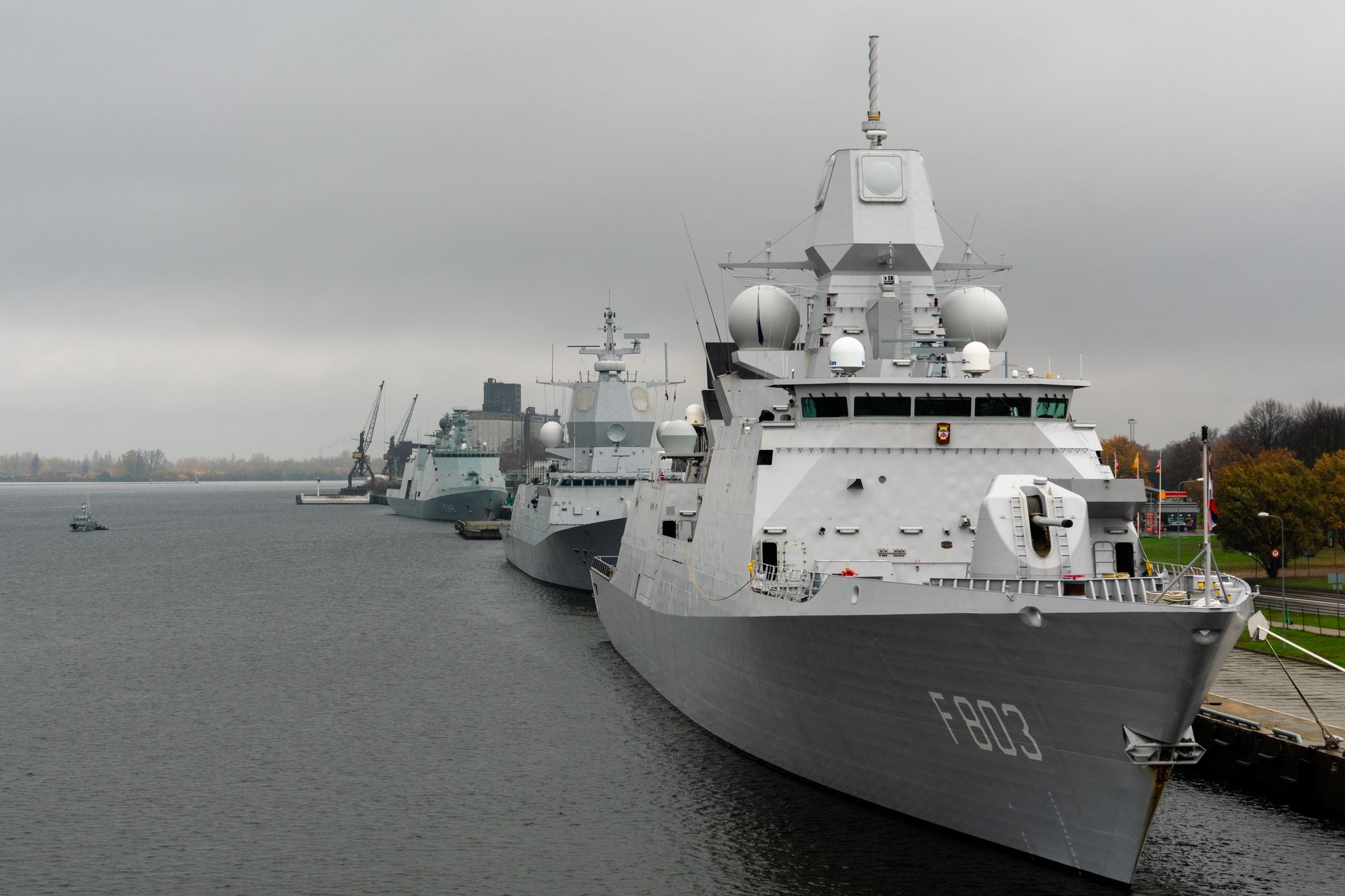
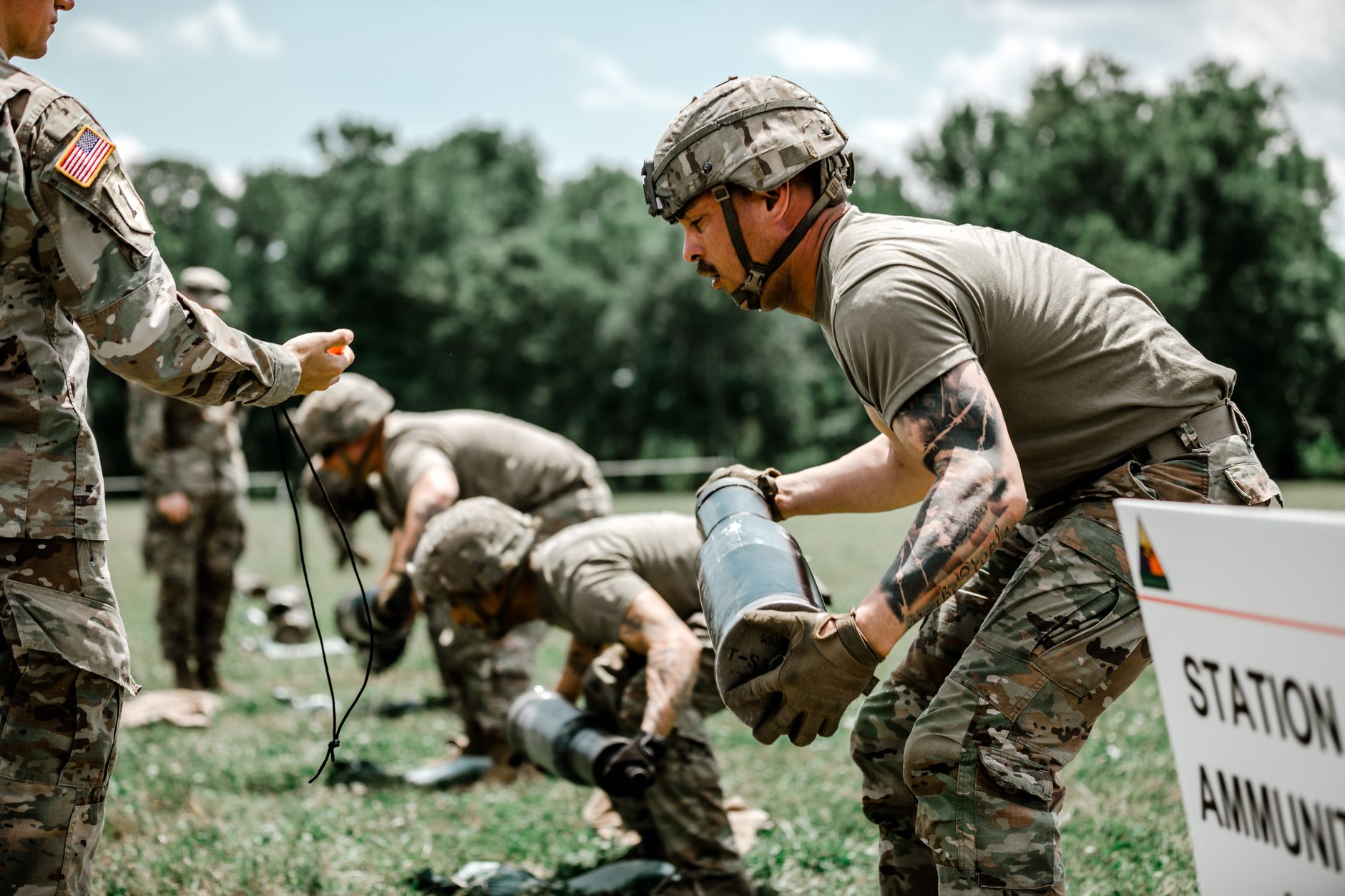
- The United States maintains a significant military presence in the Persian Gulf, including naval assets and air defense systems, explicitly aimed at deterring Iranian aggression and protecting regional allies, signaling a robust commitment to security in the volatile region.
- Israel has conducted numerous overt and covert operations targeting Iranian military assets, nuclear facilities, and proxy groups across the region, asserting its unwavering commitment to preventing Iran from acquiring nuclear weapons and neutralizing perceived threats.
- Iran continues to support a network of regional proxies, including Hezbollah in Lebanon, Houthi rebels in Yemen, and various militias in Iraq and Syria, utilizing these groups to project power and challenge US-Israeli influence without direct state-on-state confrontation.
- Diplomatic efforts to revive the 2015 Joint Comprehensive Plan of Action (JCPOA) have largely stalled, with both Washington and Tehran expressing deep skepticism and imposing preconditions that hinder any meaningful progress towards de-escalation or a renewed nuclear agreement.
- Economic sanctions imposed by the United States have severely impacted Iran's economy, leading to widespread public discontent and a desperate search for alternative trade partners, yet these pressures have not fundamentally altered Iran's strategic regional policies.
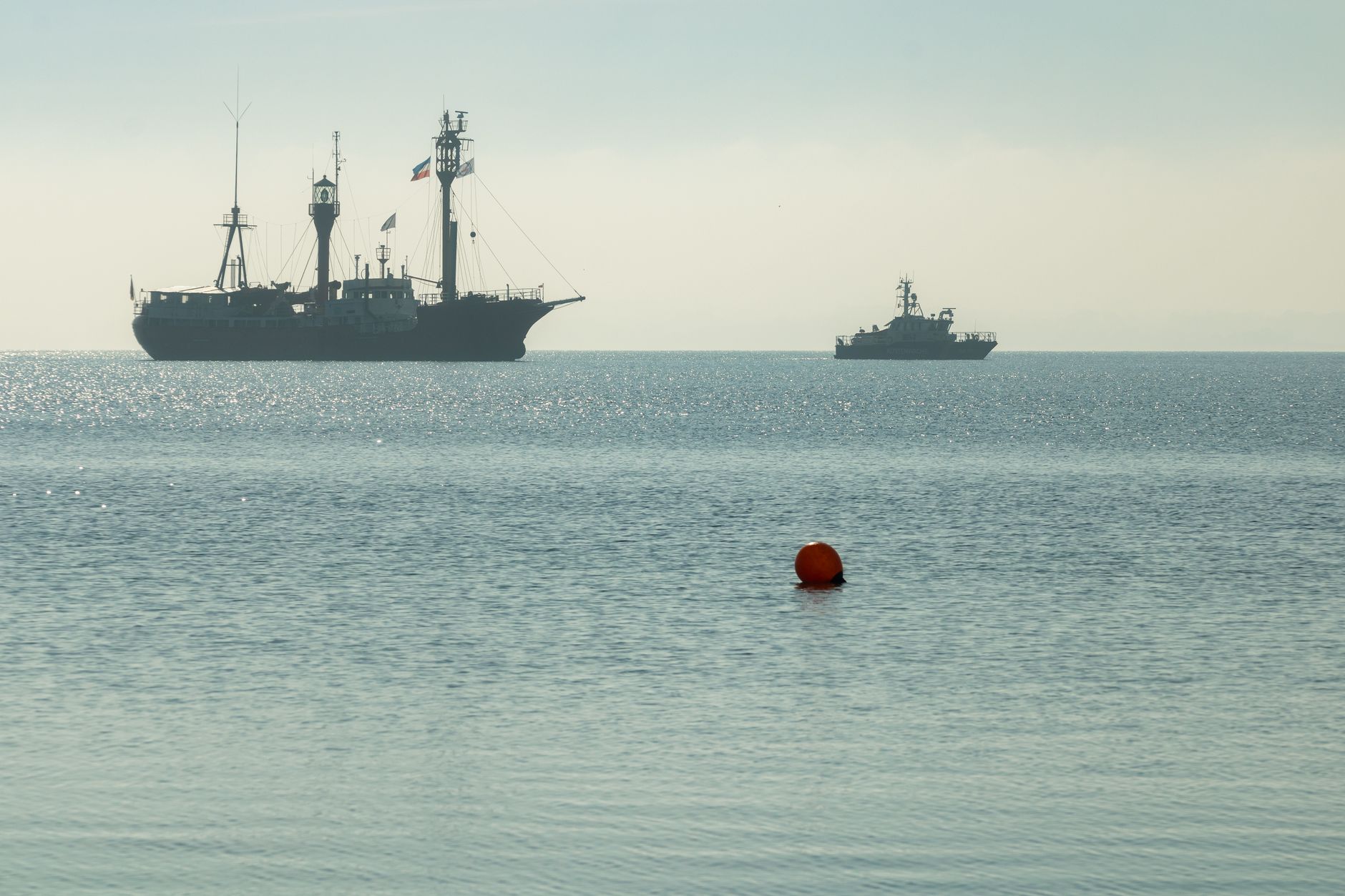
- The Strait of Hormuz, a critical chokepoint for global oil shipments, remains a flashpoint, with repeated incidents involving Iranian naval forces and international shipping, underscoring the immediate economic vulnerability of a wider conflict in the region.
What We Do Not Know Yet
- The precise nature and timeline of Iran's nuclear weapons program remain shrouded in secrecy, despite international monitoring efforts, leaving global powers guessing about the true capabilities and intentions behind its uranium enrichment activities.
- The exact 'red lines' that would trigger a direct military intervention by the United States against Iran are not publicly defined, creating ambiguity that could either deter or inadvertently provoke further escalation from Tehran.
- Israel's long-term strategy for managing Iran's regional influence and nuclear ambitions beyond military strikes and covert operations remains unclear, raising questions about sustainable solutions to a deeply entrenched geopolitical rivalry.
- Whether the current deterrence strategies employed by the US and Israel are truly effective in preventing Iran from further escalating its nuclear program or its regional proxy activities is a subject of intense debate among intelligence agencies and policymakers.
- The specific incident or set of circumstances that could serve as an irreversible trigger for a full-scale military conflict between these powerful actors remains unpredictable, making risk assessment incredibly challenging for international observers.
- The potential for a breakthrough in diplomatic negotiations, perhaps through back-channel communications or new mediation efforts, is highly uncertain, with current political climates in all involved nations appearing resistant to compromise.
Background
The roots of the current US-Israel-Iran confrontation stretch back decades, deeply embedded in the geopolitical shifts following Iran's 1979 Islamic Revolution. This pivotal event transformed Iran from a Western-aligned monarchy into an anti-Western Islamic republic, fundamentally altering regional power dynamics and setting the stage for enduring ideological and strategic clashes with both the United States and Israel. The subsequent hostage crisis and Iran's consistent support for anti-Israel groups cemented a deep-seated animosity that continues to fuel the present tensions, making diplomatic resolution incredibly challenging and fraught with historical grievances.
Iran's pursuit of a nuclear program, ostensibly for peaceful energy purposes but widely suspected of having military dimensions, became a central point of contention in the early 2000s. This led to international sanctions and ultimately the 2015 Joint Comprehensive Plan of Action (JCPOA), a landmark deal designed to curb Iran's nuclear capabilities in exchange for sanctions relief. However, the Trump administration's unilateral withdrawal from the JCPOA in 2018, driven by concerns over Iran's ballistic missile program and regional destabilization, reignited the nuclear crisis and paved the way for the current dangerous escalation, as Iran progressively abandoned its commitments.
Israel, viewing Iran's nuclear ambitions and its vast network of regional proxies as an existential threat, has consistently advocated for a more aggressive stance against Tehran. Its security doctrine prioritizes preemptive action to neutralize threats, leading to numerous covert operations and overt military strikes against Iranian targets and its allies in Syria, Lebanon, and Iraq. This proactive approach, often conducted with tacit US support, further complicates the regional landscape, creating a volatile environment where miscalculation or an unintended incident could rapidly spiral into a broader, devastating conflict across the Middle East.
Why It Matters
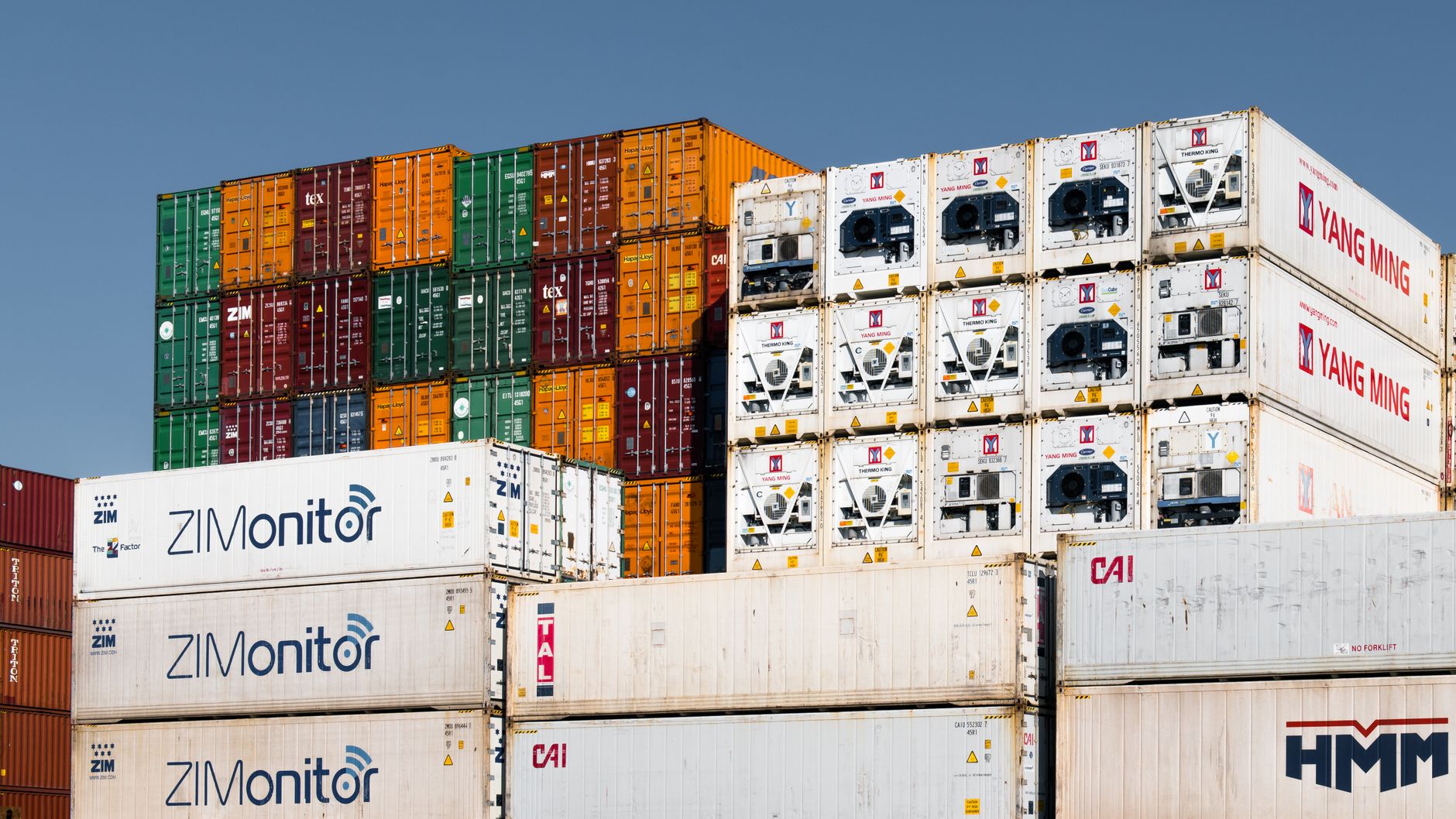
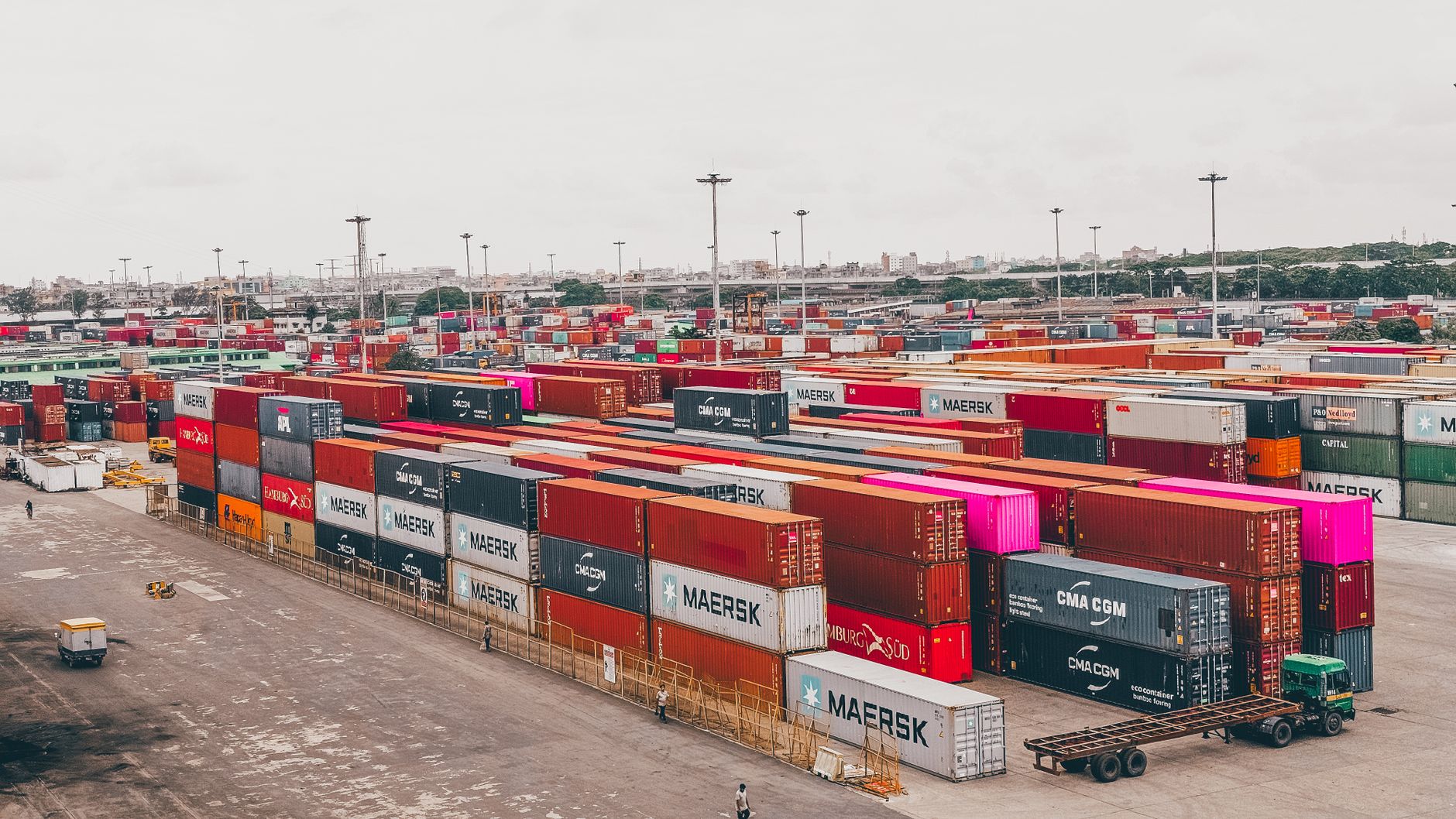
The escalating tensions between the US, Israel, and Iran are not merely a regional concern; they pose a profound threat to global stability and economic prosperity. A full-scale conflict in the Persian Gulf, a vital artery for global oil shipments, would inevitably trigger a catastrophic surge in energy prices, disrupting supply chains worldwide and potentially plunging major economies into recession. The ripple effects would extend far beyond immediate combat zones, impacting everything from manufacturing costs to daily consumer expenses, underscoring the interconnectedness of global markets with regional security and the urgent need for de-escalation.
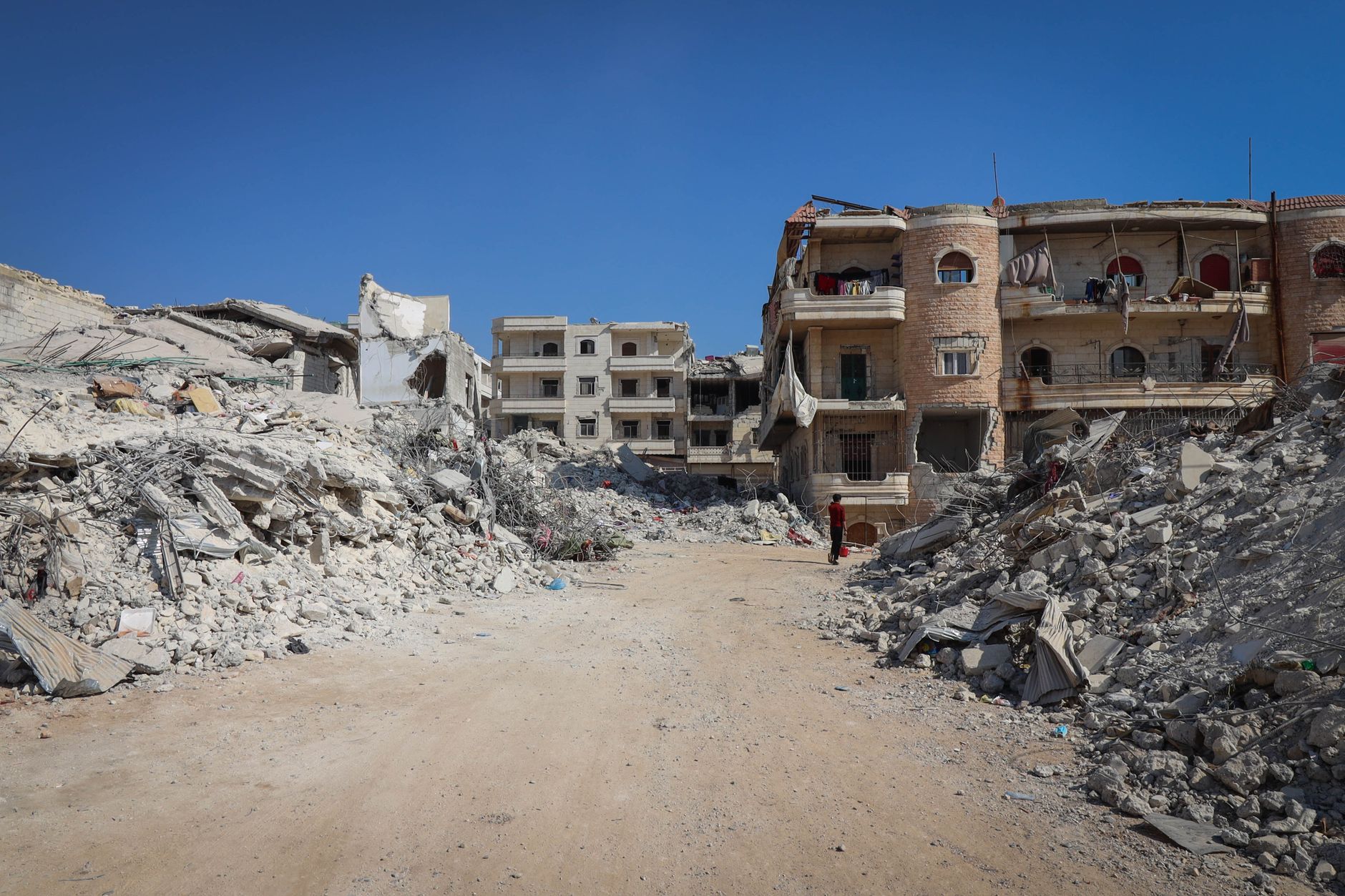
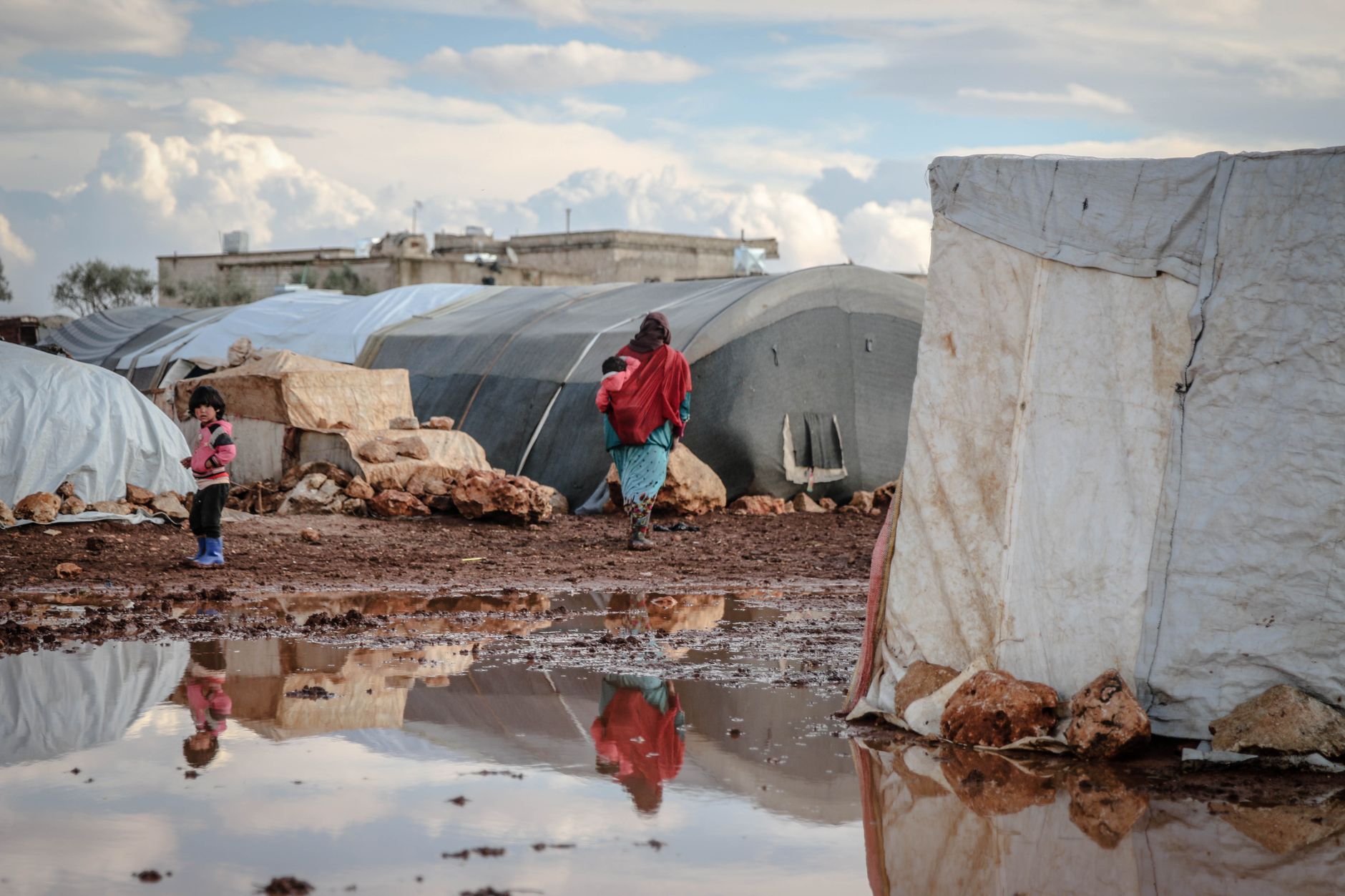
Beyond economic fallout, a direct military confrontation risks igniting a humanitarian catastrophe of unprecedented scale. The densely populated urban centers throughout the Middle East would face immense devastation, leading to mass displacement, refugee crises, and a severe strain on international aid organizations. The long-term consequences would include widespread instability, the potential for extremist groups to exploit the chaos, and a generational trauma that would reshape the social and political fabric of the region, demanding immediate and sustained international attention to prevent such a tragic outcome.
Furthermore, the crisis carries significant implications for nuclear non-proliferation efforts globally. If Iran were to successfully develop nuclear weapons, or if the international community fails to prevent it, it could trigger a dangerous arms race in the Middle East, with other regional powers feeling compelled to develop their own nuclear capabilities for self-defense. This proliferation would dramatically increase the risk of nuclear conflict, making the current standoff a critical test for the international framework designed to prevent the spread of weapons of mass destruction, highlighting the critical importance of a peaceful resolution.
Timeline of Events
- July 2015: The Joint Comprehensive Plan of Action (JCPOA) is signed between Iran and the P5+1 nations (China, France, Germany, Russia, United Kingdom, United States), imposing strict limits on Iran's nuclear program in exchange for sanctions relief.
- May 2018: The United States unilaterally withdraws from the JCPOA under the Trump administration, citing Iran's continued ballistic missile development and regional destabilization efforts, a move that significantly heightened tensions and dismantled years of diplomatic efforts.
- June 2019: Iran begins to progressively scale back its commitments under the JCPOA, including increasing uranium enrichment levels and stockpiles, in response to renewed U.S. sanctions and the inability of European partners to fully mitigate their impact.
- January 2020: A U.S. drone strike kills Iranian General Qassem Soleimani in Baghdad, dramatically escalating tensions and prompting Iranian retaliatory missile strikes against U.S. bases in Iraq, bringing both nations to the brink of open warfare.
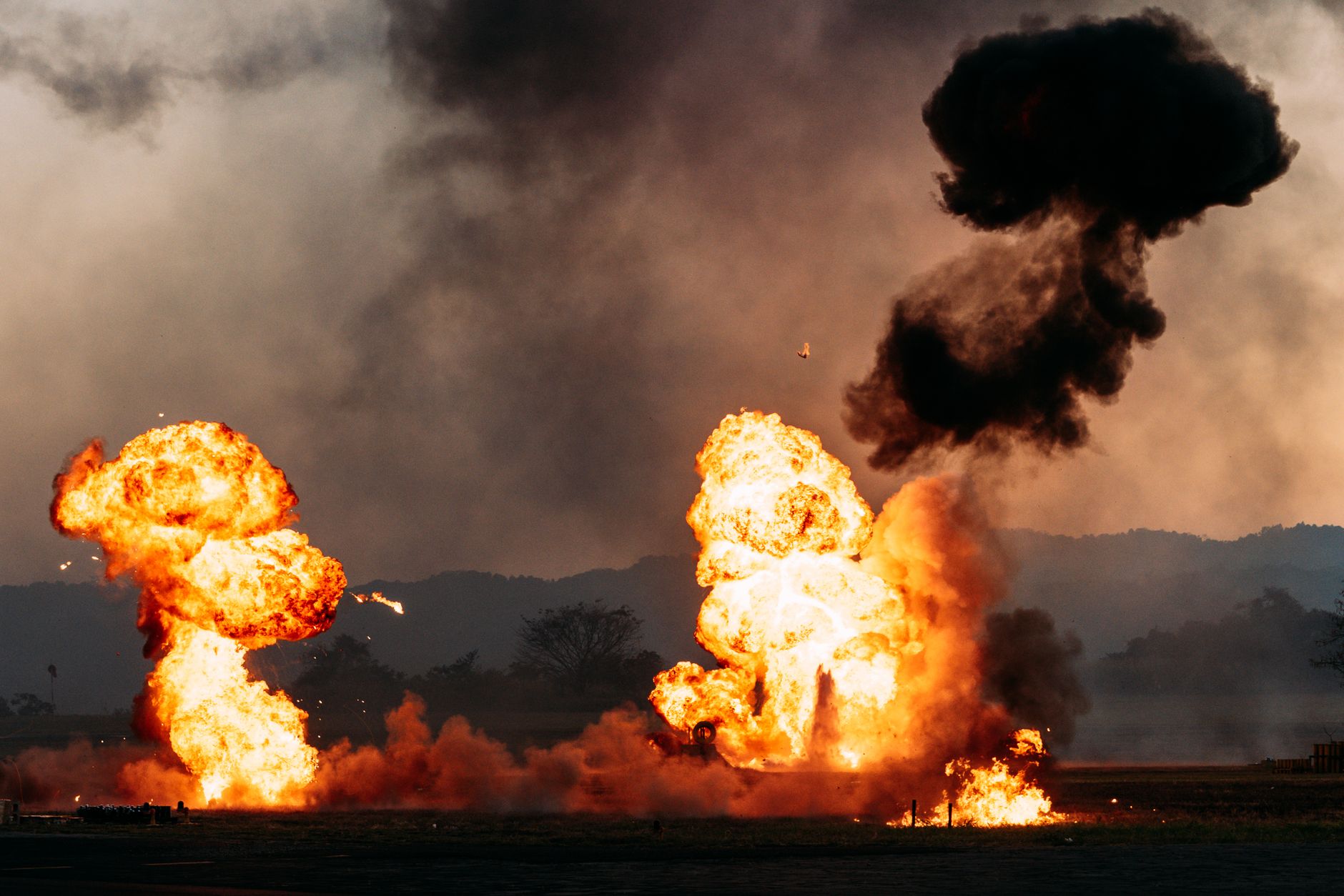
- April 2021: An explosion at Iran's Natanz nuclear facility, widely attributed to Israel, causes significant damage, further complicating international efforts to revive the nuclear deal and showcasing the ongoing covert conflict between the two adversaries.
- Throughout 2023-2024: A series of escalating incidents, including drone and missile attacks attributed to Iranian proxies against U.S. forces and Israeli interests, alongside continued Israeli strikes in Syria, underscore the persistent and dangerous cycle of violence in the region.
Rapid-Fire Q&A
What Is Coming
- Further diplomatic efforts, though currently stalled, are anticipated to resume in some form, likely involving European intermediaries attempting to revive elements of the nuclear deal or establish new frameworks for de-escalation, albeit facing immense skepticism from all sides.
- Increased military posturing and limited engagements are highly probable, with both sides continuing to test each other's resolve through proxy conflicts, cyberattacks, and targeted strikes, maintaining a precarious balance on the brink of wider confrontation.
- The United States will likely intensify economic sanctions against Iran, targeting new sectors and individuals, aiming to further cripple Tehran's economy and pressure its leadership to alter its nuclear and regional policies, despite the proven limited effectiveness of such measures.
- Regional realignments and alliances may shift, as countries in the Middle East seek to bolster their security against perceived threats, potentially leading to new defense pacts or a strengthening of existing partnerships, further complicating the geopolitical landscape.
- The humanitarian consequences of prolonged instability are expected to worsen, with increased displacement, food insecurity, and a greater strain on aid organizations, particularly in areas where Iranian proxies are active or where Israeli strikes occur.
- The potential for a significant cyber warfare component in any future conflict is high, with both Iran and its adversaries possessing advanced capabilities to target critical infrastructure, potentially leading to widespread disruption and adding a new dimension to the escalation.








Comments
No comments yet. Be the first to comment!