
At a Glance
- Diplomatic efforts to revive the 2015 Iran nuclear deal (JCPOA) are at a critical juncture, with negotiators grappling with final terms amidst deep-seated mistrust and external pressures from regional actors.
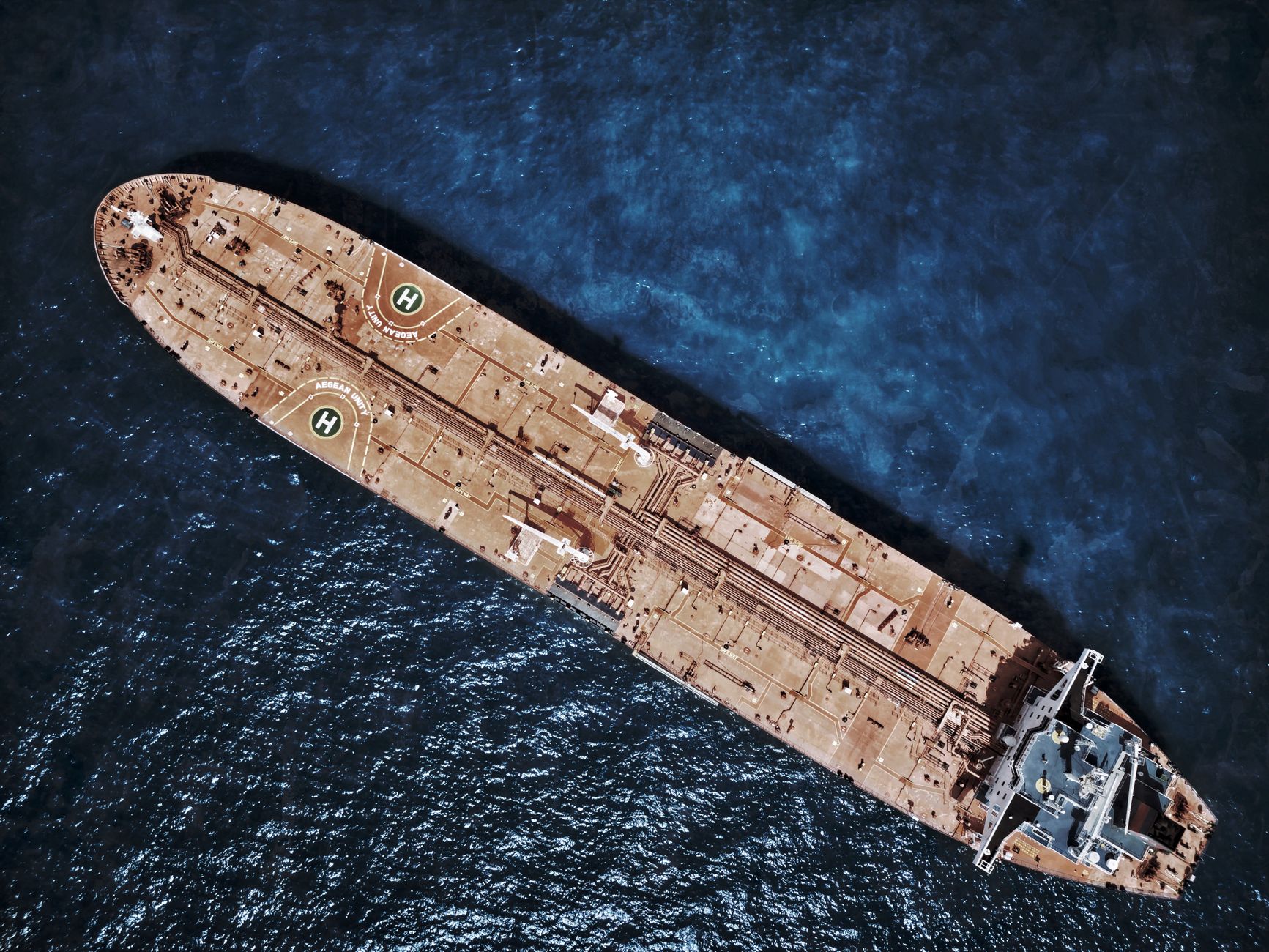
- Recent drone attacks, widely attributed to Iran or its proxies, have targeted Israeli-linked vessels in the Strait of Hormuz, a crucial global shipping artery, raising significant concerns about maritime security and international trade.
- Israel has reported multiple drone incursions and attacks within its territory and against its assets, intensifying its calls for a more robust international stance against Iranian regional aggression and its advanced drone program.
- The convergence of these diplomatic overtures and military escalations creates a highly volatile environment, threatening to undermine any progress towards a peaceful resolution and potentially drawing more parties into regional conflict.
- Global energy markets remain particularly sensitive to these developments, as any disruption in the Strait of Hormuz could lead to significant spikes in oil prices and broader economic instability worldwide.
- International powers, including the United States and European allies, are navigating a complex landscape, attempting to balance diplomatic engagement with deterrence against perceived Iranian destabilizing actions in the Middle East.
The Record
The Joint Comprehensive Plan of Action (JCPOA), signed in 2015, aimed to prevent Iran from developing nuclear weapons in exchange for sanctions relief. However, the United States' unilateral withdrawal from the agreement in 2018 under the Trump administration, followed by the re-imposition of stringent sanctions, significantly escalated tensions. This 'maximum pressure' campaign, while intended to curb Iran's nuclear ambitions and regional influence, paradoxically led Iran to progressively breach the deal's restrictions, enriching uranium to higher purities and expanding its centrifuge capacity. The current administration has sought to re-engage, recognizing the JCPOA as the most viable path to constrain Iran's nuclear program, yet the path to revival is fraught with challenges and deeply entrenched animosities.
Beyond the nuclear file, Iran's regional foreign policy, often executed through a network of proxy forces, has been a consistent source of instability. From Yemen to Lebanon, and Iraq to Syria, Tehran's support for various non-state actors has fueled numerous conflicts and challenged the security interests of its regional rivals, particularly Saudi Arabia and Israel. This intricate web of proxy warfare, often involving advanced weaponry including drones and missiles, complicates any diplomatic efforts to de-escalate tensions, as regional actors perceive a direct threat that extends beyond the nuclear program itself. The ongoing drone attacks are a stark manifestation of this broader, persistent regional power struggle.
The recent surge in drone attacks against Israeli targets and commercial shipping in the Strait of Hormuz represents a dangerous escalation in this long-standing shadow conflict. These incidents not only demonstrate Iran's increasingly sophisticated drone capabilities but also its willingness to project power and retaliate against perceived aggressions. The targeting of commercial vessels, regardless of their direct affiliation, carries significant implications for global trade and maritime security, potentially disrupting vital supply chains and increasing insurance premiums for shipping companies. This pattern of behavior underscores a calculated strategy to exert pressure and demonstrate resolve, even as high-stakes diplomatic negotiations are underway.
Who Knew and When
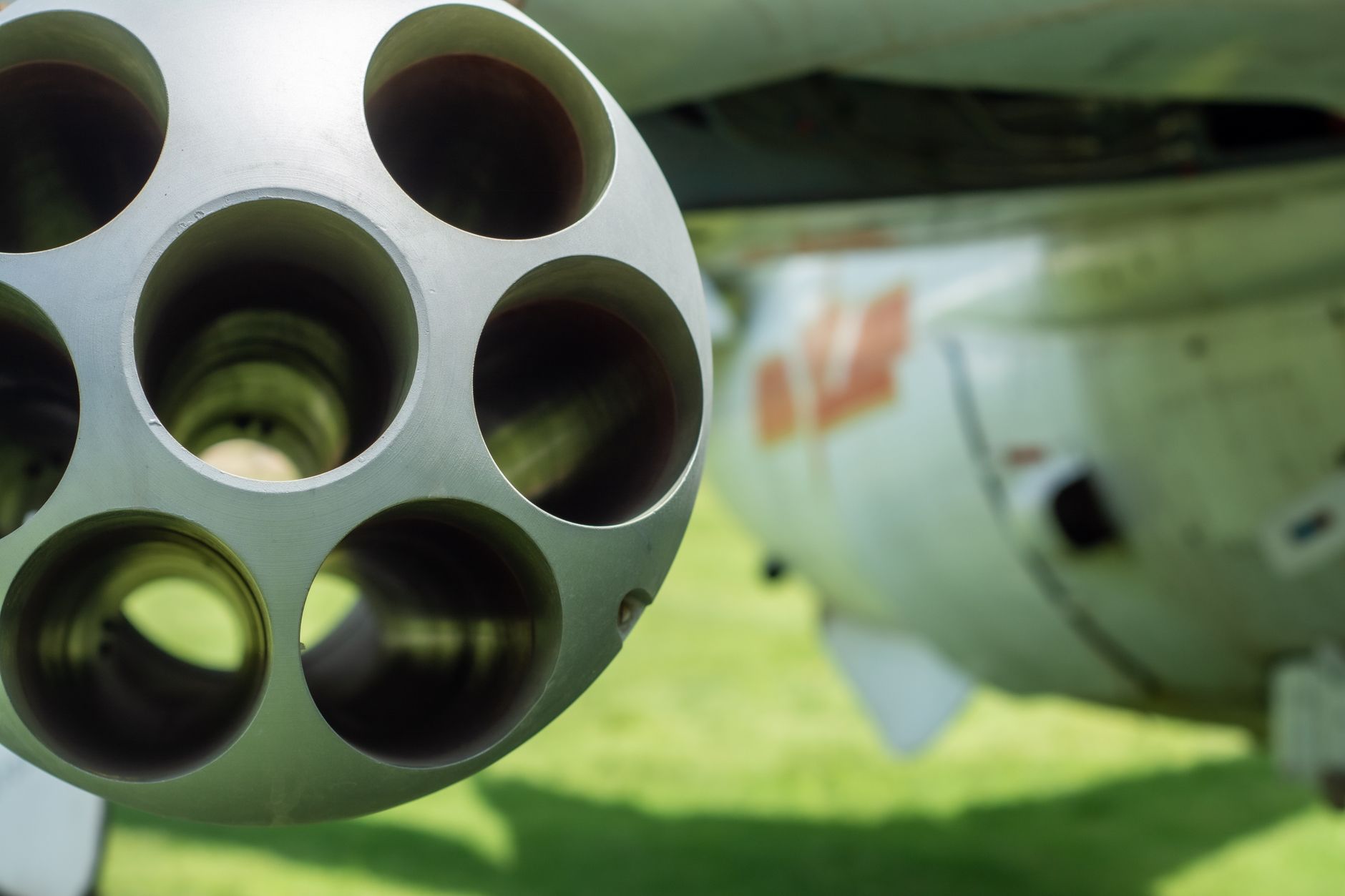
Intelligence agencies across the globe have long tracked Iran's burgeoning drone program, noting its rapid advancements in both capability and proliferation. Reports from the US, Israeli, and European intelligence communities have consistently highlighted Iran's development of various unmanned aerial vehicles (UAVs), ranging from surveillance drones to sophisticated attack drones capable of carrying munitions over significant distances. Warnings about the potential for these drones to be used in regional conflicts, either directly by Iran or through its proxies, have been a recurring theme in classified briefings and public statements for several years, predating the current spate of attacks.
Specific incidents, such as the 2019 attacks on Saudi oil facilities and the ongoing targeting of vessels in the Gulf, provided early and unequivocal evidence of Iran's willingness and capacity to employ these systems for strategic purposes. While direct attribution can be complex and often debated, the operational signatures and technological characteristics of the drones used in these attacks have frequently pointed towards an Iranian origin or significant Iranian support. These events served as critical indicators for policymakers, signaling an evolving threat landscape that required a more comprehensive response than traditional naval or air defense strategies could offer alone.
More recently, as negotiations for a nuclear deal gained momentum, official warnings from Israeli and US defense officials intensified. Israeli Prime Minister Naftali Bennett and other senior security figures have repeatedly voiced concerns about Iran's drone arsenal, emphasizing the direct threat it poses to Israel's security and regional stability. Concurrently, US officials have acknowledged the persistent challenge posed by Iranian-backed drone activity, particularly in the context of protecting American interests and allies in the region. These public statements, often backed by intelligence assessments, underscore a clear understanding among key actors that the drone threat is real, present, and intrinsically linked to the broader geopolitical tensions surrounding Iran.
Voices from the Ground
From Washington, diplomatic rhetoric emphasizes a two-track approach: pursuing a return to the JCPOA while simultaneously confronting Iran's destabilizing regional activities. US State Department officials frequently reiterate their commitment to diplomacy, framing a revived deal as the most effective way to address the nuclear threat. However, they also issue stern warnings against Iranian aggression, particularly concerning maritime security and drone attacks. This dual strategy aims to reassure allies of American resolve while keeping open channels for negotiation, a delicate balancing act that often draws criticism from both proponents and opponents of the nuclear agreement, highlighting the inherent complexities of the situation.
In Tehran, Iranian officials consistently portray their nuclear program as peaceful and their regional actions as defensive responses to external threats and sanctions. They demand the complete lifting of all sanctions and guarantees that no future US administration will unilaterally withdraw from the deal again. Regarding the drone attacks, Iranian authorities often deny direct involvement or attribute them to 'resistance forces' acting independently, a narrative that obfuscates responsibility while subtly signaling support for proxy actions. This stance reinforces a message of defiance and resilience against what they perceive as Western and Israeli aggression, complicating international efforts to achieve de-escalation.
Israeli leaders, meanwhile, vociferously express deep skepticism about the efficacy of a renewed nuclear deal, arguing that it fails to adequately address Iran's ballistic missile program or its extensive network of regional proxies. They view Iran's drone capabilities as an immediate and existential threat, citing numerous incidents of attempted incursions and attacks. Israeli defense officials have publicly stated their readiness to act unilaterally to protect their national security interests, regardless of international diplomatic outcomes. This firm stance underscores a profound distrust in Iran's intentions and a belief that a nuclear deal, without broader security guarantees, could embolden Tehran to further destabilize the region, pushing the boundaries of conflict.
The Debate
The debate surrounding the potential revival of the JCPOA is fiercely contested, with proponents arguing that a return to the deal is the most pragmatic path to prevent Iran from developing nuclear weapons. They contend that the original agreement, despite its flaws, effectively constrained Iran's nuclear program and provided international inspectors with unprecedented access. Supporters believe that re-entering the deal would de-escalate tensions, offer a framework for future negotiations on broader regional issues, and prevent a dangerous nuclear arms race in the Middle East. They emphasize that without the deal, Iran's nuclear activities would remain unmonitored and unchecked, posing an even greater threat to global security and stability.
Conversely, critics, primarily Israel and some Gulf Arab states, along with a significant segment of US political figures, argue that a revived JCPOA is fundamentally flawed and insufficient. Their primary concerns revolve around the deal's sunset clauses, which would allow Iran to resume certain nuclear activities after a specified period, and its failure to address Iran's ballistic missile program or its support for regional proxy groups. These opponents contend that the current Iranian regime cannot be trusted and that sanctions relief would only embolden Tehran, providing it with more resources to fund its destabilizing activities across the Middle East, including the proliferation and use of advanced drones. They advocate for a 'stronger and longer' deal or a strategy of sustained pressure.
The recent drone attacks have further complicated this already contentious debate. For proponents of the deal, these incidents underscore the urgency of de-escalation through diplomacy, arguing that a deal could provide a stable platform from which to address other issues. For critics, the attacks serve as undeniable proof of Iran's aggressive intentions and its unsuitability as a negotiating partner, reinforcing their argument that any agreement must comprehensively curb Iran's regional behavior, not just its nuclear ambitions. The challenge lies in reconciling these divergent perspectives and finding a path forward that addresses both nuclear proliferation risks and broader regional security concerns, a task made exponentially harder by the ongoing kinetic actions.
Your Questions Answered
What Accountability Looks Like
Establishing clear accountability for the recent drone attacks is paramount for de-escalation and upholding international law. While direct attribution can be a complex and politically charged process, international bodies and individual nations must rigorously investigate these incidents, utilizing all available intelligence and forensic evidence. When credible evidence points to state or state-sponsored actors, there must be a unified and unequivocal international response. This response could range from diplomatic condemnations and targeted sanctions against specific individuals or entities involved in planning and executing the attacks, to more robust measures designed to deter future aggressions. Failure to assign responsibility effectively risks normalizing such destabilizing actions, setting a dangerous precedent for regional and global security.
The international community's response to these acts of aggression will significantly shape the future trajectory of US-Iran relations and broader Middle East stability. A weak or divided response could be perceived as tacit approval or a lack of resolve, potentially emboldening actors to escalate further. Conversely, a coordinated and firm stance, emphasizing the sanctity of international shipping lanes and the sovereignty of nations, could serve as a powerful deterrent. This requires overcoming geopolitical divisions and prioritizing collective security interests over individual national agendas, a challenge that has historically plagued efforts to forge a unified front against such complex threats. The credibility of international institutions is on the line, demanding a principled and consistent approach.
Ultimately, true accountability extends beyond punitive measures to include mechanisms for preventing future incidents. This involves not only diplomatic pressure and sanctions but also efforts to disrupt the supply chains of drone technology, enhance maritime security capabilities, and foster regional dialogue aimed at de-escalation. For Iran, accountability would mean a demonstrable shift away from supporting proxy forces and engaging in destabilizing actions, coupled with full transparency regarding its nuclear and conventional weapons programs. For the international community, it means consistently applying international norms and consequences, ensuring that the pursuit of a nuclear deal does not inadvertently provide cover for or ignore other critical threats to peace and security. The path to lasting stability requires both deterrence and a genuine commitment to conflict resolution.










Comments
No comments yet. Be the first to comment!