

At a Glance
- Persistent inflation continues to erode household purchasing power, with consumer prices remaining stubbornly high across essential goods and services, far exceeding the Federal Reserve's target.
- The job market, while resilient for some time, is now showing clear signs of cooling, with rising unemployment claims and a noticeable slowdown in hiring activity across multiple sectors.
- Consumer spending, a critical engine of economic growth, has significantly slowed, reflecting increased caution among households grappling with higher costs and economic uncertainty.
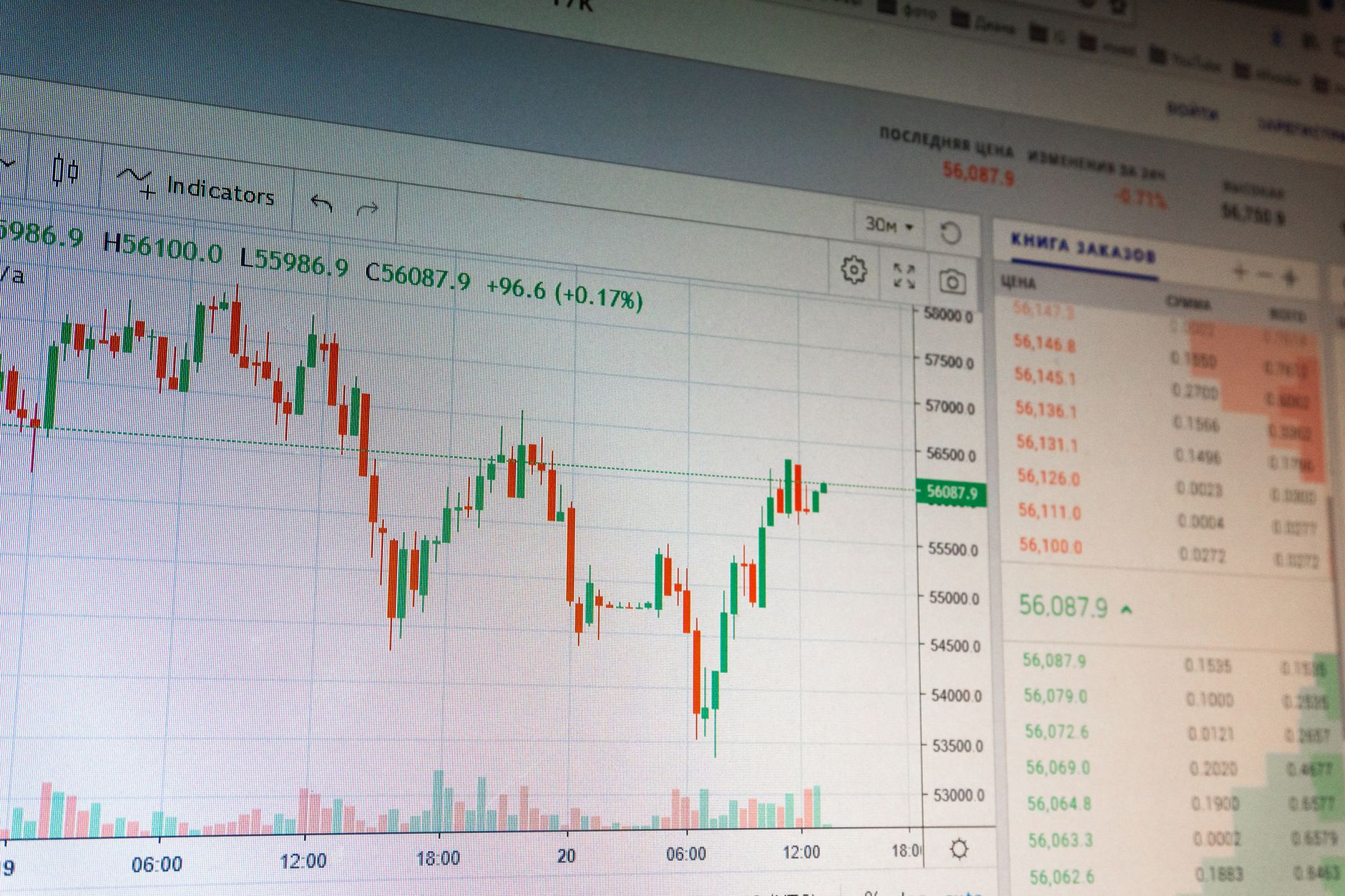
- Interest rates have reached multi-decade highs, making borrowing substantially more expensive for both businesses and individuals, stifling investment and major purchases like homes and cars.
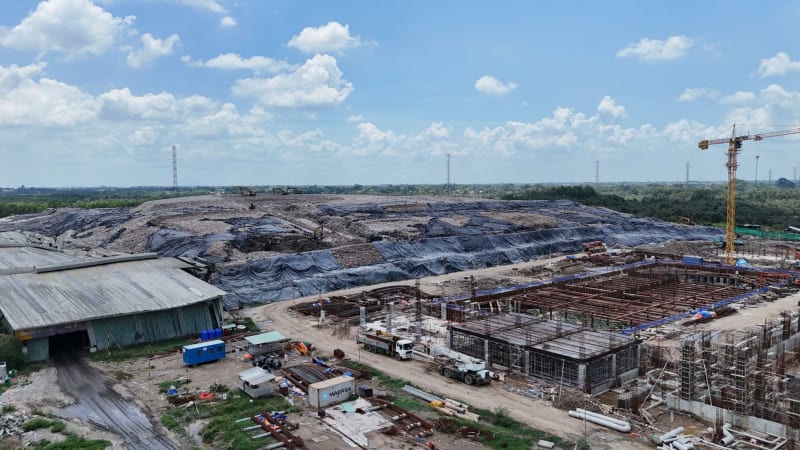
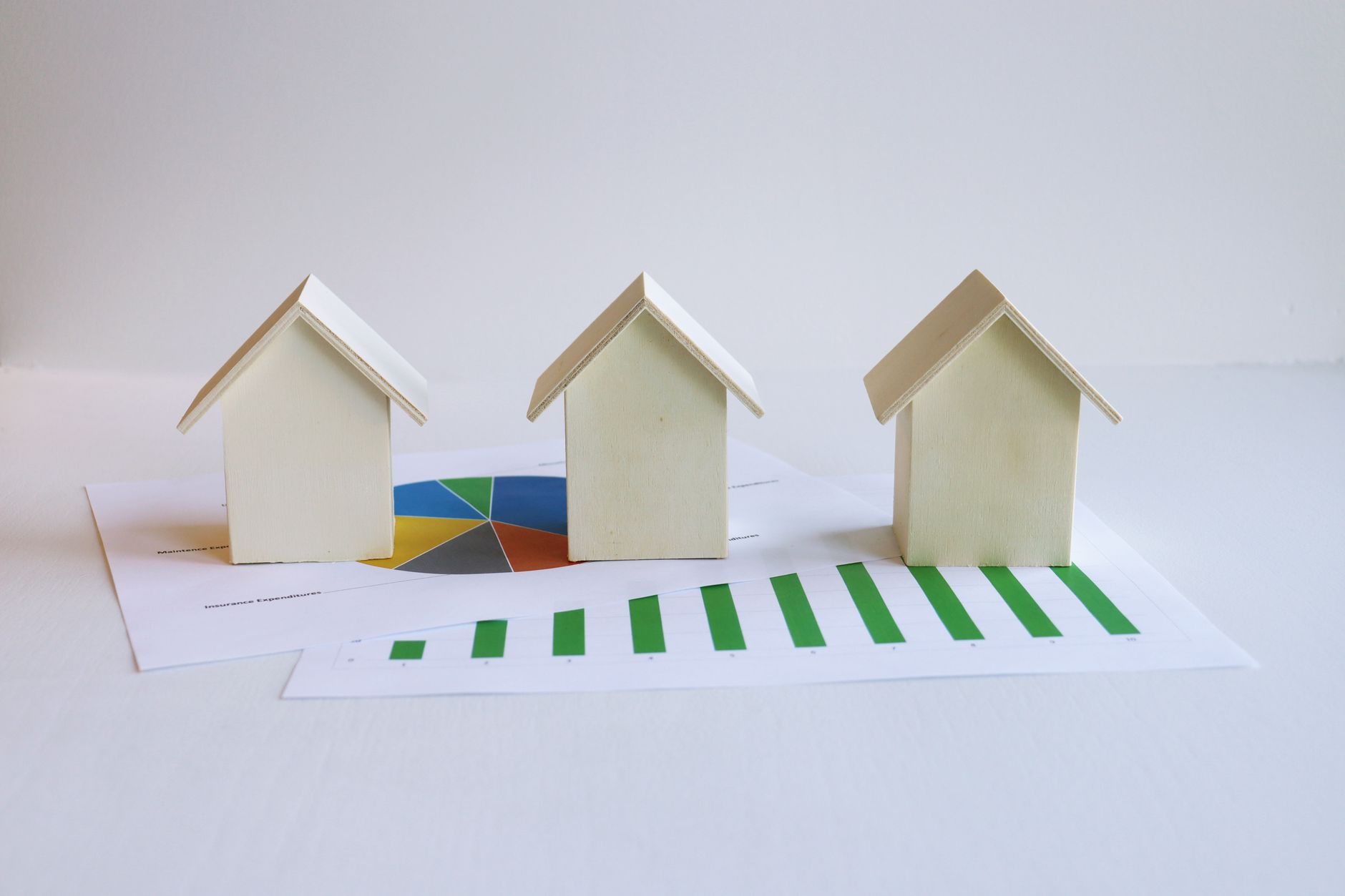
- The housing market is experiencing a significant downturn, characterized by declining sales, reduced new construction, and falling prices in many regions, impacted by high mortgage rates.
- Manufacturing output is contracting, indicating a broader slowdown in industrial activity as businesses face reduced demand and grapple with elevated input costs and supply chain complexities.
The Record
Economic indicators have been consistently flashing red for several months, painting an increasingly grim picture of the nation's financial health. Inflation, initially dismissed by many policymakers as 'transitory,' has proven stubbornly persistent, relentlessly eroding the purchasing power of average households. The Federal Reserve's aggressive campaign of interest rate hikes, while a necessary measure to combat runaway prices, is now visibly and profoundly impacting various critical sectors of the economy, from the once-booming housing market to the foundational manufacturing industry, signaling a broader deceleration.
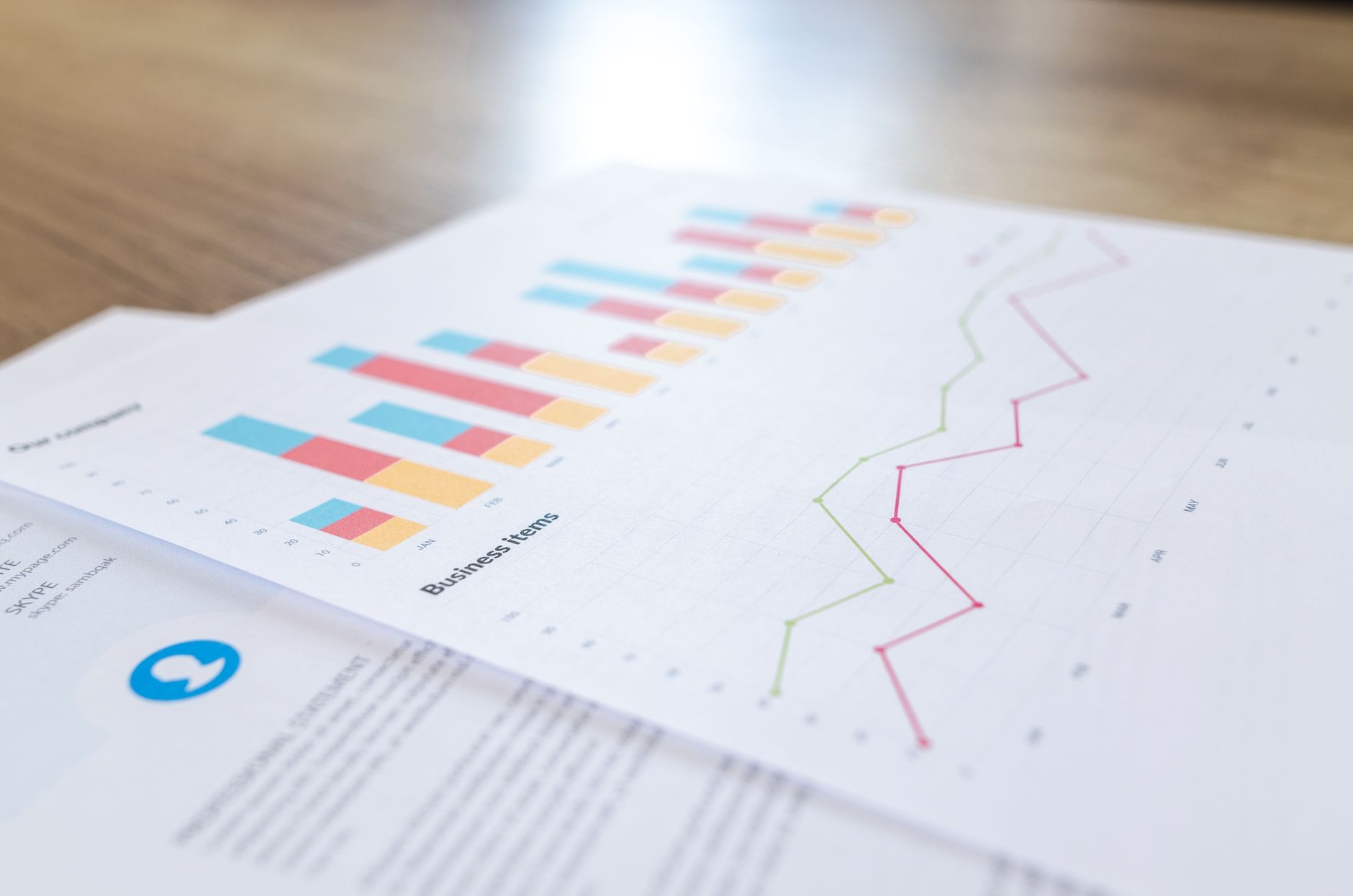
The latest Consumer Price Index (CPI) report delivered a stark reminder that inflation remains significantly above the Federal Reserve's targeted comfort zone, placing immense strain on family budgets. Concurrently, recent retail sales data unequivocally confirmed a substantial slowdown in consumer activity, indicating that households are tightening their belts amidst rising costs and growing economic anxiety. These critical figures, coupled with an increasingly tightening credit market where loans are harder to obtain and more expensive, collectively paint a deeply concerning and urgent picture for the immediate economic outlook, suggesting a challenging period ahead.
Beyond headline numbers, underlying trends reveal deeper vulnerabilities. Business investment is decelerating as companies become more cautious about future demand and profitability. Supply chain issues, though somewhat eased, continue to pose challenges, contributing to cost pressures and production delays. Furthermore, global economic headwinds, including geopolitical tensions and slower growth in major trading partners, are adding external pressures, making the domestic economic landscape even more precarious. This confluence of factors strongly suggests that the economy is losing momentum rapidly, pushing it closer to a recessionary environment.
Who Knew and When
The economic community has been sharply divided on the trajectory of inflation and the potential for a recession, reflecting a complex interplay of factors and differing analytical frameworks. Early in the pandemic recovery, a segment of prominent economists vociferously warned about the impending inflationary pressures, attributing them to unprecedented levels of fiscal stimulus combined with severe global supply chain disruptions. These experts argued that the surge in demand, coupled with constrained supply, would inevitably lead to sustained price increases, urging preemptive policy action to mitigate the risks.
Conversely, another influential group of economists and, notably, the Federal Reserve itself, initially maintained a more sanguine outlook, characterizing inflation as 'transitory'—a temporary phenomenon that would naturally subside as supply chains normalized. This perspective led to a delayed and, arguably, insufficient policy response, allowing inflationary expectations to become more entrenched within the economy. The Fed's initial stance is now widely criticized as a significant misjudgment, having potentially exacerbated the current economic challenges and necessitated a more aggressive, and thus more painful, tightening cycle.
The divergence in expert opinions highlights the inherent difficulties in forecasting economic shifts, especially during periods of unprecedented global events. However, the consistent underestimation of inflation's persistence by some key institutions has significant implications for public trust and future policy credibility. As the evidence of a slowing economy and persistent price pressures mounts, the debate has shifted from 'if' a recession will occur to 'how severe' it might be, and whether policymakers acted decisively enough when the early warning signs first emerged, leaving many to question the efficacy of economic foresight.
Voices from the Ground
From Main Street businesses to individual households, the economic strain is palpable, echoing through communities nationwide. Small business owners, the backbone of local economies, are reporting increasing difficulty in securing essential loans and managing the relentless surge in operational costs, from raw materials to labor. Many are forced to make agonizing decisions, such as delaying expansion plans, cutting employee hours, or even considering layoffs, just to keep their doors open. This financial squeeze stifles innovation and growth, creating a ripple effect that impacts local employment and consumer services.
Consumers are unequivocally feeling the sharp pinch of higher prices across the board, particularly for non-negotiable essentials like groceries, fuel, and housing. This inflationary pressure is leading to a significant reduction in discretionary spending, as families prioritize basic needs over luxuries or even important investments. Many individuals and families are expressing profound worry about their job security, fearing that the economic slowdown could lead to widespread layoffs. The cumulative effect is a pervasive sense of anxiety and uncertainty about future financial stability, forcing many to dip into savings or take on more debt.
The stories from the ground paint a vivid picture of hardship and adaptation. A recent survey revealed that nearly half of all Americans are living paycheck to paycheck, a figure exacerbated by current economic conditions. Retirees on fixed incomes find their savings dwindling faster than anticipated, while young families struggle to afford their first home or even maintain their current standard of living. These personal narratives underscore the real-world consequences of macroeconomic shifts, demonstrating how abstract economic data translates into tangible struggles for millions, highlighting the urgent need for stability.
The Debate
The central debate among economists and policymakers currently revolves around the Federal Reserve's aggressive monetary policy: specifically, whether the central bank has overtightened, pushing the economy unnecessarily towards a recession, or if its actions are precisely what is required to decisively bring inflation under control. Critics argue that the rapid succession of interest rate hikes has created a significant lag effect, meaning the full impact of these policies has yet to be felt, and that further tightening risks pushing an already slowing economy into a deep and prolonged downturn, potentially sacrificing jobs for price stability.
Conversely, proponents of the Fed's current hawkish stance contend that inflation, once deeply entrenched, is incredibly difficult and costly to dislodge, often requiring even more drastic measures later on. They insist that the Fed must maintain its vigilance and commitment to price stability, even if it means enduring a period of slower growth or a mild recession. This camp fears that pausing rate hikes prematurely could reignite inflationary pressures, undoing all the painful progress made so far and leading to a more volatile economic future, making the trade-off between inflation and growth a contentious point.
Beyond the immediate question of rate hikes, the debate also extends to the effectiveness of fiscal policy and the role of government spending in either exacerbating or mitigating economic challenges. Some argue that past fiscal stimulus contributed to inflationary pressures, while others call for targeted government intervention to support vulnerable populations and industries during a downturn. This multifaceted discussion underscores the lack of a clear consensus on the optimal path forward, highlighting the immense pressure on leaders to navigate a complex economic landscape with imperfect information and significant political ramifications.

Your Questions Answered
What Accountability Looks Like
Policymakers across both monetary and fiscal spheres face intense scrutiny for their handling of the current inflationary environment and the looming threat of a recession. The effectiveness of the Federal Reserve's monetary policy, particularly its timing and magnitude of interest rate adjustments, will be rigorously judged by its ability to stabilize prices without inflicting undue hardship on the labor market or triggering a severe economic contraction. The initial delay in recognizing persistent inflation and the subsequent rapid tightening cycle have drawn significant criticism, raising questions about foresight and responsiveness.
On the fiscal side, government leaders will be held accountable for their spending decisions and their impact on national debt and inflationary pressures. The debate over whether past stimulus packages contributed excessively to demand-side inflation remains contentious. Moving forward, any proposed fiscal interventions to cushion the blow of a recession will need to be carefully crafted to avoid exacerbating inflation while providing genuinely effective support to vulnerable populations and struggling businesses, requiring a delicate balance that has often proven elusive in practice.
Ultimately, accountability will be measured by the tangible outcomes for ordinary citizens: whether jobs are preserved, whether purchasing power is restored, and whether the economy can navigate this turbulent period with minimal long-term damage. The public demands transparency and clear communication regarding the strategies employed and the rationale behind difficult policy choices. Failure to achieve a relatively soft landing or to provide adequate support during a downturn could severely erode public trust in economic governance, underscoring the critical importance of effective and timely leadership in these challenging times.











Comments
No comments yet. Be the first to comment!