
Key Takeaways
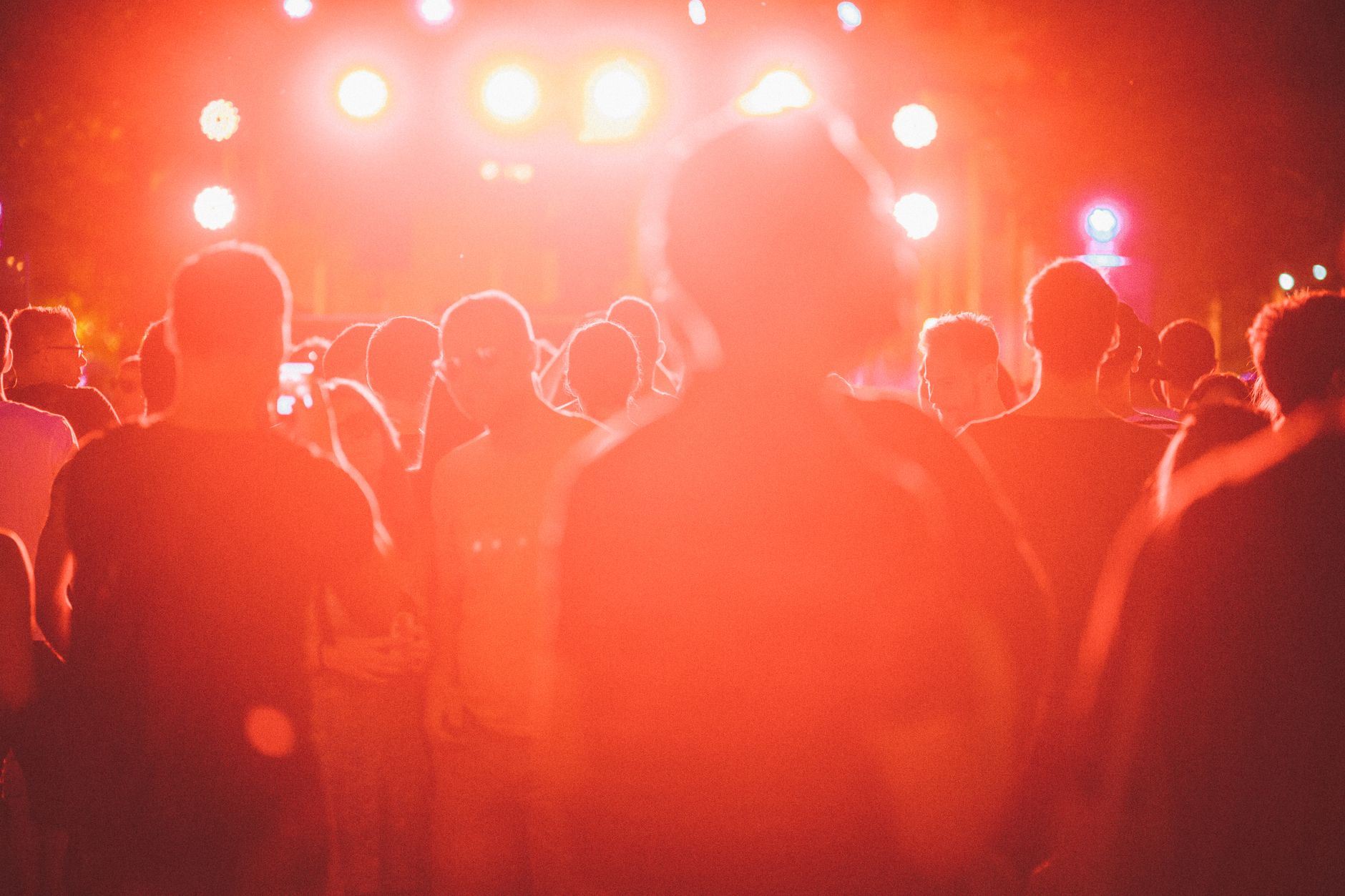
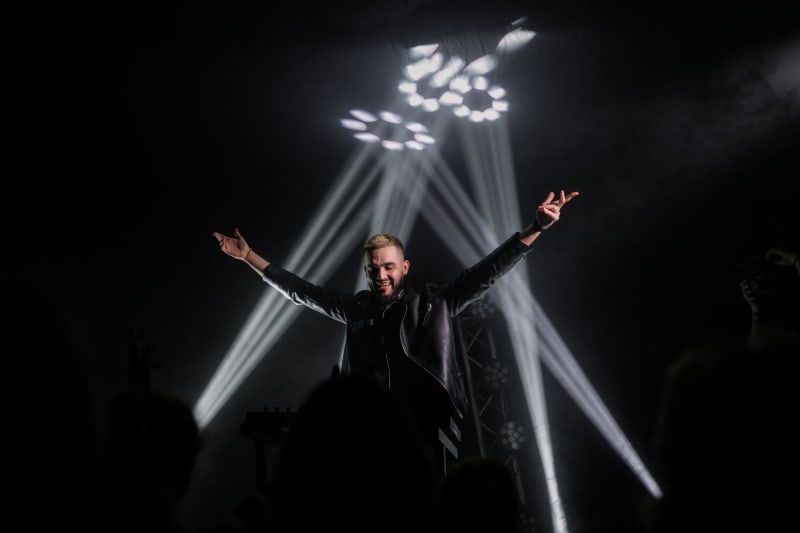
- Five musical acts have publicly withdrawn from the Freedom 250 festival lineup.
- Organizers aim for a non-partisan celebration of American heritage, but the festival's name and timing have sparked controversy.
- The artist withdrawals highlight growing pressure on performers to align with or distance themselves from specific social and political stances.
- Festival organizers are facing scrutiny over their branding, which many interpret as carrying an unintended political message.
Background
For decades, music festivals served as perceived neutral grounds for diverse audiences and artists. Events like Coachella and Glastonbury historically prided themselves on being cultural sanctuaries where artistic expression, not politics, was the currency. This era of assumed apolitical sanctuary is rapidly eroding. The definition of 'freedom' and 'heritage' in a fractured society is now contested terrain, a battleground cultural events can no longer avoid.
The Freedom 250 festival represents a pivot. Organizers state a mission to celebrate American heritage and freedom, envisioning a festival free from partisan politics. However, its timing amidst heightened polarization has cast its message into an intense spotlight. What may have been conceived as a straightforward patriotic gathering has become a symbol loaded with specific political connotations, causing significant friction before the first performance.
Why It Matters
The ripples from the Freedom 250 controversy extend far beyond its roster. For artists, especially those with a public profile, association carries weight, shaping their brands, fan bases, and creative output. This situation disproportionately affects musicians relying on broad appeal, forcing a precarious dance between artistic integrity and marketability in an environment where public opinion shifts rapidly.
This moment serves as a bellwether for how cultural institutions will navigate an increasingly ideologically charged public sphere. Pressure on artists to make public stances or refuse participation in misconstrued events is immense. It signals a broader trend where neutrality is often viewed with suspicion, and cultural expressions become battlegrounds for competing worldviews. The economic and reputational stakes are high for organizers, artists, and the concept of shared cultural experiences.
Ground Reality
While Freedom 250 organizers insist on a pure, apolitical celebration of national pride, the reality on the ground and online tells a different story. The artists who have withdrawn, citing vague but persistent 'concerns,' signal deep unease. Their departures create a noticeable void and indicate that participation might carry a cost. The festival’s branding, name, and announcement timing have proven potent catalysts for dissent among potential performers.
Official statements emphasize unity and focusing on 'what makes America great' through music. However, this narrative clashes with artists' expressed hesitations about the event's framing not aligning with their values. This disconnect suggests the intended message of non-partisanship is failing to land, or perhaps was never achievable. The withdrawal of talent isn't just a logistical hiccup; it's a public referendum on the festival's perceived identity.
What Experts Are Saying
Dr. Anya Sharma, a cultural sociologist, views this as a predictable consequence of hyper-polarized times. 'We've moved past the point where cultural events can claim true neutrality,' she stated. 'The very act of naming an event, choosing a date, selecting a theme – these are inherently political decisions in a society that scrutinizes every facet of public life. Organizers of Freedom 250, by attempting to evoke a particular brand of 'freedom,' have inadvertently stepped into a political arena they seem ill-equipped to manage.' Sharma argues artists increasingly perform a political calculus, weighing backlash against the allure of a gig.
Veteran music industry analyst Mark Jenkins offers a pragmatic perspective. 'Look, this isn't about deep ideological divides for many of these artists. It's about risk management,' Jenkins explained. 'In an age of instant information and vocal fan bases, an artist's brand is their livelihood. If a significant chunk of their audience views an event negatively, regardless of the organizer's intent, it's safer to walk away. It’s less about protesting the festival's message and more about avoiding a PR nightmare. You might think this is about principle, but often it's just business, amplified by social media.' Jenkins also noted that financial incentives might not outweigh perceived reputational damage for some acts.
Frequently Asked Questions
What Happens Next
The immediate future for Freedom 250 involves damage control and a potential reassessment of its public relations strategy. Organizers will likely attempt to secure replacement acts and reiterate their non-political stance, perhaps through carefully worded press releases or interviews. The coming weeks will be critical as they aim to stem further withdrawals and quell the growing controversy. Industry observers will watch for any public statements from artists who remain committed, which could either bolster the organizers' narrative or further expose divisions.
Beyond this event, the precedent set by these withdrawals will likely influence future festival planning and artist booking decisions globally. Expect increased scrutiny on festival themes, names, and potential affiliations. A key indicator will be whether other large-scale cultural events begin to proactively address potential political interpretations of their branding to preempt similar controversies. The next six months will clarify whether this trend toward public ideological accounting in entertainment is a passing storm or a permanent fixture.







Comments
No comments yet. Be the first to comment!