
Policy Snapshot
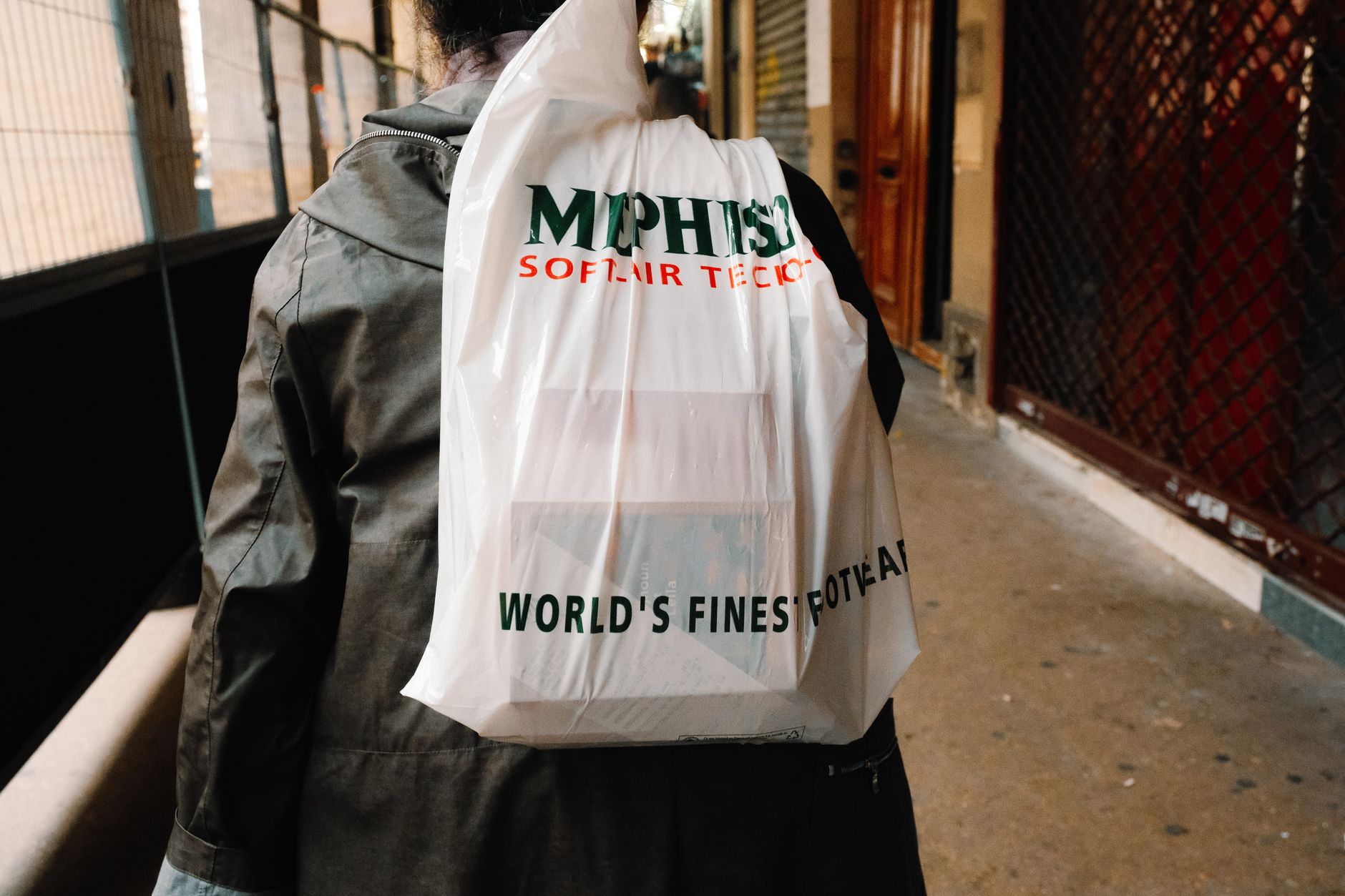
- Effective January 1, 2024, all California retailers must stop providing single-use plastic bags at checkout, expanding previous laws.
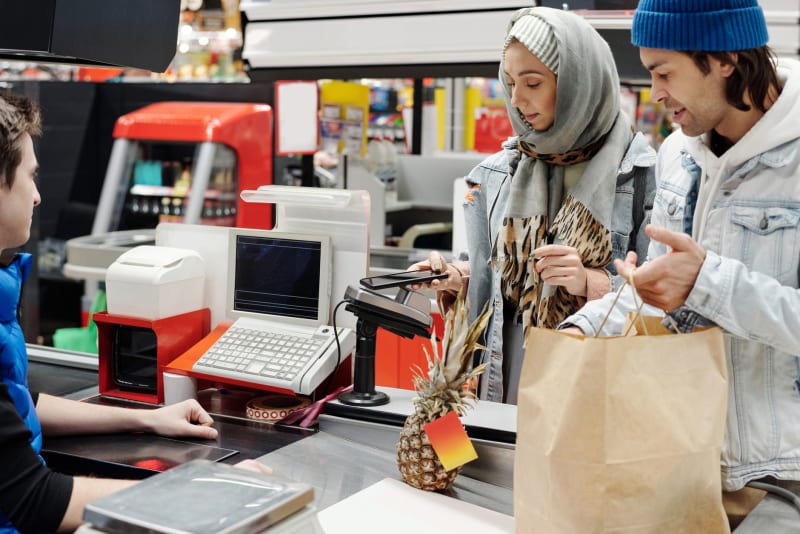
- Retailers can offer paper bags for a minimum $0.25 charge, aiming to discourage single-use options.
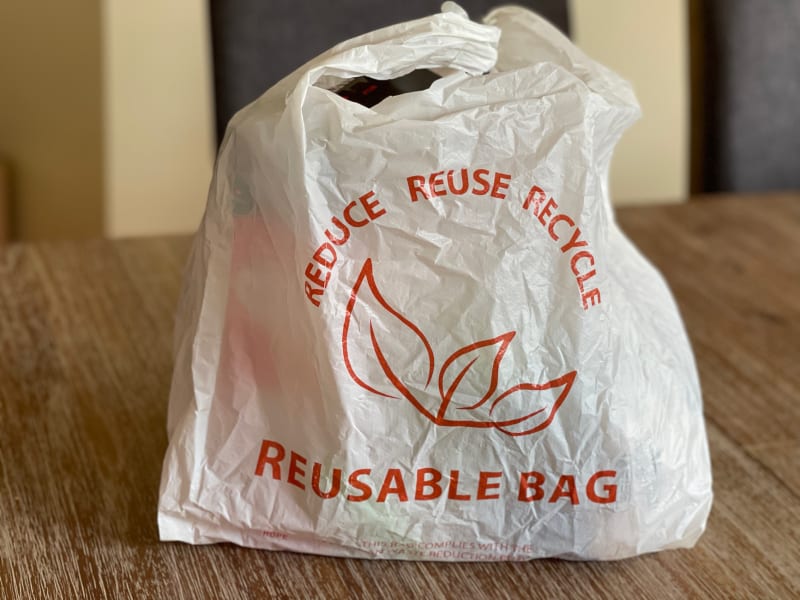
- Consumers are strongly encouraged to use reusable bags; retailers should promote their adoption.
- Retailers face escalating fines, from warnings to up to $1,000 for repeated non-compliance.
The Policy History
California's plastic bag regulation evolved from local ordinances to a statewide mandate. Years of varied city and county bans highlighted environmental concerns but created business confusion. Early statewide attempts, like AB 197, faltered. Senate Bill 270, passed in 2014 and upheld by voters in 2016, finally established a statewide ban on single-use plastic bags and a paper bag fee for most grocery and convenience stores. The 2024 expansion extends this prohibition to all retail establishments, marking the latest chapter in this ongoing environmental policy.
Who Is Affected
California's entire retail sector, from corner stores to large chains, must now comply with the ban. Consumers face a shift in shopping habits, needing to remember reusable bags or pay for paper alternatives. Low-income households and individuals who relied on the convenience of plastic bags may experience increased costs. Those with mobility challenges might find carrying reusable bags more difficult. The policy standardizes rules across all 58 counties, ending years of fragmented local regulations.
The Case For
The core argument for the ban centers on its environmental impact. Single-use plastic bags are notorious pollutants, littering landscapes, clogging drains, and harming marine ecosystems. A 2021 study found plastic bags comprised over 10% of beach debris in California. Eliminating them at checkout aims to drastically cut plastic waste, protect wildlife, and preserve the state's natural beauty. Proponents cite successful reductions in plastic bag use in other jurisdictions as evidence this expansion will yield significant positive environmental outcomes.
The Case Against
Critics contend the ban places an undue burden on low-income consumers and small businesses, who may struggle with the cost of paper bags or reusable options. The $0.25 surcharge can act as a regressive tax for those on tight budgets. Some environmentalists argue the focus on bags distracts from larger pollution sources. Additionally, skepticism exists regarding the environmental benefits of paper bags, which carry their own substantial production and transportation footprints, a factor often minimized in the debate.
Policy Questions Answered
Implementation Watch
The policy's ultimate success hinges on consistent retailer compliance and a demonstrable decrease in plastic bag litter. Key indicators to monitor include reports of non-compliance, the volume of paper bags sold (revealing if consumers are shifting to another single-use item), and the uptake of reusable bag programs. Customer feedback and observed reductions in plastic bag waste collected by sanitation services and during environmental cleanups will offer clear metrics on the ban's effectiveness in curbing pollution.















Comments
No comments yet. Be the first to comment!