
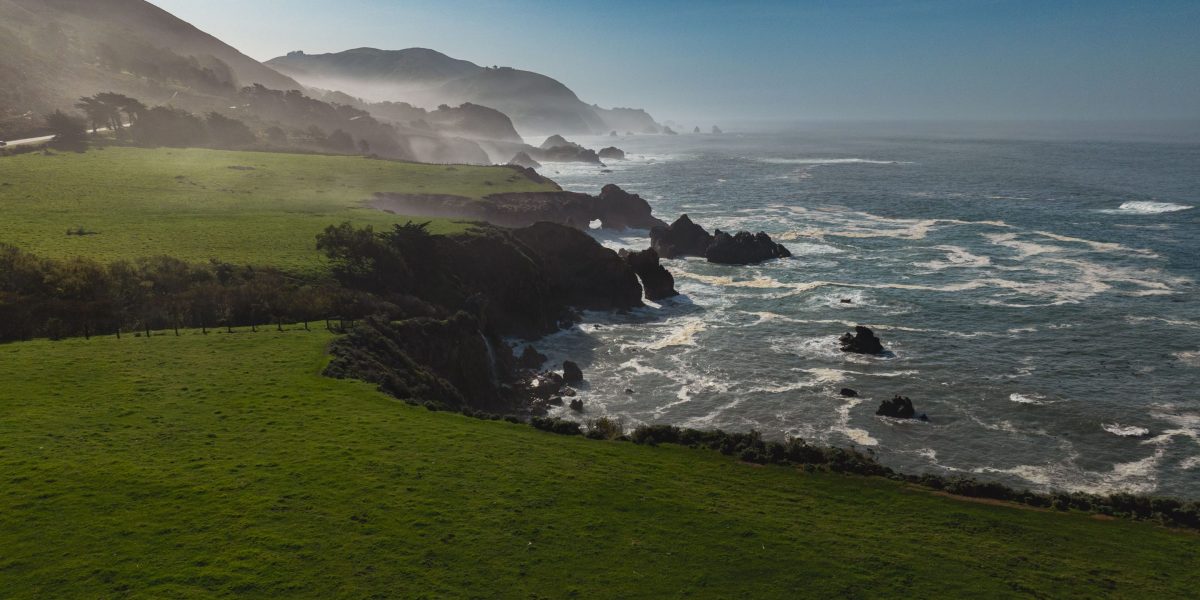
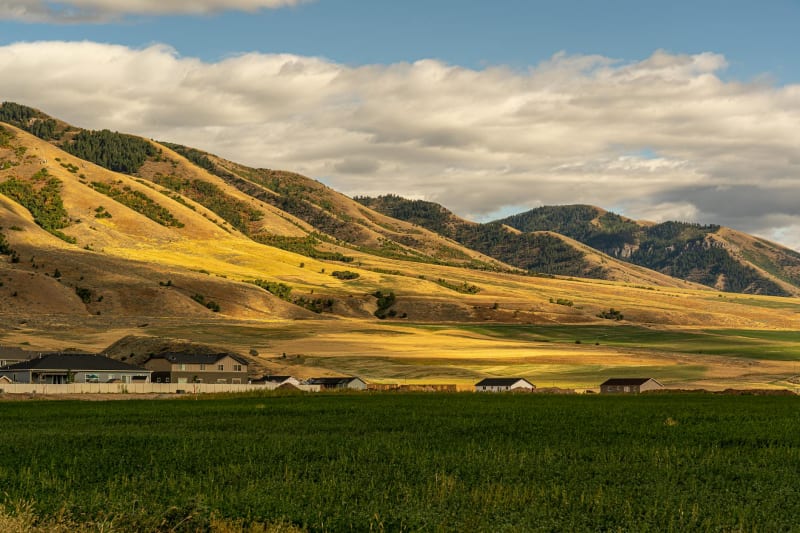
The Story in Brief
- Sophisticated buyers are increasingly targeting California's Central Coast, focusing on expansive ranch and winery estates rather than typical luxury homes.
- The motivations extend beyond the idyllic lifestyle, reflecting a deeper desire for tangible assets, agricultural investment potential, and the preservation of legacy properties.
- This trend indicates a significant shift in high-net-worth real estate acquisition, where enduring value and diversification are paramount considerations in current market dynamics.
- Real estate professionals observe a growing emphasis on properties offering both recreational appeal and viable income-generating opportunities, such as vineyards or equestrian facilities.
- The demand for these unique estates highlights a broader economic sentiment favoring tangible wealth preservation and long-term investment in agricultural and land-based assets.
- Market data suggests a sustained interest in properties that provide a sense of permanence and control, especially amidst fluctuating economic and global uncertainties.
The Human Face
For decades, I've navigated the intricate landscape of California's Central Coast real estate, witnessing firsthand the evolution of buyer desires. Initially, the allure was undeniably the lifestyle: the sun-drenched vineyards, the rolling hills, the ocean breezes. Buyers sought a weekend escape, a place to unwind and enjoy the fruits of the land. However, a palpable shift has occurred. The current wave of purchasers, often seasoned investors and entrepreneurs, are not merely buying a postcard-perfect existence. They are meticulously evaluating these properties as significant investments, looking for intrinsic value that transcends mere aesthetics. Their focus has sharpened on the underlying assets – the productive vineyards, the potential for agricultural expansion, the sheer acreage as a hedge against inflation, and the enduring appeal of land ownership.
These aren't fleeting whims; they represent a strategic approach to wealth management. Many buyers are diversifying their portfolios, moving capital from more volatile markets into tangible assets that offer both appreciation potential and a connection to the land. They speak of legacy, of creating something enduring for future generations, whether that involves expanding an existing winery, developing a boutique agricultural enterprise, or simply preserving a vast tract of pristine land. The conversation has moved beyond square footage and ocean views to include water rights, soil quality, grape varietals, and operational efficiencies. This signifies a profound understanding that these estates are not just homes, but complex, potentially lucrative businesses waiting to be optimized or expanded upon.
The discerning nature of these buyers is evident in their due diligence. They arrive with teams of consultants – vineyard managers, financial advisors, environmental experts – ready to scrutinize every facet of a property. They are less interested in turnkey perfection and more intrigued by potential. A property with room for growth, a vineyard that could be replanted with higher-value varietals, or land suitable for additional agricultural ventures holds far greater appeal than a fully manicured estate with limited upside. This pragmatic approach underscores a fundamental shift: the Central Coast's ranch and winery estates are increasingly viewed as robust investment vehicles, offering a unique blend of lifestyle benefits and substantial long-term financial security.
How We Got Here
The transformation of the Central Coast real estate market into a haven for sophisticated agricultural and ranch estate investments is a narrative woven from several threads. Decades ago, properties of this scale were often held by multigenerational farming families, with ownership driven by agricultural necessity rather than speculative investment. The emergence of California's wine industry boom, particularly from the late 20th century onwards, began to imbue these lands with a new kind of value. Vineyards became not just a crop, but a prestigious asset, attracting capital and attention from outside the traditional agricultural sector. This initial wave of interest, often focused on wine production, laid the groundwork for broader appreciation of the land's potential.
Furthermore, shifts in global economic conditions and investor sentiment have played a crucial role. As traditional financial markets have experienced volatility and periods of uncertainty, high-net-worth individuals and institutional investors have increasingly sought tangible assets as a store of value. Land, particularly productive agricultural land or land with significant development or recreational potential, offers a perceived stability and a hedge against inflation that paper assets cannot always provide. The Central Coast, with its established reputation for quality agriculture and viticulture, combined with its desirable climate and natural beauty, became a prime target for this capital reallocation.
The increasing sophistication of the agricultural and wine industries themselves has also contributed. Advances in farming techniques, water management, and winemaking technology have made these operations more efficient and potentially more profitable. This professionalization attracts buyers who see not just a lifestyle property, but a viable business opportunity. Coupled with a growing awareness of sustainable practices and the premium market for ethically sourced and high-quality agricultural products, these estates represent a compelling proposition for those looking to blend passion with profit. The infrastructure and established reputation of the region further solidify its appeal as a long-term investment destination.
Why This Cannot Be Ignored
The escalating demand for Central Coast ranch and winery estates signifies more than just a hot real estate market; it reflects a fundamental reevaluation of asset classes by affluent investors. This trend underscores a growing preference for tangible wealth preservation over purely speculative financial instruments. As buyers prioritize land, agricultural potential, and legacy-building opportunities, it signals a potential recalibration of investment strategies across the board, emphasizing resilience and intrinsic value in times of economic uncertainty. Ignoring this shift means overlooking a significant movement in capital towards assets perceived as more stable and enduring.
This burgeoning interest has profound implications for the region's economy and landscape. The influx of capital into large-scale agricultural properties can drive up land values, potentially impacting affordability for existing farmers and local residents. It also raises questions about land use, conservation, and the future character of the Central Coast. Understanding these dynamics is crucial for policymakers, community leaders, and existing landowners to navigate the evolving economic and social fabric of the area responsibly, ensuring that development aligns with long-term regional sustainability and community well-being.
Furthermore, the motivations behind these acquisitions—seeking tangible assets and enduring legacies—speak to a broader societal sentiment. It suggests a desire for stability, control, and a connection to something more permanent amidst rapid global change. This underlying psychology influences not only real estate but potentially consumer behavior, business investment, and even political discourse. Recognizing this deep-seated need for tangible security and lasting impact is key to understanding the current economic climate and anticipating future market trends beyond just the luxury property sector.
Possible Paths Forward
For landowners considering the sale of their ranch or winery estates, this heightened investor interest presents a unique opportunity to achieve optimal value. The key lies in understanding and articulating the multifaceted appeal of their property beyond its immediate aesthetic qualities. This involves highlighting not just the lifestyle benefits but also the inherent agricultural productivity, potential for expansion, water resources, and any unique historical or environmental attributes. Engaging with real estate professionals who specialize in agricultural and high-value land transactions is paramount, as they possess the expertise to connect sellers with the right caliber of sophisticated buyers and navigate complex negotiations effectively.
Prospective buyers, on the other hand, must approach these acquisitions with a strategic, long-term vision. Diligent due diligence is non-negotiable, extending beyond standard property inspections to encompass thorough evaluations of water rights, soil viability, existing agricultural operations, zoning regulations, and potential for future development or enhancement. Building relationships with local agricultural experts, legal counsel specializing in land use, and financial advisors experienced in agricultural investments will be critical. This comprehensive approach ensures that the purchase aligns with investment goals, whether focused on wine production, other agricultural ventures, or simply long-term land appreciation.
Looking ahead, the region may see increased investment in agricultural technology and sustainable practices, driven by buyers seeking to enhance the value and efficiency of their estates. This could foster innovation within the local farming and winemaking communities. Additionally, there may be a growing trend towards conservation easements or other land preservation strategies, as buyers seek to protect the natural beauty and ecological integrity of their holdings while potentially realizing tax benefits. Navigating these opportunities requires collaboration between landowners, investors, conservation groups, and local authorities to ensure that growth is both economically beneficial and environmentally responsible.

Questions People Are Actually Asking
What to Watch
- Monitor shifts in water rights and agricultural regulations, as these significantly impact the viability and value of ranch and winery estates.
- Observe the trend of institutional investment versus individual high-net-worth buyers, as this can influence market dynamics and property accessibility.
- Track the performance of wine and specialty crop markets, as their success directly correlates with the profitability and attractiveness of vineyard and agricultural land.
- Pay attention to infrastructure development, including transportation and technology access, which can enhance the operational efficiency and desirability of remote estates.
- Note any changes in local zoning or land use policies that might affect development potential or conservation efforts on these large properties.
- Keep an eye on broader economic indicators, such as interest rates and inflation, which influence capital flow into tangible assets like real estate.


















Comments
No comments yet. Be the first to comment!