

Key Takeaways
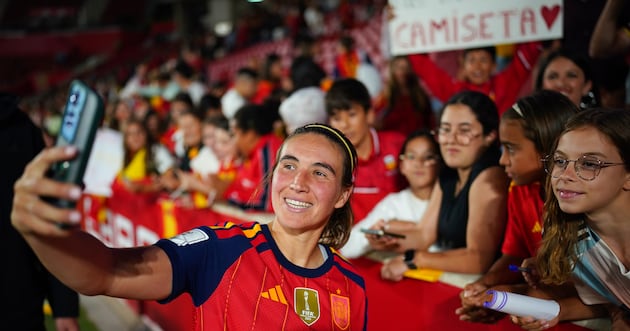
- A significant portion of Utah residents express a strong preference for the FIFA World Cup, citing its global reach, passionate fan engagement, and the unifying power of a single sport capturing worldwide attention for a concentrated period.
- Conversely, the Olympic Games are highly valued for their diversity of sports, showcasing a broader spectrum of athletic achievement and national pride through a multitude of disciplines, appealing to a wider range of interests beyond just football.
- Local sentiment in Utah reveals a nuanced understanding of both events' impacts, with some prioritizing the singular, intense focus of the World Cup, while others champion the inclusive, multi-sport celebration that defines the Olympics.
- The economic and cultural influence of these mega-events is a key consideration for Utahns, with discussions touching upon tourism, national identity, and the aspirational value of witnessing peak human performance across various athletic endeavors.
- Ultimately, the debate among Utah residents highlights differing perspectives on what constitutes the pinnacle of global sporting spectacle, reflecting personal passions, cultural backgrounds, and individual definitions of athletic greatness and universal appeal.
- Understanding these local viewpoints provides a microcosm of the global conversation, illustrating how diverse communities engage with and prioritize international sporting phenomena based on their unique cultural lenses and lived experiences.
Background
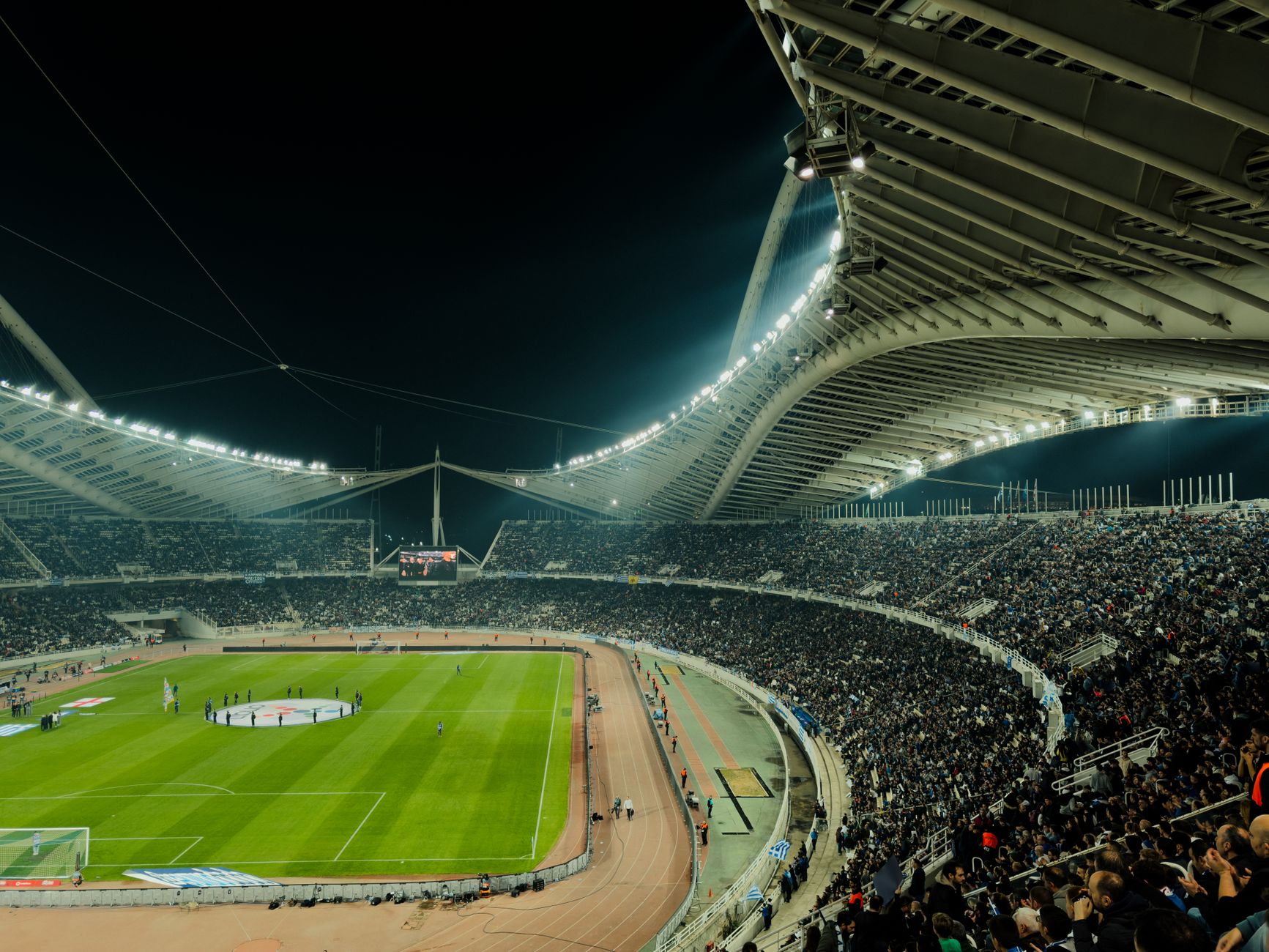
The FIFA World Cup and the Olympic Games stand as titans in the global sporting landscape, each commanding immense viewership and cultural significance. The World Cup, a quadrennial tournament featuring international football (soccer) teams, has evolved into the planet's most widely viewed and followed single sporting event, transcending borders and languages with its simple yet profound narrative of national competition. Its history is rich, dating back to 1930, and it has consistently delivered moments of unparalleled drama and global unity, making it a cultural touchstone for billions. The event's ability to unite diverse populations under the banner of their national teams fosters an intense sense of collective identity and shared experience, often overshadowing other global events in terms of sheer popular engagement and emotional investment.
In parallel, the Olympic Games, with roots stretching back to ancient Greece and a modern revival in 1896, represent a broader celebration of human athletic potential across an expansive array of disciplines. Held every four years, alternating with the Winter Games, the Olympics bring together athletes from nearly every nation to compete in everything from track and field to swimming, gymnastics, and team sports. This multi-sport format not only showcases a wider variety of athletic skills but also promotes ideals of peace, friendship, and international cooperation. The sheer scale of the Olympics, involving thousands of athletes and a vast program of events, offers a comprehensive spectacle of sporting excellence and a powerful platform for showcasing global diversity and achievement.
The perennial question of which event holds greater prestige or global impact is a subject of ongoing debate among sports enthusiasts, media, and academics. While the World Cup often boasts higher raw viewership numbers for its final match, the Olympics, with its broader scope and longer history of promoting global unity, claims a unique place in the hearts of many. This comparison is complicated by differing metrics of success – is it sheer audience size, the diversity of participation, the historical legacy, or the underlying message of global camaraderie? Examining these two monumental events through the lens of a specific community, such as Utah, can provide valuable insights into how these global phenomena are perceived and valued at a local level, revealing underlying cultural priorities and perspectives on international sports.
Why It Matters
Understanding how communities like Utah perceive the World Cup versus the Olympics is crucial because these events are more than just sporting competitions; they are powerful cultural and economic forces that shape national identity and global perception. The way residents engage with and prioritize these mega-events can reflect deeper societal values, such as the appreciation for singular, intense competition versus a broader embrace of diverse athletic pursuits and international camaraderie. This local perspective offers a valuable counterpoint to global media narratives, highlighting how national passions are filtered and expressed at a grassroots level, influencing local economies, tourism, and even the development of sports infrastructure.
Furthermore, the discourse surrounding these events can illuminate discussions about national pride, global citizenship, and the role of sports in fostering social cohesion. For a state like Utah, with its unique demographic and cultural landscape, examining opinions on the World Cup and Olympics can reveal how residents connect with international affairs and global culture. It provides insights into whether the unifying power of a single, globally dominant sport like soccer resonates more strongly than the diverse, multi-sport inclusivity of the Olympics, and what this preference signifies about their outlook on the world stage.
The insights gleaned from Utah's perspective also hold relevance for event organizers, policymakers, and sponsors. By understanding what aspects of these global spectacles appeal most to different demographics and regions, stakeholders can better tailor their strategies for engagement, marketing, and legacy planning. This localized understanding is vital for maximizing the positive impact of such events, ensuring they resonate with the values and interests of the communities that host or follow them, thereby fostering greater appreciation and participation in both athletic excellence and international understanding.
Ground Reality
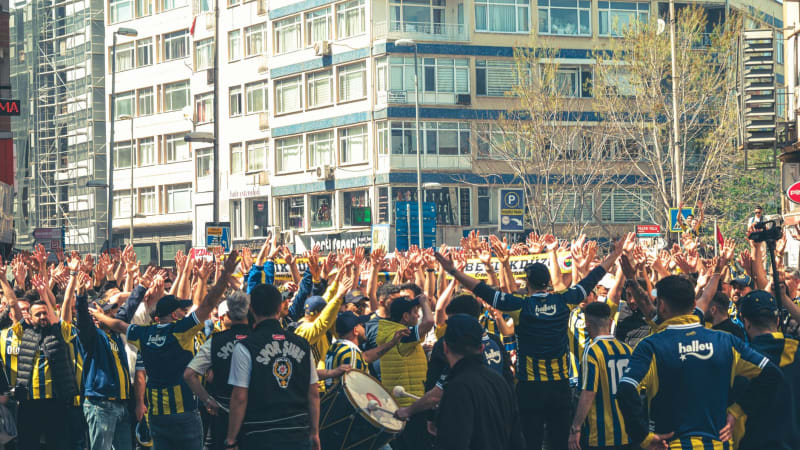
In Utah, the conversation about the World Cup versus the Olympics often reveals a clear division influenced by cultural background and personal sporting interests. Many residents, particularly those with international ties or a passion for soccer, gravitate towards the World Cup. They point to the sheer global passion it ignites, the intense national rivalries, and the month-long spectacle that captivates the world's attention. This event’s ability to unite diverse populations under a single banner of national pride creates a powerful, albeit temporary, sense of global solidarity that resonates deeply with many, making it feel like the ultimate test of international sporting prowess.
On the other hand, the Olympic Games hold significant sway for their embodiment of diverse athletic achievement and the spirit of global unity through multiple sports. Utahns who favor the Olympics often highlight the breadth of talent on display, from gymnastics and swimming to track and field and winter sports (given Utah's own winter sports heritage). They appreciate the showcasing of individual dedication across a vast spectrum of disciplines and the message of peace and international friendship that the Games aim to promote, seeing it as a more comprehensive and inclusive celebration of human potential.
The practical impact on the ground in Utah also shapes opinions. While neither event is directly hosted in the state, residents experience them through media consumption, local sports bars, community gatherings, and the general global conversation they generate. For some, the concentrated, high-stakes nature of the World Cup offers a more compelling narrative, while for others, the enduring legacy and multi-faceted appeal of the Olympics provide a richer, more sustained sense of global engagement. This local reality underscores that preferences are often shaped by individual experiences, cultural upbringing, and the specific values one associates with peak athletic performance and international competition.
What Experts Are Saying
Sports sociologists often note that the FIFA World Cup's unparalleled global reach stems from soccer's status as the world's most popular sport, deeply embedded in cultures across continents. Dr. Anya Sharma, a leading sports anthropologist, explains, "The World Cup taps into a primal form of nationalistic fervor and tribal identity that few other events can match. Its simplicity – a ball, two goals, two teams – makes it universally accessible and understandable, fostering a shared global language of competition that transcends cultural barriers and economic disparities."
Conversely, Olympic historians emphasize the Games' broader mandate beyond just athletic competition. Professor Kenji Tanaka, author of 'The Global Games: A History,' argues, "The Olympics were conceived as a vehicle for peace and international understanding, showcasing a diverse tapestry of human achievement. While the World Cup might draw larger single-event audiences, the Olympics' quadrennial gathering of nearly every nation, celebrating hundreds of sports and athletes, offers a more profound, albeit complex, statement on global interconnectedness and shared humanity."
Media analysts frequently point to the differing media strategies and narratives surrounding each event. "The World Cup is a month-long, high-octane drama focused on a single sport, creating intense, concentrated media cycles and fan engagement," notes broadcast consultant Maria Rossi. "The Olympics, while also massive, involve a more dispersed narrative across numerous sports and storylines, appealing to a wider, more eclectic audience over a longer period, but perhaps lacking the singular, all-consuming focus of the World Cup."
Frequently Asked Questions
What Happens Next
As the global sporting calendar continues to evolve, both the FIFA World Cup and the Olympic Games will undoubtedly remain at the forefront of international attention. Future iterations of these events will likely see increased emphasis on sustainability, technological integration, and athlete welfare, reflecting broader societal shifts. The ongoing debate about their relative significance will persist, fueled by new narratives, emerging sporting stars, and evolving fan engagement strategies across digital platforms. Understanding how these mega-events are perceived locally, as seen through the lens of Utah's diverse population, will continue to offer valuable insights into the complex relationship between global sports and community identity.
For Utah, the anticipation of future global sporting events, whether the next World Cup or the upcoming Olympics, will likely continue to spark local conversations and engagement. The state's own growing profile in hosting major sporting events, particularly in winter sports, may also influence how residents view and participate in global athletic spectacles. This dynamic interplay between local interests and international phenomena ensures that the discussion surrounding the World Cup and the Olympics will remain relevant and engaging for communities across the nation and the world.
Ultimately, the enduring appeal of both the World Cup and the Olympics lies in their ability to inspire, unite, and showcase the extraordinary capabilities of the human spirit. As these events progress, they will continue to shape cultural dialogues, foster international connections, and provide moments of shared global experience that transcend the boundaries of sport itself, leaving lasting legacies for generations to come.






Comments
No comments yet. Be the first to comment!