

Story in Brief
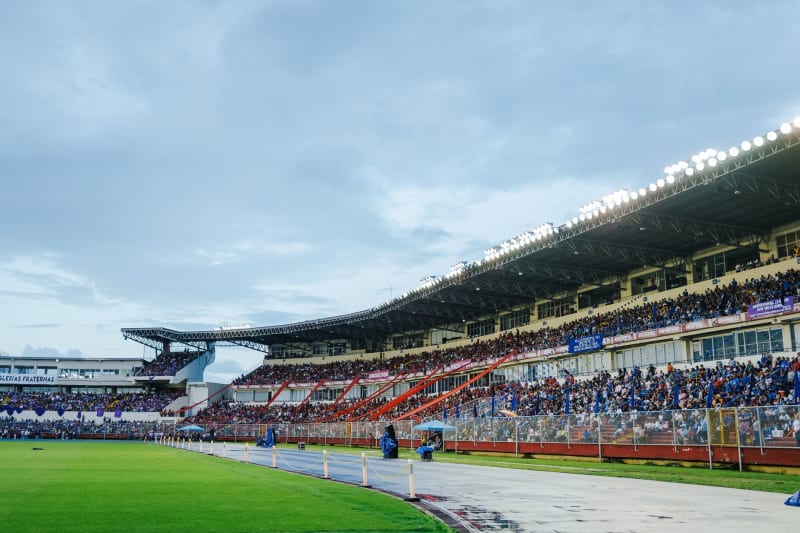
The global football community is buzzing with anticipation as the FIFA World Cup 2026 is mere hours away from its grand opening. This monumental tournament, hosted across three North American nations – Canada, Mexico, and the United States – promises to be the most expansive and inclusive edition in history, featuring an expanded field of 48 teams. Preparations have been meticulous, with stadiums finalized, security protocols enhanced, and fan zones established to accommodate millions of supporters expected to descend upon host cities. The opening match is set to feature the host nation, igniting the passion of fans and setting the stage for weeks of intense competition, strategic masterclasses, and unforgettable sporting drama. Every team arrives with hopes of glory, but only one can lift the coveted trophy, making every match a crucial step towards ultimate victory.
Beyond the thrilling on-field action, the World Cup 2026 carries significant geopolitical and economic weight. Host nations anticipate a substantial boost to their economies through tourism, infrastructure development, and global exposure, aiming to leverage the tournament's spotlight for long-term benefits. However, challenges remain, including managing the logistical complexities of a multi-nation hosting arrangement, ensuring player and fan safety amidst evolving global security concerns, and addressing the environmental impact of such a large-scale event. The tournament also serves as a platform for showcasing cultural diversity, fostering international camaraderie, and inspiring future generations of athletes. As the final countdown begins, the world watches, ready to embrace the drama, passion, and unifying power of the beautiful game.
The narrative leading up to this World Cup has been rich with compelling storylines: underdog teams striving for upsets, established giants aiming to reaffirm their dominance, and star players embarking on their final quests for international glory. Coaching strategies are finely tuned, player fitness is paramount, and the mental fortitude required for knockout stages will be tested rigorously. Fans worldwide are preparing for late-night or early-morning viewings, engaging in passionate debates about predictions, and celebrating the shared experience that only a World Cup can provide. The stage is set for a spectacular display of skill, determination, and the unyielding spirit of competition that defines this premier global sporting event.
What We Know
- The FIFA World Cup 2026 will officially commence in less than 24 hours, marking the beginning of an unprecedented tournament featuring 48 national teams competing across Canada, Mexico, and the United States.
- Opening ceremonies and the inaugural match are scheduled to take place at Estadio Azteca in Mexico City, setting a vibrant and historic tone for the global competition.
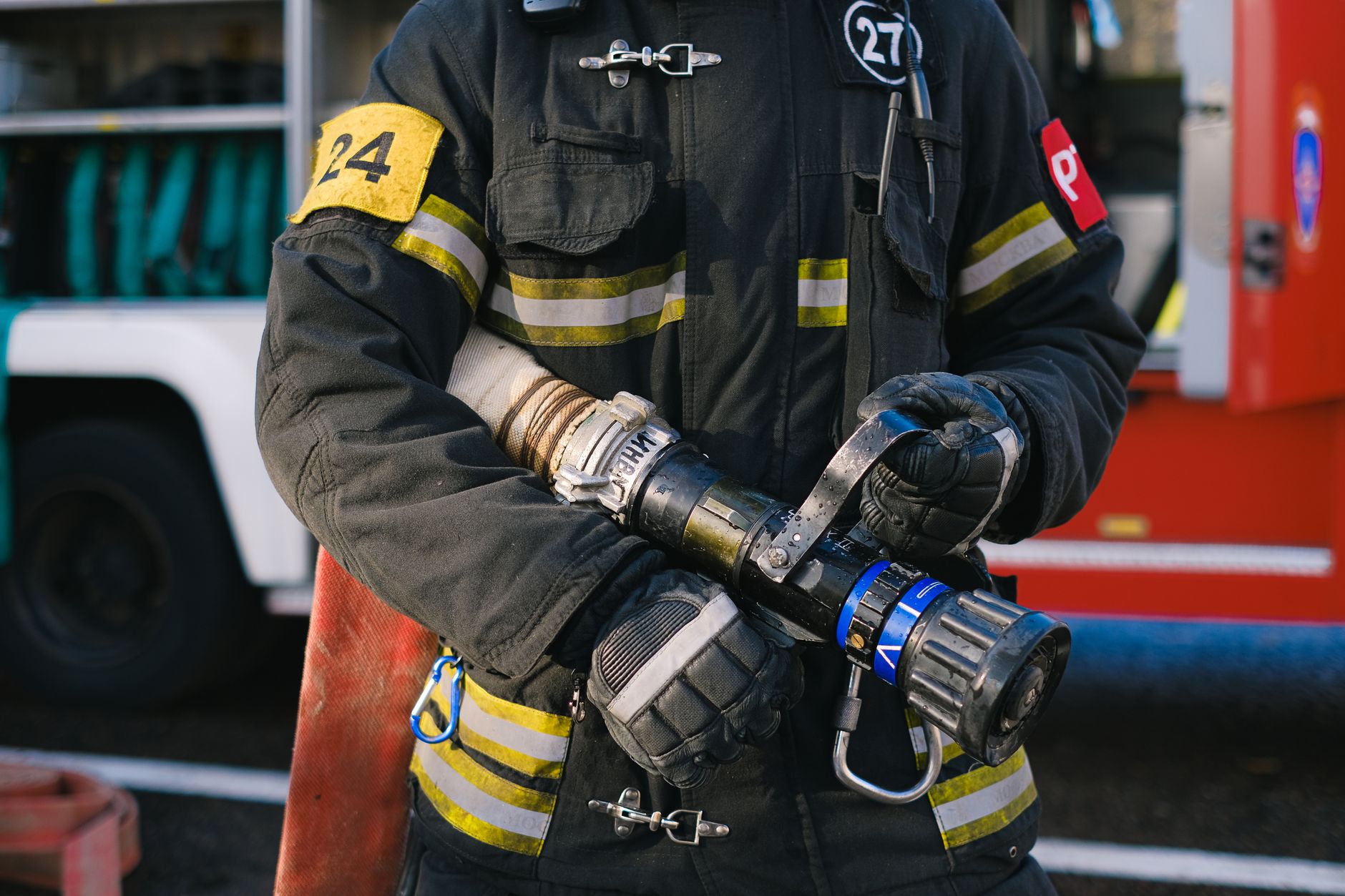
- Extensive security measures and logistical plans have been implemented across all host cities to ensure the safety of players, officials, and the millions of fans expected to attend matches and fan events.
- Major broadcasting networks globally have finalized their coverage plans, promising comprehensive live streams, expert analysis, and in-depth documentaries to capture every moment of the tournament.
- All participating teams have completed their final training camps and arrived at their respective team bases, with squads reporting full fitness and readiness for their opening fixtures.
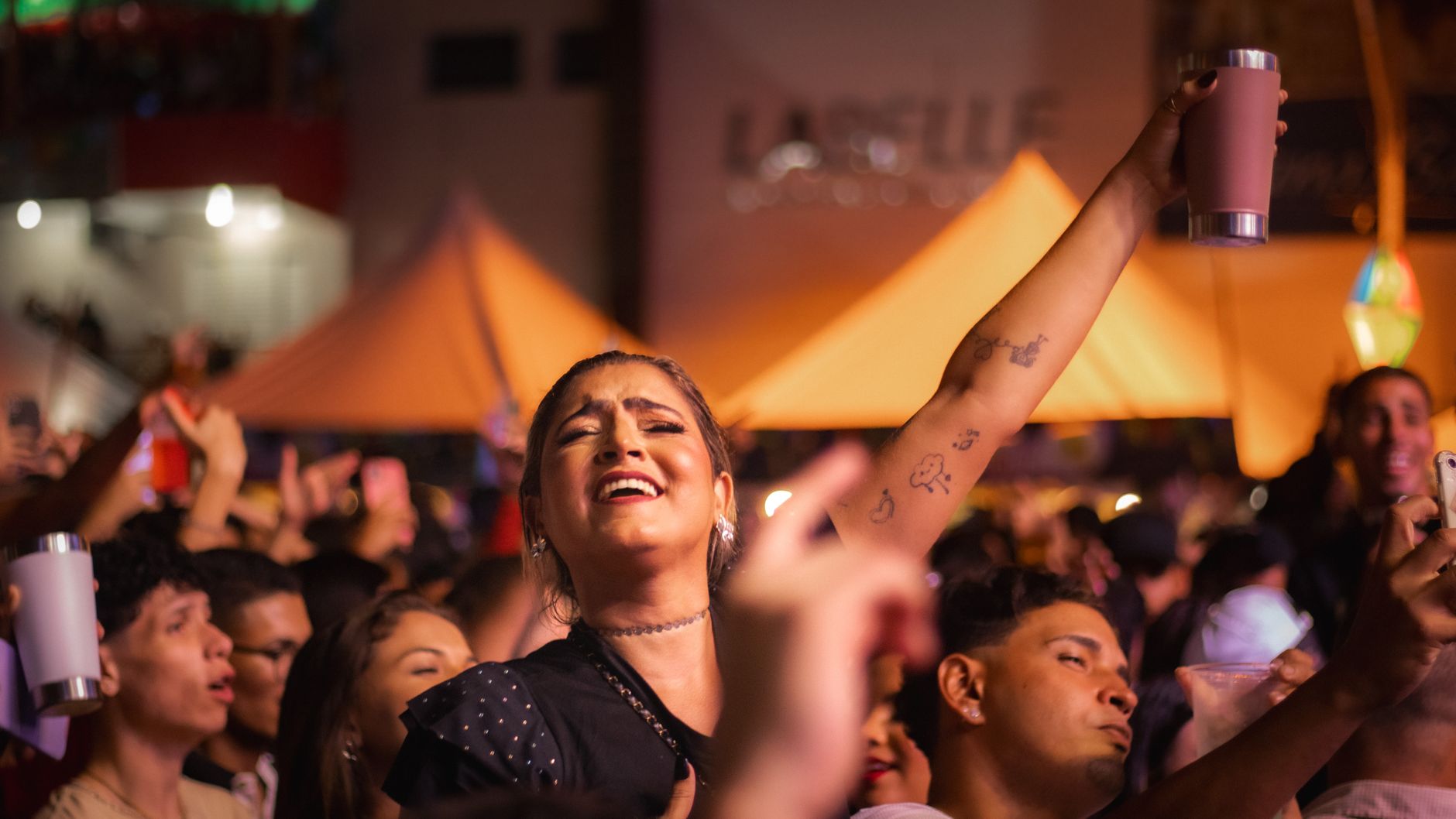
- Fan zones and official viewing parties are being set up in key locations worldwide, providing communal spaces for supporters to gather, celebrate, and experience the World Cup atmosphere together.
How We Got Here
The journey to World Cup 2026 has been a long and complex process, beginning with the initial bid submissions years ago. This particular tournament marks a significant expansion, growing from 32 to 48 participating nations, a decision driven by FIFA's desire to increase global inclusivity and provide more opportunities for emerging footballing powers. The joint bid from Canada, Mexico, and the United States ultimately triumphed over rival proposals, lauded for its robust infrastructure, established sporting culture, and logistical capabilities to host an event of such magnitude. The selection of host cities involved rigorous evaluations of stadium readiness, transportation networks, accommodation availability, and fan engagement potential, ensuring a high standard of delivery across all venues.
The qualification process itself was a grueling multi-year marathon, involving hundreds of national teams vying for a limited number of spots in the expanded finals. Continental confederations implemented new formats to accommodate the increased number of berths, leading to highly competitive and often dramatic qualifying campaigns. Several nations achieved historic first-time qualifications, while traditional powerhouses navigated tense play-off matches to secure their places. This extended qualification period not only built anticipation but also allowed teams to develop their strategies and cohesion under competitive pressure, ensuring that the teams arriving at the finals are well-prepared and battle-hardened.
In the lead-up to the tournament, significant investments have been made in infrastructure, including stadium renovations, transportation upgrades, and the development of state-of-the-art training facilities. Host cities have undertaken extensive urban development projects to enhance their capacity to welcome the influx of global visitors. Furthermore, extensive planning has gone into security, ticketing, and fan experience initiatives, aiming to create a safe, enjoyable, and memorable event for everyone involved. The collaborative effort between FIFA, the host nations, and local organizing committees has been crucial in navigating the logistical and operational challenges inherent in staging such a massive global event.
Why It Matters
The World Cup 2026 transcends mere sport; it represents a powerful confluence of culture, economics, and global diplomacy. For the host nations – Canada, Mexico, and the United States – this tournament offers an unparalleled opportunity to showcase their diversity, hospitality, and organizational prowess on the world stage. The economic ripple effects are expected to be substantial, with projections indicating billions of dollars in revenue generated through tourism, hospitality, and increased trade. Beyond the financial gains, the event serves as a catalyst for infrastructure development, leaving a lasting legacy of improved transportation, modern stadiums, and enhanced urban amenities that will benefit communities long after the final whistle blows.
On a global scale, the World Cup acts as a unifying force, bringing together people from all walks of life, transcending political divides and cultural barriers. It fosters a sense of shared experience and collective excitement, reminding the world of the power of sport to inspire unity and camaraderie. For aspiring young athletes, the tournament provides a dream-inspiring spectacle, motivating them to pursue their passion for football and potentially become the next generation of global superstars. The expanded format, featuring 48 teams, further amplifies this impact, offering a greater number of nations the chance to compete at the highest level, thereby promoting the growth and development of football worldwide.
The strategic importance of the World Cup 2026 cannot be overstated, particularly for FIFA and the sport's governing bodies. This edition, with its expanded participant list and multi-nation hosting, sets a precedent for future tournaments, testing new models for global sporting events. It provides a critical platform for assessing the evolving landscape of international football, identifying emerging talent, and understanding shifting fan engagement dynamics in the digital age. The success of this tournament will influence future bidding processes, commercial strategies, and the overall direction of global football governance for years to come, making its execution and impact critically important.

Frequently Asked Questions
What Happens Next
With the opening ceremony imminent, the immediate next step is the commencement of the opening match, which will officially ignite the World Cup 2026 competition. Following this, the group stage matches will unfold systematically across the 16 host cities, with multiple games scheduled daily. Fans can expect a rapid pace of play as teams vie for crucial points to advance to the knockout rounds. Media outlets will be providing round-the-clock coverage, analyzing performances, tracking team dynamics, and building narratives around key matchups and emerging stars.
In the coming days and weeks, the tournament will progress through its various stages: the group phase, followed by the round of 32, round of 16, quarter-finals, semi-finals, and ultimately, the grand final. Each stage will bring increased intensity and higher stakes, as the number of participating teams dwindles. Strategic adjustments by coaches, individual brilliance from players, and unexpected upsets will continue to shape the tournament's trajectory. The focus will shift from initial group standings to the high-pressure environment of single-elimination matches, where every decision and every goal carries immense weight.
Beyond the on-field action, host cities will be managing large-scale events, ensuring smooth operations for transportation, accommodation, and fan experiences. The economic impact will be closely monitored, with businesses and local economies feeling the effects of the global spotlight. International relations and cultural exchanges will be fostered through the shared experience of the tournament. Ultimately, the coming weeks will culminate in the crowning of a new world champion, an event celebrated globally and remembered for years to come, setting the stage for the future of international football.





Comments
No comments yet. Be the first to comment!