

Key Deal Highlights
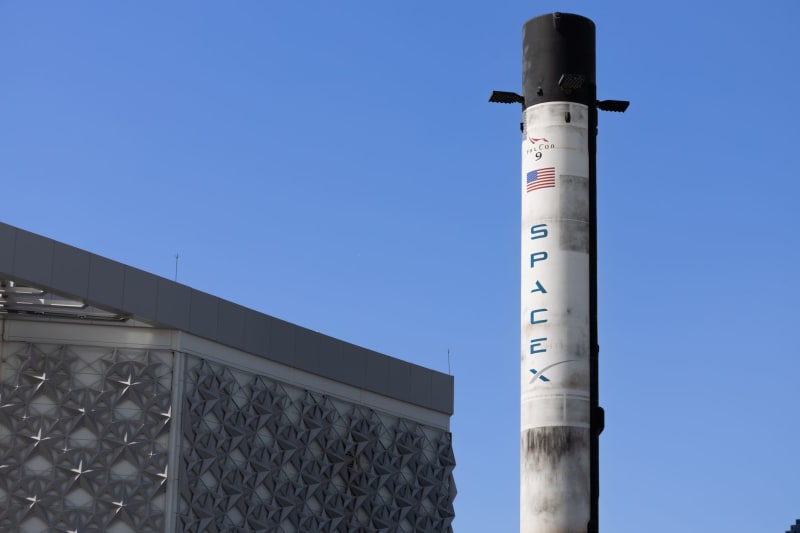
- SpaceX has officially completed its acquisition of Cursor, an advanced AI coding assistant, in a landmark deal valued at $60 billion, making it the largest startup M&A of the year. This valuation underscores the immense strategic importance placed on AI capabilities by leading technology firms.
- The integration of Cursor's sophisticated AI is expected to dramatically accelerate SpaceX's internal software development cycles, particularly for its Starship, Starlink, and autonomous drone operations. This move is a clear signal of SpaceX's commitment to leveraging cutting-edge AI for operational efficiency and innovation.
- This acquisition positions SpaceX not just as a leader in aerospace and satellite internet, but also as a significant player in the rapidly evolving artificial intelligence landscape. It signifies a strategic pivot towards deep AI integration across all facets of its ambitious projects.
- Industry analysts are closely scrutinizing the deal's implications for the broader AI market, anticipating increased competition and consolidation among AI development platforms. The $60 billion price tag sets a new benchmark for AI startup valuations, potentially inflating future acquisition costs.
- Regulatory bodies, particularly those concerned with anti-trust and market concentration, are expected to review similar future mega-deals more stringently, given the precedent set by this substantial transaction. The scale of this acquisition raises questions about market dominance in critical tech sectors.
- Cursor's existing user base and developer community are now brought under the SpaceX umbrella, raising questions about the future direction of the tool, its open-source commitments, and potential proprietary integrations. Ensuring a smooth transition for these users will be crucial for the deal's long-term success.
- The acquisition is also seen as a direct challenge to competitors in the space industry, many of whom are also exploring AI integration but perhaps not at this scale or with this level of investment. It could force rivals to accelerate their own AI strategies or risk falling behind.
Deal Genesis & Market Context
The burgeoning market for AI-powered coding tools has seen explosive growth over the past few years, driven by the increasing complexity of software development and the demand for enhanced developer productivity. Companies like GitHub Copilot, Replit, and now Cursor have emerged as frontrunners, promising to revolutionize how code is written, debugged, and maintained. Cursor, in particular, gained significant traction for its intelligent code completion, refactoring capabilities, and its ability to understand complex project contexts, making it a highly sought-after asset in the competitive AI landscape. This rapid evolution set the stage for a high-stakes acquisition, as major tech players recognized the transformative potential of these tools.
SpaceX's strategic rationale for this monumental acquisition stems from its long-standing commitment to innovation and efficiency across its diverse portfolio, which includes advanced rocketry, satellite constellations, and future interplanetary missions. Developing and maintaining the vast, intricate software systems required for these endeavors is a colossal undertaking. Integrating Cursor's AI capabilities is expected to dramatically streamline these processes, reducing development time, minimizing errors, and freeing up human engineers to focus on more complex, creative challenges. This move aligns perfectly with Elon Musk's vision of accelerating humanity's multi-planetary future through technological superiority.
While the $60 billion valuation for a startup like Cursor might appear astronomical to some, it reflects a broader industry trend where AI intellectual property and talent are commanding unprecedented prices. The strategic value of owning a leading AI coding platform extends beyond mere cost savings in software development; it represents a competitive advantage in attracting top-tier engineering talent and fostering an environment of rapid technological iteration. This deal underscores a critical shift in how corporations perceive and value AI, moving it from a supportive technology to a central pillar of core business strategy, especially for companies operating at the bleeding edge of innovation like SpaceX.
Who Is Affected
The most directly affected parties are undoubtedly Cursor's employees and its existing user base. For Cursor's team, the acquisition by SpaceX presents both immense opportunities and potential challenges. They gain access to SpaceX's vast resources, cutting-edge projects, and a chance to apply their AI expertise to some of the most ambitious engineering feats of our time. However, cultural integration into a high-pressure, fast-paced environment like SpaceX, known for its demanding work ethic, will be a significant adjustment. For Cursor's users, the immediate impact might be minimal, but long-term changes to the product's roadmap, pricing, or integration with SpaceX-specific tools could emerge, potentially altering their development workflows.
Beyond the immediate stakeholders, the broader software development community and the AI industry will feel significant ripples from this acquisition. Developers who rely on AI coding assistants will watch closely to see how Cursor evolves under SpaceX's ownership, particularly concerning its accessibility, features, and potential for proprietary lock-in. Competitors in the AI coding space, such as GitHub Copilot and other emerging platforms, will face intensified pressure to innovate and differentiate their offerings, as SpaceX's backing of Cursor elevates the competitive bar significantly. This could spur a new wave of innovation or, conversely, lead to further market consolidation.
Furthermore, this acquisition profoundly impacts the venture capital and startup ecosystem, particularly within the AI sector. A $60 billion exit for a relatively young startup sends a powerful signal to investors, validating aggressive valuations for AI companies with proven technology and strong user adoption. This could lead to a surge in investment in similar AI tools, driving up valuations across the board and potentially creating a new wave of AI-focused startups aiming for similar exits. However, it also raises concerns about market overheating and the sustainability of such valuations in the long run, prompting careful consideration for future investments.
The Case For
The primary argument supporting SpaceX's acquisition of Cursor centers on the unparalleled acceleration of its core development initiatives. SpaceX operates at the forefront of aerospace innovation, where every efficiency gain translates into faster development cycles for rockets, satellites, and complex ground systems. Integrating Cursor's advanced AI coding capabilities promises to dramatically reduce the time and resources required for software engineering, from initial design to rigorous testing and deployment. This strategic move is not merely about incremental improvements but about achieving a step-change in productivity, enabling SpaceX to push the boundaries of what's possible in space exploration even faster than before.
Another compelling argument is the strategic advantage gained in talent acquisition and retention. In the highly competitive tech industry, attracting and keeping top-tier software engineers and AI specialists is paramount. By acquiring Cursor, SpaceX not only gains a talented team of AI experts but also enhances its appeal to future recruits who are eager to work with the most advanced tools and on the most ambitious projects. The ability to offer engineers a cutting-edge AI assistant that streamlines their work and allows them to focus on higher-level problem-solving is a significant draw, positioning SpaceX as an employer of choice for the best minds in the field.
Furthermore, this acquisition represents a robust investment in future technological resilience and innovation. As AI continues to evolve, proprietary control over a leading AI coding platform allows SpaceX to tailor the tool precisely to its unique operational needs, security requirements, and long-term strategic goals. This level of customization and integration would be challenging, if not impossible, to achieve with third-party tools. It ensures that SpaceX remains at the cutting edge of software development, fostering a culture of continuous innovation and maintaining a competitive edge in an increasingly AI-driven world. The long-term returns on this investment could far outweigh the initial $60 billion outlay.
The Case Against
A significant concern surrounding the $60 billion acquisition of Cursor is the astronomical valuation, which some analysts deem excessive and potentially unsustainable. Critics argue that while AI coding tools are valuable, paying such a premium for a relatively young startup, even one with advanced technology, could lead to significant financial strain or pressure for unrealistic returns. This massive outlay ties up considerable capital that could otherwise be invested in other critical areas of SpaceX's core business, such as rocket development, Starlink expansion, or even more diverse AI research. The risk of overpaying in a frothy market is a genuine concern for shareholders and financial observers.
Another key argument against the acquisition revolves around the potential for cultural clashes and integration challenges. Cursor, as a nimble startup, likely operated with a distinct culture, development methodologies, and communication styles. Integrating this team and its product into the vast, highly structured, and intensely demanding environment of SpaceX could prove difficult. There is a risk of losing key talent from Cursor who may not adapt to the new corporate culture, or that the innovative spirit that made Cursor successful could be stifled under a larger organizational hierarchy. Successful integration is notoriously difficult in large M&A deals, and this one is no exception.
Furthermore, concerns about market concentration and potential anti-competitive practices emerge with such a large acquisition in a nascent but critical technology sector. By absorbing a leading AI coding tool, SpaceX gains significant control over a technology that could become foundational for many other companies. This could raise questions about data privacy, the future availability of Cursor to external developers, and whether SpaceX might leverage this acquisition to gain unfair advantages in its various markets. Regulatory bodies and competitors will be watching closely to ensure this deal does not stifle innovation or create an unhealthy monopoly in AI-powered software development tools.

Acquisition FAQs
Implementation Watch
The immediate focus for SpaceX following the Cursor acquisition will be on the seamless integration of Cursor's technology and talent into its existing engineering divisions. This involves not only technical integration, ensuring Cursor's AI tools are compatible with SpaceX's proprietary systems and workflows, but also organizational integration. Establishing clear communication channels, defining new reporting structures, and aligning cultural values will be critical to retaining Cursor's innovative edge and preventing talent drain. The success of this initial integration phase will largely determine the long-term value derived from the $60 billion investment.
Beyond internal integration, industry observers will be closely watching for how SpaceX leverages Cursor to accelerate its public-facing projects. Expect to see subtle, and eventually overt, indications of AI-driven efficiencies in future Starship development, Starlink deployment, and potentially even in the operational autonomy of its various systems. Any significant improvements in software development timelines, reduction in bugs, or enhancements in system capabilities directly attributable to Cursor's AI will serve as key performance indicators for the acquisition's success. This will be a litmus test for the strategic foresight behind such a massive investment.
Furthermore, the market will be keenly observing the competitive response from other aerospace and tech giants. The scale of this acquisition could catalyze a new wave of AI M&A activity or intensified internal AI development efforts among SpaceX's rivals. Companies like Blue Origin, Amazon (with Kuiper), and even traditional aerospace contractors will likely reassess their own AI strategies to counter SpaceX's newfound advantage. The "implementation watch" extends beyond just SpaceX's internal execution to the broader industry's reaction, which could reshape the competitive landscape in space technology and AI for years to come.














Comments
No comments yet. Be the first to comment!