


The Numbers
- The acquisition was finalized on [Insert Date], marking a significant milestone in the quantum computing sector's consolidation and growth, with financial terms reflecting a substantial investment in future technological capabilities.
- IonQ's market capitalization saw a notable uptick following the announcement, reflecting investor confidence in the strategic benefits and synergistic potential of this merger.
- SkyWater Technology's previous valuation and stock performance indicated a strong foundation in specialized semiconductor manufacturing, making it an attractive target for companies seeking to integrate hardware capabilities.
- The deal is expected to contribute to a projected 20% increase in IonQ's research and development budget over the next fiscal year, directly fueling innovation in quantum chip design and fabrication.
- Analysts estimate a potential 15% acceleration in IonQ's quantum computing roadmap, primarily due to the immediate access to SkyWater's advanced fabrication facilities and experienced engineering teams.
- The combined entity is now positioned to capture a larger share of the burgeoning quantum computing market, with forecasts suggesting a potential 5-7% increase in market share within the next two years, leveraging integrated supply chains and enhanced production capacities.
Context Check
The completion of IonQ's acquisition of SkyWater Technology represents a pivotal moment in the rapidly evolving quantum computing landscape. This strategic maneuver is not merely a corporate transaction; it signifies a deeper trend towards vertical integration within the quantum industry, where companies are striving to control more aspects of their supply chain, from fundamental research to chip fabrication. Such integration is crucial for accelerating the development and commercialization of quantum technologies, which are still in their nascent stages but hold immense promise for revolutionizing various sectors.
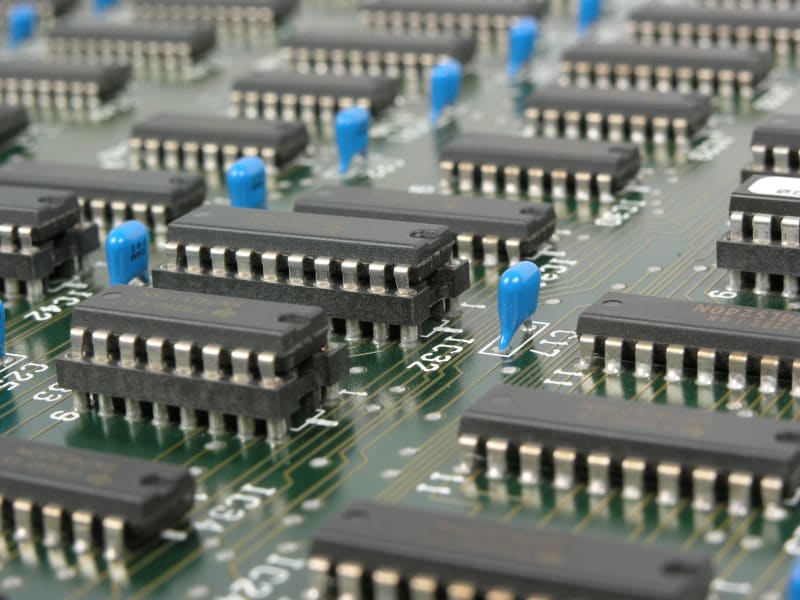
In the broader technological context, the move highlights the increasing importance of specialized semiconductor manufacturing for quantum hardware. Traditional silicon foundries are not always equipped to handle the unique requirements of quantum processors, which often involve exotic materials, cryogenic temperatures, and highly precise fabrication processes. SkyWater Technology's expertise in advanced research and development, particularly in areas like superconducting circuits and novel materials, provides IonQ with a critical competitive advantage, allowing for greater control over the quality, performance, and scalability of its quantum systems.
This acquisition also sends a clear signal to the market about the maturation of the quantum computing industry. While many companies are still focused on theoretical breakthroughs and early-stage prototypes, IonQ's decision to acquire a fabrication partner indicates a shift towards industrialization and mass production. It underscores the belief that quantum computers are moving beyond the lab and closer to practical applications, necessitating robust manufacturing capabilities. This development will likely spur other quantum firms to consider similar strategies, potentially leading to further consolidation and strategic partnerships across the sector.
Background
IonQ, a leading player in the quantum computing space, has consistently pushed the boundaries of what's possible with trapped-ion quantum systems. Known for its high-fidelity qubits and accessible cloud-based quantum services, IonQ has been at the forefront of demonstrating the practical applications of quantum computation. However, like many quantum hardware companies, it has faced the inherent challenges of scaling production and ensuring consistent quality in the highly specialized manufacturing of quantum chips. This challenge often necessitates reliance on external foundries, which can introduce complexities and limitations.
SkyWater Technology, on the other hand, has carved out a unique niche as a U.S.-based, Department of Defense (DoD) accredited pure-play semiconductor foundry. Its strength lies in its ability to offer advanced technology development services and high-mix, low-volume manufacturing, making it an ideal partner for innovative and emerging technologies, including quantum. SkyWater's open-source process design kits and collaborative approach have fostered a reputation for enabling cutting-edge research and rapid prototyping, capabilities that are invaluable in the fast-paced quantum sector.
The initial discussions and subsequent agreement between IonQ and SkyWater Technology were driven by a clear strategic imperative: to bring the entire quantum chip development and manufacturing process under one roof. This vertical integration is designed to streamline innovation cycles, reduce time-to-market for new quantum processors, and enhance the proprietary control over critical intellectual property. The completion of this acquisition is the culmination of months of planning and due diligence, reflecting a shared vision for accelerating the quantum revolution and solidifying a leadership position in the global quantum race.
Winners and Losers
Undoubtedly, IonQ emerges as a significant winner from this acquisition. By integrating SkyWater's advanced fabrication capabilities, IonQ gains unprecedented control over its quantum chip manufacturing process. This direct oversight will enable faster iteration cycles, more precise quality control, and the ability to rapidly implement new designs and materials, thereby accelerating its quantum roadmap. This strategic move positions IonQ to potentially outpace competitors who rely on external foundries, giving it a distinct advantage in the race to deliver more powerful and reliable quantum computers to the market.
SkyWater Technology's shareholders and employees also stand to benefit. While the specific financial terms of the acquisition would dictate the immediate gains for shareholders, the integration into a leading quantum computing company offers employees new opportunities within a cutting-edge field. SkyWater's expertise in specialized manufacturing will now be directly applied to the forefront of quantum innovation, providing a clear and exciting direction for its highly skilled workforce. This ensures the continued relevance and growth of their unique capabilities within a dynamic and expanding industry.
The broader quantum computing industry, particularly other quantum hardware developers, could be seen as facing a new challenge. While not direct 'losers,' companies that lack in-house fabrication capabilities or strong foundry partnerships might find themselves at a disadvantage. The increased vertical integration by IonQ sets a new benchmark, potentially intensifying the competitive landscape and pressuring others to secure similar strategic alliances or invest heavily in their own manufacturing infrastructure. This could lead to further consolidation or innovative partnerships as the industry matures and the demand for scalable quantum hardware grows.
Analyst Perspectives
Industry analysts are largely bullish on IonQ's acquisition of SkyWater Technology, viewing it as a shrewd strategic move that could redefine the competitive dynamics of the quantum computing sector. Many experts highlight the critical importance of controlling the manufacturing process for quantum hardware, noting that this integration will allow IonQ to innovate at an accelerated pace, free from the constraints and potential delays associated with third-party foundries. This vertical integration is seen as a necessary step for any quantum company aiming for long-term leadership and scalability in a market still grappling with fundamental engineering challenges.
Several analysts emphasize that SkyWater's unique capabilities, particularly its expertise in specialized materials and advanced packaging, are a perfect complement to IonQ's trapped-ion technology. They predict that this synergy will not only enhance the performance and reliability of IonQ's existing quantum processors but also unlock new avenues for research and development into next-generation quantum architectures. The ability to rapidly prototype and test new designs in-house is expected to significantly shorten development cycles and bring more robust quantum solutions to market faster.
However, some analysts also offer a cautious perspective, pointing out the inherent complexities of integrating two distinct corporate cultures and operational models. While the strategic rationale is strong, successful execution will depend on effective post-merger integration, particularly in harmonizing research and development efforts with manufacturing processes. They also note that while this acquisition provides a significant advantage, the quantum computing field remains highly competitive and capital-intensive, requiring sustained innovation and substantial investment to maintain a leading position. The long-term success will hinge on IonQ's ability to translate this manufacturing control into tangible advancements and market adoption.
Key Questions Explained
The Outlook
The successful completion of IonQ's acquisition of SkyWater Technology heralds a new era for quantum computing, one characterized by increased vertical integration and accelerated innovation. This strategic move is poised to significantly impact IonQ's ability to develop, manufacture, and deploy its advanced trapped-ion quantum systems, solidifying its position as a frontrunner in the global quantum race. The immediate future will likely see IonQ leveraging SkyWater's facilities to rapidly iterate on new chip designs and scale production, potentially bringing more powerful quantum computers to market at an unprecedented pace.
Looking further ahead, this acquisition could serve as a blueprint for other quantum computing companies. The challenges of quantum hardware manufacturing are immense, and controlling the entire process from design to fabrication offers a compelling solution. We can anticipate that competitors will either seek similar strategic partnerships or invest heavily in their own in-house capabilities to keep pace, leading to a more consolidated and vertically integrated quantum industry. This trend will ultimately benefit the end-users by fostering a more robust and reliable supply of quantum computing resources.
The long-term outlook for IonQ, post-acquisition, appears exceptionally strong. With enhanced control over its manufacturing pipeline, IonQ is better positioned to overcome critical engineering hurdles and accelerate the commercialization of quantum applications. This could lead to significant breakthroughs in fields such as drug discovery, materials science, and financial modeling. While challenges in quantum error correction and scalability remain, this strategic integration provides IonQ with a powerful advantage, setting the stage for substantial growth and potentially transformative impact across various industries in the coming decade.

















Comments
No comments yet. Be the first to comment!