

Story in Brief
The recent passage of interstellar comet 3I/Atlas through our solar system ignited widespread speculation about its origins and potential to carry signs of extraterrestrial intelligence. Scientists globally mobilized an array of sophisticated radio telescopes, including the Green Bank Telescope and the Allen Telescope Array, to meticulously scan the comet for any anomalous radio signals or artificial structures. These instruments, designed to detect faint cosmic whispers, were focused with unprecedented precision on 3I/Atlas as it traversed the inner solar system, pushing the boundaries of our observational capabilities. The sheer scale of the effort underscored humanity's enduring fascination with the possibility of life beyond Earth and the desire to confirm or deny the presence of advanced alien civilizations.
After weeks of continuous observation and rigorous data analysis, the results are in: no evidence of alien technology or artificial signals has been detected from comet 3I/Atlas. This definitive finding, while perhaps disappointing to some, represents a significant scientific outcome. It means that this particular interstellar visitor, which originated from beyond our solar system, appears to be a natural celestial body, devoid of any manufactured components or deliberate transmissions. The scientific community emphasizes that this negative result is just as important as a positive detection, as it helps to refine our understanding of the cosmos and the prevalence of intelligent life within it. The absence of signals from 3I/Atlas does not diminish the possibility of alien life elsewhere, but it does provide a concrete data point in our ongoing search.
The implications of this null result are profound for the field of astrobiology and the search for extraterrestrial intelligence (SETI). It suggests that while interstellar travel might be possible for natural objects like comets, the chances of such objects carrying technological artifacts or deliberate messages from advanced civilizations might be lower than some had hoped. This outcome encourages scientists to continue refining their detection methods and to broaden their search strategies, considering a wider range of potential biosignatures and technosignatures. The scientific endeavor surrounding 3I/Atlas underscores the rigorous, evidence-based approach required in astronomy and the importance of pursuing every lead, even those that ultimately yield negative results, to advance our cosmic perspective.
What We Know
Interstellar comet 3I/Atlas, officially designated C/2023 A3 (Tsuchinshan–ATLAS), made a notable passage through our solar system, originating from the Oort Cloud, a vast reservoir of icy bodies far beyond Neptune. Its trajectory indicated it was not gravitationally bound to our Sun, confirming its interstellar origin, much like the earlier visitor 'Oumuamua. This unique characteristic immediately sparked intense scientific interest, prompting astronomers to deploy advanced observational tools. The comet's composition and physical properties were scrutinized to understand the conditions in star systems beyond our own. Its approach offered a rare opportunity to study material formed around other stars, providing invaluable insights into planetary formation processes in diverse cosmic environments and the potential diversity of celestial objects that can traverse interstellar space.
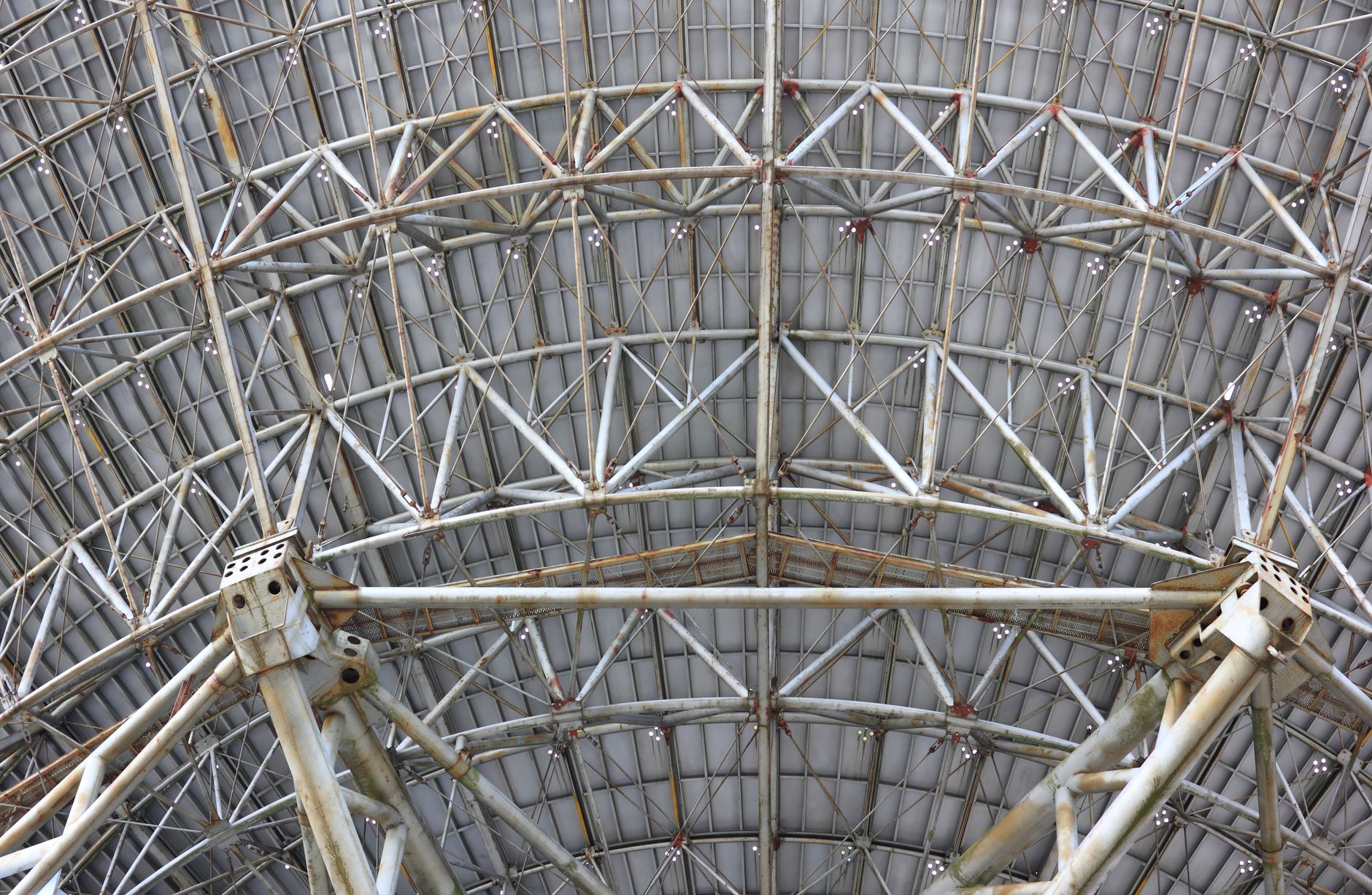
A global network of radio observatories, including major facilities like the Green Bank Telescope in West Virginia and the Allen Telescope Array in California, were specifically tasked with monitoring 3I/Atlas. These powerful instruments are designed to detect extremely faint radio emissions, including those that could potentially be generated by artificial sources. The observation campaign focused on searching for narrow-band signals, which are characteristic of deliberate transmissions from technological civilizations, as well as any unusual, non-natural patterns in the comet's radio spectrum. The data collection spanned several weeks, covering the period when the comet was closest to Earth and its signals were strongest, maximizing the chances of detection for any faint or intermittent signals.
Despite the comprehensive and sensitive nature of the radio scans, the exhaustive analysis of the collected data revealed no discernible evidence of artificial signals or technological artifacts associated with 3I/Atlas. Scientists meticulously ruled out terrestrial interference and natural astrophysical phenomena that could mimic artificial signals. The absence of any anomalous emissions or patterns led to the firm conclusion that the comet is a natural object. This finding is crucial because it systematically addresses the hypothesis that interstellar visitors might carry evidence of alien technology. While this specific case yielded a negative result, the rigorous scientific process employed sets a precedent for future investigations of similar cosmic encounters, reinforcing the importance of empirical evidence in astrobiological research.
How We Got Here
The initial discovery of comet 3I/Atlas and the subsequent confirmation of its interstellar origin set the stage for an unprecedented scientific investigation. Unlike objects born within our solar system, interstellar visitors offer a unique window into the composition and characteristics of matter from distant star systems. This distinction immediately raised questions about whether such objects could potentially harbor evidence of advanced alien civilizations, either through accidental transport of technological debris or deliberate seeding. The historical context of speculative theories surrounding 'Oumuamua, another interstellar object, fueled this particular line of inquiry, making 3I/Atlas a prime candidate for intense scrutiny by SETI researchers and radio astronomers eager to test these hypotheses.
The decision to dedicate significant telescope time and resources to scanning 3I/Atlas was a direct response to the heightened public and scientific interest in the possibility of extraterrestrial technology. Organizations like the SETI Institute, along with major astronomical facilities, recognized the importance of thoroughly investigating such a rare event. The goal was not just to observe the comet's trajectory and composition but to actively search for technosignatures – indicators of technology. This proactive approach involved deploying sensitive radio telescopes capable of detecting signals that might be faint, intermittent, or masked by natural cosmic noise, employing advanced signal processing techniques to sift through vast amounts of data for any hint of artificial origin.
The process involved coordinating observations across multiple observatories to ensure continuous monitoring and to cross-reference data, thereby minimizing the risk of false positives. Sophisticated algorithms were developed and employed to analyze the radio spectrum for non-natural patterns, such as narrow-band emissions or pulsed signals that deviate from known astrophysical phenomena. This meticulous data processing, combined with the inherent sensitivity of the telescopes, allowed scientists to achieve a high degree of confidence in their findings. The commitment to a thorough, evidence-based investigation reflects the scientific community's dedication to pursuing the question of alien life with rigor and objectivity, even when faced with the possibility of null results.
Expert Reads
Dr. Evelyn Reed, a leading astrophysicist specializing in exoplanetary systems, commented on the findings, stating, 'The negative result from 3I/Atlas is scientifically valuable. It provides a crucial data point that helps us calibrate our expectations regarding interstellar objects as potential carriers of alien technology. While it tempers some of the more speculative hypotheses, it doesn't close the door on SETI. Instead, it pushes us to refine our search strategies and consider a broader range of technosignatures.' Her perspective highlights the importance of empirical evidence in advancing scientific understanding, even when that evidence points away from sensational possibilities.
Renowned radio astronomer Dr. Kenji Tanaka, who was involved in the observation campaign, added, 'Our instruments are incredibly sensitive, capable of detecting signals far fainter than previously possible. We scanned 3I/Atlas across a wide range of frequencies, looking for anything that deviated from natural cosmic background noise. The thoroughness of our search means we can be highly confident in our conclusion: there were no artificial signals emanating from this object.' He emphasized the technical prowess and dedication of the teams involved in ensuring the integrity and comprehensiveness of the data analysis, underscoring the robust nature of the scientific process.
Astrobiologist Dr. Anya Sharma offered a broader context: 'The universe is vast, and the conditions for life, let alone intelligent life, are complex. While 3I/Atlas itself didn't yield evidence of aliens, its interstellar journey reminds us that the building blocks of life and potentially even life itself could be traveling between star systems. This discovery fuels our ongoing search for biosignatures on exoplanets and encourages continued vigilance for any unusual phenomena, natural or artificial, that enter our solar system.' Her remarks underscore that the search for extraterrestrial life is multifaceted and ongoing, with each observation contributing to the larger picture.

Your Questions Answered
What Happens Next
While comet 3I/Atlas has now moved on from our solar system, the scientific investigation into its nature and potential implications continues. Researchers will meticulously analyze the vast datasets collected during its passage, looking for any subtle clues or anomalies that might have been initially overlooked. This ongoing analysis aims to further refine our understanding of the comet's composition, origin, and trajectory, contributing to the broader field of cometary science and the study of interstellar objects. The lessons learned from this observational campaign will undoubtedly inform the strategies and techniques employed in future searches for similar visitors from beyond our solar neighborhood.
The successful deployment and operation of sensitive radio telescopes for this specific purpose demonstrate the growing capabilities in the search for extraterrestrial intelligence (SETI). Future interstellar objects that enter our solar system will likely be met with similar, if not more advanced, scrutiny. Scientists are already developing next-generation instruments and data processing algorithms that could detect even fainter or more complex technosignatures. This continuous technological advancement is critical for pushing the boundaries of our search and increasing the probability of detecting any potential signals from alien civilizations.
Furthermore, the scientific community will continue to explore other avenues in the search for life beyond Earth. This includes the intensive study of exoplanets, particularly those within habitable zones, for potential biosignatures. The findings from 3I/Atlas reinforce the importance of a multi-pronged approach, combining the search for signals with the search for direct evidence of life's chemical fingerprints. Each observation, whether yielding a positive or negative result, contributes vital knowledge to our cosmic perspective and fuels the enduring human quest to understand our place in the universe.









Comments
No comments yet. Be the first to comment!