
Story in Brief
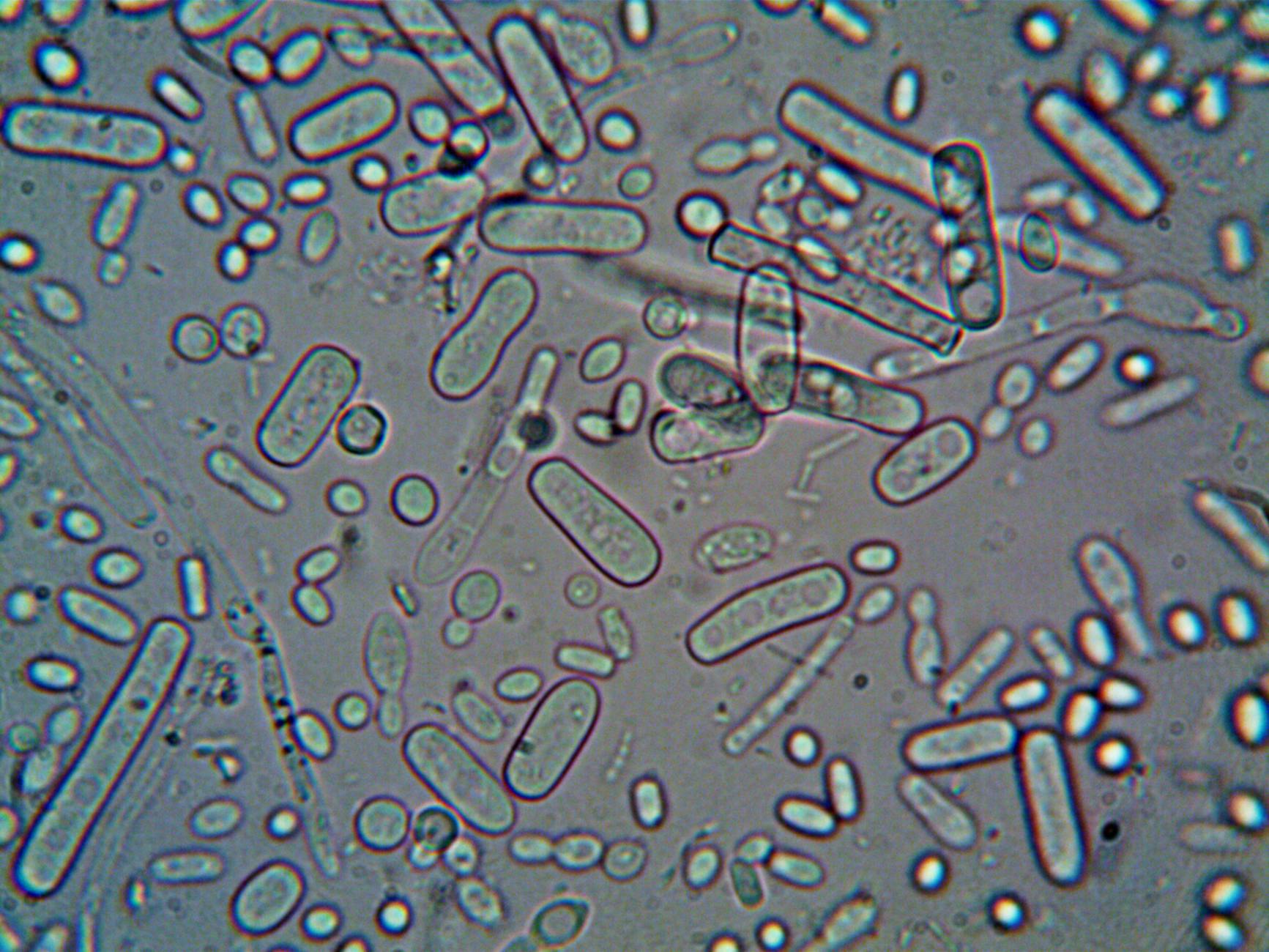
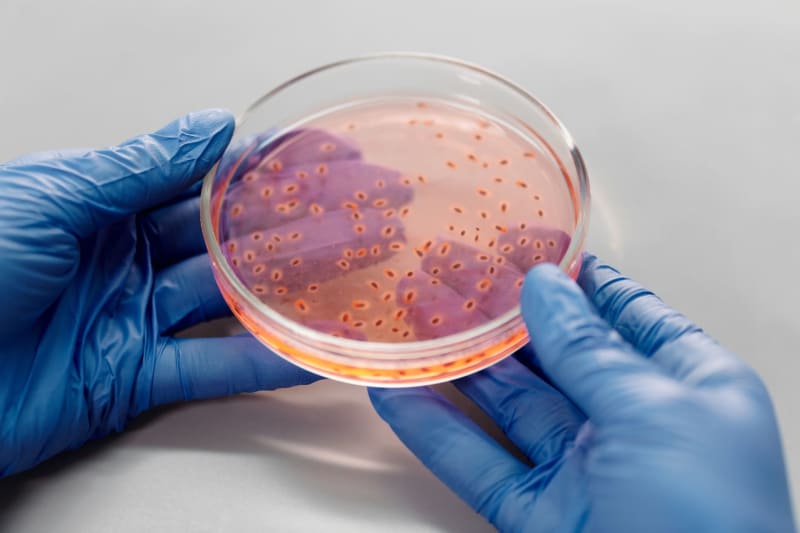
Vast microbial communities form the bedrock of Earth's subterranean biosphere, functioning like highly organized workforces that maintain critical ecological processes deep beneath the surface. These microscopic powerhouses are not merely passive inhabitants but active participants, driving nutrient cycling, energy flow, and geochemical transformations that are fundamental to planetary health and the sustenance of life as we know it. Their intricate interactions and specialized roles create a dynamic, interconnected system that operates largely unseen, yet profoundly influences global biogeochemical cycles.
Recent scientific endeavors are beginning to illuminate the complexity and sheer scale of these underground microbial ecosystems, revealing specialized 'teams' of bacteria, archaea, and fungi that perform distinct tasks. From breaking down organic matter to facilitating mineral transformations and even influencing the stability of geological formations, these microbial collectives are essential for maintaining the delicate balance of the subsurface environment. Understanding their organizational principles and functional diversity is paramount for appreciating the full scope of Earth's living systems and for developing strategies to protect these vital, hidden realms.
The implications of this hidden microbial world extend far beyond the subterranean realm, impacting everything from climate regulation to the availability of essential resources. As human activities increasingly stress natural systems, gaining a deeper comprehension of these microbial workforces and their ecological contributions becomes not just a scientific pursuit but an urgent necessity for ensuring the long-term resilience and health of our planet. Continued research promises to unlock new insights into Earth's fundamental processes and potentially reveal novel solutions to pressing environmental challenges.
What We Know
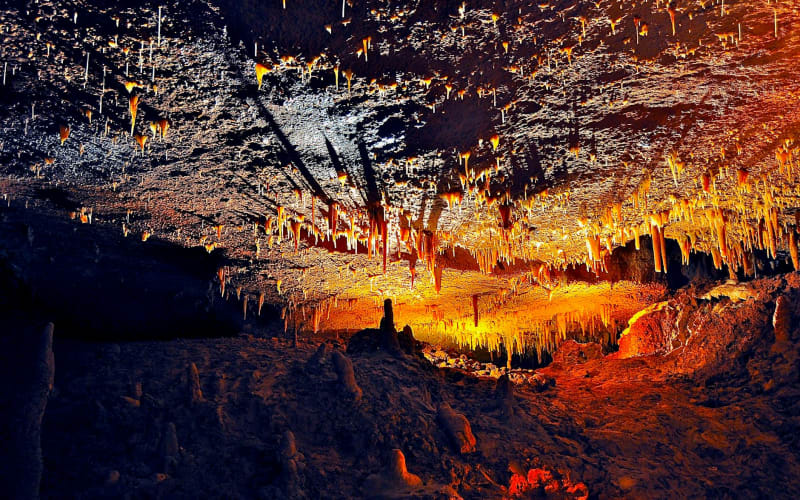
Scientists have established that the Earth's subsurface teems with an astonishing diversity of microbial life, existing in environments ranging from deep-sea hydrothermal vents and the deepest ocean sediments to arid deserts, glacial ice, and even within solid rock miles below the surface. These organisms have evolved remarkable adaptations to survive extreme conditions, including high pressures, temperatures, and limited nutrient availability, often relying on chemosynthesis rather than photosynthesis for energy. This vast, largely unexplored biome is estimated to contain a significant portion of Earth's biomass and plays a critical role in global biogeochemical cycles, such as the carbon, nitrogen, and sulfur cycles, influencing atmospheric composition and climate.
Research indicates that microbial communities in the subsurface are not randomly distributed but exhibit structured organization, with different groups specializing in specific metabolic functions and forming complex symbiotic relationships. These 'workforces' can be categorized based on their roles, such as decomposers that break down organic matter, primary producers that generate energy from inorganic compounds, and those involved in mineral transformations that shape the geological landscape. The efficiency and interconnectedness of these microbial networks are crucial for maintaining the health and functionality of subsurface ecosystems, impacting everything from soil fertility to groundwater quality and the sequestration of greenhouse gases.
Furthermore, studies have revealed that these subsurface microbial ecosystems are highly sensitive to environmental changes, both natural and anthropogenic. Factors like shifts in temperature, water availability, nutrient input, and the presence of pollutants can significantly alter microbial community structure and function, potentially disrupting essential ecosystem services. Understanding these sensitivities is vital for predicting the consequences of environmental change and for developing effective conservation and management strategies for these critical, yet often overlooked, subterranean realms.
Why It Matters
The subterranean biosphere, powered by its intricate microbial 'workforces,' is fundamental to the planet's overall health and stability, performing essential services that underpin life on the surface. These microscopic organisms are the primary drivers of nutrient cycling, ensuring that essential elements like carbon, nitrogen, and phosphorus are continuously recycled and made available for other life forms. Without their tireless activity in decomposing organic matter and transforming inorganic compounds, ecosystems would quickly become depleted of vital nutrients, leading to widespread ecological collapse and rendering large parts of the planet uninhabitable for complex organisms.
Moreover, these microbial communities play a crucial role in regulating Earth's climate by influencing the storage and release of greenhouse gases, particularly carbon dioxide and methane, within soils and sediments. They are involved in the long-term sequestration of carbon, acting as a natural buffer against atmospheric warming, and their activity can also lead to the production of potent greenhouse gases. Understanding the balance of these processes is critical for accurately modeling climate change and for developing effective strategies to mitigate its impacts, making the study of subsurface microbes a key component of climate science.
Beyond global cycles, the health of subsurface microbial ecosystems directly impacts human well-being through their influence on water quality and resource availability. They are essential for the purification of groundwater, breaking down contaminants and maintaining the health of aquifers that supply drinking water to billions. Additionally, these microbes are involved in the formation and weathering of rocks, influencing the availability of minerals and metals, and their unique metabolic pathways are increasingly being explored for biotechnological applications, from bioremediation to the production of novel compounds.
Expert Reads
Dr. Anya Sharma, a geomicrobiologist at the Institute for Subsurface Studies, emphasizes the 'astonishing level of organization' within microbial communities. 'We often think of microbes as solitary individuals, but in the subsurface, they form highly structured consortia, akin to specialized work crews,' she explains. 'Each group has a specific role in nutrient cycling, energy acquisition, or waste processing. This division of labor is what allows these ecosystems to function so efficiently under extreme conditions, from the deepest crustal rocks to the ocean floor sediments. Their collective intelligence, if you will, is a testament to millions of years of evolution in isolation.'
Professor Kenji Tanaka, a biogeochemist specializing in carbon cycling, highlights the critical, yet often underestimated, role of subsurface microbes in climate regulation. 'The vast majority of Earth's terrestrial carbon is stored belowground, and its fate is dictated by microbial activity,' Tanaka states. 'These organisms are not just passively holding carbon; they are actively transforming it, releasing it, or sequestering it. Disruptions to these microbial processes, whether through land-use change or climate warming, could trigger significant feedback loops that accelerate global warming. We are only beginning to grasp the scale of this influence and the potential for unintended consequences.'
Dr. Lena Petrova, an astrobiologist and expert on extremophiles, draws parallels between Earth's deep biosphere and potential life on other planets. 'The resilience and metabolic diversity of subsurface microbes provide compelling evidence that life can thrive in environments previously thought to be uninhabitable,' Petrova notes. 'Studying these 'workforces' here on Earth gives us crucial insights into the conditions under which life might exist on Mars, Europa, or Enceladus. They are our terrestrial analogs for understanding extraterrestrial habitability and the potential for life beyond our planet, pushing the boundaries of where we look and what we consider possible.'
Frequently Asked Questions
What Happens Next
Future research will focus on employing advanced genomic and metagenomic sequencing techniques to unravel the intricate metabolic pathways and ecological interactions within diverse subsurface microbial communities. Scientists aim to create comprehensive 'microbial atlases' of various subterranean environments, mapping the functional roles of different species and understanding how they form cooperative networks. This deeper molecular understanding will allow for more accurate predictions of how these ecosystems respond to environmental changes and how they contribute to global biogeochemical cycles, moving beyond simple identification to functional prediction.
There is a growing emphasis on developing novel technologies for sampling and studying these extreme environments, including improved drilling techniques, in-situ monitoring sensors, and advanced cultivation methods. These innovations are essential for overcoming the logistical and technical challenges associated with accessing and analyzing samples from deep subsurface locations. The goal is to gather more representative data and to observe microbial processes in their natural context, providing a clearer picture of their ecological significance and resilience under diverse conditions.
Furthermore, scientists are increasingly exploring the potential applications of subsurface microbes in biotechnology and environmental remediation. This includes harnessing their unique enzymes for industrial processes, utilizing their metabolic capabilities for breaking down persistent pollutants, and investigating their role in carbon capture and storage. The ultimate aim is to leverage our growing knowledge of these microbial 'workforces' to address pressing global challenges, from climate change mitigation to sustainable resource management and the development of novel therapeutic agents.







Comments
No comments yet. Be the first to comment!