

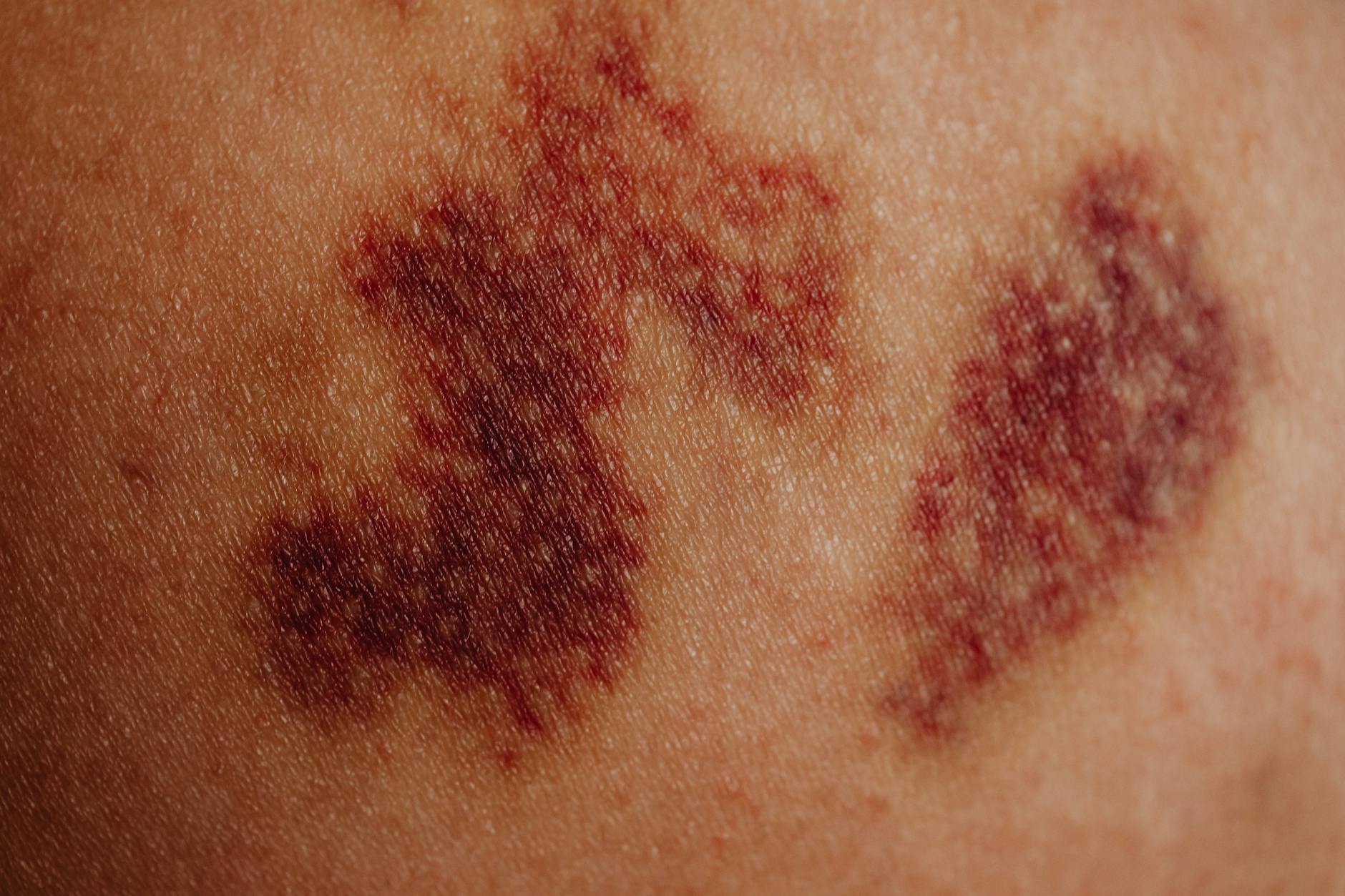
President Donald Trump's recent physical examination at Walter Reed National Military Medical Center has once again placed his health under a microscope, a recurring theme throughout his presidency. While the President himself declared via social media that "Everything checked out PERFECTLY," the brevity and vagueness of official statements leave significant room for public speculation. This latest check-up, occurring as Trump approaches his 80th birthday, marks the fourth publicly documented physical of his term, underscoring the persistent public interest in the well-being of the nation's oldest commander-in-chief. The administration's tendency to issue terse, often rosy, reports on the President's fitness has a long history, dating back over a decade to previous doctor-patient relationships and White House communications. This pattern has consistently fueled a cycle of unanswered questions regarding the specifics of his medical conditions and treatments. Adding to the layers of public concern are observable physical manifestations that have drawn significant attention. Bruises on the President's hands, often visible and sometimes concealed with makeup, have been attributed by White House officials to vigorous handshakes. Furthermore, swelling in the legs, a condition his medical team has identified as chronic venous insufficiency, has also been noted. This condition, characterized by impaired blood flow from the extremities back to the heart, raises questions about the President's long-term physical resilience under the immense pressures of his office. The presence of a red rash on his neck, for which a preventive cream is reportedly being used, further contributes to this ongoing narrative of minor, yet publicly scrutinized, health matters. While a memorandum from physician Dr. Sean P. Barbabella, dated October 10th, asserted that President Trump "remains in exceptional health," detailing "strong cardiovascular, pulmonary, neurological and physical performance," the specifics of the advanced imaging and laboratory testing remain largely undisclosed. The report did claim exceptional lab results and that the President's cardiac age was "approximately 14 years younger than his chronological age." However, the White House's delayed release of this memo until December, following considerable pressure, highlights a historical reluctance to provide prompt and transparent health updates. This pattern of delayed disclosure, coupled with instances where the President has seemingly dozed off during official events, contributes to a narrative of fatigue that contrasts with claims of peak physical condition. The inherent secrecy surrounding presidential health, while partly necessitated by privacy concerns, becomes amplified when the individual in question is a figure who often projects an image of robust vitality. The public is left to reconcile the President's pronouncements of perfect health with observable signs that, while perhaps minor in isolation, contribute to a broader question of stamina and well-being. The lack of detailed, readily available information about the tests conducted, the findings, and the ongoing management of any conditions, creates a vacuum that is inevitably filled by speculation, particularly given the high stakes of presidential leadership. Expert perspectives on the implications of such conditions, even if managed, often point to the relentless demands of the presidency. Dr. Evelyn Reed, a political scientist specializing in executive leadership, notes, "The physical and mental toll of the presidency is immense. Even minor chronic conditions can be exacerbated by extreme stress and sleep deprivation, which are constant companions to the Oval Office." She emphasizes that while a president may receive a clean bill of health for immediate concerns, the cumulative effect of years in such a high-pressure environment warrants ongoing, transparent monitoring. The capacity to withstand prolonged periods of intense work, make critical decisions under duress, and maintain consistent energy levels are paramount. Beyond the individual, the broader societal implications are significant. A president's perceived or actual health can influence global perceptions of national stability and leadership. Allies and adversaries alike monitor these indicators, which can subtly impact international relations and economic confidence. The transparency surrounding presidential health is, therefore, not merely a matter of public curiosity but a component of national security and diplomatic signaling. The current administration's approach to this issue, marked by a pattern of limited disclosure, risks creating an environment where uncertainty can be exploited or misinterpreted on the world stage. The historical context of presidential health reporting reveals a shift over time, with a growing expectation of transparency from the public and the media. While previous administrations have also navigated the balance between privacy and public interest, the digital age and the 24/7 news cycle have intensified scrutiny. The White House's communication strategy regarding President Trump's health appears to be a deliberate choice, perhaps aimed at projecting an image of unwavering strength, but it inadvertently fosters an environment ripe for conjecture and potential distrust among a populace increasingly accustomed to readily available information. Looking ahead, the critical questions will revolve around the administration's willingness to offer greater specificity regarding the President's health status. Will future medical reports include more detailed explanations of diagnostic findings and treatment plans? The public and the press will likely continue to press for clarity, especially as the President approaches the significant milestone of his 80th birthday and potentially considers future public service. The long-term implications for policy, public confidence, and even the historical record depend on the degree of transparency that is ultimately embraced.
In Brief
President Trump's latest physical at Walter Reed sparks renewed debate over transparency in White House health reporting. Questions linger about specific conditions and the administration's communication patterns.Advertisement


Comments
No comments yet. Be the first to comment!