
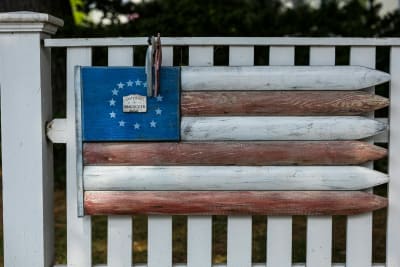
“These milestone anniversaries are powerful moments for reflection, but also for reaffirming our shared identity and local connections,” observes Dr. Eleanor Vance, a historian specializing in American civic traditions. As the nation inches closer to its 250th birthday, communities across the country are finding unique ways to mark the occasion, often weaving grand historical narratives into intimate, neighborhood-level celebrations. Manchester’s planned event, dubbed ‘Manchester Celebrates America 250,’ exemplifies this trend, aiming to bridge the vastness of national history with the tangible realities of local pride and engagement. The impetus for such local observances often stems from a desire to connect with the past in a way that feels relevant and accessible. While the national conversation around the 250th anniversary might focus on sweeping political and social movements, town-level events like Manchester’s tend to highlight more grounded historical touchstones. The inclusion of activities such as a Lewis & Clark pirogue reenactment, for instance, grounds the celebration in a specific, tangible moment of American exploration and expansion, making history less an abstract concept and more an experiential one. This approach acknowledges that for many, understanding national history begins with understanding the stories of their own regions. This approach to commemorating the nation’s founding is not new, but it gains particular resonance in our current era. Decades ago, national holidays might have been marked by more overt patriotic displays. Today, with a more fragmented media landscape and often polarized public discourse, local events offer a crucial space for collective experience. Manchester's plan to feature a 19th-century baseball game, complete with period attire and rules, speaks to a growing interest in heritage activities that provide both entertainment and a tangible link to bygone eras. These experiences allow residents to engage with history not just as observers, but as participants, fostering a sense of shared heritage. The current situation sees a deliberate blending of historical education and pure community enjoyment. The event’s schedule, beginning with a solemn flag-raising ceremony led by the Sons of the American Revolution, sets a tone of respect for the nation’s origins. This is immediately followed by more interactive and family-oriented attractions, ensuring broad appeal. The Lewis & Clark reenactment, running for hours, allows ample opportunity for engagement, while the evening’s community band performance offers a more contemporary form of shared cultural expression, all framed within the context of the anniversary. This duality is key to making a historical commemoration feel alive and relevant to contemporary audiences. Beneath the surface of parades and historical reenactments lies a deeper systemic issue: the challenge of maintaining a cohesive national identity in an increasingly diverse and individualized society. As the country grapples with its complex past and uncertain future, these local celebrations serve as micro-laboratories for civic engagement. They demonstrate how shared experiences, even seemingly simple ones like attending a community festival, can foster a sense of belonging and collective purpose. The success of such events often hinges on their ability to tap into local pride and create unifying moments that transcend political or social divides. The resonance of these events right now is palpable. In a time marked by rapid technological change and often isolating digital interactions, people are seeking tangible connections and shared experiences. The desire to gather, to participate in something communal, and to connect with the past in a physical way is a powerful counterpoint to the ephemeral nature of much of modern life. Manchester’s celebration, with its focus on interactive historical exhibits and community performances, directly addresses this human need for connection and shared meaning. Looking ahead, the success of events like ‘Manchester Celebrates America 250’ will likely influence how other municipalities approach national milestones. The emphasis is shifting from top-down pronouncements to bottom-up engagement, prioritizing authentic local participation and creative historical interpretation. As the nation’s 250th anniversary draws nearer, expect to see more towns and cities adopting similar strategies, focusing on accessible, experiential history and community building as core components of their commemorative efforts. For residents, participation is the most direct way to engage with this blend of history and community. Attending the events, volunteering, or even just discussing the historical significance of the anniversary with neighbors can strengthen local bonds. What we can do is actively seek out and support these initiatives, recognizing them not just as celebrations, but as vital exercises in civic health and community building that reinforce the fabric of our towns and, by extension, our nation.
In Brief
Local communities are finding unique ways to commemorate America's 250th anniversary, blending historical reenactments with family-friendly fun to foster civic pride and connection.Advertisement




Comments
No comments yet. Be the first to comment!