
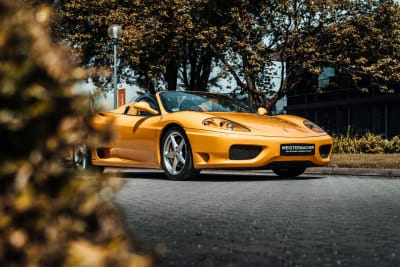
For decades, Ferrari has been synonymous with the roaring engines and visceral thrill of pure internal combustion. The prancing horse emblem has adorned vehicles powered by sonorous V12s and potent V8s, establishing a legacy built on the very essence of mechanical sound and fury. This heritage, cultivated over generations, has cemented Ferrari's status not just as an automaker, but as a purveyor of high-octane dreams and automotive art. The brand's identity is deeply interwoven with the tactile experience of shifting gears, the vibration of a powerful engine beneath the chassis, and the distinct exhaust note that announces its arrival long before it's seen. To deviate from this core identity has always been a monumental question for the Maranello-based manufacturer, a tightrope walk between evolution and dilution. The unveiling of the Ferrari Luce, the marque's first-ever all-electric vehicle, marks a profound inflection point in its storied history. This is not merely a new model; it represents a fundamental reimagining of what a Ferrari can and should be. The Luce, co-designed with input from former Apple design chief Jony Ive, aims to blend cutting-edge technology with the brand's inherent performance DNA. Boasting an electric motor at each wheel, it promises blistering acceleration, capable of reaching 100 kilometers per hour in a mere 2.5 seconds. This technical prowess is designed to reassure enthusiasts that electrification does not necessitate a compromise on speed or driving dynamics, the very metrics by which Ferraris have always been judged. The introduction of a five-seater configuration also hints at a broader strategy to expand the appeal and usability of Ferrari vehicles beyond the traditional two-seater supercar mold. However, the market's initial reaction has been far from celebratory. Ferrari's share price experienced a notable dip following the announcement, a clear signal that a segment of investors remains skeptical about the long-term implications of this strategic pivot. The concern isn't necessarily about the technical merits of the Luce itself, but rather about how this foray into electrification aligns with the brand's premium positioning and its established customer base. Luxury automotive brands face a unique challenge: maintaining exclusivity and desirability while adapting to a rapidly changing automotive landscape driven by environmental regulations and consumer demand for sustainable options. The fear is that a full embrace of electric power, however technologically advanced, could dilute the very mystique that commands Ferrari's exorbitant price tags and fervent loyalty. This shift is occurring against a backdrop of increasing pressure on the entire automotive industry to transition towards electrification. Governments worldwide are implementing stricter emissions standards, and major economies are setting targets for phasing out internal combustion engine vehicles. For a brand like Ferrari, which has thrived on the emotional connection forged through its powerful engines, this transition presents a complex paradox. They must satisfy regulatory demands and appeal to a new generation of car buyers who may prioritize sustainability, without alienating their core clientele who cherish the brand's traditional attributes. The challenge is to navigate this transition in a way that preserves the brand's aspirational status and its ability to command premium pricing, even as the underlying technology evolves. The resonance of this story lies in its exploration of a critical dilemma facing many heritage luxury brands: how to innovate and adapt to future demands without sacrificing the core identity that defines their success. Ferrari, perhaps more than any other automaker, embodies this tension. Its loyalists are not just customers; they are custodians of a legend. The market's unease reflects a broader societal conversation about progress, tradition, and the definition of automotive excellence in an era of rapid technological change and environmental consciousness. The question is whether the emotional connection to a brand can transcend the sensory experience of its powertrain. The financial markets are clearly weighing the potential risks and rewards of Ferrari's electric future. While the Luce represents a forward-thinking move, the immediate stock performance suggests that investor confidence is not yet fully secured. Analysts are closely watching how sales figures and customer reception evolve, particularly in comparison to the brand's existing gasoline-powered models. The success of the Luce will hinge not only on its performance and design but also on Ferrari's ability to communicate its electric vision effectively, framing it as an evolution rather than a betrayal of its legendary heritage. Furthermore, the strategic decisions made by Ferrari will inevitably influence other high-performance luxury automakers. The path Ferrari chooses will serve as a case study, providing valuable insights into how to manage brand perception, technological integration, and market expectations during a period of unprecedented industry transformation. The pressure to innovate is immense, but the imperative to safeguard brand equity is equally significant, creating a high-stakes environment for the Italian supercar manufacturer. Looking ahead, the key indicators to monitor will be the sales performance of the Luce and any subsequent electric or hybrid models. Pay close attention to any statements from Ferrari leadership regarding their long-term electrification strategy, as well as the evolving opinions of prominent automotive critics and enthusiast communities. The brand's ability to successfully integrate advanced electric technology while preserving its soul will be the defining narrative for Ferrari in the coming years.
In Brief
Ferrari's first all-electric vehicle, the Luce, has debuted with impressive performance specs but has rattled investors, highlighting the luxury brand's tightrope walk between tradition and future-proofing.Advertisement





Comments
No comments yet. Be the first to comment!