
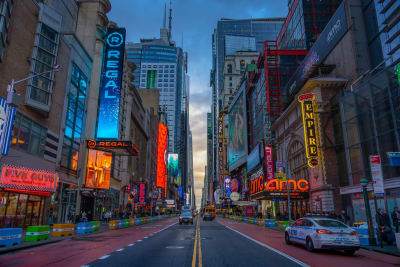
The hush of a darkened theater, usually punctuated by the crackle of popcorn and the hushed whispers of anticipation for a cinematic premiere, will soon be filled with the roar of crowds and the electrifying calls of soccer announcers. AMC, the nation's largest movie theater chain, has inked a groundbreaking deal with Telemundo, aiming to transform its cavernous auditoriums into vibrant fan zones for select live matches of the 2026 FIFA World Cup. This isn't just about showing a game; it's a calculated strategic pivot, a bold experiment designed to capture daytime audiences and tap into a passionate demographic that might otherwise bypass the multiplex. The genesis of this venture lies in a stark reality for cinema operators: the reliance on a finite number of blockbuster movie releases for consistent foot traffic. While tentpole films can fill seats, the calendar is often sparse, leaving screens dormant during off-peak hours and weekdays. By broadcasting the World Cup, particularly the high-stakes matches featuring popular national teams like Mexico and Brazil through Telemundo's Spanish-language coverage, AMC seeks to leverage its existing infrastructure for a new purpose. This move signals a recognition that the 'event cinema' model, already tested with concerts and combat sports, holds significant untapped potential, especially when aligned with massive global sporting spectacles. This development matters now because the landscape of entertainment consumption is rapidly evolving. Streaming services have conditioned audiences to expect content on demand, anywhere, anytime. Traditional venues like movie theaters must innovate to remain relevant. The 2026 World Cup, with its multi-country hosting and extended tournament run from June 11 to July 19, offers a unique, concentrated period of global excitement. AMC's decision to capitalize on this event suggests a forward-thinking approach to combating declining ticket sales and diversifying revenue streams beyond the traditional film exhibition model. The primary beneficiaries of this partnership are clear. AMC stands to gain significantly by filling otherwise empty seats during daylight hours, boosting concession sales – a high-margin revenue source – and attracting a new segment of consumers to its venues. Telemundo, as the official Spanish-language broadcaster of the tournament in the U.S., benefits from an expanded distribution channel, reaching a dedicated fanbase in a unique, communal viewing environment. For fans, especially those within the Latino community who demonstrate a strong affinity for soccer, it offers an unparalleled viewing experience with big-screen visuals and immersive sound, replicating the communal energy of a stadium within their local cinema. However, this venture is not without its potential losers. Traditional sports bars and viewing parties, which have long been the go-to for communal soccer watching, may face increased competition. While the theater experience offers a different ambiance, it could draw away some of the dedicated fan base. Furthermore, the success of this initiative hinges on several factors, including ticket pricing, the quality of the broadcast feed, and AMC's ability to market these events effectively to the target audience. A poorly executed or underattended series of screenings could set a precedent for future event cinema ventures. The financial implications are considerable, though specific figures for this deal remain undisclosed. The U.S. broadcast rights for the 2026 World Cup were secured by Telemundo's parent company, NBCUniversal, a subsidiary of Comcast. AMC's role is essentially that of a sophisticated distribution partner, leveraging the existing broadcast rights rather than negotiating directly with FIFA. This arrangement likely reduces the upfront investment for AMC while still allowing them to capture a significant portion of the revenue generated from ticket sales and concessions. Analysts on Wall Street have shown a mixed reaction to AMC's broader strategy, with a consensus 'Hold' rating and an average price target suggesting cautious optimism about the company's future prospects. The gamble here is substantial. AMC is betting that the emotional pull of the World Cup and the desire for a shared viewing experience can overcome the ingrained habit of watching sports at home or in more conventional venues. It's an ambitious attempt to redefine the purpose of a movie theater, transforming it from a passive viewing space into an active entertainment hub. The success of this World Cup experiment could pave the way for a broader integration of live sports, esports tournaments, and other large-scale communal events into the regular programming schedule of cinemas nationwide. Looking ahead, the key metrics to watch will be ticket sales figures for the initial matches, audience demographics, and the critical feedback from attendees. If these screenings resonate, AMC could solidify theaters as a viable alternative for major sporting events. This could also spark similar partnerships in Latin America, a region where soccer is not just a sport but a cultural phenomenon. The long-term impact will depend on AMC's ability to replicate and scale this model beyond the initial tournament, proving that the silver screen can indeed be a new frontier for live sports entertainment.
In Brief
AMC is transforming movie theaters into live sports venues by broadcasting the 2026 FIFA World Cup in a strategic partnership with Telemundo. The move aims to fill daytime screens and attract new audiences beyond traditional filmgoers.Advertisement




Comments
No comments yet. Be the first to comment!