
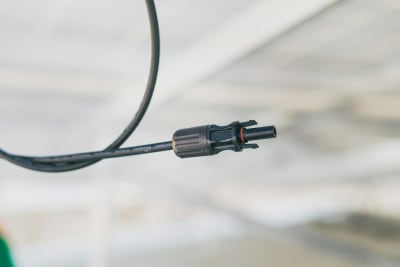
The allure of cutting your electricity bills by harnessing the sun's power at home is undeniable. Many envision a straightforward path to energy independence with simple, plug-in solar devices. However, the reality of adopting this seemingly accessible technology is far more complex, fraught with regulatory obstacles and a longer-than-anticipated return on investment. The promise of easy, DIY solar power often overlooks the significant infrastructural and legal challenges that consumers face before they can even flip a switch. This emerging technology, particularly plug-in solar systems, has gained traction as a potentially more affordable and less intrusive alternative to traditional rooftop installations. These systems, often featuring a single solar panel connected via a microinverter directly into a standard household electrical outlet, are marketed as a quick and easy solution. Yet, the core component, the microinverter, which converts the panel's direct current (DC) electricity into usable alternating current (AC) for your home, is the very technology that has tripped up widespread adoption due to its implications for grid stability and utility billing. The primary reason this story is resonating now is the confluence of rising energy costs and a desire for greater personal control over household expenses. As utility rates continue their upward trajectory, the appeal of generating one's own power becomes increasingly potent. Consumers are actively seeking out-of-the-box solutions that don't require substantial upfront investment or professional installation, making plug-in solar a tempting proposition. This widespread interest is amplified by online discussions and early adopters sharing their experiences, creating a buzz around the potential benefits. Beyond the immediate financial implications for individual households, the broader societal impact of plug-in solar is significant. Its potential widespread adoption could fundamentally alter the dynamics of the energy grid. While intended to reduce household reliance on fossil fuels, the decentralized nature of these systems, without proper integration and regulation, poses challenges for grid operators tasked with maintaining a stable and reliable power supply. The current patchwork of state-level regulations, with only a handful of states like Utah having proactively passed legislation to permit such systems, highlights the nascent and often contentious nature of this energy revolution. Those most affected are homeowners and renters looking for immediate cost savings, often with limited technical expertise or capital for larger investments. The average cost for a basic plug-in solar setup hovers around $2,400, a figure that, while less than a full rooftop system, still represents a considerable outlay. For this investment to be truly worthwhile, it requires years of accumulated savings on electricity bills, a timeframe that can extend significantly depending on local electricity rates, sunlight availability, and grid-tied compensation policies, if any exist. One of the critical roadblocks is the legal framework governing how electricity generated by these small-scale, grid-connected systems is handled. Traditional rooftop solar systems involve professional installation and are integrated into the home's main electrical panel, with clear regulations for net metering or feed-in tariffs. Plug-in solar, by its very nature of connecting directly to an outlet, bypasses some of these established protocols, leading to uncertainty for utilities and regulators about how to measure, compensate, or even safely allow the backflow of energy into the grid. This regulatory ambiguity is a major deterrent for both consumers and installers. Several potential solutions are being explored to bridge this gap. One is the development of standardized, certified microinverter technology that communicates more effectively with utility meters and smart grid infrastructure. Another is the legislative push for clear, statewide regulations that define the parameters for plug-in solar, including safety standards, interconnection agreements, and fair compensation mechanisms for any excess energy fed back into the grid. Utility companies are also beginning to offer specific programs or smart meters designed to accommodate these smaller, distributed energy resources, acknowledging their growing prevalence. The reader's takeaway should be one of informed caution. While the dream of simple, affordable solar power for everyone is compelling, the current landscape demands thorough research into local laws, utility policies, and the realistic payback period for any plug-in solar investment. It's not as simple as plugging in a new appliance; it's a step into a complex and evolving energy ecosystem that requires careful navigation. Looking ahead, continued legislative action at the state and potentially federal levels will be crucial. We will also likely see greater innovation in smart grid technology designed to manage a higher density of distributed energy resources, including plug-in solar. The success of this technology hinges on utilities, regulators, and consumers finding common ground to ensure grid stability while unlocking the economic and environmental benefits for households.
In Brief
DIY plug-in solar promises easy energy savings, but complex regulations and a long payback period are significant hurdles. Discover the hidden challenges before you plug in.Advertisement




Comments
No comments yet. Be the first to comment!