
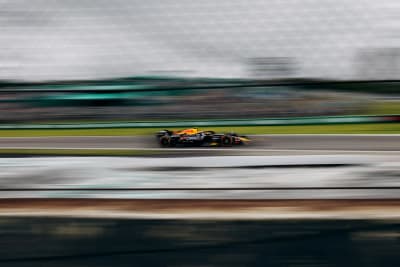
The roar of engines at the Circuit Gilles Villeneuve has once again echoed a significant shift in Formula 1's power dynamics, this time with a resounding statement from emerging talent. The Canadian Grand Prix, a race steeped in history and often a crucible for unexpected outcomes, served as the backdrop for a young prodigy's fourth consecutive victory. This win wasn't just another notch on the belt; it represented a deepening chasm in the championship standings and a stark contrast to the fortunes of seasoned champions. The performance of Kimi Antonelli, the teenage sensation, has been nothing short of meteoric, forcing a re-evaluation of the established order and sparking fervent debate across the sport's passionate fanbase. Historically, the Canadian Grand Prix has been a stage for legends to etch their names into motorsport lore. From Gilles Villeneuve's iconic drives to Michael Schumacher's record-breaking performances, the Montreal circuit has witnessed the very pinnacle of Formula 1 achievement. It has also been a place where raw talent has been tested against the unforgiving nature of the track and the immense pressure of global competition. However, this latest chapter sees a new narrative unfold, one where youth is not just challenging but demonstrably conquering experience, a trend that has been quietly building throughout the early stages of the season and has now reached a dramatic crescendo. The race itself was a compelling spectacle, marked by intense intra-team battles and strategic gambles that ultimately backfired for some of the sport's most recognizable teams. The Mercedes garage, in particular, found itself at the heart of a dramatic internal duel. George Russell and Lewis Hamilton engaged in a no-holds-barred fight, swapping overtakes and pushing each other to the absolute limit. This fierce competition, while thrilling for spectators, ultimately ended in heartbreak for Russell, who was forced to retire due to a technical issue, cutting short what promised to be a nail-biting showdown to the finish line. The pressure of these internal rivalries, coupled with the external challenge of Antonelli's relentless pace, creates a complex strategic puzzle for the Silver Arrows. Beyond the headline-grabbing Mercedes drama, the race also offered glimpses of resurgence and continued frustration. Seven-time world champion Lewis Hamilton, in a display reminiscent of his earlier career, managed to secure a strong second-place finish, battling back impressively and even executing a memorable overtake on his old adversary, Max Verstappen. Verstappen, too, found his way back onto the podium, clinching a hard-fought third place. Meanwhile, Ferrari experienced a mixed weekend, with Charles Leclerc struggling to find his rhythm, a stark contrast to the promising pace shown in earlier races. The fortunes of McLaren also took a significant downturn, as an ill-timed switch to intermediate tires proved to be a costly miscalculation, leading to a disappointing point-less outing for the Woking-based outfit. The social media sphere erupted with discussions following the Canadian Grand Prix. Hashtags like #F1, #CanadianGP, and #KimiAntonelli trended globally as fans dissected every moment. While many celebrated Antonelli's remarkable consistency and lauded Hamilton's veteran performance, a significant portion of the conversation focused on the internal dynamics at Mercedes. Questions swirled about team orders, driver morale, and the long-term implications of such intense rivalry for both drivers and the team's championship aspirations. The raw emotion, often amplified online, reflected the deep engagement and passionate opinions that fuel the sport's dedicated following. This surge of young talent and the subsequent struggles of established figures are not isolated incidents but rather indicative of a broader, accelerating trend in motorsport. Formula 1 is witnessing a generational shift, with younger drivers entering the sport with a more aggressive mindset and a sophisticated understanding of the machinery. Antonelli's consistent dominance, coupled with the performances of other rising stars like Oscar Piastri and Lando Norris in previous races, signals a fundamental change. The traditional hierarchy, built on years of experience, is being challenged by raw speed, innovative racecraft, and an unwavering hunger to succeed from a new wave of competitors. The ripple effects of this weekend's events will undoubtedly be felt in the coming races. The pressure on Russell to respond to Antonelli's continued success will be immense. How Toto Wolff and the Mercedes leadership manage the delicate balance between their two star drivers will be a story to follow closely, especially as the championship intensifies. Furthermore, the performance of teams like McLaren and Ferrari, who are grappling with strategic challenges and on-track consistency, will be crucial in determining the overall competitive landscape. The fight for supremacy is far from over, but the recent developments suggest a fascinating and unpredictable second half of the season. Looking ahead, the focus will shift to the glamorous streets of Monaco. This legendary circuit, with its tight confines and unforgiving barriers, demands precision and nerve. It will be a critical test for all drivers, but particularly for those seeking to assert dominance or rebound from recent setbacks. The Monaco Grand Prix will offer another opportunity to observe how the new guard handles immense pressure on one of the sport's most historic stages, and whether the veterans can find the form needed to reclaim their rightful positions at the sharp end of the grid. The evolving narrative of talent versus experience is set to continue its compelling trajectory.
In Brief
A young driver's fourth straight win at the Canadian GP signals a major shift in F1, challenging veteran stars and reshaping the sport's future. Discover the implications.Advertisement




Comments
No comments yet. Be the first to comment!