
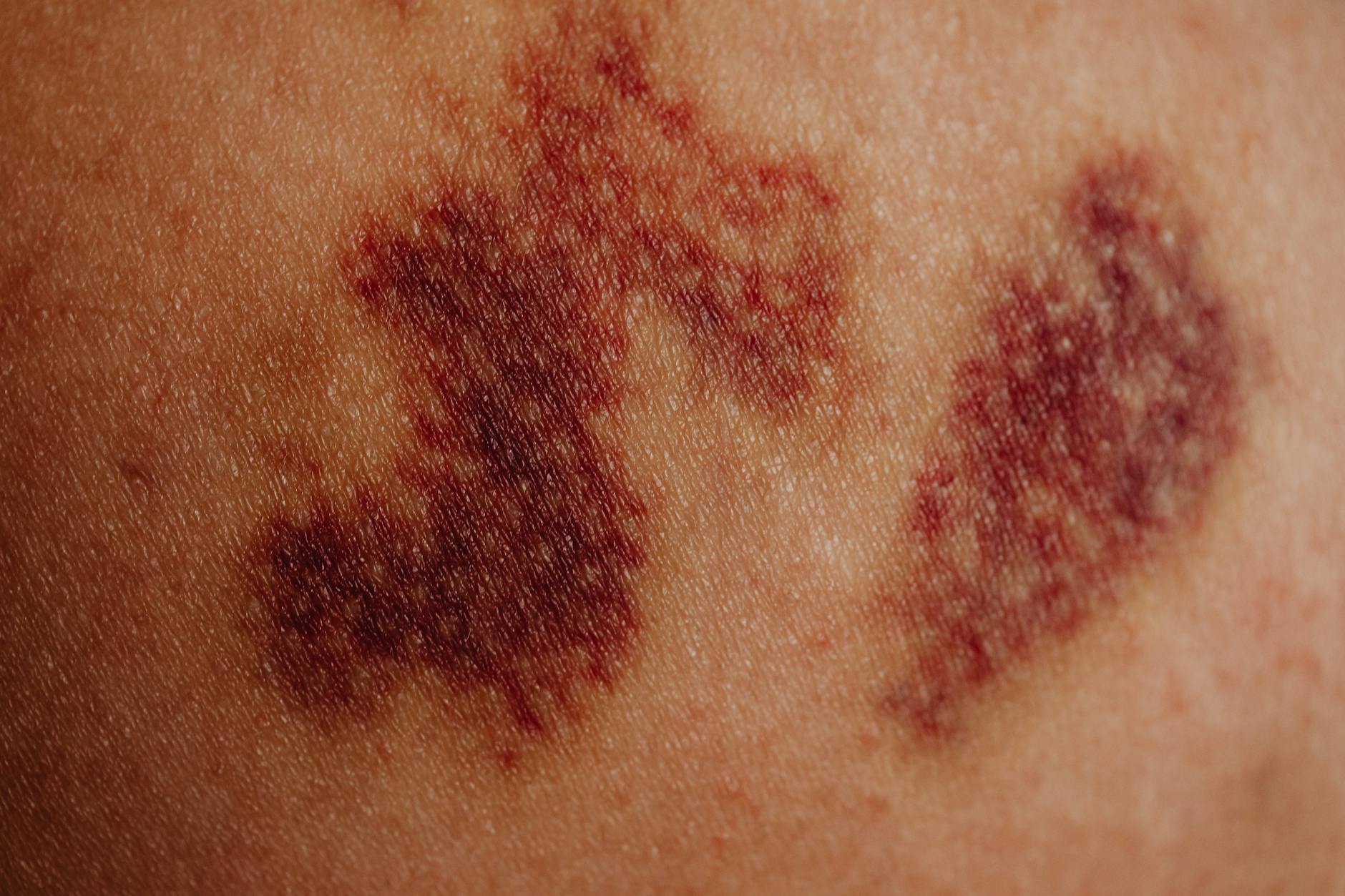
The upcoming medical examination for President Trump, scheduled for May 26th at Walter Reed National Military Medical Center, arrives at a moment when everyday citizens are increasingly weighing the implications of age and health on leadership. As the nation grapples with economic uncertainties and complex geopolitical challenges, the physical well-being of its highest elected official inevitably becomes a point of public interest, influencing perceptions of stability and the capacity to govern effectively. This routine check-up, however, is far from ordinary given the President's advanced age and the persistent whispers about his vitality. At 79 years old, with his 80th birthday looming on June 14th, President Trump stands as the oldest individual ever to hold the nation's highest office. This distinction places him in a unique demographic category, one that naturally invites closer examination of health markers. While the White House has consistently stated the President is in good health, recent public appearances have fueled speculation. Noteworthy observations include instances of bruising on his hands, swelling in his lower legs, and a noticeable rash on his neck. These visible signs, however minor they may seem individually, contribute to a broader narrative that prompts questions about the physical demands of the presidency and their impact on an aging executive. President Trump himself has actively engaged with these discussions, often dismissing concerns with robust pronouncements. He has stated, "I feel the same as I felt 50 years ago," and emphatically declared, "I'm not a senior. I'm far younger than a senior." This assertive stance is mirrored in his frequent commentary on the cognitive abilities of political opponents, particularly former President Joe Biden. Trump often boasts about "acing" the cognitive assessments administered as part of his medical evaluations, framing himself as sharp and mentally agile, thereby deflecting scrutiny from his own physical condition. The contrast he draws between his perceived vigor and that of others serves as a deliberate rhetorical strategy to bolster his image of strength and fitness. Dr. Sean Barbabella, the President's physician, has offered reassurances in the past. A letter released last year attributed the leg swelling to "chronic venous insufficiency," a common and generally benign condition, especially prevalent in individuals over 70. Regarding the bruising on his hands, the President has linked it to his aspirin intake, suggesting it exceeds his doctor's recommendations. Aspirin, known for its blood-thinning properties, can indeed contribute to easier bruising. These explanations, while medically plausible, do not entirely quell the public's underlying curiosity about the cumulative effects of age and stress on the President's overall health. The broader impact of these discussions extends beyond mere political theater. The presidency is a role that demands immense physical and mental stamina. Long hours, constant travel, and the weight of critical decision-making can take a toll on anyone, regardless of age. When the leader of a global superpower exhibits signs that are commonly associated with aging, it can inadvertently create an undercurrent of concern about national preparedness and the continuity of governance. This is particularly true in an era marked by unpredictable international relations and domestic challenges. Social media platforms have become a significant arena for these health-related conversations. Hashtags questioning the President's well-being frequently trend after public appearances where he appears fatigued or exhibits unusual physical characteristics. Online forums buzz with debates, often polarized, between those who defend the President's health and those who express genuine concern. Memes and short video clips highlighting moments of perceived frailty are widely shared, amplifying public discourse and contributing to a narrative that often bypasses official statements in favor of immediate, often speculative, interpretations of visual cues. This focus on the President's health is not an isolated phenomenon; it connects to a larger national conversation about aging in public life. As the baby boomer generation continues to occupy positions of power across various sectors, questions surrounding age, experience, and fitness for demanding roles are becoming increasingly prevalent. The nation is confronting the reality that its leaders are aging, and the public's expectation for transparency regarding health is growing, driven in part by the transparency observed in some other countries' leadership transitions. Looking ahead, the results of this upcoming medical examination will undoubtedly be parsed for any indication of changes or concerns. Beyond the official report, observers will continue to scrutinize the President's public appearances for signs of sustained energy and clarity. The interplay between his administration's policy actions, his personal health narrative, and the public's perception will remain a critical, ongoing storyline in the lead-up to future electoral considerations, shaping not just his political future but also the broader debate about age and leadership in America.
In Brief
President Trump's upcoming medical exam is drawing renewed public attention as his age and recent physical observations spark debate about his fitness for office.Advertisement

Comments
No comments yet. Be the first to comment!