
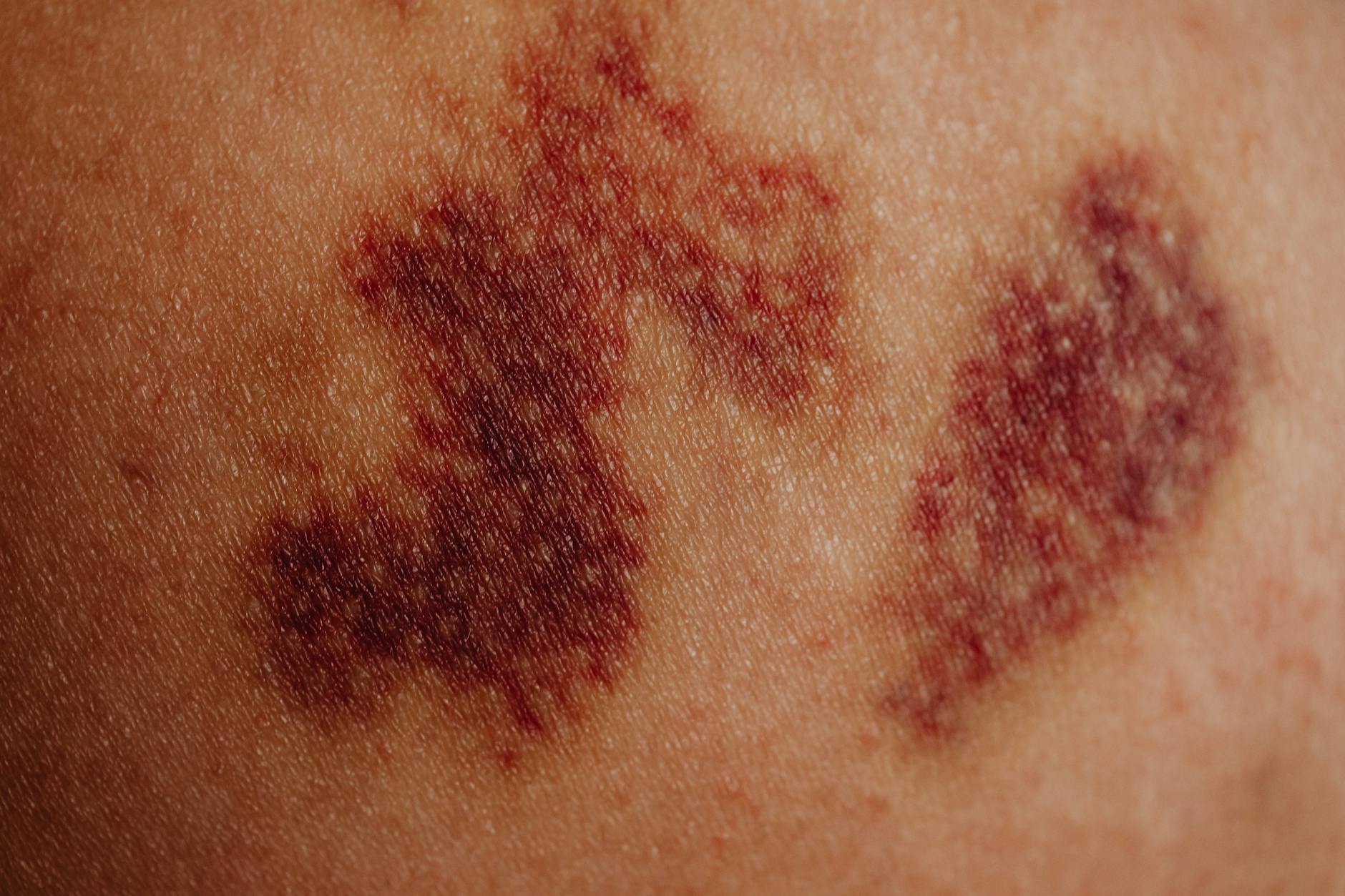
A routine medical evaluation scheduled for President Trump at Walter Reed National Military Medical Center this week has reignited a national conversation about the physical and cognitive fitness of aging leaders, a topic that has shadowed American politics for decades. While the White House maintains the visit is a standard, annual check-up, its timing, just weeks before the President’s 80th birthday, amplifies existing concerns about transparency and the long-term implications of a leader’s health on national security and governance. This latest visit to Walter Reed marks at least the third publicized consultation with medical professionals during his tenure, a frequency that contrasts with some predecessors but which the administration often frames as proactive care. However, each such appointment inevitably prompts deeper scrutiny, not just of the President’s immediate condition, but of the established protocols for disclosing vital health information to the public. The inherent opacity surrounding any executive’s health can create a vacuum filled with speculation, particularly when the individual holds the immense responsibilities of the presidency. The context for this renewed attention is multifaceted. Visible signs, such as bruising on his hands and swelling in his lower legs, have been subjects of public discussion. White House officials have previously explained the hand bruising as a consequence of frequent handshakes and aspirin use, while leg swelling has been linked to a diagnosis of chronic venous insufficiency, a common condition affecting older adults. While these are not necessarily indicators of severe illness, they contribute to a broader narrative that citizens and political observers are piecing together about the President’s physical state. President Trump himself has often addressed his health directly, frequently highlighting his performance on cognitive assessments and presenting his medical reports as definitive proof of his readiness for office. This proactive defense, however, has not fully quelled the underlying anxieties, especially given the historical weight of age as a factor in presidential elections. The scrutiny is not unique to Trump; it’s a pattern that has emerged with past leaders, underscoring a persistent societal tension between the demands of the presidency and the natural processes of aging. Beyond the immediate concerns about President Trump, the recurring focus on presidential health touches upon a broader societal implication: the evolving expectations of public figures, particularly those in the highest office. In an era of constant digital connectivity and immediate information flow, citizens demand greater insight into the lives and capabilities of their leaders. The pressure for transparency regarding health is a natural extension of this demand, pushing institutions to reconsider how much information is appropriate to share and how it should be conveyed. The data points, while often anecdotal or derived from observation, paint a picture of a leader operating under immense pressure. The President’s schedule, packed with rallies, international travel, and public ceremonies, requires significant stamina. His continued engagement in these demanding activities, even as he approaches 80, fuels the debate: is he pushing through, or is the strain showing? The answer, often obscured by political messaging, remains a subject of intense public interest. Stakeholder views are, predictably, divided. Supporters often dismiss health concerns as politically motivated attacks, emphasizing the President’s robust public schedule and past assurances. Critics, conversely, point to any perceived physical decline or the frequency of medical visits as evidence of diminishing capacity and a lack of full transparency from the administration. This polarization means that any medical update is immediately filtered through partisan lenses, complicating the pursuit of objective understanding. The resonance of this story right now is tied to the upcoming election cycle and the fundamental question of leadership continuity. As voters prepare to make critical decisions, the health and perceived vitality of candidates and incumbents become paramount. The President’s age, coupled with his demanding public life, forces a direct confrontation with the realities of aging at the highest echelons of power, challenging perceptions of what constitutes peak performance in public service. Looking ahead, the key factors to monitor will be the specifics of the White House’s communication following the Walter Reed visit and whether any new information emerges. The public’s appetite for transparency, combined with the inevitable political machinations, will likely ensure that presidential health remains a central, and often contentious, issue in the national discourse for the foreseeable future.
In Brief
President Trump's upcoming routine medical exam renews questions about presidential age, health transparency, and fitness for office, impacting public trust and national leadership.Advertisement

Comments
No comments yet. Be the first to comment!