
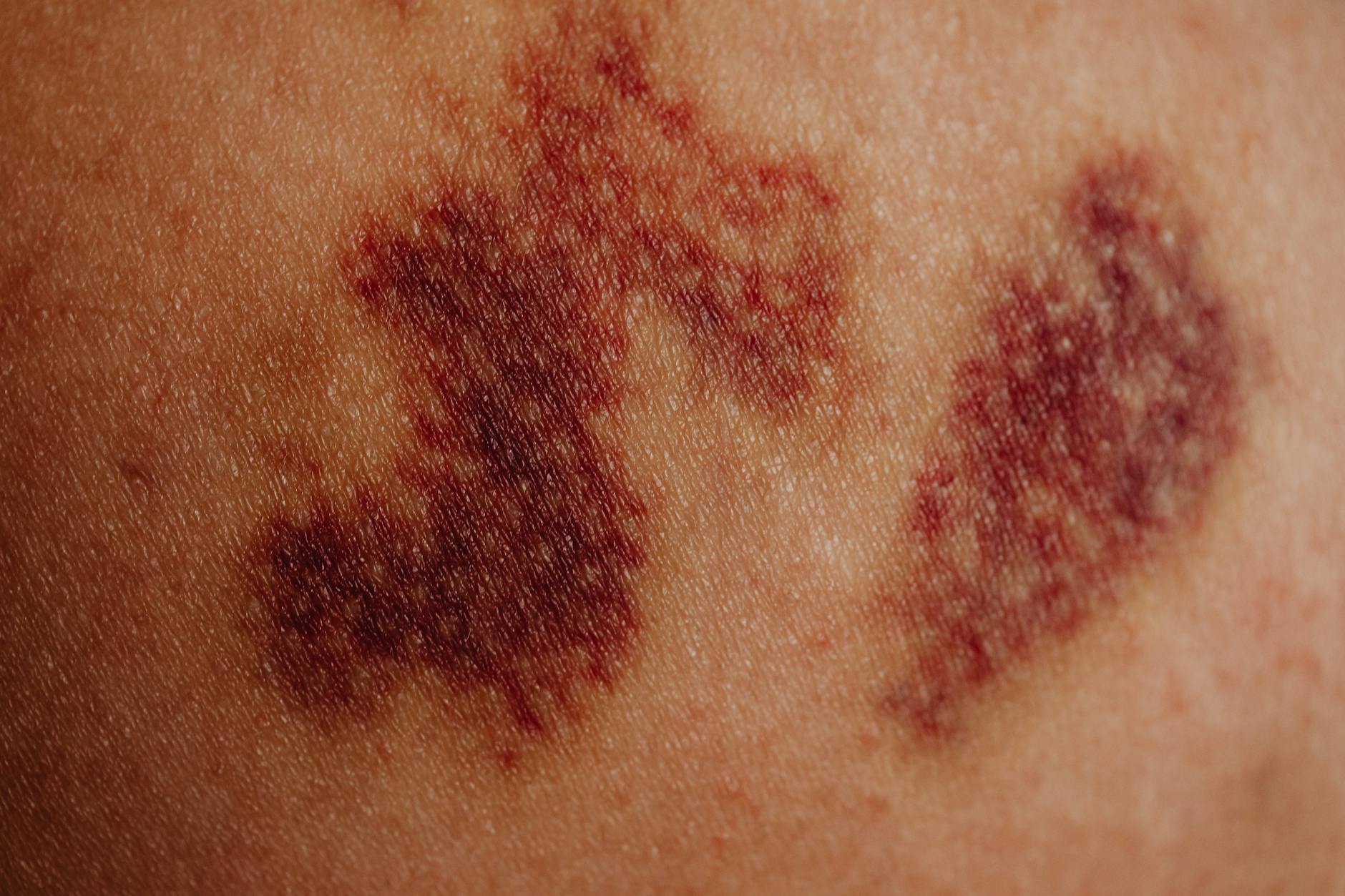
"The health of a president is not merely a personal matter; it is a critical component of national security and public trust," states Dr. Evelyn Reed, a political historian specializing in presidential health. "When a chief executive undergoes frequent medical evaluations, it inevitably invites scrutiny, demanding transparency from the administration." President Trump's upcoming visit to Walter Reed National Military Medical Center marks his third such evaluation in just over a year, a pace that has fueled persistent speculation about his physical and cognitive fitness for office. While the White House has consistently framed these as routine check-ups, the recurring nature of these appointments, especially for a leader who will soon turn 80, has become a focal point for public concern and media inquiry. The administration's characterization of the visit as a "routine annual dental and medical assessment", intended as part of his "regular preventive health care," aims to preemptively quell unease, yet the underlying questions about his health remain. This heightened attention is amplified by the historical context of presidential health. As the oldest person ever inaugurated into the presidency, and soon to be the second oldest in U.S. history after President Biden, Trump's age is an unavoidable factor. Past instances, such as the reported swollen ankles and bruised hands that have occasionally been visible, coupled with his own past rhetoric questioning the acuity of opponents, create a unique dynamic where his physical and mental faculties are under a microscope. The public's memory of his previous claims of acing cognitive tests and the subsequent release of a memo declaring him in "excellent health" after his April 2026 physical only adds layers to the ongoing narrative. Beyond the immediate concerns about the President's current condition, the frequency of these medical assessments carries significant implications for the nation's stability. A president perceived as physically or mentally compromised can undermine confidence in leadership, potentially emboldening adversaries and creating uncertainty in domestic and international affairs. The very act of undergoing these evaluations, regardless of the outcome, can become a political event, drawing focus away from policy and governance and towards personal health narratives. This is particularly true in an era where political discourse is heavily influenced by social media's rapid dissemination of information and speculation. The public reaction, largely channeled through social media platforms, has been a mixed bag of genuine concern, political opportunism, and outright skepticism. Hashtags analyzing footage of the President's gait or scrutinizing his verbal responses often trend, reflecting a populace actively engaged in interpreting every public appearance for signs of decline. Supporters often rally to defend the President's vitality, pointing to his demanding schedule and public engagements as proof of his fitness. Conversely, critics seize upon these medical visits as evidence supporting their arguments about his unsuitability for the rigors of the presidency, a narrative that gains traction with every passing moment of perceived lethargy or a verbal misstep. This persistent focus on presidential health is not new, but it has been amplified by the digital age. The transparency demanded by the public, especially concerning the leader of the free world, clashes with the traditional reticence of White House medical teams to disclose detailed health information. The White House revealed in December that President Trump underwent a CT scan to assess his "cardiovascular and abdominal health," with physician Capt. Sean Barbabella affirming he "remains in excellent overall health." Yet, even this reassurance did little to quell the underlying anxieties, particularly after the President himself later expressed regret over the October CT scan, attributing visible bruising on his hands to the overconsumption of aspirin and not a more serious underlying condition. The broader societal implications extend to how we, as a nation, view aging and leadership. The intense scrutiny applied to President Trump’s health mirrors, in some ways, the discussions surrounding President Biden’s own public appearances and age. The contrast is stark: Trump's aggressive campaign rhetoric often targeted Biden's perceived "Sleepy Joe" persona and questioned his fitness to be Commander-in-Chief. Biden’s subsequent withdrawal from the presidential race in July 2024, following a visibly slower pace and notable verbal slips during a June 2024 debate, underscores the high stakes of this issue for any candidate or incumbent. Potential solutions to this ongoing dynamic are complex, involving a delicate balance between presidential privacy and the public's right to know. Greater transparency from the White House regarding the President's health, perhaps through more detailed and regular public reports from the presidential physician, could help mitigate speculation. However, this must be weighed against the potential for such disclosures to be weaponized politically or to compromise sensitive medical information. Establishing clearer, universally accepted guidelines for presidential health disclosure, perhaps through bipartisan agreement or legislative action, could offer a more structured approach. Looking ahead, observers will be watching closely for any official statements released following this latest medical evaluation. The duration of the visit, any specific tests performed, and the precise language used in the White House’s official communication will all be dissected for clues. Furthermore, the President's own demeanor and public appearances in the days and weeks following the examination will be crucial indicators. Any deviations from his usual robust public schedule or any noticeable changes in his physical presentation could reignite the debate about his fitness to govern, ensuring that presidential health remains a perpetual undercurrent in the political discourse.
In Brief
An in-depth look at the recurring medical evaluations of President Trump, examining the implications for national security, public trust, and the broader societal conversation around aging in leadership.Advertisement

Comments
No comments yet. Be the first to comment!