
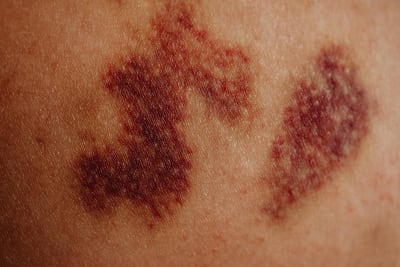
The image was stark: a visibly bruised hand, seemingly concealed by makeup, appearing just days before a scheduled medical evaluation. This juxtaposition of effort to hide, against the backdrop of a looming health check, has ignited a firestorm of public and media attention, far exceeding the typical interest surrounding a routine presidential physical. While supporters have downplayed the visual evidence, critics and concerned citizens are left questioning the extent of the president’s well-being and the transparency surrounding his health. The visual anomaly first drew widespread notice during a Memorial Day event at Arlington National Cemetery. Photographers captured the president with what appeared to be significant discoloration on his right hand, a detail that seemed deliberately softened with cosmetic application. The same hand had been similarly observed days earlier during an event promoting a federal prescription drug initiative, where makeup was again apparent. This recurring observation, coupled with a moment where the president’s eyes appeared closed for an extended period during a Pentagon briefing, has amplified existing anxieties. This isn't the first time the president's physical and cognitive faculties have been a subject of intense public debate. Throughout his tenure, questions have been raised, often amplified by his own vocal criticisms of his predecessor's health. However, the recent visual evidence adds a new, tangible layer to these discussions, moving beyond rhetoric to observable phenomena. The upcoming medical examination at Walter Reed National Military Medical Center, his fourth since taking office, is now poised to be scrutinized with unprecedented intensity. Data and evidence, in this case, are largely photographic. The repeated appearance of discoloration and apparent makeup application on the president’s hand across multiple public appearances provides a consistent, albeit circumstantial, case. While the White House has attributed such marks to the rigors of public service and occasional minor injuries, the consistent cosmetic intervention suggests an effort to manage public perception. The duration of closed eyes during a speech, while potentially explainable by fatigue or acoustics, adds another data point to the ongoing narrative of a president under strain. Public reaction has been swift and polarized, largely playing out across social media platforms. Hashtags like #TrumpHealth and #BruisedHand trended for days, showcasing a mix of mockery from opponents, concern from those worried about presidential fitness, and staunch defense from loyalists who dismissed the images as politically motivated attacks. Online forums buzzed with speculation, ranging from theories about underlying medical conditions to accusations of staged events. Dr. John Gartner, a former Johns Hopkins University professor, articulated a critical view, telling The Daily Beast Podcast that observers could “see for themselves that this person is transparently mentally ill and cognitively deteriorating,” a sentiment echoed by many online. The political ramifications are significant. For opponents, the visible signs are interpreted as confirmation of their long-held beliefs about the president's declining health, bolstering their arguments against his continued leadership. They stand to gain momentum in their efforts to question his capacity to govern, especially during times of international tension, such as the ongoing conflict in Iran. Conversely, the White House and the president’s supporters stand to lose credibility if the medical report suggests any significant health issues. They are betting on a clean bill of health to quell the speculation and allow the president to focus on his agenda, but any ambiguity will be exploited by adversaries. The president himself has fueled the narrative, often by drawing attention to his own perceived sharpness. In a recent address, he recounted a story about a doctor’s visit where he insisted he aced a cognitive test, particularly after being called “dumb.” He humorously recalled telling his doctor, “I don’t mind being called a brilliant total tyrant dictator, but I don’t want to be called dumb.” This anecdote, while intended to project mental acuity, ironically underscores the very public focus on his cognitive state. Looking ahead, the focus will inevitably shift to the results of the Walter Reed examination. The White House’s level of transparency in releasing these findings will be critical. Any attempt to obscure or downplay significant revelations is likely to be met with intense scrutiny and further fuel public distrust. The public will also be watching for any changes in the president's demeanor and public appearances in the coming weeks, seeking further clues about his health and stamina. Beyond the immediate speculation, the situation raises broader questions about presidential health transparency in the digital age. When visual evidence is so easily captured, amplified, and dissected online, the pressure on political figures to present a picture of perfect health intensifies. This incident highlights the delicate balance between a leader's right to privacy and the public's right to know about the fitness of someone holding the nation's highest office. As the president navigates this period of heightened scrutiny, his administration faces the challenge of managing public perception against a backdrop of undeniable visual cues. The outcome of the medical evaluation will undoubtedly shape the political discourse, but the lingering images and the public’s engagement with them suggest that the conversation about presidential health is far from over.
In Brief
Visible hand discoloration, seemingly covered by makeup, precedes a major medical exam, sparking intense speculation about the president's health and fitness for office.Advertisement
Comments
No comments yet. Be the first to comment!