
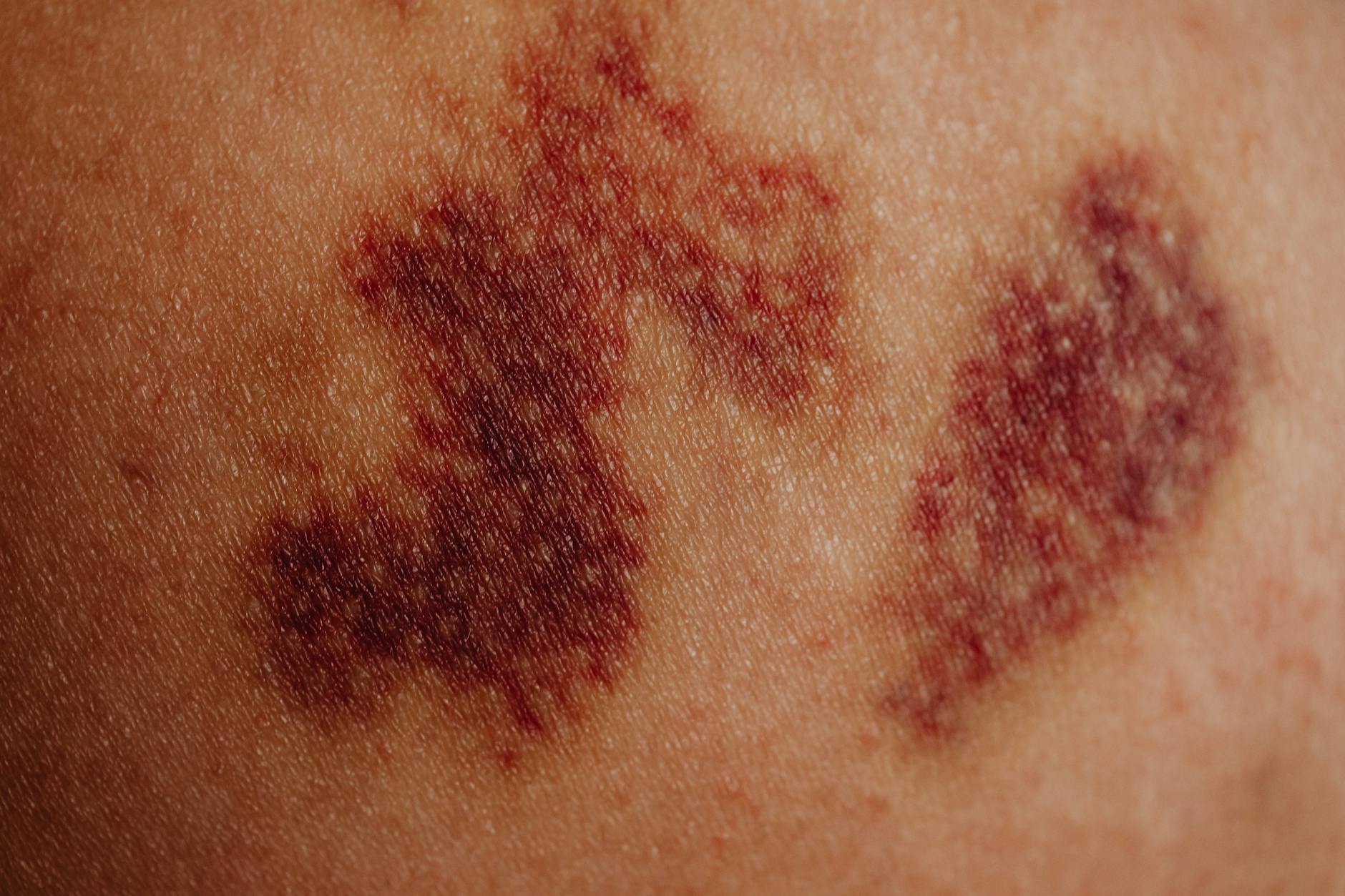
As the nation's oldest-ever elected president approaches his 80th birthday, a routine medical examination at Walter Reed National Military Medical Center has amplified public and political scrutiny regarding his physical and cognitive well-being. The scheduled visit on May 26 marks the fourth comprehensive assessment of his health during his tenure, occurring at a critical juncture where questions about vitality and stamina often accompany presidential duties. This examination takes on added significance given his public persona and the high-stakes nature of the office he holds. The president himself has attempted to preempt concerns, recently asserting at a White House event, "I feel the same as I felt 50 years ago. I'm not a senior. I'm far younger than a senior." This defiant stance, however, is juxtaposed against observable physical changes that have not gone unnoticed. Reports of bruising on his hands, a condition he attributes to increased aspirin intake, and noticeable swelling in his lower legs have fueled speculation. His physician, Dr. Sean Barbabella, has previously characterized the leg swelling as a manifestation of "chronic venous insufficiency," a common and generally benign condition prevalent in individuals over 70, suggesting it is not a cause for alarm according to medical professionals. Beyond the physical, the president's cognitive acuity has also been a recurring theme. He has frequently highlighted his strong performance on cognitive assessments, often framing them as a retort to critiques. This self-promotion serves a dual purpose: bolstering his own image of strength and implicitly drawing a contrast with perceived weaknesses of political rivals, particularly former Vice President Joe Biden, who has also faced similar questions regarding his age and fitness for office. The president's practice of 'acing' these tests is a clear strategy to neutralize potential attacks on his mental capabilities. Recent public appearances have also added layers to the discourse surrounding his health. Instances where the president appeared to close his eyes for extended periods during official functions, such as a December Cabinet meeting, led to widespread conjecture about whether he was dozing off. While he has firmly denied such claims, attributing any perceived fatigue to his demanding schedule, these moments provide fodder for public discussion and social media commentary. The relentless pace of presidential life, marked by constant travel and public engagements, naturally raises questions about the physical demands placed upon any occupant of the White House, especially one nearing 80. The social media landscape has become an amplifier for these concerns. Every public stumble, every perceived sign of fatigue, is dissected and debated across platforms like Twitter and Facebook. Hashtags related to presidential health trend regularly, reflecting a public fascination and, for some, a genuine anxiety about the leader's capacity to perform under pressure. This digital echo chamber, while often lacking rigorous medical analysis, shapes public perception and can influence broader narratives about the administration's stability and effectiveness. Those who stand to gain from sustained public confidence in the president's health include his campaign strategists and loyal supporters, who see his vigor as a key asset in upcoming electoral contests. Conversely, political opponents and critics are keen to highlight any perceived infirmity, viewing it as a potential vulnerability that could sway undecided voters or energize their own base. The media, too, plays a significant role, balancing the need for factual reporting with the public's right to know about the health of its leader, while also being mindful of the potential for sensationalism. The timing of this medical evaluation is not without strategic implications. Coming as it does with an election cycle potentially on the horizon, any findings, however minor, could be amplified and politicized. The White House's proactive release of information in the past, including detailed letters from his physician, suggests an awareness of this dynamic. The goal is to project an image of robust health and unwavering capability, thereby inoculating against potential negative narratives. Looking ahead, the focus will remain on the official release of the medical report from Walter Reed, which is expected to provide a comprehensive overview of the president's current health status. Beyond the clinical details, however, continued observation of his public schedule, stamina during strenuous events, and the rhetoric employed by both his administration and his detractors will offer further insights into the ongoing narrative surrounding presidential fitness. The intersection of personal health, political strategy, and public perception will undoubtedly continue to shape this story.
In Brief
Presidential health undergoes intense scrutiny as the nation's oldest-ever commander-in-chief approaches a significant birthday. A routine medical exam at Walter Reed amplifies questions about his physical and cognitive fitness for office.Advertisement

Comments
No comments yet. Be the first to comment!