

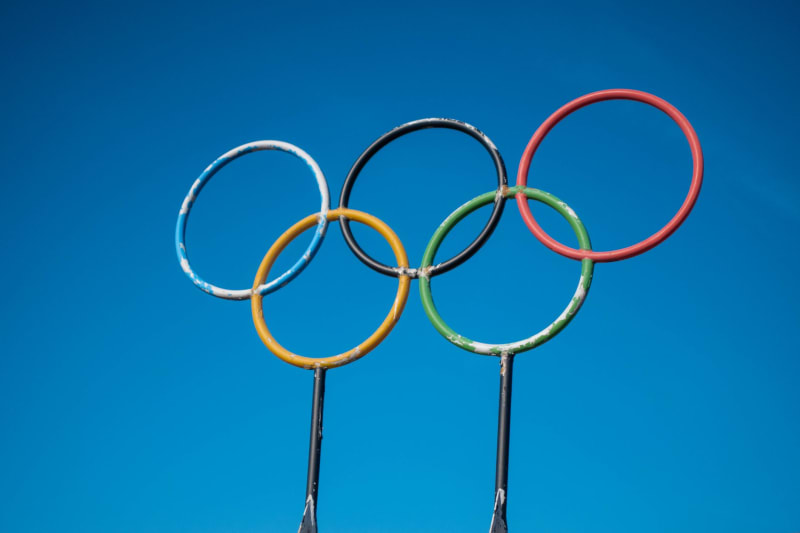
The Numbers
- A colossal $140 million fund has been established by the International Olympic Committee, specifically earmarked to provide direct financial assistance to Olympic athletes globally, representing a significant shift in athlete welfare policy.
- Each eligible Olympian will receive a substantial $10,000 grant, a non-repayable sum designed to alleviate financial pressures and support their continued dedication to sport and post-career transitions.
- The fund's creation stems from a surplus generated by the Olympic Games, demonstrating a commitment to reinvesting profits directly into the athletic community that makes the Games possible.
- This initiative is projected to benefit thousands of Olympians across various disciplines and nations, particularly those from smaller federations or less commercially viable sports who often struggle with funding.
- The distribution mechanism is being meticulously developed to ensure equitable access and transparency, aiming to reach every single Olympian who has ever participated in the Games, regardless of their medal status.
- This unprecedented financial commitment marks a 100% increase in direct athlete support from previous, more ad-hoc programs, signaling a robust and sustained effort to bolster athlete welfare for the long term.
Context Check
The announcement of a $140 million fund to provide every Olympian with a $10,000 grant represents a seismic shift in the International Olympic Committee's approach to athlete welfare. For decades, the financial struggles of many Olympians, particularly those outside of high-profile sports or from less affluent nations, have been a quiet but persistent undercurrent in the narrative of athletic glory. While the Games celebrate peak human achievement, the reality for many participants once the spotlight fades has often been one of economic precarity, limited career prospects, and a lack of adequate support structures. This new fund directly confronts that reality, aiming to provide a tangible safety net.
This move is not merely an act of philanthropy; it is a strategic response to growing calls for greater athlete empowerment and financial security. In recent years, athlete advocacy groups and former Olympians have increasingly voiced concerns about the disparity between the IOC's vast revenues and the often-meager financial situations of the athletes who are the very heart of the Olympic movement. The 'amateur' ideal, while historically significant, has long been challenged by the professional demands of elite sport, requiring full-time dedication that often precludes traditional employment. This grant acknowledges that professional commitment requires professional support.
Furthermore, the timing of this announcement is crucial. In an era where major sports organizations face increasing scrutiny over governance, transparency, and athlete rights, the IOC's proactive measure could serve to bolster its image and reaffirm its commitment to its core constituents. It signals a recognition that the long-term health and integrity of the Olympic movement depend on the well-being of its athletes. By investing directly in Olympians, the IOC is not only providing immediate financial relief but also potentially fostering greater loyalty and engagement within the global athletic community, addressing criticisms head-on and demonstrating a tangible commitment to change.
Background
For generations, the Olympic dream has been pursued by athletes who often make immense personal and financial sacrifices. While a select few achieve lucrative sponsorship deals and professional careers, the vast majority of Olympians, particularly those from sports with less commercial appeal or developing nations, struggle to make ends meet. Many juggle training with part-time jobs, rely on family support, or even take on debt to fund their Olympic aspirations. The 'amateur' ethos, which once defined the Games, has long been a contentious point, as the demands of elite training are undeniably professional, requiring full-time dedication that is rarely compensated adequately.
The International Olympic Committee, as the governing body of the Olympic Games, generates billions in revenue through broadcasting rights, sponsorships, and licensing. While a significant portion of these funds is redistributed to National Olympic Committees (NOCs) and International Federations (IFs) to support sports development, direct financial aid to individual athletes has historically been less structured and often dependent on national programs or specific athlete commissions. This has led to an uneven playing field, where athletes from well-funded NOCs or popular sports have access to resources that are simply unavailable to others, creating systemic inequalities within the Olympic family.
Over the past decade, there has been a growing chorus of voices, including prominent Olympians and athlete advocacy groups, calling for more direct and equitable financial support from the IOC. These calls have highlighted the often-precarious post-career transitions for athletes, the mental health challenges stemming from financial stress, and the need for a more robust safety net. The creation of this $140 million fund, offering a $10,000 grant to every Olympian, represents a direct and substantial response to these long-standing demands, signaling a significant evolution in the IOC's understanding of its responsibility towards the athletes who are the very essence of the Olympic movement.
Winners and Losers
The unequivocal winners in this landmark initiative are the Olympians themselves, particularly those who have historically operated on the fringes of financial stability. Athletes from smaller national Olympic committees, those competing in less commercially popular sports, and individuals who have dedicated their lives to sport without significant sponsorship opportunities stand to gain immensely. A $10,000 grant can be transformative, providing crucial support for training, equipment, medical expenses, or even serving as a vital bridge during career transitions post-Olympics. This direct injection of capital validates their immense sacrifices and offers a tangible recognition of their dedication, fostering a more equitable playing field across the entire Olympic spectrum.
Another significant winner is the International Olympic Committee's public image and its relationship with the global athlete community. By proactively addressing long-standing criticisms regarding athlete welfare and financial disparity, the IOC strengthens its legitimacy and demonstrates a tangible commitment to its core constituents. This move could help to quell dissent, foster greater trust, and reinforce the IOC's position as a responsible steward of the Olympic movement. It also provides a powerful narrative of reinvestment, showing that the immense revenues generated by the Games are being channeled back to the athletes who make them possible, enhancing the organization's reputation on a global stage.
While there are no explicit 'losers' in a direct financial sense, some might argue that National Olympic Committees (NOCs) and International Federations (IFs) could see a subtle shift in their perceived role as primary financial providers for athletes. Historically, these bodies have been the main conduits for athlete support. With the IOC now directly funding individual Olympians, there might be a re-evaluation of responsibilities and a potential for some athletes to look directly to the IOC for support, bypassing traditional national structures. However, this is more of a rebalancing of influence than a loss, as NOCs and IFs will continue to play crucial roles in athlete development and competition pathways. The biggest 'loser,' if any, might be the persistent narrative that the IOC prioritizes profit over people, a narrative this fund directly challenges and aims to dismantle.
Analyst Perspectives
Sports economists are largely hailing the IOC's $140 million fund as a strategic masterstroke, not just an act of generosity. Dr. Anya Sharma, a leading expert in sports governance, notes, "This isn't merely a handout; it's a long-term investment in the sustainability and integrity of the Olympic brand. By directly supporting athletes, the IOC is addressing a fundamental vulnerability that has plagued the movement for decades. It mitigates the risk of athlete exploitation, reduces the pressure on individuals to compromise ethical standards for financial gain, and ultimately strengthens the competitive landscape by allowing more athletes to pursue their dreams without debilitating financial stress." This proactive measure is seen as a crucial step towards modernizing the Olympic model.
Athlete welfare advocates, while commending the initiative, are also emphasizing the need for robust oversight and transparency in the fund's distribution. "The devil will be in the details," states Mark Johnson from the Global Athlete Rights Association. "While $10,000 is a significant sum for many, ensuring equitable access across all nations and sports, and preventing any potential bureaucratic hurdles or corrupt practices, will be paramount. The IOC must establish a clear, independent mechanism for application and disbursement, coupled with ongoing support services, to truly maximize the impact of these grants. This is a fantastic start, but it must be followed by unwavering commitment to fair implementation." The focus now shifts to the practical execution.
Geopolitical analysts suggest this fund also carries significant soft power implications. "In an increasingly fragmented global landscape, the IOC is asserting its role as a unifying force," observes Dr. Lena Petrova, a specialist in international relations. "By providing direct financial aid to athletes worldwide, irrespective of their national economic standing, the IOC is demonstrating a commitment to universal values and solidarity. This can foster goodwill, enhance diplomatic ties through sport, and reinforce the perception of the Olympic movement as a beacon of fairness and opportunity, particularly for athletes from developing nations who often lack such robust support systems. It's a powerful statement in a world often divided." The broader impact extends beyond mere economics.

Key Questions Explained
The Outlook
The establishment of the $140 million Olympian fund marks a pivotal moment for the International Olympic Committee and the global sports community. This initiative is poised to usher in an era of enhanced athlete welfare, directly addressing long-standing financial vulnerabilities that have shadowed the careers of countless Olympians. The immediate outlook is overwhelmingly positive, with thousands of athletes expected to benefit from the $10,000 grant, providing them with crucial financial stability and a renewed sense of recognition for their immense sacrifices. This move is likely to foster greater trust and loyalty between the athletes and the governing body, strengthening the very foundation of the Olympic movement for decades to come.
Looking ahead, the success of this fund will largely depend on its transparent and equitable implementation. The IOC faces the critical task of establishing robust administrative mechanisms to ensure that every eligible Olympian, regardless of their nationality or sport, can access these grants without undue bureaucratic hurdles or potential for corruption. If managed effectively, this program could set a new global standard for athlete support, potentially inspiring other major sports organizations to re-evaluate their own financial commitments to their athletes. The long-term impact could be a more professionalized, sustainable, and ethically sound ecosystem for elite sports worldwide, where athlete well-being is genuinely prioritized.
Beyond the immediate financial relief, this fund carries the potential to reshape the narrative around the Olympic Games. It underscores a shift from a purely performance-centric model to one that also values the holistic well-being of its participants. This could attract a broader range of talent, encourage greater diversity in sports participation, and ultimately enrich the Olympic experience for both athletes and spectators. While challenges in distribution and ongoing oversight will undoubtedly arise, the precedent set by this substantial investment signals a promising future where the dream of becoming an Olympian is not solely defined by medal counts but also by a foundational level of respect and financial security.















Comments
No comments yet. Be the first to comment!