


What We Know
- Indian benchmark indices, Sensex and Nifty, experienced an alarming and significant intraday sell-off, signaling a sharp shift in market sentiment and prompting widespread concern among investors.
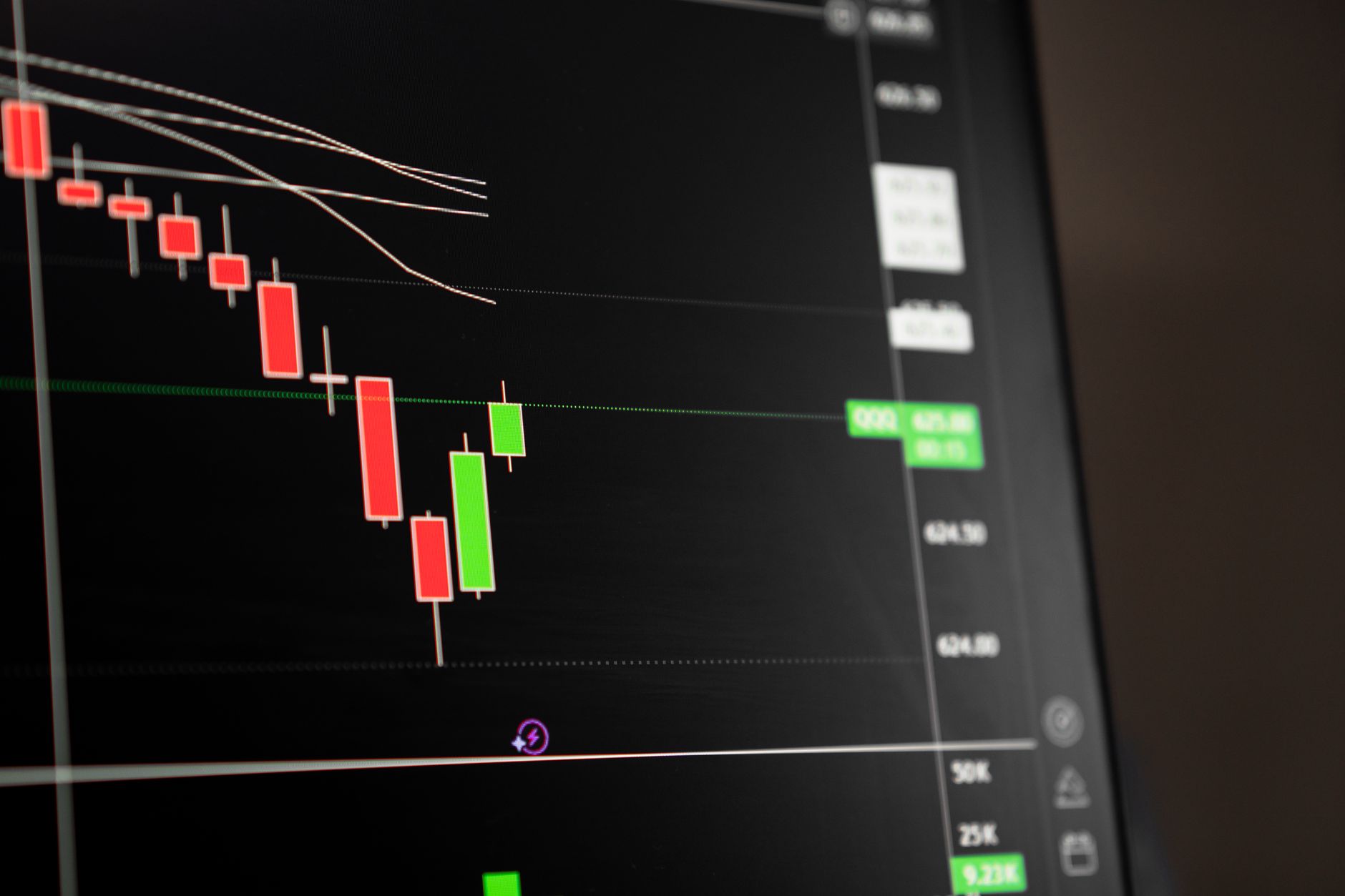
- The BSE Sensex plummeted by a staggering 831 points from its intraday high, reflecting aggressive profit-booking and a sudden lack of buying conviction across major sectors.
- The Nifty 50 index breached the critical psychological support level of 23950, indicating a potential technical breakdown and raising questions about its near-term trajectory.
- This market decline was notably broad-based, with nearly all sectoral indices registering losses, signifying a systemic pressure rather than isolated sector-specific issues.
- Global market cues were predominantly negative, with major Asian and European indices trading lower, creating a challenging external environment that exacerbated domestic selling pressure.
- Foreign institutional investors (FIIs) have continued their trend of being net sellers in recent trading sessions, withdrawing significant capital from Indian equities and contributing to the downward momentum.
What We Do Not Know Yet
- The precise duration of this current market correction remains highly uncertain, leaving investors to speculate whether this is a fleeting dip or the precursor to a more extended period of bearish sentiment.
- It is currently unclear whether this sharp intraday fall represents a healthy, albeit aggressive, profit-booking phase or if it marks the initial stages of a prolonged bear market cycle.
- The specific policy responses, if any, that regulators like SEBI or the Reserve Bank of India, or even the central government, might implement to stabilize market confidence are yet to be announced or even hinted at.
- The extent to which this domestic market downturn is purely a reaction to global economic headwinds versus an indication of emerging internal vulnerabilities within the Indian economy is still being debated by analysts.
- Whether retail investors, who have shown remarkable resilience and participation in recent rallies, will continue to buy the dip or if this correction will trigger widespread panic selling is an open question.
- The potential impact of upcoming corporate earnings reports on market sentiment, particularly how companies will navigate rising input costs and potential demand slowdowns, is a significant unknown.
Background
For several preceding months, Indian equity markets had been on an unprecedented upward trajectory, consistently scaling new all-time highs. This remarkable rally was underpinned by a confluence of positive factors, including robust corporate earnings growth, resilient domestic economic data, and a seemingly unending influx of foreign institutional investment. The prevailing narrative suggested a strong, growth-oriented economy capable of weathering global uncertainties, fostering a sense of optimism among market participants.
However, beneath this veneer of bullish enthusiasm, persistent concerns regarding elevated inflation levels, both domestically and globally, coupled with the prospect of aggressive interest rate hikes by central banks worldwide, had been simmering. These macroeconomic headwinds posed a significant threat to corporate profitability and consumer spending, creating an underlying tension that many analysts had warned could eventually lead to a market correction. The recent surge in commodity prices, particularly crude oil, further complicated this delicate balance, adding pressure to inflationary expectations and potentially impacting India's import bill.
The current market downturn can be viewed as a stark realization of these latent risks. After an extended period of sustained gains, the market became increasingly susceptible to negative triggers. Today's sharp fall serves as a potent reminder that even robust bull markets are not immune to corrections, especially when global sentiment sours and domestic valuations appear stretched. It underscores the inherent volatility of financial markets and the importance of a nuanced understanding of both micro and macroeconomic indicators, rather than simply riding the wave of momentum.
Why It Matters
A significant market correction, such as the one witnessed today, directly impacts the wealth of millions of investors, ranging from large institutional funds to individual retail participants. The erosion of portfolio values can lead to a tangible loss of confidence, potentially dampening consumer spending and investment appetite across the broader economy. This ripple effect extends beyond mere financial figures, influencing psychological factors that drive economic activity and long-term capital formation.
Beyond individual portfolios, a sharp market decline often serves as a critical barometer, signaling potential underlying economic vulnerabilities or significant shifts in global financial sentiment. It can reflect concerns about corporate profitability, the efficacy of monetary policy, or geopolitical instability. When markets react so dramatically, it compels policymakers, businesses, and economists to re-evaluate their outlooks and strategies, as sustained market weakness can impede economic growth and job creation.
For the growing cohort of retail investors in India, who have increasingly embraced direct equity participation and mutual fund investments, such volatility presents a particularly acute challenge. Many new investors, accustomed to a largely upward-trending market, may lack the experience or emotional fortitude to navigate sharp corrections. This can lead to panic selling, crystallizing losses, and potentially deterring future participation, which would be detrimental to the long-term goal of financial inclusion and capital market deepening in the country.
Timeline of Events
- Early Morning (9:15 AM - 10:00 AM IST): Indian equity markets opened with cautious optimism, initially trading flat to slightly positive, but quickly succumbed to selling pressure as negative global cues from Asian markets began to influence domestic sentiment.
- Late Morning (10:00 AM - 12:00 PM IST): Selling intensified across the board, with banking, financial services, and realty sectors leading the decline, pushing both the Sensex and Nifty into significant negative territory, breaching initial support levels.
- Mid-day (12:00 PM - 2:00 PM IST): The market witnessed its steepest fall, with the Sensex plummeting over 800 points and the Nifty breaking below 23950, as widespread panic selling and aggressive unwinding of long positions accelerated the downward spiral.
- Early Afternoon (2:00 PM - 3:00 PM IST): A brief attempt at recovery was observed, primarily driven by short covering in select heavyweights, but the overall bearish sentiment remained dominant, preventing any substantial rebound.
- Late Afternoon (3:00 PM - 3:30 PM IST): Markets largely consolidated near their intraday lows, with volumes remaining high, indicating continued distribution and a lack of strong buying interest to absorb the selling pressure.
- Closing Bell (3:30 PM IST): Both Sensex and Nifty closed significantly lower, marking one of the sharpest single-day declines in recent memory, leaving investors to grapple with substantial losses and an uncertain outlook for the coming sessions.

Rapid-Fire Q&A
What Is Coming
- Market participants will be intensely scrutinizing global developments, particularly statements from the US Federal Reserve and European Central Bank regarding their monetary policy stances and future interest rate trajectories.
- Upcoming domestic economic data releases, including inflation figures, industrial production, and manufacturing PMI, will be crucial in shaping investor sentiment and providing clarity on India's economic health.
- Volatility is widely expected to persist in the short term, as markets digest the recent sharp correction and attempt to find a new equilibrium amidst ongoing global and domestic uncertainties.
- The performance of key global indices, especially the US Dow Jones and S&P 500, will continue to exert significant influence on Indian market openings and intraday movements in the coming days.
- Analysts will be closely watching for any signs of policy intervention or statements from government officials or regulatory bodies that could help stabilize market confidence or address underlying concerns.
- Corporate earnings season, which is just around the corner for many companies, will provide critical insights into the real economic impact of inflation and rising interest rates, potentially guiding sector-specific performance.













Comments
No comments yet. Be the first to comment!