
Key Takeaways
- Guatemala is confronting a severe public health emergency, with confirmed measles cases now exceeding 7,000, indicating a widespread and rapidly escalating crisis across multiple departments.
- The outbreak places immense strain on the nation's already fragile healthcare infrastructure, leading to overwhelmed hospitals and critical shortages of medical personnel and essential supplies.
- Urgent, large-scale vaccination campaigns are paramount to halt the rapid transmission of the highly contagious virus and protect susceptible populations, especially young children.
- International humanitarian aid and collaborative efforts are crucial to bolster Guatemala's response capacity, providing vital resources and technical assistance to affected regions.
- Children and individuals in remote, underserved communities are disproportionately vulnerable to severe complications and fatalities due to limited access to timely medical intervention.
- Addressing underlying systemic issues, including vaccine hesitancy, inadequate public health funding, and geographical barriers, is essential for long-term disease prevention and resilience.
Background
Guatemala has historically faced challenges with vaccination coverage, particularly in rural and indigenous communities. The current outbreak began in early 2023, with initial cases concentrated in a few northern departments. The rapid spread is attributed to several factors, including population movement and vaccine hesitancy in some areas. The country's health infrastructure, already strained, is struggling to cope with the escalating number of patients requiring isolation and treatment. This situation highlights long-standing systemic issues within the public health sector, exacerbated by economic disparities and limited resource allocation to preventative care programs.
The nation's public health system has long contended with chronic underfunding and a severe shortage of trained medical professionals, particularly in remote and rural areas. This pre-existing vulnerability has created fertile ground for a highly contagious disease like measles to spread unchecked. Compounding these issues, a significant portion of the population resides in geographically isolated communities, making access to routine immunization services and emergency medical care exceptionally difficult. These systemic weaknesses have been a known concern for years, yet comprehensive solutions have been slow to materialize, leaving the population susceptible to preventable diseases.
Furthermore, a rise in vaccine hesitancy, fueled by misinformation and distrust, has contributed to declining immunization rates in specific pockets, eroding the collective immunity necessary to prevent large-scale outbreaks. This hesitancy is often rooted in cultural factors, lack of accurate information, and historical grievances, making community engagement and education efforts particularly challenging. The confluence of these factors – low historical coverage, strained infrastructure, geographical barriers, and emerging vaccine hesitancy – has created a perfect storm, allowing the measles virus to proliferate with alarming speed and reach critical mass.
Why It Matters
A widespread measles outbreak in Guatemala is not merely a local health crisis; it carries profound regional implications. Measles is highly contagious, and its uncontrolled spread can easily cross borders, threatening neighboring countries, especially those with vulnerable populations or less robust immunization programs. The disease can lead to severe complications like pneumonia, encephalitis, and even death, particularly in malnourished children or those with compromised immune systems. Beyond the immediate health toll, the outbreak strains healthcare resources, diverts funds from other essential public health initiatives, and disrupts educational systems as schools may close to prevent further transmission. The economic impact on families, due to medical costs and lost productivity, is also substantial, perpetuating cycles of poverty and instability.
The human cost of this outbreak extends far beyond the reported case numbers. Each confirmed infection represents a child at risk of lifelong disability, a family grappling with fear and medical expenses, and a community facing disruption. The long-term health consequences for survivors, particularly young children who may suffer from post-measles complications or weakened immune systems, are a significant concern. This can lead to increased susceptibility to other infections, impacting child mortality rates and overall public health indicators for years to come. The emotional and psychological toll on healthcare workers, constantly battling overwhelming caseloads with limited resources, is also immense and often overlooked.
Economically, the outbreak poses a severe threat to Guatemala's development. Resources that could be allocated to education, infrastructure, or economic growth are now being diverted to emergency health responses. The disruption of daily life, including school closures and parents missing work to care for sick children, directly impacts productivity and household incomes. Furthermore, a perception of instability due to a major health crisis can deter tourism and foreign investment, further hindering economic recovery and growth. This outbreak is a stark reminder that public health is intrinsically linked to national security and economic prosperity, demanding a holistic and sustained response.
Ground Reality
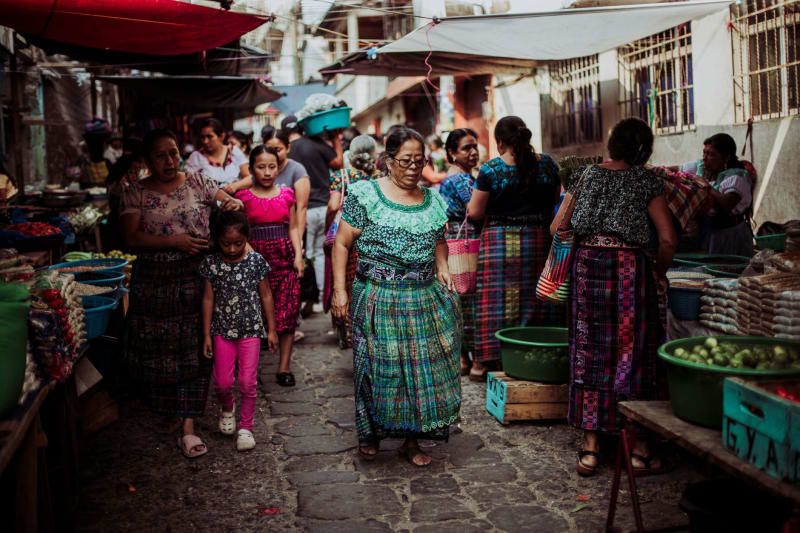
On the ground, the situation is dire. Hospitals are overwhelmed, with limited beds and medical staff struggling to manage the influx of patients. Many affected communities are remote, making access to medical care difficult and delaying diagnosis and treatment. Vaccination campaigns face logistical hurdles, including reaching scattered populations, maintaining cold chains for vaccines, and overcoming community mistrust or misinformation. Health workers report exhaustion and a shortage of essential supplies, from diagnostic kits to basic medications. Families are often forced to travel long distances, incurring significant costs, only to find healthcare facilities stretched to their breaking point. The fear of the disease is palpable, especially among parents of young children.
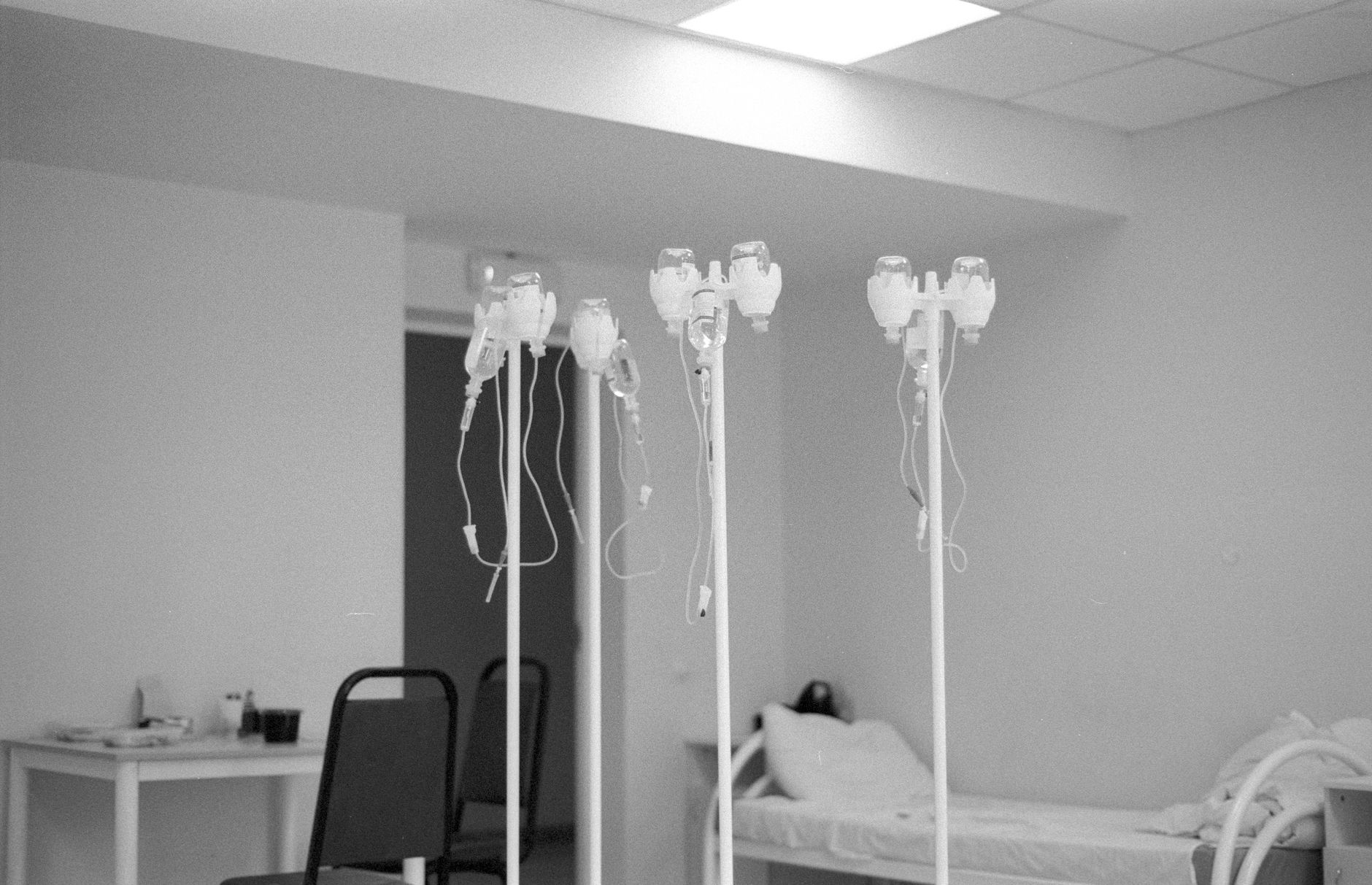
In the most affected regions, particularly in the northern and western departments, healthcare outposts are reporting critical shortages of basic medical equipment, including oxygen concentrators, IV fluids, and even simple pain relievers. The lack of adequate isolation facilities means that patients, especially children, are often treated in crowded conditions, increasing the risk of nosocomial infections. Community health workers, who are often the first and only point of contact for many rural populations, are working tirelessly but are severely under-resourced and overstretched, struggling to conduct surveillance, education, and vaccination efforts simultaneously across vast, difficult terrains.
Beyond the medical challenges, the social fabric of these communities is also under immense stress. Parents are making agonizing choices between seeking distant medical care for a sick child and maintaining their livelihoods. The economic burden of illness, coupled with the fear of contagion, is creating a climate of anxiety and despair. Trust in public health institutions, already fragile in some areas, is further eroded by perceived slow responses or inadequate support. This complex interplay of health, economic, and social factors paints a grim picture of the daily struggles faced by thousands of Guatemalans caught in the grip of this preventable crisis.
What Experts Are Saying
Public health experts are sounding alarms, emphasizing the urgent need for a coordinated national and international response. Dr. Elena Ramirez, a leading epidemiologist, states, 'This outbreak underscores the critical importance of universal vaccine coverage. Gaps in immunization, however small, create fertile ground for highly contagious diseases like measles to resurface with devastating speed.' Others point to the need for robust public awareness campaigns to combat vaccine hesitancy and misinformation, which have been identified as significant barriers to effective disease control. The consensus among experts is that sustained investment in primary healthcare infrastructure and community-based health programs is essential to prevent future outbreaks and build resilience against infectious diseases.
International organizations like the Pan American Health Organization (PAHO) and UNICEF have echoed these concerns, calling for immediate resource mobilization and technical assistance to support Guatemala's overwhelmed health system. Dr. Miguel Sanchez, a regional health advisor for PAHO, highlighted the importance of 'a multi-sectoral approach that not only focuses on emergency vaccination but also addresses the socio-economic determinants of health, including access to clean water, sanitation, and nutrition, which indirectly impact vulnerability to infectious diseases.' He stressed that a fragmented response would only prolong the crisis and increase its human toll.
Furthermore, experts are advocating for a long-term strategy that prioritizes strengthening routine immunization programs and integrating them more effectively into primary healthcare services. This includes improving cold chain logistics, training more health workers, and developing culturally sensitive communication strategies to build trust within diverse communities. The consensus is that while emergency measures are vital, sustainable solutions require a fundamental re-evaluation and significant investment in Guatemala's public health infrastructure to ensure that every child has access to life-saving vaccines and quality healthcare, preventing such devastating outbreaks from recurring.

Frequently Asked Questions
What Happens Next
The immediate future hinges on the effectiveness of intensified vaccination campaigns and the ability of the health system to manage the current caseload. Success will require sustained political will, significant international support, and robust community engagement to overcome vaccine hesitancy. Long-term, Guatemala must invest in strengthening its primary healthcare infrastructure, expanding routine immunization programs, and establishing resilient surveillance systems to prevent future outbreaks. Addressing the root causes of vulnerability, including poverty and lack of access to basic services, will be critical for achieving lasting public health security. The lessons learned from this crisis must drive systemic improvements to protect the nation's most vulnerable populations.
Crucially, the next phase involves not just containing the immediate spread but also meticulously tracking new cases and potential clusters to prevent resurgence. This requires enhanced epidemiological surveillance, rapid diagnostic capabilities, and efficient contact tracing mechanisms, especially in areas with high population mobility. The government, in collaboration with international partners, must ensure a continuous supply of vaccines and medical resources, avoiding any gaps that could undermine the ongoing efforts. Transparent communication with the public will also be vital to maintain trust and encourage participation in health initiatives.
Looking further ahead, a comprehensive post-outbreak assessment will be essential to identify critical weaknesses and inform future public health strategies. This includes evaluating the efficacy of the emergency response, understanding the specific drivers of vaccine hesitancy in different communities, and assessing the long-term impact on child health and development. Ultimately, Guatemala has an opportunity to transform this crisis into a catalyst for building a more equitable and resilient health system, ensuring that every citizen, regardless of their location or socio-economic status, has access to the fundamental healthcare and preventative measures necessary for a healthy life.













Comments
No comments yet. Be the first to comment!