


Policy Snapshot
- The Federal Reserve's recent decision to maintain its benchmark interest rate at a 23-year high of 5.25%-5.50% has sent profound shockwaves through global financial markets, defying widespread expectations for a more dovish outlook or an imminent pivot towards rate cuts.
- This strategic move signals a profoundly cautious and unwavering approach to taming persistent inflation, even in the face of recent economic data that has suggested a gradual cooling in various critical sectors of the economy.
- The Fed's unwavering hawkish stance is primarily driven by deep-seated concerns that inflation, while moderating from its peak levels, still remains stubbornly above its long-term target of 2%, demanding continued vigilance and policy pressure.
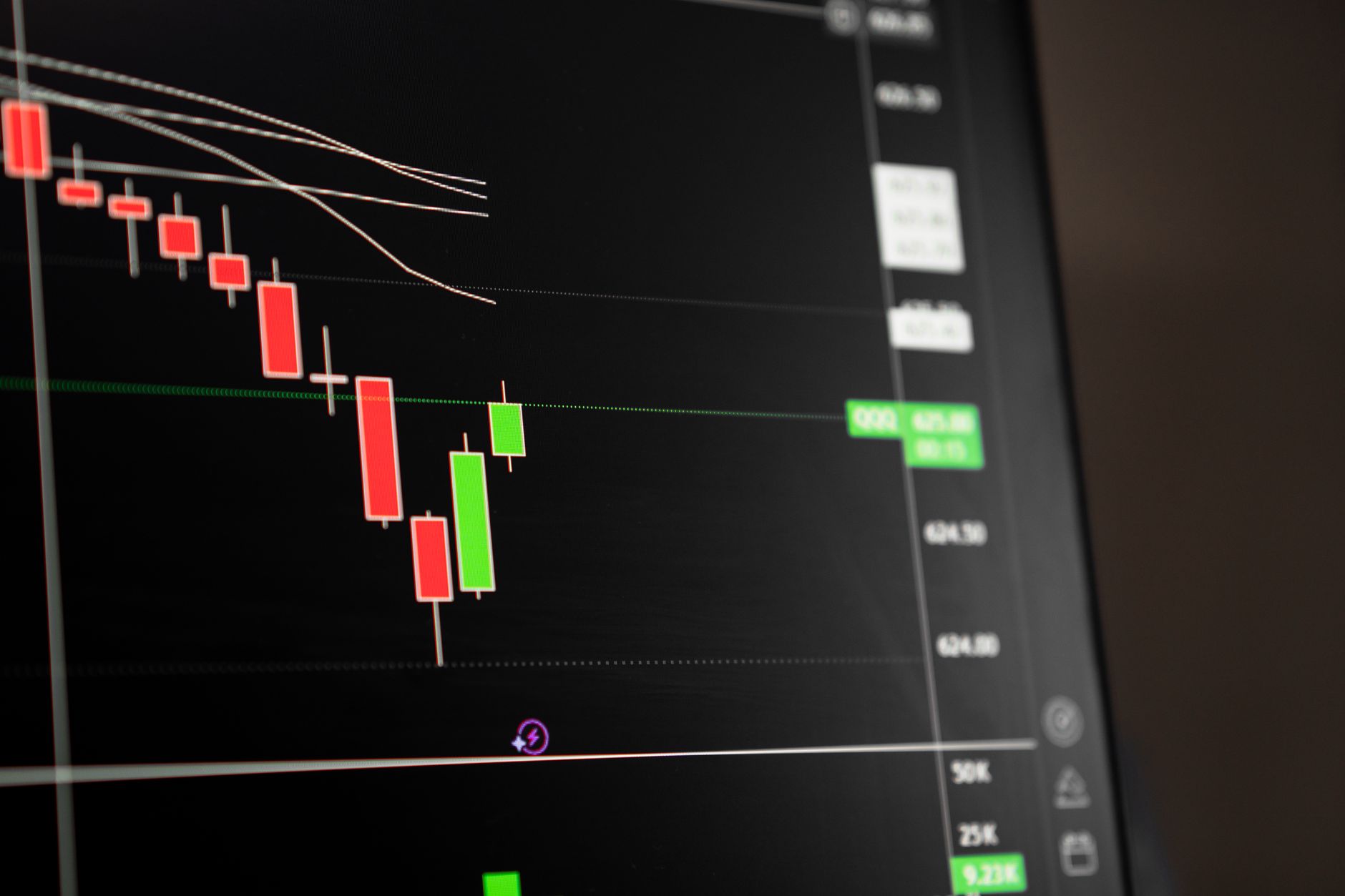
- Market participants had largely anticipated at least a clear signal towards future rate reductions, making the Fed's resolute hold a significant and unsettling surprise that triggered immediate sell-offs across major indices and asset classes.
- The decision unequivocally underscores the central bank's paramount commitment to achieving absolute price stability as its primary mandate, even if it entails the potential risk of a more pronounced economic slowdown or increased financial market volatility.
- Future policy actions and any potential adjustments to the federal funds rate will now heavily depend on the consistent trajectory of incoming economic data, particularly the critical inflation and employment figures released in the coming months, shaping market expectations.
The Policy History
The current high interest rate environment is a direct consequence of the extraordinary economic conditions that emerged in the wake of the COVID-19 pandemic. Following unprecedented fiscal stimulus and severe supply chain disruptions, inflation surged to multi-decade highs, reaching levels not seen since the early 1980s. Initially, the Federal Reserve characterized this inflation as 'transitory,' believing it would naturally dissipate as supply chains normalized. However, as price increases proved more persistent and broad-based, affecting everything from food and energy to housing and services, the central bank was compelled to pivot sharply towards an aggressive tightening cycle to restore price stability.
For over a year, starting in March 2022, the Federal Reserve embarked on one of the most rapid and aggressive series of interest rate hikes in its history. This period saw the federal funds rate climb from near zero to its current elevated level of 5.25%-5.50% through a succession of eleven rate increases. The primary goal was to cool an overheating economy by making borrowing more expensive, thereby reducing demand and bringing price increases under control. This strategy aimed to engineer a 'soft landing' – curbing inflation without triggering a severe recession – a delicate balancing act that has proven exceptionally challenging.
While these aggressive measures have indeed led to a moderation in headline inflation from its peak, core inflation, which excludes volatile food and energy prices, has proven more stubborn. The labor market, despite some cooling, has also remained remarkably resilient, with unemployment rates staying historically low and wage growth continuing. This mixed bag of economic signals — moderating but sticky inflation, robust employment, and slowing but not collapsing growth — has created a complex dilemma for the Fed, influencing its decision to maintain a hawkish stance even as market expectations leaned towards a pivot.
Who Is Affected
The Federal Reserve's decision to keep interest rates elevated has profound and immediate consequences for American consumers. Higher borrowing costs translate directly into more expensive mortgages, making homeownership less accessible and increasing monthly payments for those with adjustable-rate loans. Similarly, car loans, personal loans, and credit card interest rates have climbed, eroding household budgets and making it harder for individuals to manage debt or finance major purchases. This sustained pressure on consumer finances risks dampening discretionary spending, which is a critical driver of economic growth, potentially leading to broader economic slowdowns.
Businesses, particularly small and medium-sized enterprises heavily reliant on debt financing for operations and expansion, face increased operational expenses. The cost of capital has risen significantly, potentially hindering investment in new equipment, technology, or hiring initiatives. Larger corporations, while often having more diverse funding options, are also feeling the pinch of higher borrowing costs and reduced consumer demand, leading to cautious spending, hiring freezes, or even layoffs. This environment can stifle innovation and growth, especially for startups and highly leveraged firms that may struggle to service their existing debt.
Investors are grappling with heightened market volatility and the need to reassess their portfolios in light of persistent high rates. Equity valuations can come under pressure as higher interest rates make future earnings less valuable and provide a more attractive alternative in risk-free government bonds. The housing market, in particular, has experienced a significant slowdown, with reduced transaction volumes and cooling price appreciation, impacting real estate investors and homeowners alike. Furthermore, the global economy feels the ripple effect, as a strong U.S. dollar, driven by higher rates, can strain emerging markets and impact international trade balances, creating broader financial instability.
The Case For
Proponents of the Federal Reserve's unwavering stance argue that maintaining high interest rates is a necessary, albeit painful, measure to decisively crush inflation and restore long-term economic stability. They frequently invoke historical precedents, particularly the lessons learned from the inflationary spirals of the 1970s and early 1980s. During that era, a failure to act decisively led to prolonged economic pain and required even more drastic measures by then-Fed Chair Paul Volcker. This perspective emphasizes that the cost of allowing inflation to become entrenched far outweighs the temporary discomfort of higher borrowing costs, safeguarding the Fed's credibility as a guardian of price stability.
A core tenet of this argument is the significant risk of a 'second wave' of inflation if the Fed were to ease monetary policy prematurely. Cutting rates too early could reignite demand, especially if supply-side issues persist or if wage growth continues to outpace productivity gains, leading to a dangerous wage-price spiral. Such a scenario would necessitate even more aggressive tightening later, potentially resulting in a deeper and more prolonged economic downturn than the one currently being navigated. Therefore, a 'higher for longer' approach is seen as a prudent strategy to ensure inflation is truly brought under control and anchored at the 2% target.
Ultimately, advocates contend that this 'tough love' approach is not punitive but rather a foundational investment in the nation's long-term economic health. Achieving and maintaining price stability fosters a predictable economic environment, which is crucial for businesses to plan, invest, and innovate with confidence. It protects the purchasing power of consumers, especially those on fixed incomes, and prevents the erosion of savings. By prioritizing stable prices, the Fed creates the conditions for sustainable growth, encourages sound financial decision-making, and ensures a more robust and resilient economy for future generations, even if the immediate path is challenging.
The Case Against
Critics of the Federal Reserve's current hawkish stance contend that the central bank risks pushing the economy into an unnecessary and potentially severe recession. They argue that the cumulative effect of past rate hikes has not yet fully materialized due to the inherent lags in monetary policy. Recent economic data, such as slowing job growth, moderating consumer spending, and a contraction in manufacturing activity, already suggest that the economy is decelerating naturally. Maintaining or further tightening rates in such an environment could be an act of 'overkill,' stifling an economy that is already cooling and increasing the probability of widespread job losses and business failures.
A significant concern revolves around the disproportionate impact of high interest rates on various sectors and demographic groups. Small businesses, which often have less access to diverse capital sources than large corporations, are particularly vulnerable to increased borrowing costs, potentially leading to reduced investment, hiring freezes, or even bankruptcies. Low-income households and those with significant variable-rate debt face an escalating financial burden, exacerbating wealth inequality. Furthermore, the housing market, a critical component of household wealth, continues to suffer under the weight of high mortgage rates, creating affordability crises and limiting mobility for many Americans.
These critics advocate for a more flexible and nuanced approach, one that prioritizes a broader range of economic indicators beyond just inflation. They suggest that the Fed should acknowledge the signs of cooling in the labor market and consumer demand, and consider the potential for disinflationary forces to take hold. A premature and rigid commitment to the 2% inflation target, they argue, could lead to an avoidable economic contraction, undermining the very stability the Fed aims to achieve. A more balanced strategy, perhaps signaling a willingness to pause or even pivot, could prevent undue economic hardship and allow the economy to stabilize without sacrificing growth entirely.

Policy Questions Answered
Implementation Watch
All eyes are now intensely focused on the stream of upcoming economic indicators, which will serve as critical determinants for the Federal Reserve's future policy trajectory. The next inflation reports, particularly the Consumer Price Index (CPI) and the Personal Consumption Expenditures (PCE) index – especially their core readings – will be meticulously scrutinized for any signs of sustained disinflation. Equally crucial will be the employment data, including the monthly jobs report, the unemployment rate, average hourly earnings, and initial jobless claims, as these metrics provide vital insights into the health and inflationary pressures within the labor market. Any significant deviation from current trends in these figures could compel the central bank to reconsider its current hawkish stance.
Beyond the headline numbers, market participants will also be closely monitoring the Federal Reserve's communication. This includes the minutes from the Federal Open Market Committee (FOMC) meetings, which offer deeper insights into policymakers' debates and concerns, as well as speeches and public statements from key Fed officials. The 'dot plot,' which illustrates individual FOMC members' projections for future interest rates, will be particularly influential in shaping market expectations. Any subtle shifts in language, tone, or projections could signal a potential pivot towards rate adjustments in the coming months, providing crucial clues about the central bank's evolving strategy and its assessment of economic conditions.
The path forward remains fraught with uncertainty, presenting a complex array of potential scenarios. While the Fed continues to signal a 'higher for longer' approach to interest rates, an unexpected and rapid deterioration in economic conditions, such as a sharp rise in unemployment or a severe financial market dislocation, could force an emergency pivot towards rate cuts. Conversely, a resurgence of inflationary pressures could necessitate further tightening. Market analysts are therefore closely scrutinizing every data release and every public statement, attempting to discern the most probable course of action and position portfolios accordingly in an environment where the stakes for global economic stability are exceptionally high.











Comments
No comments yet. Be the first to comment!