

The Story in Brief
- Recent escalations in Yemen, particularly Houthi threats against oil infrastructure, are reigniting fears of significant disruptions to global energy supplies and shipping routes, especially through the Bab el-Mandeb strait.
- The Houthi faction's warnings to energy companies operating in Saudi Arabia and the UAE signal a dangerous expansion of their targeting capabilities, directly impacting major oil exporters and potentially leading to higher global crude prices.
- These new tensions emerge at a precarious time for the global economy, which is already grappling with an energy crisis driven by the war in Ukraine, supply chain bottlenecks, and persistent inflationary pressures.
- International efforts to broker a lasting peace in Yemen are now facing severe setbacks, as the latest military actions and rhetorical threats undermine previous ceasefire agreements and diplomatic progress.
- The Red Sea and Gulf of Aden are vital maritime arteries for global trade, particularly for oil and gas shipments from the Middle East to Europe and Asia, making any instability in Yemen a direct threat to global economic stability.
- Energy analysts are closely monitoring the situation, with many predicting that sustained threats could lead to increased insurance premiums for shipping, rerouting of vessels, and ultimately, a significant surge in consumer energy costs worldwide.
The Human Face
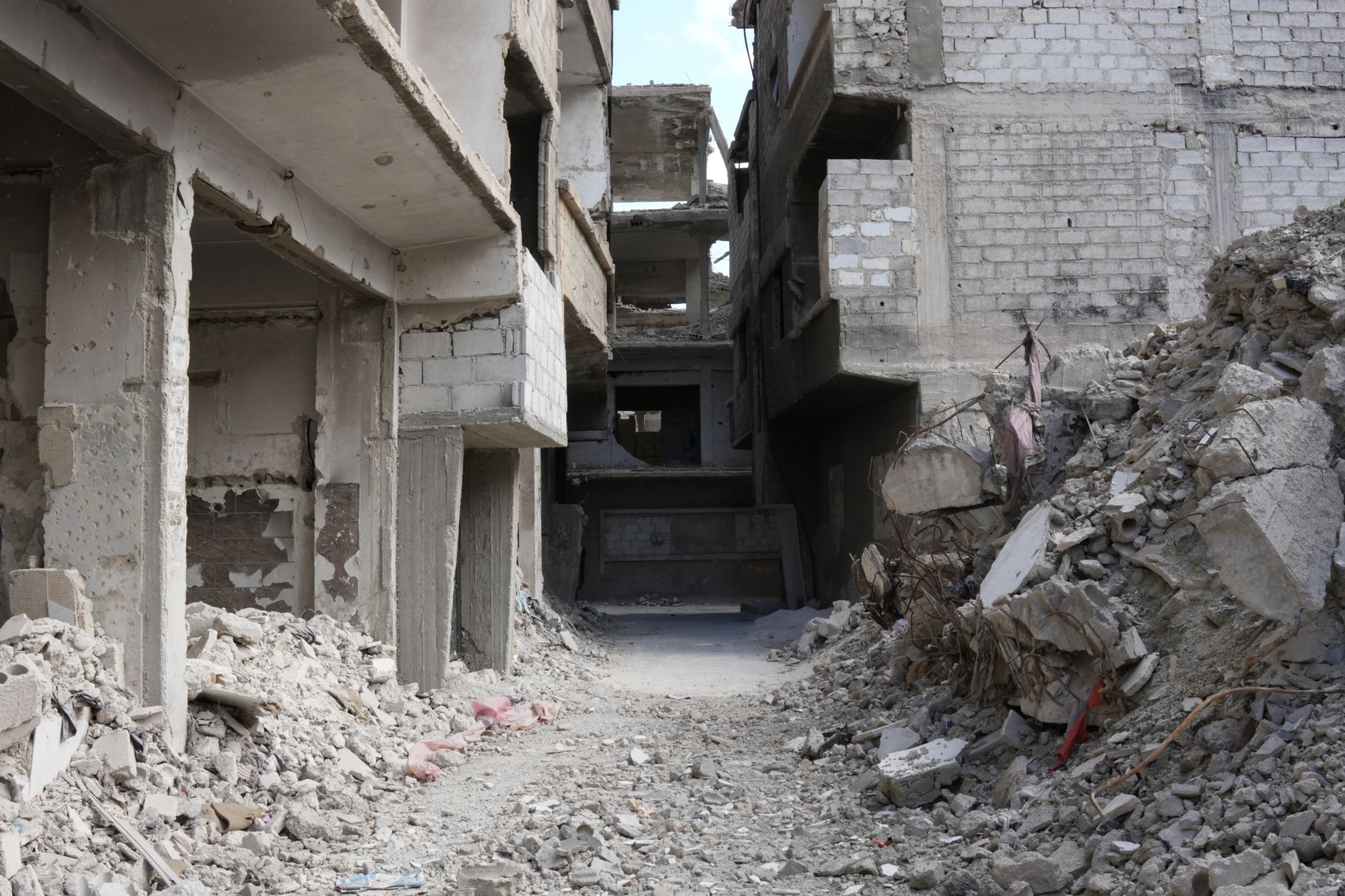
Beyond the geopolitical chess game and the intricate dance of global energy markets, the renewed instability in Yemen casts a long, devastating shadow over the lives of ordinary Yemenis. For years, they have endured one of the world's worst humanitarian crises, marked by widespread famine, collapsed infrastructure, and a healthcare system on the brink. The recent escalations, far from offering a glimmer of hope, only deepen their despair, making the prospect of peace and stability seem more distant than ever. Families are constantly bracing for the next strike, the next economic shock, or the next wave of displacement, their resilience tested to its absolute limits by a conflict that seems to have no end in sight.
The ripple effects of these tensions are not confined to Yemen's borders. Across the globe, consumers are already feeling the pinch of soaring energy prices, a direct consequence of geopolitical instability and supply chain disruptions. For many households, particularly those in developing nations, a further spike in oil and gas costs could mean choosing between heating their homes and putting food on the table. This economic burden translates into real human suffering, exacerbating poverty and widening inequalities. The abstract concept of 'global energy crisis' manifests as tangible hardship for millions, underscoring the interconnectedness of international conflicts and everyday struggles.
Moreover, the constant threat of disruption to vital shipping lanes, such as the Bab el-Mandeb strait, not only impacts energy flows but also the delivery of essential humanitarian aid. Yemen, heavily reliant on imports for food, medicine, and other necessities, faces an even more dire situation if maritime routes become too dangerous or expensive to navigate. Aid organizations are already struggling with funding shortfalls and access issues; increased regional instability would only compound these challenges, potentially cutting off lifelines for millions on the brink of starvation. The human cost of these geopolitical maneuvers is immeasurable, a stark reminder that conflict always impacts the most vulnerable first and most severely.
How We Got Here
The current volatile situation in Yemen is the culmination of a protracted civil war that began in late 2014, when Houthi rebels seized the capital, Sana'a, prompting a Saudi Arabia-led coalition to intervene in March 2015 to support the internationally recognized government. This conflict quickly devolved into a complex proxy war, drawing in regional powers and exacerbating existing sectarian and political divides. Despite numerous attempts at mediation and several ceasefires, a lasting peace has remained elusive, with both sides frequently accusing the other of violations and undermining diplomatic efforts. The conflict has been characterized by intense aerial bombardments, ground fighting, and a devastating blockade, creating a humanitarian catastrophe of unprecedented scale.
A critical turning point occurred with the UN-brokered truce in April 2022, which offered a fragile period of reduced hostilities and allowed for some humanitarian relief. This truce, initially hailed as a significant step towards peace, ultimately expired in October 2022 without a renewal, largely due to disagreements over salary payments for civil servants in Houthi-controlled areas and the opening of additional ports. The expiration of this agreement immediately reignited fears of a return to full-scale conflict, as both sides began to reposition forces and issue renewed threats, signaling a dangerous regression from the limited progress achieved.
The most recent escalation stems from Houthi threats targeting oil companies operating in Saudi Arabia and the UAE, coupled with warnings against any attempts to exploit Yemen's oil wealth. These threats are a direct response to perceived economic grievances and a strategic move to exert pressure on the Saudi-led coalition. The Houthis have demonstrated a capability to launch drone and missile attacks deep into Saudi and Emirati territory in the past, targeting critical infrastructure. This history of successful strikes, combined with their current rhetoric, has amplified concerns among global energy markets about the security of oil production and shipping in the region, directly connecting the localized conflict to broader international economic stability.
Why This Cannot Be Ignored
The escalating tensions in Yemen are far from a localized conflict; they represent a potent threat to the stability of global energy markets and the broader international economy. Yemen sits strategically on the Bab el-Mandeb strait, a narrow choke point connecting the Red Sea to the Gulf of Aden and the Indian Ocean. An estimated 10% of the world's seaborne oil and 8% of liquefied natural gas (LNG) passes through this vital waterway daily. Any significant disruption, whether through direct attacks on vessels or increased security risks leading to higher insurance premiums and rerouting, could send shockwaves through global supply chains, driving up energy costs for consumers and industries worldwide. This directly impacts inflation, economic growth, and the cost of living for billions.
Furthermore, the Houthi threats against oil infrastructure in Saudi Arabia and the UAE are not merely rhetorical. These nations are among the world's largest oil producers and exporters, playing a pivotal role in stabilizing global energy supplies. Successful attacks on their facilities, even if localized, could create widespread panic in commodity markets, leading to speculative price surges and exacerbating the existing energy crisis. With Europe already grappling with high gas prices and an uncertain winter energy outlook, any additional instability in the Middle East could push the global energy system to its breaking point, triggering recessions and widespread economic hardship.
Beyond immediate energy concerns, the renewed conflict risks unraveling years of delicate diplomatic efforts and regional de-escalation. The UN-brokered truce, though expired, represented a crucial opportunity for peace. Its collapse and the subsequent escalation undermine trust, empower hardliners, and make future diplomatic breakthroughs significantly more challenging. This instability could also embolden other non-state actors in the region, creating a dangerous precedent and potentially igniting broader regional conflicts that would have devastating consequences for international security and trade. The interconnectedness of global systems means that a crisis in one region can quickly become a crisis for all, demanding urgent and sustained international attention.
Possible Paths Forward
One primary path forward involves reinvigorating diplomatic efforts to secure a new, more robust ceasefire agreement in Yemen. This would require intense, multilateral engagement from the United Nations, regional powers like Saudi Arabia and Oman, and international stakeholders such as the United States and European Union. A critical element of any renewed truce must be addressing the core economic grievances that led to the collapse of the previous agreement, particularly the issue of salary payments for civil servants and the equitable distribution of oil revenues. Furthermore, establishing clear, verifiable mechanisms for monitoring adherence to the ceasefire and providing guarantees for all parties involved will be essential to building trust and preventing future escalations. This approach prioritizes de-escalation through negotiation over military confrontation.
Another crucial strategy is to enhance maritime security in the Red Sea and Gulf of Aden to protect critical shipping lanes. This could involve increased international naval presence, improved intelligence sharing among maritime forces, and the implementation of advanced surveillance technologies to deter and respond to potential threats. While a military solution is not the ultimate answer to the conflict itself, ensuring the unimpeded flow of global trade and energy supplies through these vital waterways is paramount to mitigating the immediate economic impact of the Yemeni crisis. Such measures would provide a degree of stability for global markets, even as political solutions are pursued on the ground, thereby reducing the immediate risk of further energy price shocks.
Finally, a long-term solution necessitates a comprehensive political settlement that addresses the root causes of the conflict, including power-sharing arrangements, regional autonomy, and economic reconstruction. This would involve an inclusive dialogue process that brings all Yemeni factions to the table, supported by robust international guarantees and reconstruction aid. While challenging, achieving a lasting peace in Yemen is the only sustainable way to remove the threat to global energy security and alleviate the immense humanitarian suffering. International actors must leverage all available diplomatic and economic tools to incentivize a genuine commitment to peace from all parties, recognizing that a stable Yemen is crucial for regional and global stability.

Questions People Are Actually Asking
What to Watch
- The effectiveness of any renewed UN-led diplomatic initiatives to broker a comprehensive ceasefire and address the underlying economic grievances that led to the collapse of the previous truce, particularly regarding salary payments and oil revenue sharing.
- The frequency and targeting of Houthi drone and missile attacks; any successful strikes against critical Saudi or Emirati oil infrastructure or international shipping in the Bab el-Mandeb strait would trigger immediate market reactions and potentially broader military responses.
- Responses from major global energy consumers, particularly Europe and the United States, regarding strategic petroleum reserves and potential diplomatic pressure on regional actors to de-escalate, which could influence market sentiment and supply stability.
- Statements and actions from OPEC+ (Organization of the Petroleum Exporting Countries and its allies), especially Saudi Arabia and the UAE, concerning their production levels and capacity to offset any potential supply disruptions from the region.
- Changes in maritime insurance premiums and shipping routes through the Red Sea and Gulf of Aden; a significant increase in costs or rerouting of vessels would be a clear indicator of heightened risk perception and direct impact on global trade.
- The humanitarian situation on the ground in Yemen, including any increases in displacement, food insecurity, or impediments to aid delivery, as these indicators often reflect the intensity and spread of the conflict, which can then spill over into geopolitical and energy concerns.
















Comments
No comments yet. Be the first to comment!