

The Story in Brief
- Iran recently asserted its capability to close the Strait of Hormuz, a critical maritime choke point for global oil trade, escalating regional tensions.
- This provocative claim followed a period of heightened geopolitical friction in the Gulf, raising concerns among international shipping and energy markets.
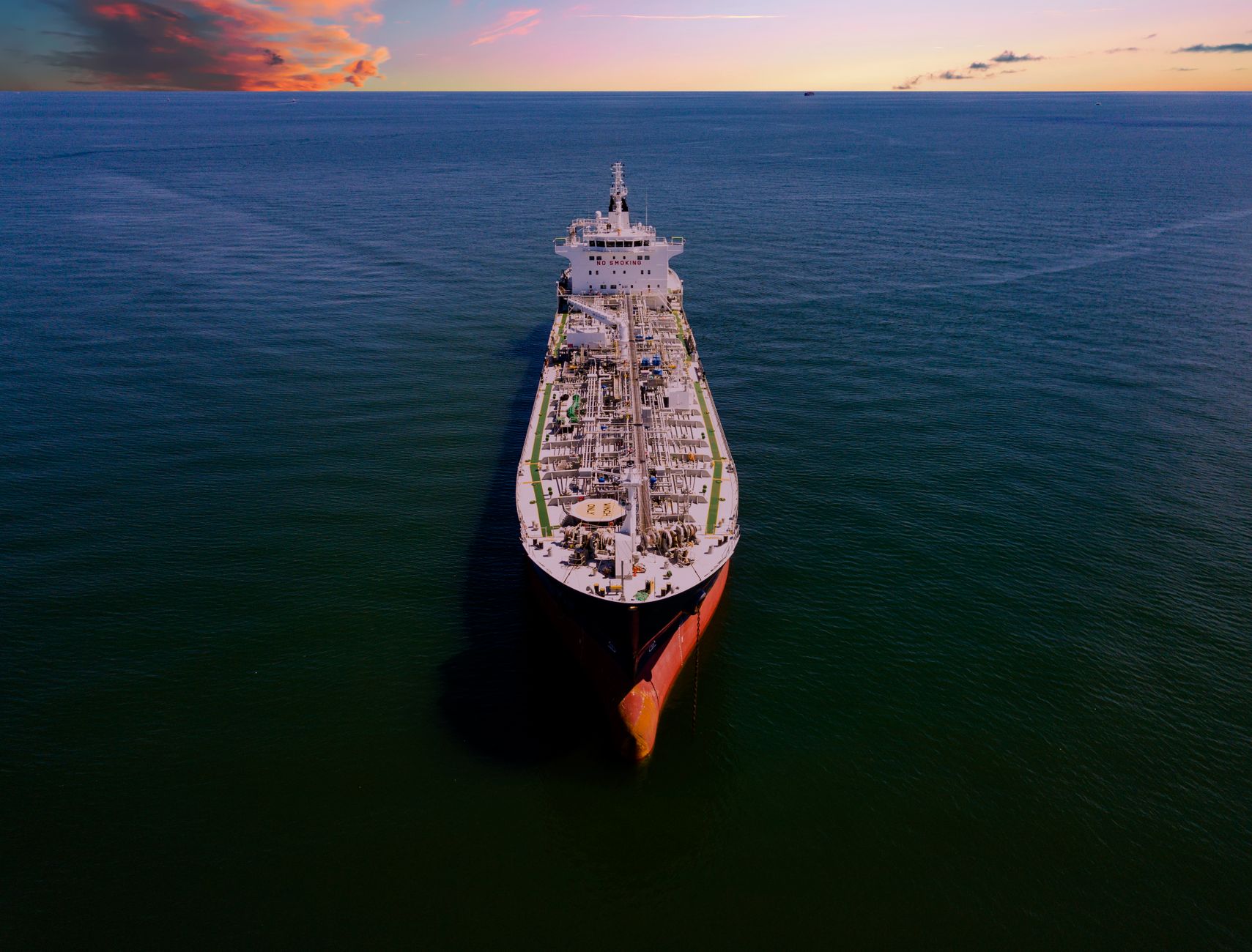
- Crucially, three Indian crude oil tankers, carrying a significant volume of vital energy resources, successfully navigated the contested Strait without incident.
- These vessels collectively transported an impressive 8.6 lakh tonnes of crude oil, a testament to the resilience of maritime trade routes despite threats.
- The safe passage of these Indian vessels directly challenges Iran's asserted ability to unilaterally control or disrupt traffic through the strategic waterway.
- Global energy markets and major importing nations are now closely monitoring the situation, assessing the implications for future oil supply and security in the region.
The Human Face
For the crew members aboard the tankers navigating the Strait of Hormuz, every transit is a high-stakes journey. The recent Iranian threats, even if rhetorical, add a layer of palpable tension. Imagine being on the bridge, scanning the horizon, knowing that a significant portion of the world's oil supply, and your own safety, depends on the delicate balance of international relations and naval presence. The successful passage of these Indian vessels wasn't just a logistical triumph; it was a testament to the resilience and professionalism of the sailors who ensure global trade continues amidst geopolitical volatility. Their daily routines, often monotonous, are punctuated by moments of acute awareness, particularly when passing through such a critical choke point.
Beyond the immediate crew, the implications ripple through the lives of millions. Any disruption in oil supply through Hormuz could trigger massive price hikes, affecting everything from daily commutes to the cost of food and manufactured goods. For families in India, reliant on stable energy prices, the safe arrival of these tankers translates directly into economic stability. The fear of a closed Strait isn't abstract; it's the fear of empty fuel tanks, stalled industries, and a sudden, painful squeeze on household budgets. This makes the uneventful passage of these vessels a quiet victory for consumers and economies far removed from the turbulent waters.
The psychological toll extends beyond those directly involved in shipping. Businesses and governments worldwide operate under a constant shadow of uncertainty whenever tensions flare in Hormuz. Supply chain managers meticulously plan contingencies, while policymakers grapple with the potential for economic shocks and diplomatic crises. This persistent background anxiety affects investment decisions, long-term planning, and ultimately, the stability of global commerce. The collective sigh of relief following the safe passage of these tankers, though temporary, underscores how deeply intertwined human prosperity is with the unimpeded flow of resources through such vital arteries, making the human face of this geopolitical chess match far-reaching and profound.
How We Got Here
The Strait of Hormuz has long been a flashpoint in international relations, primarily due to its strategic importance as the gateway for roughly one-fifth of the world's oil supply. Tensions have escalated periodically, often tied to geopolitical disputes involving Iran, Saudi Arabia, and Western powers. Iran, bordered by the Strait, has historically leveraged its geographical position, threatening to close the waterway in response to sanctions or perceived aggressions. This tactic serves as a powerful deterrent and a means of asserting its regional influence, reminding the global community of its critical role in energy security. The current episode is a continuation of this long-standing pattern, albeit with renewed intensity.
Recent events, including increased sanctions against Iran and military exercises by various regional and international navies, have amplified the rhetoric. Iran's Revolutionary Guard Corps (IRGC) frequently conducts drills in the Gulf, showcasing its naval capabilities, including fast attack craft and missile systems, which are explicitly designed to operate effectively in the narrow confines of the Strait. These demonstrations are often accompanied by official statements asserting Iran's sovereign right to control the waterway and its ability to disrupt shipping if its national interests are threatened. Such pronouncements are not new, but their frequency and intensity fluctuate with the broader geopolitical climate, creating a cycle of alarm and cautious navigation for commercial shipping.
The international community, particularly major oil-importing nations like India, has consistently advocated for freedom of navigation through the Strait. Naval forces from the United States, United Kingdom, and other allies maintain a presence in the region to deter aggression and ensure the safe passage of commercial vessels. India, as a significant energy consumer, relies heavily on crude oil imports transiting Hormuz, making the stability of this route a paramount national security and economic concern. The current situation is a direct outcome of these interwoven interests and the delicate balance of power in one of the world's most critical maritime arteries.
Why This Cannot Be Ignored
The Strait of Hormuz is not merely a shipping lane; it is the most critical choke point for global oil transit, handling approximately 21% of the world's petroleum liquids consumption. Any significant disruption, even a temporary one, could send shockwaves through international energy markets, leading to immediate and drastic spikes in oil prices. Such an event would cripple economies worldwide, trigger inflation, and potentially destabilize governments reliant on affordable energy. The economic fallout would extend far beyond the energy sector, impacting manufacturing, transportation, and consumer spending, effectively acting as a global economic recessionary trigger. This makes the stability of Hormuz a universal concern, transcending regional politics.
Beyond economics, the situation carries profound geopolitical implications. A closure or even a serious threat to shipping in the Strait could provoke a military response from international powers committed to upholding freedom of navigation. This risk of escalation transforms a regional dispute into a potential global conflict, drawing in major naval forces and creating an unpredictable and dangerous security environment. The presence of multiple naval powers in close proximity, coupled with Iran's stated capabilities, creates a volatile mix where miscalculation or accidental confrontation could have catastrophic consequences for peace and stability across the Middle East and beyond. The stakes are simply too high to ignore the rhetoric or the reality on the ground.
For nations like India, which imports over 80% of its crude oil, with a substantial portion passing through the Strait of Hormuz, the issue is one of national energy security and economic survival. The safe passage of its tankers, as recently demonstrated, offers a momentary sigh of relief but does not diminish the underlying vulnerability. Diversifying energy sources and routes is a long-term strategy, but in the immediate term, ensuring the unimpeded flow of oil through Hormuz remains a top priority. The ongoing tension underscores the urgent need for diplomatic solutions and robust international cooperation to safeguard this vital artery of global commerce against any potential threats.
Possible Paths Forward
One primary path forward involves intensified diplomatic engagement and de-escalation efforts. International bodies and key global powers must work collaboratively to establish clear communication channels with all regional stakeholders, particularly Iran. The goal should be to reduce inflammatory rhetoric, clarify intentions, and build confidence through dialogue rather than confrontation. This could involve multilateral talks focused on maritime security, freedom of navigation, and regional stability, perhaps under the auspices of the United Nations or a newly formed regional security forum. Such diplomatic initiatives aim to diffuse immediate tensions and prevent miscalculations that could lead to unintended conflict, fostering an environment where economic interests can thrive without constant threat.
Another critical strategy is the reinforcement of international naval presence and coordinated patrols. While diplomacy aims to prevent conflict, a robust and visible international naval deterrent ensures that any threats to shipping are met with a credible response. This doesn't necessarily mean increased aggression, but rather a clear signal that the international community is united in its commitment to freedom of navigation. Coordinated patrols by various navies, including those of major oil-importing nations and their allies, can provide a layer of security and reassurance to commercial shipping, demonstrating collective resolve to keep the Strait open. This proactive measure can help to mitigate risks and maintain the flow of vital resources.
Long-term solutions also involve exploring and developing alternative energy routes and sources to reduce over-reliance on the Strait of Hormuz. While a complete bypass is challenging due to infrastructure costs and geographical realities, investments in pipelines that circumvent the Strait, or increased reliance on non-Middle Eastern oil supplies, could incrementally reduce its strategic vulnerability. For instance, Saudi Arabia already has pipelines that can bypass the Strait to a certain extent. India and other nations could also accelerate their transition to renewable energy and enhance strategic petroleum reserves to cushion against supply shocks. These diversification efforts, though costly and time-consuming, offer a sustainable path to enhanced energy security and reduced geopolitical leverage for any single actor in the region.
Questions People Are Actually Asking
What to Watch
- **Iranian Rhetoric and Actions:** Monitor any further statements from Iranian officials regarding the Strait of Hormuz, and crucially, observe any naval activities or exercises that could indicate an escalation of intent or capability. Pay attention to the frequency and nature of their patrols.
- **International Naval Deployments:** Keep an eye on the presence and movements of international naval forces, particularly those from the United States, United Kingdom, and other allies, as their posture will signal the perceived level of threat and commitment to freedom of navigation. Any changes in deployment or exercises are significant.
- **Global Oil Market Reactions:** Observe crude oil prices and futures markets for signs of volatility. Any sudden spikes or sustained increases will reflect investor anxiety about supply disruptions, indicating heightened tension in the region. This is a real-time indicator of global concern.
- **Diplomatic Engagements:** Watch for any multilateral talks, bilateral discussions, or mediation efforts involving Iran and other regional or international powers. Progress in diplomacy could signal a de-escalation, while a breakdown could portend increased risk. Key diplomatic breakthroughs or failures are vital.
- **Shipping Industry Advisories:** Pay attention to alerts and guidance issued by maritime security organizations and insurance providers. Changes in threat levels or recommended routes for commercial vessels will directly reflect the perceived safety of transit through the Strait. These advisories are practical indicators.
- **India's Energy Security Strategy:** Observe any announcements or policy shifts from India regarding its energy import diversification, strategic petroleum reserves, or diplomatic initiatives aimed at securing its crude oil supply chains. India's actions reflect its long-term response to regional instability.












Comments
No comments yet. Be the first to comment!