


The Numbers
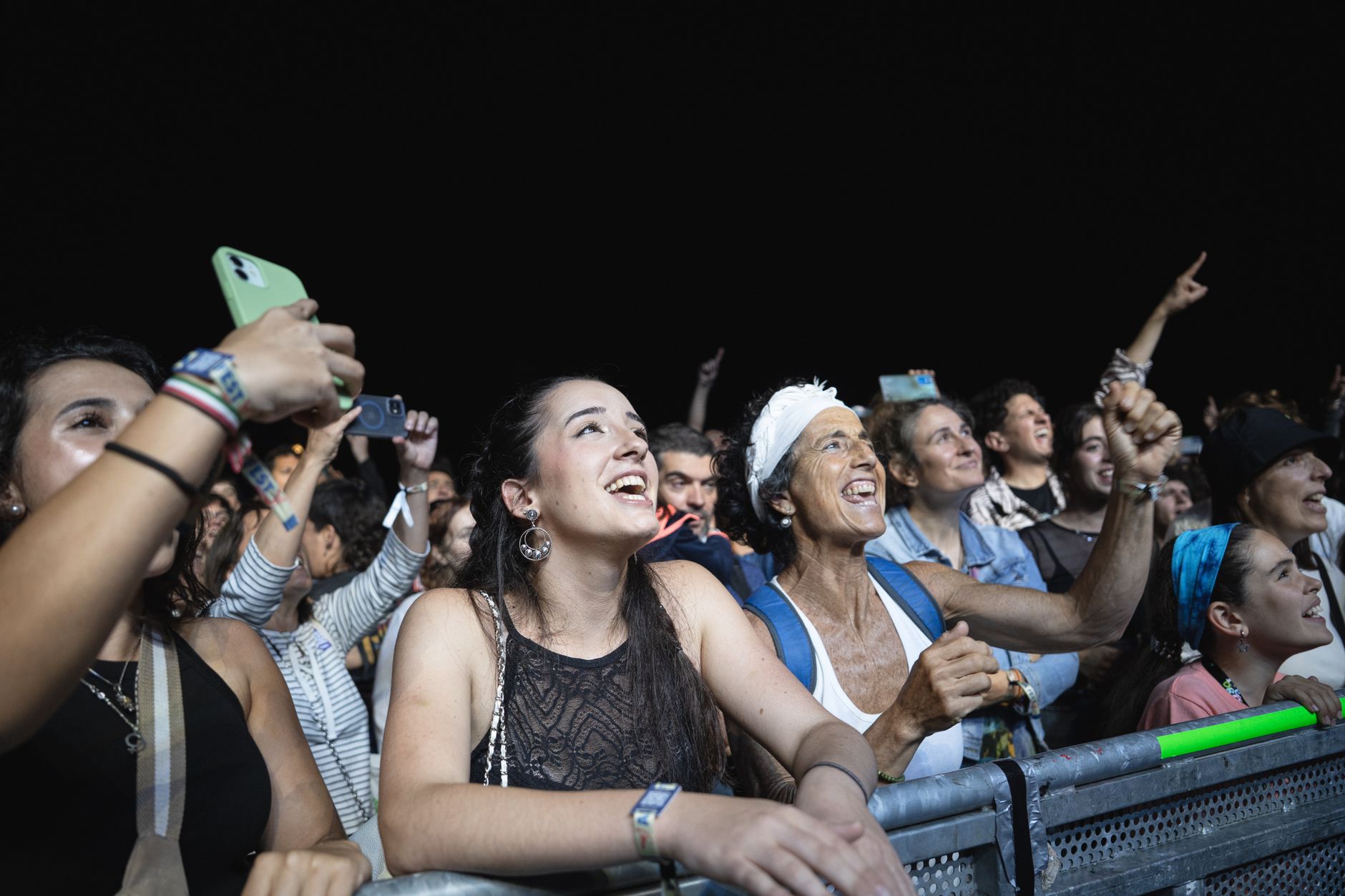
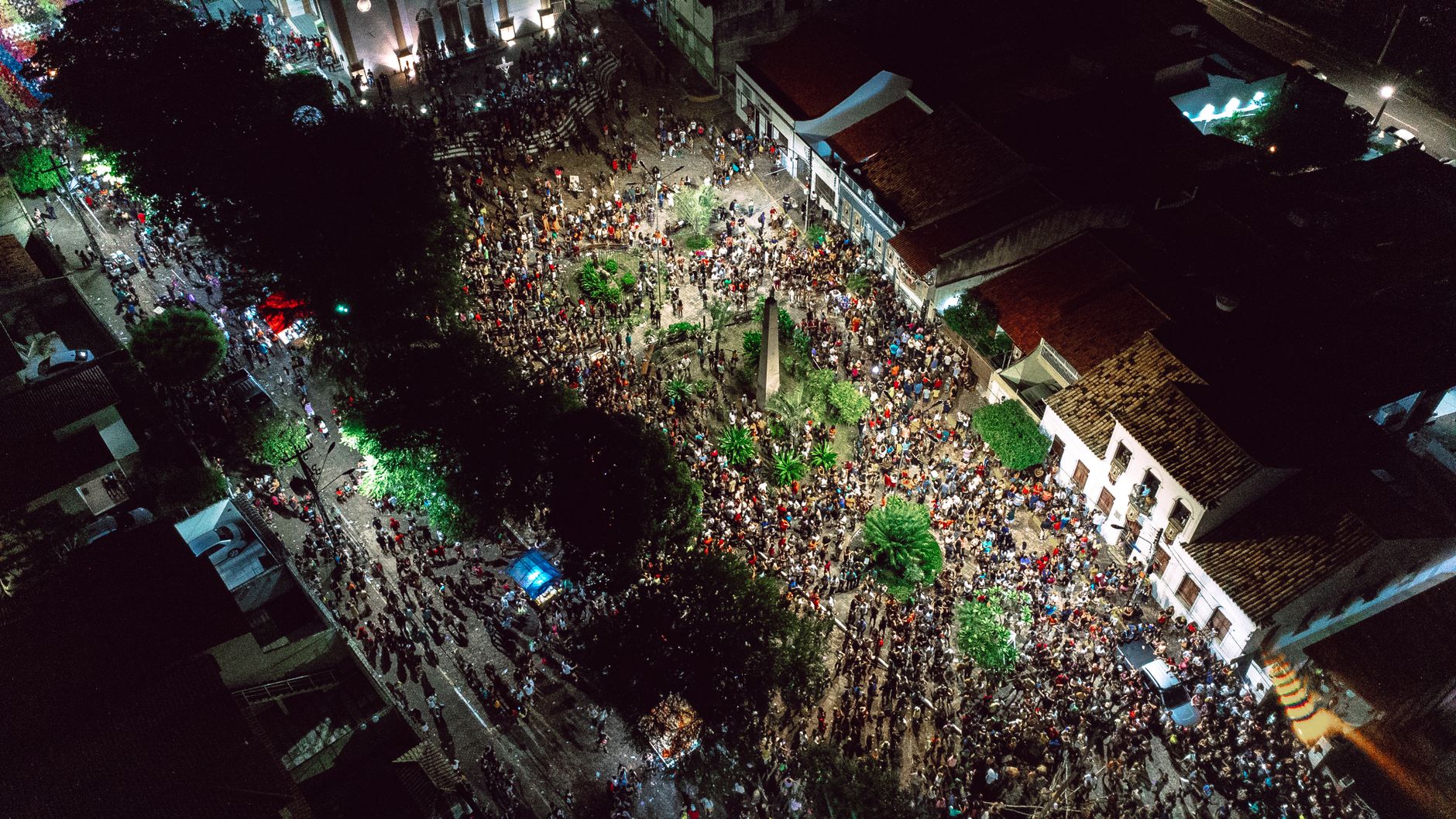
- Over 5,000 enthusiastic attendees packed the venue, creating an electric atmosphere that amplified the excitement of each contestant's presentation.
- More than 100 unique mullet styles were showcased, ranging from classic 80s-inspired looks to avant-garde interpretations, demonstrating incredible diversity.
- A record-breaking 75 contestants vied for the prestigious title, each bringing their A-game and years of dedication to perfecting their signature hairstyle.
- The judging panel comprised 5 renowned stylists and cultural icons, tasked with the difficult decision of selecting a winner based on criteria including style, creativity, and overall impact.
- The winning mullet featured an intricate blend of vibrant colors and gravity-defying volume, reportedly taking over 12 hours to style and maintain throughout the event.
- Social media engagement saw a surge of over 50,000 mentions and shares using the official championship hashtag, indicating widespread public interest and participation.
Context Check
The 2026 Denmark Mullet Championship in Copenhagen wasn't just a competition; it was a cultural phenomenon that captured the nation's attention. Against a backdrop of a city known for its minimalist design and progressive values, the resurgence and celebration of the mullet hairstyle felt both anachronistic and remarkably relevant. This event tapped into a growing global trend of embracing retro aesthetics and unconventional self-expression, proving that hair, much like fashion, is cyclical and deeply tied to identity. The sheer enthusiasm from the crowd suggested a collective desire to break free from conformity and celebrate individuality in a bold, often humorous, way. It highlighted how niche subcultures can gain mainstream traction when they align with broader cultural shifts towards authenticity and personal branding.
Examining the context further, the championship served as a powerful statement against the often-rigid beauty standards perpetuated by mainstream media. In an era dominated by sleek, uniform hairstyles, the mullet represents a deliberate rebellion—a celebration of boldness, a touch of rebellion, and a nod to a bygone era that many fondly remember or are discovering anew. The diverse range of interpretations presented by the contestants, from subtle nods to the style to elaborate, artistic creations, underscored the hairstyle's adaptability and enduring appeal. It’s a testament to how subcultures can evolve and find new relevance, resonating with younger generations who are seeking unique ways to express themselves beyond conventional norms. This event wasn't merely about hair; it was about reclaiming narratives and celebrating the unconventional.
Furthermore, the championship's success in Copenhagen speaks volumes about the city's evolving cultural landscape. While traditionally associated with Scandinavian design and hygge, Copenhagen is increasingly becoming a hub for diverse creative expressions. The mullet competition, with its inherent theatricality and celebratory spirit, injected a vibrant dose of counter-culture into the city's cultural calendar. It provided a platform for individuals to showcase their creativity and passion outside traditional artistic disciplines, fostering a sense of community among participants and attendees. The event demonstrated that cultural significance can be found in unexpected places, challenging perceptions and inviting broader engagement with styles that defy easy categorization.
Background
The journey to the 2026 Denmark Mullet Championship began years ago, rooted in a grassroots movement celebrating the iconic hairstyle. Initially dismissed by many as a relic of the past, the mullet began a slow but steady resurgence, fueled by nostalgia, internet culture, and a growing desire for distinctive personal style. Online forums and social media groups dedicated to mullet appreciation provided a fertile ground for enthusiasts to connect, share styling tips, and showcase their own creations. This organic growth gradually attracted media attention, transforming a niche interest into a burgeoning cultural phenomenon. The organizers of the championship saw an opportunity to harness this burgeoning energy, creating a formal event that would elevate the mullet from a quirky trend to a recognized form of artistic expression.
Early iterations of the championship were smaller, more intimate gatherings, often held in local pubs or community centers. These events, while less polished, were crucial in building a dedicated following and refining the competition's format. Contestants honed their skills, judges developed clearer criteria, and the audience grew more engaged with each passing year. The organizers focused on fostering a welcoming and inclusive environment, encouraging participants of all ages and backgrounds to embrace their unique interpretations of the mullet. This grassroots approach was instrumental in building the championship's reputation as an authentic celebration of style and individuality, laying the groundwork for the large-scale event witnessed this year in Copenhagen.
The decision to host the 2026 championship in Copenhagen was strategic, aiming to combine the event's growing popularity with the city's vibrant cultural scene. Copenhagen, known for its design innovation and progressive outlook, provided an unexpected yet fitting stage for a celebration of the unconventional mullet hairstyle. Organizers anticipated that the city's cosmopolitan atmosphere would attract a diverse range of participants and spectators, further broadening the appeal of the competition. This expansion marked a significant milestone, transitioning the championship from a localized event to a nationally recognized spectacle, attracting media coverage and solidifying the mullet's place in contemporary Danish culture.
Winners and Losers
Undoubtedly, the biggest winner of the 2026 Denmark Mullet Championship is the concept of bold self-expression itself. The crowned champion, whose name has become synonymous with follicular excellence overnight, stands as a beacon for individuality and creative daring. Their victory transcends mere personal triumph; it validates the passion and dedication poured into cultivating a unique aesthetic. Beyond the champion, numerous other contestants emerged as winners in spirit, showcasing remarkable artistry and courage. These individuals, whether placing high or not, contributed to the event's vibrant tapestry, inspiring others to embrace their own distinctive styles and challenging conventional notions of beauty. The sheer diversity of mullets presented ensured that many attendees found personal favorites, fostering a sense of shared appreciation.
The championship also declared a winner in the realm of cultural commentary. By elevating the mullet to an art form, the event subtly critiques the ephemeral nature of fleeting fashion trends and the pressure to conform. It champions a style that, while often mocked, possesses a rich history and undeniable character. This provides a platform for conversations about identity, nostalgia, and the reclaiming of styles once deemed unfashionable. The organizers and the enthusiastic crowd are winners for creating and participating in an event that fosters community and celebrates uniqueness, proving that style is subjective and personal. The media attention garnered also positions the championship itself as a winner, having successfully captured the public's imagination.
Identifying 'losers' in such a celebratory event is challenging, as the focus is overwhelmingly on participation and personal expression. However, one could argue that rigid adherence to conventional beauty standards emerged as a subtle loser. Those who arrived with preconceived notions of what constitutes 'good hair' might have found their perspectives challenged, perhaps even unsettled, by the sheer audacity and creativity on display. The event implicitly suggests that 'losing' might mean failing to embrace individuality or succumbing to external pressures to conform. Furthermore, any stylists or salons strictly adhering to mainstream trends might find themselves on the 'losing' side as the demand for more unconventional and expressive styles grows, signaling a potential shift in the beauty industry.
Analyst Perspectives
From a cultural analysis standpoint, the 2026 Denmark Mullet Championship signifies a broader societal embrace of retro aesthetics and the subversion of traditional hierarchies in style. This event isn't merely about a hairstyle; it's a manifestation of a generation actively engaging with and reinterpreting past trends. The mullet, once associated with specific subcultures and often derided, has been reclaimed and recontextualized as a symbol of playful rebellion and confident self-expression. Analysts note that this phenomenon aligns with a global trend where individuals are seeking authenticity and distinctiveness in their personal branding, moving away from homogenized mainstream looks. The championship's success in Copenhagen, a city often perceived as trend-conscious yet sophisticated, highlights the evolving definition of 'cool' and the increasing value placed on unique personal narratives.
Stylistically, the championship showcased an impressive evolution of the mullet. Beyond the classic 'business in the front, party in the back,' contestants demonstrated remarkable innovation in color, texture, and form. This suggests a sophisticated understanding of hair as a medium for artistic expression, moving beyond simple trend-following. Fashion commentators observe that this event could influence mainstream hair trends, encouraging more experimentation and a greater acceptance of bold, unconventional styles. The judges' criteria, likely encompassing technical skill, creativity, and overall presentation, point towards a professionalization of what was once a niche interest. This elevation could inspire a new wave of specialized stylists and barbers focusing on avant-garde and retro-inspired cuts.
Economically, the championship taps into the growing market for experiential events and niche cultural celebrations. The significant crowd turnout and social media buzz indicate a strong consumer interest in events that offer entertainment, community, and a chance to witness unique forms of talent. This model could be replicated or adapted for other subcultural celebrations, suggesting potential for growth in the 'niche event' tourism sector. Furthermore, the event serves as a powerful marketing tool for participating stylists and product brands, generating organic visibility and fostering brand loyalty among a dedicated demographic. The long-term impact might see increased demand for specific styling products and services associated with the mullet and similar retro hairstyles.
Key Questions Explained
The Outlook
The 2026 Denmark Mullet Championship has undeniably cemented the hairstyle's place in contemporary culture, moving it further from a mere nostalgic trend to a legitimate form of self-expression and artistic endeavor. The success of this event suggests a promising future for similar niche celebrations, indicating a public appetite for events that champion individuality and unconventional creativity. We can anticipate a continued, perhaps even amplified, interest in the mullet and related retro styles, potentially influencing mainstream fashion and beauty trends. The championship has set a high bar, and future iterations are likely to attract even more participants and a wider audience, further solidifying its cultural significance.
Looking ahead, the championship's impact may extend beyond hair styling. It serves as a model for how subcultural movements can gain mainstream recognition and validation. This could encourage other communities centered around unique aesthetics or interests to organize similar events, fostering greater diversity in cultural expression. The positive reception in Copenhagen also signals a potential shift in how cities embrace and integrate counter-cultural elements into their urban identity. This opens doors for more experimental and less traditional cultural programming, enriching the overall creative landscape.
The future for the mullet itself appears bright, albeit perhaps in evolving forms. The championship demonstrated that the style is a versatile canvas, adaptable to various interpretations—from subtle nods to elaborate artistic statements. This adaptability ensures its relevance beyond fleeting trends. As society continues to value authenticity and personal narrative, styles like the mullet, which carry historical weight and allow for significant personalization, are likely to endure. The 2026 championship has not just celebrated a hairstyle; it has championed a spirit of daring individuality that resonates deeply in today's world.







Comments
No comments yet. Be the first to comment!