
Key Takeaways
- A devastating cholera outbreak has claimed at least 74 lives across Nigeria's conflict-ravaged Borno State, highlighting the severe health vulnerabilities in the region and the urgent need for intervention.
- Health authorities are grappling with over 2,000 suspected cases, indicating a rapid and widespread transmission that threatens to overwhelm already strained medical facilities and humanitarian resources.
- The outbreak is concentrated in critical epicenters including Bama, Damboa, Gwoza, and the state capital Maiduguri, areas heavily impacted by ongoing insurgency and significant population displacement.
- Persistent conflict and massive population displacement are significantly exacerbating the crisis, creating unsanitary living conditions and severely hindering effective humanitarian response efforts in affected communities.
- Access to clean water, sanitation, and hygiene (WASH) services remains critically inadequate for millions of residents and IDPs, directly fueling the rapid spread of waterborne diseases like cholera across the state.
- Urgent humanitarian intervention, including the provision of medical supplies, deployment of trained personnel, and robust public health campaigns, is absolutely essential to contain the epidemic and prevent further tragic loss of life.
Background
Borno State, located in northeastern Nigeria, is currently in the throes of a severe cholera outbreak, a public health catastrophe unfolding against a backdrop of protracted conflict. For over a decade, this region has been the epicenter of an brutal insurgency, primarily driven by Boko Haram and its splinter factions, which has profoundly destabilized the entire socio-economic fabric of the state. This relentless violence has not only claimed countless lives but has also systematically dismantled essential infrastructure, including healthcare facilities and water supply systems, leaving millions vulnerable to preventable diseases. The current cholera crisis is a stark manifestation of these deep-seated vulnerabilities, further compounding the suffering of an already traumatized population.
The decade-long insurgency has triggered one of the world's most severe humanitarian crises, forcing millions of people to flee their homes and seek refuge in overcrowded internally displaced persons (IDP) camps or host communities. This mass displacement has created immense pressure on existing resources, leading to severe overcrowding and a dramatic deterioration in living conditions. Families often reside in makeshift shelters with limited access to basic amenities, making disease prevention an almost insurmountable challenge. The constant threat of violence also impedes humanitarian access, making it incredibly difficult for aid organizations to reach those most in need with life-saving interventions.
A critical factor fueling the rapid spread of cholera in Borno State is the pervasive lack of adequate sanitation and access to clean, safe drinking water. Years of conflict have destroyed water infrastructure, while many IDP camps and host communities lack proper waste management systems. Open defecation is common in many areas, and contaminated water sources are often the only option available for drinking, cooking, and hygiene. These conditions create an ideal environment for waterborne diseases like cholera to thrive and spread unchecked, transforming what might be isolated cases into widespread epidemics that overwhelm an already fragile public health system.
Why It Matters
The current cholera outbreak in Borno State represents a major public health emergency, posing an immediate and existential threat to thousands of lives, particularly among the most vulnerable populations. Internally displaced persons (IDPs), who often live in congested and unsanitary conditions, are disproportionately affected, facing a heightened risk of infection and mortality due to their weakened immune systems and limited access to healthcare. Children under five and the elderly are especially susceptible to the severe dehydration caused by cholera, making rapid diagnosis and treatment absolutely critical to prevent tragic and avoidable deaths within these fragile communities.
The humanitarian response in Borno State is already stretched precariously thin, battling multiple crises simultaneously, from food insecurity to ongoing conflict. This new, rapidly escalating cholera epidemic places an unbearable additional burden on aid organizations and local health authorities, diverting vital resources and personnel from other critical interventions. The potential for the outbreak to spread beyond current epicenters, overwhelming what little functional healthcare infrastructure remains, is a grave concern. Without a massive, coordinated influx of support, the capacity to effectively manage this crisis will be severely compromised, leading to a wider public health catastrophe.
Beyond the immediate loss of life, the cholera outbreak has profound long-term implications for the stability and recovery of Borno State. It exacerbates existing vulnerabilities, further eroding public trust in institutions and hindering efforts towards peacebuilding and reconstruction. A prolonged epidemic can lead to economic disruption, school closures, and a general breakdown of social order, trapping communities in a cycle of crisis. Addressing this outbreak is not merely a medical imperative; it is a fundamental step towards stabilizing the region, protecting human dignity, and laying the groundwork for sustainable development in a state that has endured far too much suffering.
Ground Reality
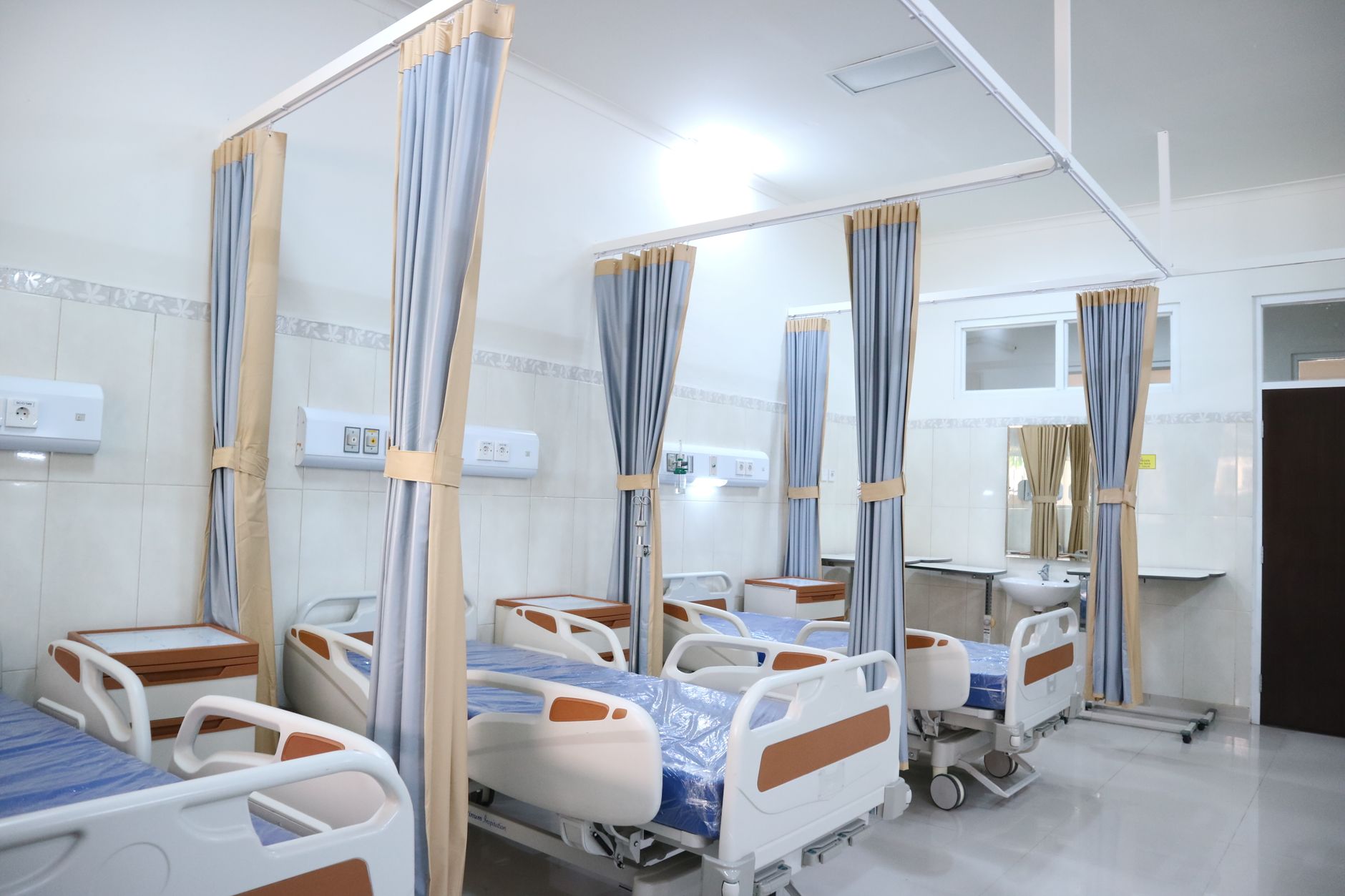
On the ground, the reality in Borno State is grim, with hospitals and health centers in affected areas already overwhelmed by the sheer volume of suspected cholera cases. Medical staff, often working with limited supplies and under immense pressure, are struggling to cope with the influx of patients requiring urgent rehydration and care. Compounding this challenge, many of the most affected communities are located in remote or insecure areas, making access for humanitarian teams extremely difficult and dangerous. This limited access means that many individuals suffering from cholera may not receive timely medical attention, significantly increasing their risk of severe illness or death.
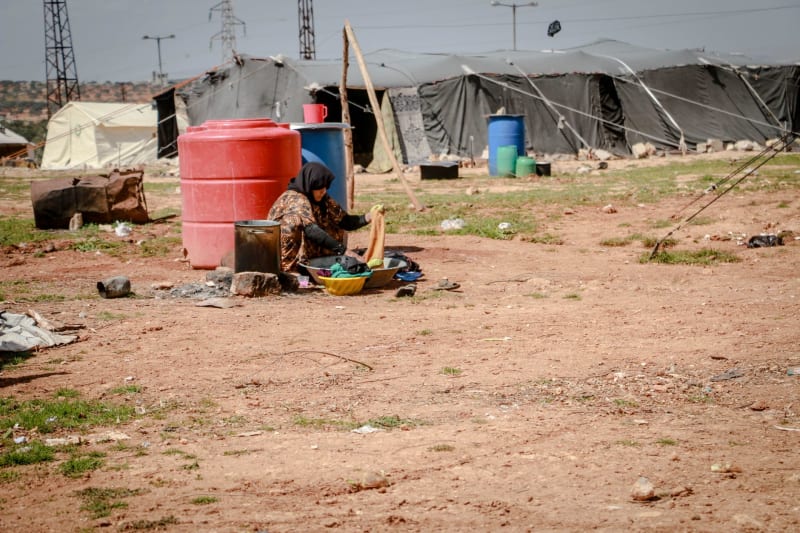
Internally Displaced Persons (IDP) camps represent particularly acute hotspots for the cholera outbreak, serving as fertile ground for rapid transmission. These camps are characterized by severe overcrowding, inadequate shelter, and extremely poor hygiene conditions, with limited access to latrines and safe water points. The close proximity of residents, coupled with insufficient sanitation infrastructure, allows the Vibrio cholerae bacterium to spread quickly through contaminated food and water. For families already traumatized by conflict and struggling with malnutrition, a cholera infection can quickly become fatal, underscoring the urgent need for targeted interventions within these vulnerable settlements.
Despite the immense challenges, community engagement remains a crucial, albeit difficult, component of the response strategy. Local leaders, volunteers, and health workers are striving to educate residents on cholera prevention, symptoms, and the importance of seeking early treatment. However, misinformation, cultural barriers, and the sheer scale of displacement often impede these efforts. Building trust and ensuring that accurate, life-saving information reaches every household is paramount for encouraging safe hygiene practices, promoting early detection, and ultimately breaking the chain of transmission within communities already grappling with the daily realities of conflict and extreme hardship.
What Experts Are Saying
Public health experts and humanitarian organizations are issuing urgent warnings about the potential for the current cholera outbreak to escalate into a wider, uncontrollable epidemic if immediate and robust measures are not swiftly implemented. They emphasize that the conditions in Borno State – a combination of ongoing conflict, massive displacement, and severely degraded infrastructure – create a perfect storm for rapid disease propagation. Without a decisive, coordinated intervention to improve water, sanitation, and hygiene (WASH) infrastructure and bolster healthcare capacity, the current localized outbreaks could merge into a regional crisis, overwhelming any remaining response capabilities and leading to catastrophic loss of life.
Experts consistently stress the critical importance of adopting a multi-sectoral approach to effectively combat the cholera epidemic. This strategy involves not only immediate health interventions, such as setting up cholera treatment centers, providing oral rehydration salts, and administering antibiotics, but also robust improvements in WASH services. This means ensuring access to safe drinking water, constructing and maintaining adequate latrines, and promoting rigorous hygiene practices, especially handwashing. A holistic response that integrates medical care with preventative infrastructure is deemed essential to both contain the current spread and build resilience against future outbreaks in the long term.
Beyond the immediate crisis, experts underscore the imperative for long-term solutions to address the fundamental vulnerabilities that repeatedly expose Borno State to such devastating outbreaks. This includes investing in durable water and sanitation infrastructure, strengthening the public health system, and fostering community-based surveillance mechanisms. Sustainable peace and security are also critical, as they enable reconstruction efforts and allow displaced populations to return home safely, reducing the strain on overcrowded camps. Without tackling these underlying issues, the region will remain trapped in a cycle of emergency responses, unable to achieve genuine recovery and stability.
Frequently Asked Questions
What Happens Next
In response to the escalating crisis, both the Nigerian government and a consortium of international humanitarian partners are actively scaling up their response efforts across Borno State. This immediate phase focuses on containing the outbreak's spread and mitigating its devastating impact. However, these efforts face significant logistical and security challenges, particularly in reaching remote and conflict-affected areas where the need is often greatest. The rapid deployment of resources, including emergency medical teams and essential supplies, is paramount, but the sheer scale of the crisis demands a sustained and adaptive approach to overcome the myriad obstacles inherent in a complex humanitarian emergency.
Specific interventions currently underway or planned include the establishment of additional cholera treatment centers (CTCs) and oral rehydration points (ORPs) to provide immediate care and reduce mortality rates. Humanitarian organizations are also distributing critical hygiene kits, containing soap, water purification tablets, and jerry cans, to promote safe practices and prevent further contamination. Crucially, extensive awareness campaigns are being launched across communities and IDP camps, educating residents on cholera symptoms, prevention methods, and the importance of seeking early treatment. These combined efforts aim to break the chain of transmission and empower communities to protect themselves.
The sustained success of these life-saving interventions hinges absolutely on continued and robust funding, alongside unwavering international support. The humanitarian crisis in Borno State is chronically underfunded, and the cholera outbreak adds another layer of financial strain to already stretched budgets. Without consistent financial commitment from global donors and partners, the capacity to maintain treatment centers, replenish supplies, and sustain public health campaigns will quickly diminish, risking a resurgence of the epidemic. International solidarity is not just desirable; it is an imperative to prevent further tragic loss of life and support Borno State's long, arduous journey towards recovery.

















Comments
No comments yet. Be the first to comment!