

Policy Snapshot
- Health authorities have intensified active case finding and contact tracing within and around affected displacement camps, deploying mobile diagnostic units to accelerate identification and isolation of suspected cases, crucial for containing rapid transmission in crowded settings.
- Emergency vaccination efforts are being scaled up, targeting high-risk populations including frontline health workers, contacts of confirmed cases, and individuals residing in proximity to outbreak epicenters, utilizing the highly effective rVSV-ZEBOV vaccine to build community immunity swiftly.
- Crucial outreach programs are underway to build trust and disseminate accurate information about Ebola prevention, symptoms, and the importance of early reporting, directly addressing misinformation and cultural barriers that often impede effective public health interventions.
- Significant resources are being channeled into improving Infection Prevention and Control (IPC) measures within healthcare facilities and temporary treatment centers, ensuring proper use of personal protective equipment, safe burial practices, and rigorous disinfection protocols to break chains of transmission.
- Global health organizations, including WHO, MSF, and UNICEF, are working in close collaboration with the DRC Ministry of Health, providing technical expertise, logistical support, and essential medical supplies to bolster the national response capacity and ensure a unified approach.
- Efforts are being made to negotiate safe passage for health workers and aid convoys into conflict-affected areas where camps are located, recognizing that insecurity remains a significant impediment to effective disease control and humanitarian assistance delivery.
The Policy History
The Democratic Republic of Congo has a long and tragic history with Ebola virus disease, experiencing more outbreaks than any other nation globally since the virus was first identified near the Ebola River in 1976. This recurring public health crisis is deeply intertwined with the country's complex socio-political landscape, often exacerbated by conflict, population displacement, and a fragile healthcare infrastructure. Each new outbreak presents unique challenges, testing the resilience of communities and the capacity of both national and international response mechanisms to contain a highly virulent pathogen in resource-limited settings.
The current outbreak marks another grim chapter in this history, emerging in regions already grappling with profound humanitarian crises. Years of armed conflict in eastern DRC have forced millions from their homes, leading to the proliferation of vast, overcrowded displacement camps where sanitation is poor and access to basic services is severely limited. These conditions create an ideal environment for rapid disease transmission, making containment exponentially more difficult than in stable, less densely populated areas, amplifying the threat to an already vulnerable populace.
Past outbreaks have demonstrated the critical importance of early detection, robust contact tracing, and community engagement. However, the unique challenge of the current situation lies in its expansion into internally displaced persons (IDP) camps, where transient populations, cultural mistrust, and ongoing insecurity complicate every aspect of the response. Understanding the historical context of these outbreaks and the specific vulnerabilities of the affected populations is paramount to developing effective, sustainable strategies that move beyond reactive measures to proactive prevention and preparedness.
Who Is Affected
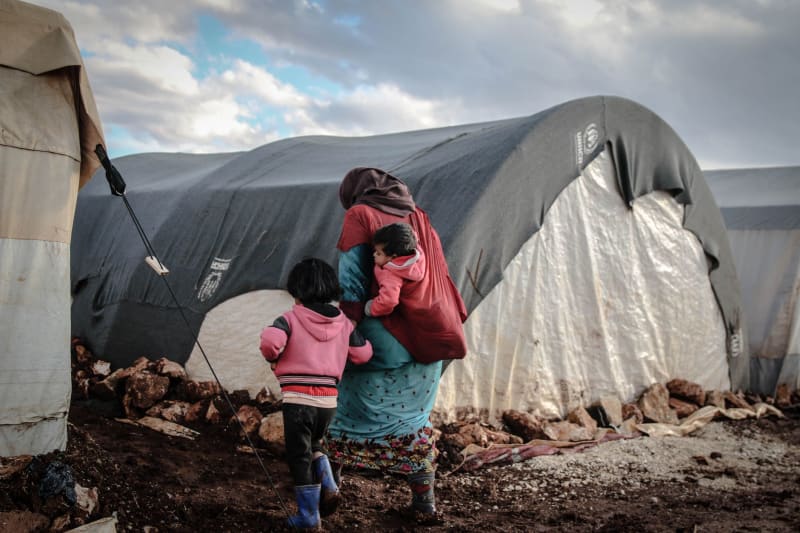
The primary victims of this escalating Ebola outbreak are the hundreds of thousands of internally displaced persons (IDPs) living in crowded, often unsanitary camps across eastern Democratic Republic of Congo. These individuals, already traumatized by conflict and forced migration, face an existential threat from the highly contagious virus. Their precarious living conditions, characterized by close quarters, inadequate access to clean water and sanitation, and limited healthcare, create a perfect storm for rapid viral spread, turning temporary shelters into potential epicenters of infection.
Beyond the immediate camp residents, frontline healthcare workers and humanitarian aid personnel are also at extremely high risk. These brave individuals, often operating with limited resources and under immense pressure, are directly exposed to the virus as they provide care, conduct surveillance, and manage safe burials. The psychological toll and physical danger they face are immense, and their protection is paramount not only for their safety but also for the continuity of the entire response effort, which relies heavily on their dedication and expertise in challenging environments.
Furthermore, the wider communities surrounding these displacement camps, including host families and local villagers, are also significantly affected. The constant movement of people between camps and surrounding areas, driven by necessity or search for resources, facilitates the potential for broader geographical spread of the virus. This interconnectedness means that an uncontrolled outbreak within a camp can quickly spill over, overwhelming local health systems and further destabilizing already fragile regions, creating a ripple effect of fear, economic disruption, and loss of life across the entire affected zone.
The Case For
Aggressive and immediate intervention in the DR Congo's Ebola outbreak is not merely a humanitarian imperative; it is a critical global health security measure. Allowing the virus to proliferate unchecked within densely populated displacement camps creates an unprecedented risk of widespread regional transmission, potentially crossing international borders and triggering a far larger, more complex epidemic. The sheer concentration of vulnerable individuals in these camps provides an ideal breeding ground for the virus, demanding a robust, coordinated response to protect not only the affected populations but also the stability of neighboring countries.
The economic and social repercussions of a prolonged or expanded outbreak would be catastrophic for the DRC and the wider Great Lakes region. Beyond the tragic loss of life, an uncontrolled epidemic would further cripple already fragile economies, disrupt essential services, and exacerbate existing humanitarian crises. It would undermine years of development efforts, erode public trust in governance and health systems, and potentially fuel further insecurity as communities struggle to cope with the dual threats of disease and conflict. Investing heavily now is a preventative measure against future, far greater costs.
Moreover, the scientific advancements in Ebola treatment and prevention, particularly the availability of effective vaccines and therapeutics, present a compelling argument for maximal intervention. Unlike previous outbreaks where medical tools were limited, we now possess the means to significantly reduce mortality and halt transmission. Failing to deploy these resources comprehensively and rapidly in the current context would be a profound moral and strategic failure, squandering an opportunity to demonstrate the power of global solidarity and scientific progress in confronting a deadly pathogen.
The Case Against
While the imperative for intervention is clear, the operational realities on the ground present formidable challenges that complicate even the most well-intentioned efforts. The persistent insecurity in eastern DRC, driven by numerous armed groups, creates an extremely volatile environment for health workers and aid convoys. Attacks on treatment centers, personnel, and infrastructure have been a recurring feature of past outbreaks, leading to significant delays, disruptions, and a chilling effect on response activities, making it incredibly difficult to reach affected populations consistently and safely.
Deep-seated community mistrust, often fueled by historical grievances, political manipulation, and misinformation, represents another critical barrier to effective intervention. Local populations, particularly in conflict-affected areas, may view external health interventions with suspicion, sometimes perceiving them as foreign intrusions rather than genuine assistance. This mistrust can lead to resistance against vaccination, refusal to cooperate with contact tracers, and the hiding of sick individuals, severely hampering efforts to break transmission chains and control the spread of the virus within and beyond displacement camps.
Furthermore, the sheer logistical complexity of operating in remote, underdeveloped regions with limited infrastructure poses significant hurdles. Transporting medical supplies, setting up treatment centers, ensuring adequate cold chain storage for vaccines, and deploying specialized personnel across vast, difficult terrains are monumental tasks. These challenges are compounded by a lack of reliable communication networks and a severe shortage of local healthcare professionals, stretching the capacity of both national and international partners to their absolute limits, even with substantial funding and commitment.
Policy Questions Answered
Implementation Watch
Monitoring the implementation of the Ebola response in the DRC's displacement camps is a complex and continuous undertaking, demanding real-time data analysis and adaptive strategies. Key indicators under scrutiny include the speed of case detection and isolation, the coverage rates of vaccination campaigns among target populations, and the effectiveness of community engagement initiatives in fostering trust and compliance. The ability to rapidly adjust tactics in response to evolving epidemiological patterns and security challenges is paramount, as static plans quickly become obsolete in such dynamic and unpredictable environments, requiring constant vigilance and flexibility from all stakeholders.
Despite significant international commitment and the deployment of advanced medical tools, the persistent challenges of insecurity and community resistance continue to pose substantial threats to the efficacy of the response. Attacks on health workers and facilities not only endanger lives but also severely disrupt vital public health activities, creating gaps in surveillance and treatment that allow the virus to regain ground. Without sustained efforts to address the root causes of conflict and build genuine trust with affected communities, even the most robust medical interventions risk being undermined, potentially leading to prolonged outbreaks and increased mortality.
The long-term success of controlling Ebola in the DRC hinges not just on immediate crisis response, but on strengthening the foundational health systems and addressing the underlying vulnerabilities that make these outbreaks so devastating. This includes investing in permanent healthcare infrastructure, improving sanitation and hygiene in displacement settings, and fostering sustainable peace and security. While the immediate focus remains on containment, an eye must be kept on building resilience for future health crises, ensuring that communities are better equipped to prevent, detect, and respond to such threats independently, moving towards a future where such outbreaks are less frequent and less catastrophic.
















Comments
No comments yet. Be the first to comment!