
The Story in Brief
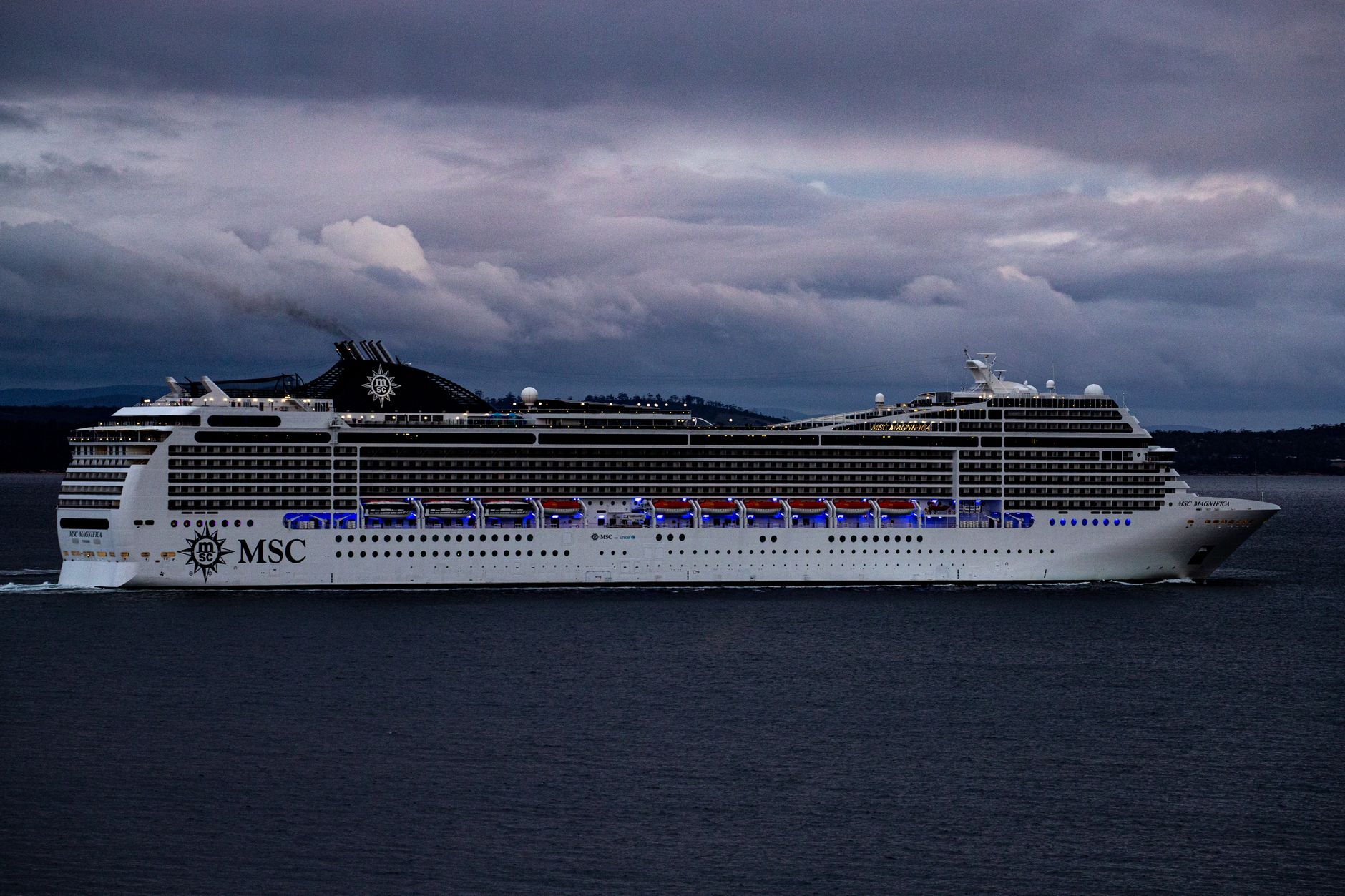
- A novel and highly aggressive pathogen, provisionally named the 'Andes Virus,' has erupted on the luxury cruise ship 'The Serene Voyager' during its expedition to the remote Antarctic region, catching health authorities off guard.
- Over 150 passengers and crew members have tested positive for the virus, exhibiting a range of severe respiratory symptoms, debilitating high fevers, and profound fatigue, overwhelming the ship's limited medical facilities.
- The vessel is currently under strict quarantine protocols off the coast of Ushuaia, Argentina, its fate hanging in the balance as it awaits critical medical support and clear directives from international health organizations.
- Global health bodies, including the WHO, are now closely monitoring the situation, expressing grave concerns over the virus's potential for rapid global dissemination if containment measures prove insufficient.
- Urgent questions are being raised about the Andes Virus's transmissibility, its incubation period, and the alarming absence of any known effective treatment or vaccine, complicating response efforts significantly.
- Emergency evacuation plans are being meticulously developed for the most critically ill, but the logistical complexities of operating in such a remote and challenging environment present formidable obstacles.
The Human Face
The human toll aboard 'The Serene Voyager' is profound, with passengers describing harrowing conditions of isolation and fear. Sarah Chen, a passenger from Toronto, recounted feeling 'completely isolated and terrified' within her cabin, witnessing the unsettling sight of fellow travelers succumbing to the mysterious illness. The pervasive uncertainty, she emphasized, is perhaps the most debilitating aspect – not knowing when they will be allowed to disembark, if their loved ones will remain safe, or what long-term health implications might arise from this unprecedented ordeal. This psychological burden weighs heavily on everyone trapped within the ship's confines, amplifying the physical suffering.
Crew members, often working without adequate personal protective equipment, are facing immense pressure and personal risk to care for the sick and maintain essential ship operations. Miguel Ramirez, a chef on board, shared his profound fears for his family back home, stating, 'We are doing our absolute best, but the fear is a constant companion. Medical supplies are dwindling rapidly, and the number of infected individuals continues to climb daily.' Their dedication, while commendable, highlights the severe resource limitations and the ethical dilemmas faced by those on the front lines of this contained but escalating crisis. Many are exhausted, both physically and emotionally, yet they continue their duties.
Families on shore are grappling with agonizing worry, desperate for updates and reassurance about their loved ones trapped on the quarantined vessel. Daily communications are often limited, leaving relatives to piece together information from sparse official statements and anxious calls from the ship. This emotional strain extends far beyond the immediate passengers and crew, creating a ripple effect of anxiety across continents. The isolation is not just physical for those on board, but also emotional for those waiting, underscoring the deep personal impact of this unfolding public health emergency on countless lives.
How We Got Here
The journey of 'The Serene Voyager' began two weeks prior, a luxurious Antarctic expedition departing from the picturesque port of Ushuaia. For the first few days, the cruise was idyllic, a pristine escape into the world's southernmost wilderness. However, subtle whispers of illness began to circulate three days into the voyage. Initially, these symptoms were largely dismissed by both passengers and some medical staff as common colds, seasonal flu, or even mild seasickness, typical ailments on any long journey. This initial underestimation of the emerging threat proved to be a critical misstep, allowing the novel pathogen to establish a foothold.
As the number of sick passengers escalated rapidly and symptoms grew increasingly severe, the ship's onboard medical team recognized the gravity of the situation. Unlike typical respiratory infections, this illness presented with an unusual combination of high fever, extreme fatigue, and acute respiratory distress. An emergency genetic sequencing analysis performed in the ship's advanced, though limited, laboratory facilities confirmed the presence of a novel viral pathogen, distinct from any known influenza strains or coronaviruses. This discovery immediately triggered alarm bells, signaling an unprecedented public health challenge unfolding at sea.
Upon this alarming confirmation, the ship's command immediately altered its course, abandoning the remainder of its Antarctic itinerary to race back towards Ushuaia. However, by this point, the highly transmissible infection had already spread significantly throughout the vessel. The close quarters, shared dining facilities, and communal entertainment areas inherent to cruise ship environments provided an ideal breeding ground for the virus. Despite the swift decision to return, the pathogen's rapid dissemination meant that by the time the ship reached Argentine waters, a full-blown outbreak was already in progress, necessitating immediate and stringent quarantine measures.
Why This Cannot Be Ignored
This unfolding crisis on 'The Serene Voyager' serves as a stark and urgent reminder of global travel's inherent vulnerability to rapid pathogen dissemination. In an interconnected world, a single luxury cruise ship, often seen as a floating city, can swiftly transform into an incubator for novel viruses, capable of transporting them across continents within days. The Andes Virus outbreak underscores how quickly a localized incident can escalate into a potential international health emergency, highlighting the critical need for robust, real-time surveillance and rapid response mechanisms that transcend national borders and traditional public health frameworks.
The Andes Virus's alarming combination of high transmissibility and severe clinical presentation poses a significant and immediate public health threat. If this novel pathogen breaches the current containment efforts and establishes community transmission, it could swiftly overwhelm healthcare systems globally, particularly those in less resourced regions. The lack of pre-existing immunity in the human population, coupled with the absence of a known vaccine or specific antiviral treatment, amplifies the potential for widespread morbidity and mortality, making this outbreak a critical test of global pandemic preparedness.
Beyond the immediate health implications, this incident raises profound questions about the cruise industry's preparedness protocols and the efficacy of international health regulations in managing outbreaks in remote or unique environments. It forces a re-evaluation of passenger screening, onboard medical capabilities, and emergency response coordination between private operators and public health authorities. The economic repercussions, potential legal challenges, and erosion of public trust in global travel also represent significant long-term concerns, demanding a comprehensive and transparent review of current practices to prevent future recurrences of such a devastating scenario.
Possible Paths Forward
The most immediate and critical path forward involves the swift and safe evacuation of all critically ill patients from 'The Serene Voyager' to specialized medical facilities on the mainland. This complex operation requires seamless coordination between Argentine authorities, international medical teams, and the cruise line itself, navigating the logistical challenges of a remote port and the need for stringent bio-containment protocols. Establishing dedicated medical transport, ensuring secure isolation wards, and providing advanced life support during transit are paramount to saving lives and preventing further spread within the evacuation chain, demanding precision and speed.
Concurrently, a comprehensive strategy must be implemented to establish a secure and humane isolation zone for all remaining passengers and crew members. This involves exhaustive, repeated testing to accurately identify all infected individuals, followed by rigorous contact tracing to map the virus's spread within the ship. Robust quarantine protocols, including segregated living areas and enhanced sanitation, are essential to break transmission chains. Furthermore, providing adequate psychological support and essential supplies to those in isolation is crucial, recognizing the immense mental and emotional toll of prolonged confinement under such stressful circumstances.
In parallel with containment efforts, an intensive global research initiative is imperative to rapidly understand the Andes Virus's fundamental properties. This includes pinpointing its exact origin, meticulously mapping its transmission routes, and identifying potential antiviral treatments or vaccine candidates. International scientific collaboration, sharing genomic data, clinical findings, and research resources without delay, will accelerate the development of countermeasures. This multi-faceted scientific endeavor is the only long-term solution to mitigate the current threat and prepare for any future emergence of this novel pathogen, transforming a crisis into a catalyst for scientific advancement.
Questions People Are Actually Asking
What to Watch
- The efficacy and speed of the ongoing quarantine measures, particularly how well they prevent any further transmission both on board and, critically, to the mainland population of Ushuaia.
- Any official updates from the World Health Organization (WHO) and local Argentine health authorities regarding the Andes Virus's specific characteristics, including its mutation rate, virulence, and precise containment strategies.
- Progress in the development of rapid and accurate diagnostic tests, alongside the identification and clinical trials of potential antiviral treatments or promising vaccine candidates, which are crucial for long-term management.
- The immediate and long-term impact on the global cruise industry, including potential changes to travel advisories, passenger screening protocols, and the economic fallout for companies operating in sensitive regions.
- Any confirmed instances of community transmission in Ushuaia or other port cities that 'The Serene Voyager' may have visited prior to the outbreak's full recognition, which would signal a critical escalation.
- The level of international cooperation and the allocation of critical resources to manage this emerging public health crisis, serving as a vital test of global pandemic preparedness and response capabilities.
- The psychological well-being and long-term health outcomes for the passengers and crew members who have endured prolonged isolation and exposure to this novel and terrifying pathogen.
















Comments
No comments yet. Be the first to comment!