

What We Know
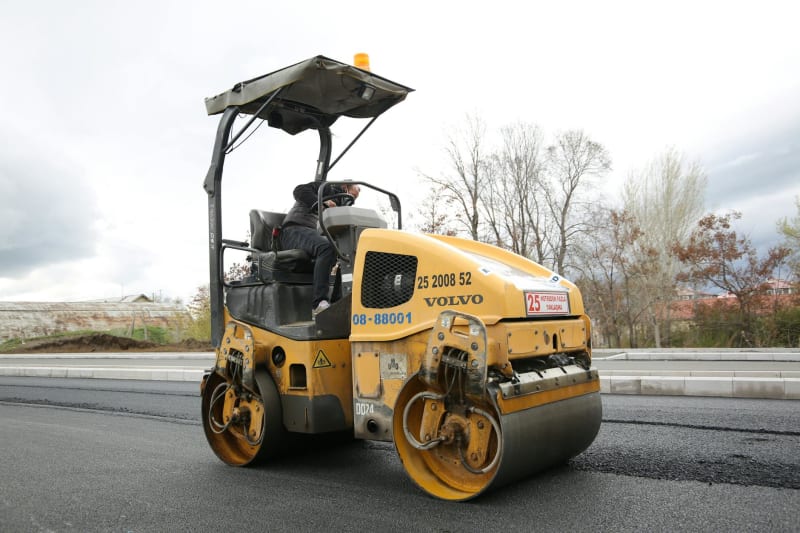
- The Virginia Department of Transportation (VDOT) has released its comprehensive schedule for upcoming road work and essential maintenance projects slated to commence across various regions of the Commonwealth.
- These projects include critical infrastructure repairs, resurfacing initiatives, bridge maintenance, and the implementation of new traffic management systems designed to enhance safety and efficiency on state roadways.
- Commuters and residents should anticipate significant traffic delays, detours, and potential temporary closures in affected areas, necessitating proactive travel planning and increased patience.
- VDOT emphasizes that this proactive maintenance is crucial for preserving the integrity of Virginia's transportation network, preventing more severe issues, and ensuring long-term road usability for all.
- Specific project details, including locations, expected durations, and anticipated impacts on traffic flow, are being disseminated through VDOT's official website and local news outlets.
- The department is urging the public to stay updated on real-time traffic conditions via VDOT's online resources and mobile applications to make informed decisions about their travel routes.
What We Do Not Know Yet
- The precise impact of weather patterns on the adherence to the VDOT maintenance schedule remains uncertain, as unforeseen meteorological events could necessitate project postponements or accelerations, leading to unpredictable delays.
- The exact level of resource allocation, including the number of crews and equipment deployed to each project site, has not been fully detailed, making it difficult to gauge the potential speed of completion or the intensity of disruption.
- The long-term economic consequences of these widespread road works, beyond immediate traffic inconveniences, such as impacts on local businesses reliant on consistent traffic flow or the overall cost-effectiveness of the chosen maintenance strategies, are yet to be thoroughly assessed.
- Specific contingency plans for managing exceptionally severe traffic incidents or emergencies that might arise during peak construction periods have not been publicly elaborated, raising questions about emergency service response times.
- The detailed breakdown of the budget allocated for each specific maintenance task and the criteria used for prioritizing these projects over other potential infrastructure needs are not readily available for public scrutiny.
- The effectiveness of the newly implemented traffic management systems in mitigating congestion during extensive construction phases requires further observation and data collection to ascertain their true benefit.
Background
Virginia's transportation infrastructure has long been a cornerstone of its economic vitality, facilitating the movement of goods and people across the Commonwealth. However, like many states, Virginia faces the perennial challenge of maintaining and upgrading its extensive network of roads, bridges, and highways. Decades of use, coupled with increasing traffic volumes and the natural effects of aging materials and environmental factors, necessitate a continuous cycle of repair and modernization. The Virginia Department of Transportation (VDOT) operates under a mandate to ensure the safety, efficiency, and reliability of this critical infrastructure. This involves not only responding to immediate needs but also implementing long-term strategic plans for upkeep and improvement. Funding for these endeavors typically stems from a combination of state and federal sources, often subject to legislative appropriations and economic fluctuations, making consistent, predictable investment a significant hurdle.
The current push for extensive road work and maintenance is a culmination of several factors. An aging road network requires constant attention to prevent deterioration that could lead to costly emergency repairs or safety hazards. Furthermore, VDOT is likely responding to increased demands from population growth and economic development, which place greater stress on existing roadways. Technological advancements in construction materials and traffic management also play a role, encouraging the adoption of updated methods and systems. The agency's commitment to proactive maintenance, rather than reactive repairs, is a strategic shift aimed at optimizing resource allocation and minimizing long-term costs. This approach acknowledges that regular upkeep is more cost-effective and less disruptive than allowing infrastructure to fall into disrepair, which invariably leads to more extensive and expensive interventions down the line.
Historically, Virginia has seen cycles of infrastructure investment and neglect, influenced by economic conditions and political priorities. Recent years have seen a renewed focus on infrastructure, driven by federal initiatives and a growing recognition of the economic impact of transportation. VDOT's planning processes involve extensive data analysis, traffic modeling, and public consultation to identify priorities and allocate resources effectively. The schedule being implemented now represents the latest iteration of these ongoing efforts, balancing the need for immediate repairs with strategic upgrades for future capacity and resilience. Understanding this historical context and the operational realities of a state transportation agency is key to appreciating the scope and implications of the announced maintenance program.
Why It Matters
The extensive road work and maintenance schedule announced by VDOT carries profound implications for the daily lives of Virginia's residents and the broader economic landscape of the Commonwealth. For commuters, the immediate impact will be increased travel times, potential detours, and the need for greater vigilance on the road. This disruption can affect work commutes, school runs, and access to essential services, demanding significant adjustments to daily routines. Businesses, particularly those reliant on timely logistics and transportation, may face increased operational costs due to delays and rerouting. The efficient movement of goods is a critical component of economic activity, and widespread road closures or slowdowns can ripple through supply chains, potentially affecting prices and availability of products.
Beyond the immediate inconveniences, this maintenance effort is fundamentally about safeguarding public safety and ensuring the long-term viability of Virginia's transportation network. Neglected roads and bridges can pose serious safety risks, leading to accidents and potential structural failures. Proactive maintenance, while disruptive in the short term, is a necessary investment to prevent such catastrophic outcomes and to ensure that the infrastructure can safely handle current and future traffic demands. It also plays a crucial role in economic development; a well-maintained transportation system attracts businesses, supports tourism, and enhances the overall quality of life, making the Commonwealth a more competitive and desirable place to live and work.
The scale of the planned work also highlights the ongoing challenge of balancing infrastructure needs with available resources. The decisions made regarding project prioritization, funding allocation, and scheduling reflect complex trade-offs. Understanding the 'why' behind these projects—whether they address critical safety concerns, accommodate population growth, or improve efficiency—provides context for the disruptions experienced. For citizens, it underscores the importance of advocating for sustained investment in public infrastructure and staying informed about how their tax dollars are being utilized to maintain and improve the roads they rely on daily.
Timeline of Events
- The Virginia Department of Transportation (VDOT) has officially released its comprehensive schedule detailing upcoming road work and essential maintenance projects across the state, marking the commencement of a significant infrastructure upkeep period.
- Specific project timelines, including start dates, estimated completion windows, and phases of work, are being published for each major undertaking, allowing the public to anticipate disruptions in their local areas.
- VDOT anticipates that major resurfacing and bridge repair projects will be concentrated during the warmer months to maximize efficiency and minimize impact from inclement weather, though some work may extend into fall.
- Temporary lane closures and detours are expected to be implemented during peak construction hours, typically during weekdays, with efforts made to minimize disruption during weekend and holiday travel periods where feasible.
- Real-time updates on project progress, traffic impacts, and any schedule adjustments due to unforeseen circumstances will be continuously provided through VDOT's official communication channels.
- The department aims to complete the bulk of its scheduled maintenance within the current fiscal year, with follow-up inspections and minor touch-ups potentially extending into the subsequent year for certain complex projects.
Rapid-Fire Q&A
What Is Coming
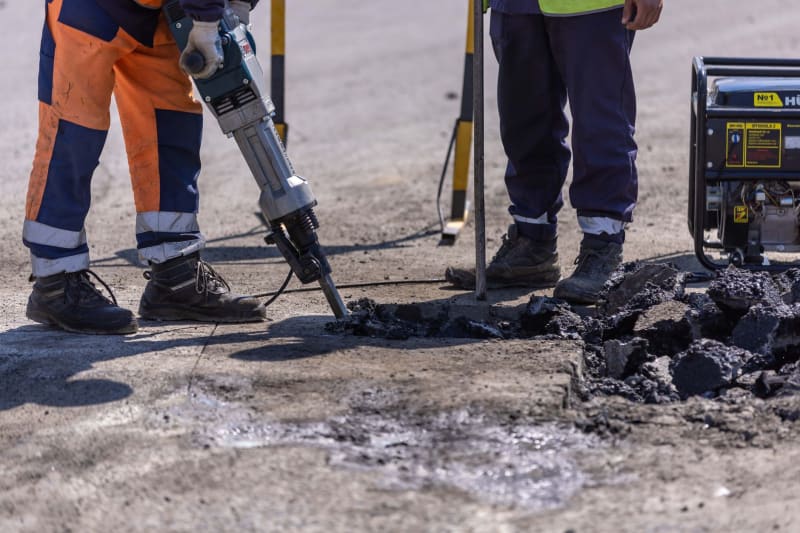
- Residents and travelers across Virginia should prepare for a sustained period of significant road work, including major resurfacing projects, bridge repairs, and infrastructure upgrades that will impact numerous state routes and highways.
- Expect widespread traffic delays, detours, and potential temporary closures, particularly on major arteries and in urban centers, requiring commuters to adjust their travel times and routes accordingly.
- VDOT will be deploying advanced traffic management systems and technologies in some areas to help mitigate congestion, but the effectiveness of these measures will be tested by the scale of the ongoing work.
- The maintenance schedule prioritizes critical infrastructure that requires immediate attention to ensure public safety and prevent long-term deterioration, alongside routine upkeep aimed at extending the lifespan of existing roadways.
- Commuters are strongly advised to utilize real-time traffic information services provided by VDOT and local authorities to navigate affected areas and make informed decisions about their daily travel.
- This period of intensive work represents a necessary investment in Virginia's future, aiming to create a more robust, safer, and efficient transportation network capable of supporting the Commonwealth's continued growth and economic prosperity.












Comments
No comments yet. Be the first to comment!