

What We Know
What We Do Not Know Yet
- The precise timeline for the potential demolition remains unclear, with decisions pending further council consultations and the outcome of community engagement processes.
- The exact cost associated with either the slide's demolition and replacement or its comprehensive restoration and ongoing maintenance is yet to be definitively calculated and publicly disclosed.
- The extent of the structural integrity issues and the specific safety risks posed by the current condition of the dinosaur slide have not been fully detailed in publicly accessible reports.
- Alternative locations or adaptive reuse proposals for the slide, beyond its current site, have not been thoroughly explored or formally presented to the council for consideration.
- The long-term financial commitment required from the council or community groups to ensure the slide's continued preservation and upkeep, should it be saved, is an unknown factor.
- The specific criteria and decision-making process the Dunedin City Council will employ to ultimately determine the slide's fate have not been explicitly outlined to the public.
Background
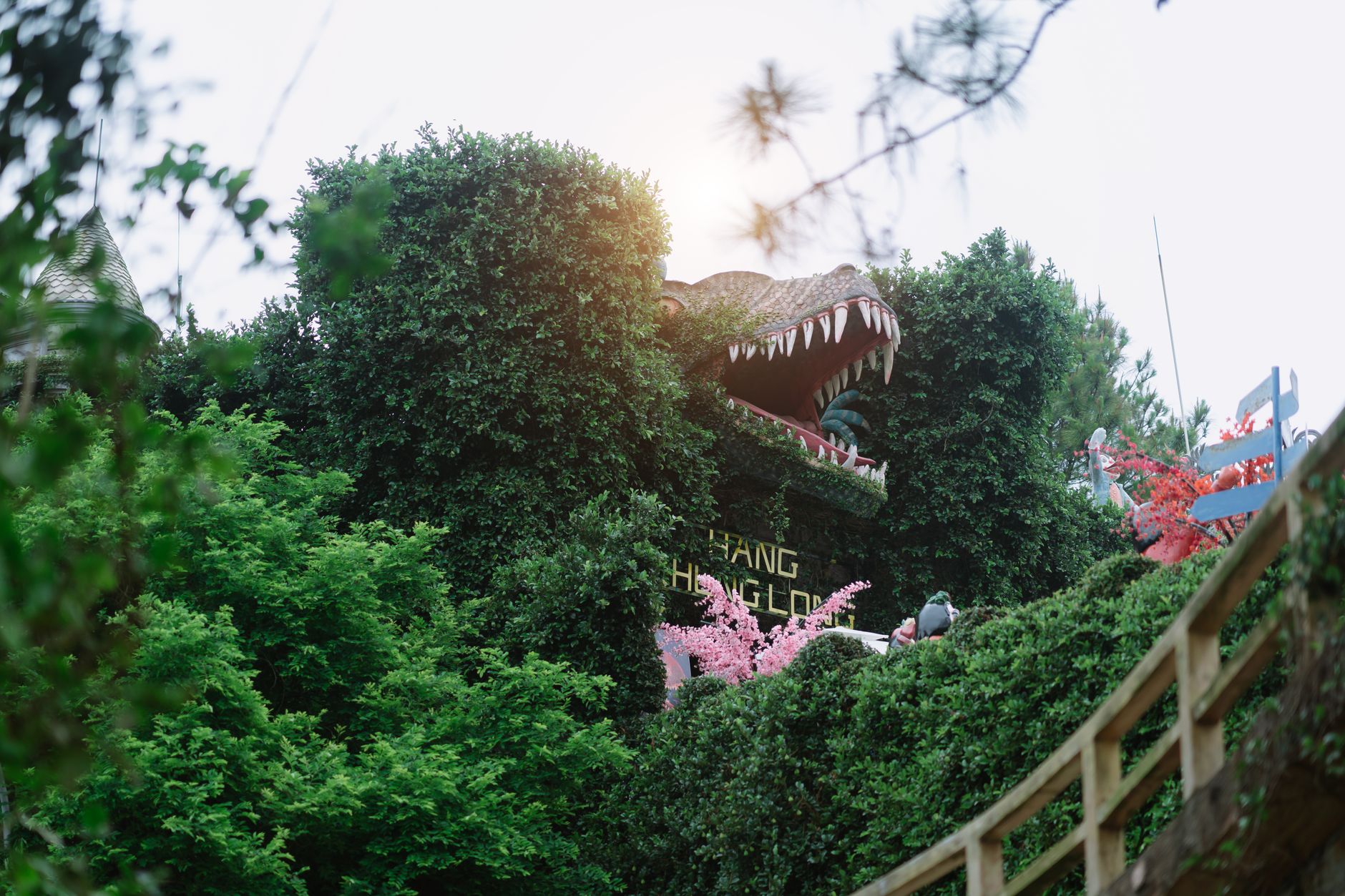
Erected in the late 1980s, Dunedin's distinctive dinosaur slide quickly became more than just a playground feature; it transformed into a beloved local icon, deeply embedded in the memories of generations of families. Its unique, whimsical design captured the imagination of children and adults alike, offering a playful escape and a recognizable landmark within the city's recreational landscape. For years, it served as a central gathering point, fostering a sense of community and shared experience for residents and visitors. The slide's presence contributed significantly to the character of the park it occupied, making it a distinctive destination that stood out from more conventional play areas. Its enduring popularity is a testament to its successful integration into the local culture, representing a tangible link to the past and a source of collective nostalgia.
However, as with many structures that have weathered the elements and the passage of time, the dinosaur slide has begun to show signs of age. Concerns regarding its structural integrity and compliance with contemporary safety standards have been raised by city officials and park maintenance departments. These concerns are not uncommon for older recreational facilities, which often require significant investment to meet modern regulations designed to protect users. The initial reports highlighting these issues have sparked a debate about the balance between preserving cherished local heritage and ensuring public safety, a dilemma faced by many municipalities grappling with aging infrastructure. The potential cost of necessary repairs and upgrades has become a focal point in discussions about the slide's future.
The current proposal for redevelopment in the area, which includes plans for a new community hub, has brought the slide's future to a critical juncture. While the new facility promises enhanced amenities and services, its implementation necessitates the removal of existing structures, including the dinosaur slide. This has ignited a passionate response from community members who view the slide not merely as an outdated piece of equipment but as a vital piece of Dunedin's identity. The 'Save Our Slide' campaign has mobilized quickly, emphasizing the slide's historical and emotional significance, and advocating for creative solutions that could see it preserved, perhaps relocated or repurposed, rather than demolished entirely. This grassroots movement highlights the deep emotional connection many residents feel towards this unique landmark.
Why It Matters
The potential loss of Dunedin's dinosaur slide represents more than just the removal of a playground structure; it signifies the erosion of a tangible link to the community's shared past and cultural identity. For decades, this unique landmark has been a backdrop for countless childhood memories, family outings, and community gatherings, weaving itself into the very fabric of local life. Its distinctive design has made it an instantly recognizable symbol of Dunedin, contributing to the town's unique character and appeal. Preserving such landmarks is crucial for maintaining a sense of place and continuity, offering future generations a connection to the heritage that shaped their community. The fight to save the slide is, in essence, a fight to protect a piece of collective memory and local distinctiveness.
Furthermore, the debate surrounding the dinosaur slide highlights a broader societal question about how we value and preserve our built heritage, especially elements that may not fit traditional heritage criteria but hold significant cultural or emotional resonance. Unlike grand historical buildings, the slide represents a more informal, yet equally potent, form of heritage – the heritage of everyday life, play, and community experience. Its potential demolition serves as a stark reminder that heritage preservation efforts must often extend beyond the conventionally recognized, embracing structures that, while perhaps less monumental, are deeply cherished by the populace. This case compels a re-evaluation of what constitutes valuable heritage in the modern era.
The active community mobilization around the 'Save Our Slide' campaign demonstrates the power of grassroots activism in influencing local development decisions and advocating for the preservation of cherished community assets. This engagement is vital for ensuring that development projects genuinely reflect the values and desires of the residents they are intended to serve. Allowing the slide to be demolished without a robust community-driven effort to find alternatives could set a precedent for future decisions, potentially marginalizing the importance of local sentiment in urban planning. The outcome of this particular struggle will undoubtedly influence how similar heritage-related challenges are approached in Dunedin and potentially other communities facing similar dilemmas.
Timeline of Events
- Late 1980s: The iconic dinosaur-shaped slide is constructed and opened to the public, quickly becoming a popular local attraction and community gathering spot.
- Early 2010s: Initial concerns regarding the slide's structural integrity and maintenance costs begin to be informally noted by park authorities.
- 2022: Formal assessments highlight significant structural issues and non-compliance with current safety regulations, prompting council discussions about its future.
- Early 2023: Redevelopment plans for the park area are announced, including the proposal for a new community facility that would necessitate the slide's removal.
- March 2023: The 'Save Our Slide' community group is formed, launching a petition and social media campaign to rally support for preserving the landmark.
- April 2023: The Dunedin City Council holds its first public consultation meeting regarding the park redevelopment, with the dinosaur slide's fate being a major topic of discussion.
- May 2023: Council members visit the site to assess the slide's condition and hear directly from concerned residents and the 'Save Our Slide' representatives.
- June 2023: A preliminary report on potential repair costs versus demolition and new facility construction costs is presented to the council for review.

Rapid-Fire Q&A
What Is Coming
- The Dunedin City Council is expected to conduct further detailed structural engineering assessments and cost analyses for both repair and demolition scenarios in the coming weeks.
- Additional public forums and feedback sessions are likely to be scheduled, providing residents with further opportunities to voice their opinions and concerns directly to council members.
- The 'Save Our Slide' group plans to present a formal proposal outlining potential funding sources and a phased restoration plan to the council for consideration.
- Discussions will continue regarding the specific design and features of the proposed new community facility, ensuring it aligns with the broader needs of the Dunedin population.
- A decision timeline will be established and communicated to the public once all relevant information and community input have been thoroughly reviewed by the council.
- Potential heritage assessments may be commissioned to formally evaluate the slide's historical significance and its eligibility for protection under heritage regulations.












Comments
No comments yet. Be the first to comment!