
The Numbers
Context Check
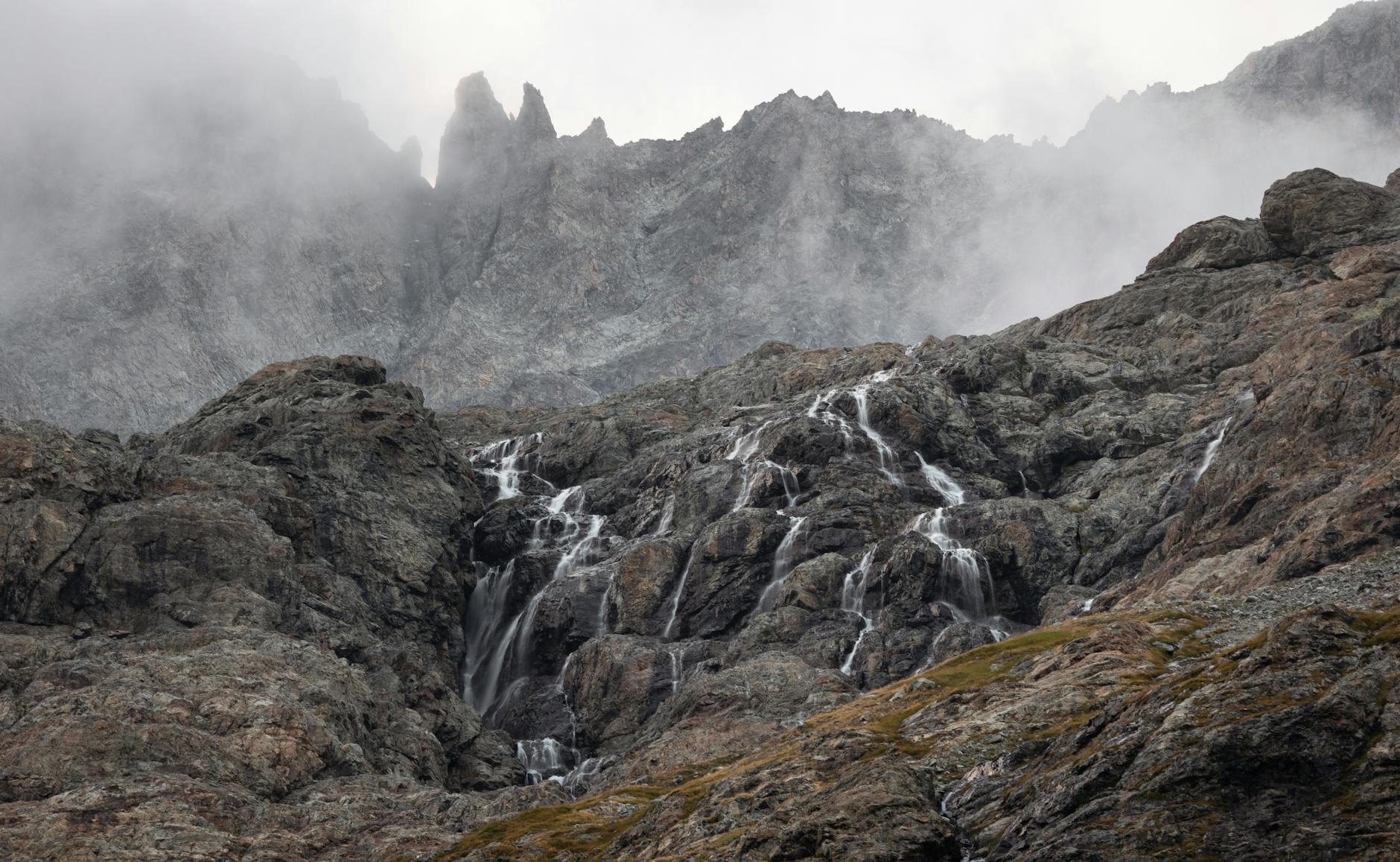
Whistler Peak, a prominent landmark renowned for its breathtaking vistas and challenging hiking trails, is currently the subject of intense geological scrutiny due to a series of alarming rockfall events. These incidents, which have become more frequent and severe in recent weeks, are prompting urgent investigations into the mountain's stability. The peak, a popular destination for both local residents and tourists, presents a complex geological structure that is now showing signs of significant stress. Understanding the underlying causes of this instability is paramount, as the potential consequences of a major rockslide could be catastrophic for the surrounding ecosystem and any human activity in the vicinity. The current situation demands a thorough evaluation of geological data, historical patterns, and environmental influences to accurately predict future events and implement effective mitigation strategies.
The recent surge in rockfall activity is not an isolated phenomenon but appears to be part of a larger pattern of geological change affecting mountainous regions globally. Factors such as freeze-thaw cycles, seismic activity, and changes in precipitation patterns can all contribute to the weakening of rock structures over time. Whistler Peak's specific geological makeup, including its rock type and fault lines, plays a crucial role in its susceptibility to these forces. Experts are meticulously examining satellite imagery, ground-based sensor data, and historical weather records to pinpoint the exact triggers and contributing factors behind the escalating rockfalls. This detailed analysis is essential for differentiating between natural, cyclical erosion and a more immediate, heightened risk of a significant slope failure, which would necessitate immediate and drastic action.
The implications of continued rockfall extend beyond immediate safety concerns, potentially impacting local tourism, infrastructure, and ecological balance. The natural beauty that draws visitors to Whistler Peak could be irrevocably altered, leading to economic repercussions for the region. Furthermore, the debris from rockfalls can alter watercourses, disrupt wildlife habitats, and pose long-term risks to any structures or transportation routes located downstream. Therefore, the current assessment is not merely a scientific exercise but a critical step in safeguarding the environmental integrity and economic viability of the area. A comprehensive understanding of the mountain's behavior is vital for informed decision-making regarding land use, conservation efforts, and public safety advisories.
Background
Whistler Peak has long been a majestic natural feature, attracting adventurers and nature enthusiasts for decades. Its rugged terrain and dramatic elevation changes have historically presented challenges, but significant geological instability was not a primary concern until recently. The mountain is composed of a complex geological strata, including various types of metamorphic and igneous rock, some of which are known to be susceptible to weathering and fracturing under specific environmental pressures. Over the years, minor rockslides and debris flows have occurred periodically, typically after heavy rainfall or rapid snowmelt, but these were generally considered predictable and localized events, posing minimal threat to wider areas or infrastructure.
However, the geological landscape of Whistler Peak has been undergoing subtle but significant changes, influenced by a combination of natural processes and potentially amplified by climatic shifts. Increased frequency of extreme weather events, such as intense rainfall and prolonged periods of freeze-thaw cycles, appears to be accelerating the degradation of rock faces. These environmental stressors weaken the rock's internal structure, creating new fissures and widening existing ones. The cumulative effect of these ongoing processes has gradually increased the potential energy stored within the mountain's slopes, making larger and more unpredictable rockfalls a growing possibility. This shift from predictable minor events to potentially hazardous larger ones necessitates a re-evaluation of the mountain's stability.
The local authorities and geological survey teams have historically monitored Whistler Peak for general environmental changes, but dedicated, high-resolution monitoring for acute rockfall risk was not a priority until the recent uptick in incidents. Previous studies focused more on erosion patterns and general landscape evolution rather than immediate slope stability assessments. The current situation has prompted a rapid deployment of advanced monitoring technologies, including high-frequency GPS sensors, LiDAR scanning, and drone-based photogrammetry, to capture real-time data on rock movement and deformation. This intensified focus aims to build a comprehensive understanding of the immediate threats and inform crucial safety decisions for the public and local communities.
Winners and Losers
In the immediate aftermath of escalating rockfall events at Whistler Peak, the primary 'losers' are undoubtedly the local communities and businesses reliant on the mountain's natural appeal. Tourism operators, including guides, accommodation providers, and retail businesses, face potential revenue loss as access restrictions are imposed and visitor confidence wanes due to safety concerns. Hikers and recreational users are also direct losers, as popular trails and viewpoints become inaccessible, diminishing opportunities for outdoor engagement. Furthermore, the natural environment itself suffers, with potential damage to ecosystems, alteration of water flows, and disruption of wildlife habitats from repeated debris deposition.
Conversely, certain sectors could emerge as indirect 'winners' from this crisis, albeit in a challenging context. Geological consulting firms and specialized engineering companies stand to gain significant business from the urgent need for stability assessments, monitoring services, and potential stabilization projects. Manufacturers and suppliers of advanced geological monitoring equipment, such as LiDAR scanners, seismic sensors, and drone technology, may also see increased demand. Emergency response and disaster management services, while operating under stressful conditions, will be actively engaged, potentially leading to enhanced preparedness and resource allocation for future events.
Looking further ahead, the long-term implications could see a shift in land-use planning and environmental policy, potentially benefiting conservation efforts if stricter regulations are implemented to protect vulnerable areas. Residents who advocate for robust environmental protection and sustainable development might see their concerns validated, leading to policy changes that prioritize ecological integrity over unchecked development. However, this positive outcome is contingent on proactive and responsible management of the situation, ensuring that the focus remains on safety and long-term ecological health rather than short-term economic gains that could exacerbate the risks.
Analyst Perspectives
Dr. Evelyn Reed, a leading geomorphologist specializing in mountain hazards, expressed deep concern over the recent acceleration of rockfall activity at Whistler Peak. 'The data suggests we are moving beyond typical seasonal erosion,' Dr. Reed stated. 'The increased frequency and magnitude of these events point towards a critical threshold being approached, likely exacerbated by a combination of persistent freeze-thaw cycles and potentially increased groundwater pressure within the rock mass. Continuous monitoring is essential, but a comprehensive geological survey is urgently needed to map the extent of instability and identify potential failure planes before a catastrophic event occurs.' Her analysis underscores the immediate need for expert intervention and detailed scientific investigation.
Professor Kenji Tanaka, a structural geologist, highlighted the importance of understanding the underlying geological structure. 'Whistler Peak's composition, with its interlayered sedimentary and metamorphic rocks, presents inherent weaknesses,' Professor Tanaka explained. 'Fault lines and joint networks act as conduits for water infiltration, which, when freezing, exerts immense pressure, widening fractures. We need to analyze the stress-strain behavior of these rock types under current climatic conditions. Predictive modeling based on this data, coupled with real-time sensor feedback, will be crucial for issuing timely warnings and planning any necessary engineering interventions, which must be carefully designed to avoid triggering further instability.'
Environmental risk analyst Sarah Chen emphasized the socio-economic dimensions of the situation. 'While the geological assessment is paramount, we cannot overlook the broader impacts,' Chen noted. 'The economic reliance of the local community on tourism makes this a complex challenge. Decisions regarding access restrictions and potential long-term mitigation must balance immediate safety with the livelihoods of residents. Furthermore, understanding the historical land use and any past human interventions on the mountain could provide vital clues about its current state. A holistic approach, integrating geological science with socio-economic considerations and robust communication strategies, is the only way forward.'
Key Questions Explained
The Outlook
The immediate outlook for Whistler Peak is one of cautious vigilance and intensive scientific scrutiny. Authorities are prioritizing public safety, which means continued access restrictions and heightened monitoring are likely for the foreseeable future. The ongoing geological assessment will be critical in determining the mountain's long-term stability and the feasibility of any large-scale engineering interventions. Until a clearer picture emerges, the risk of further rockfalls, potentially of varying magnitudes, remains a significant concern for the region, necessitating ongoing public awareness and adherence to safety protocols.
In the medium term, the focus will shift towards implementing any recommended mitigation strategies, should the assessment deem them necessary and feasible. This could involve substantial investment in engineering solutions aimed at stabilizing the most vulnerable slopes. The success of these measures will depend heavily on the accuracy of the geological analysis and the ability to execute complex projects in a challenging mountain environment. The economic and social impacts on the local community will also be a key consideration, as decisions are made that balance safety with the region's reliance on tourism and outdoor recreation.
Looking further ahead, the situation at Whistler Peak serves as a stark reminder of the dynamic nature of mountain environments, particularly in the context of a changing climate. The long-term outlook involves adapting to the reality of increased geological risks, potentially requiring a fundamental re-evaluation of land-use planning and development in and around similar mountainous areas. Sustainable management practices and continued investment in scientific research and monitoring will be crucial for navigating these challenges and ensuring the safety and resilience of communities in proximity to potentially unstable natural landscapes.















Comments
No comments yet. Be the first to comment!