
Key Takeaways
- Uruguay, a perennial World Cup contender, unexpectedly settled for a 1-1 draw against a highly disciplined Saudi Arabian squad, raising questions about their tournament trajectory and tactical approach.
- Saudi Arabia showcased an exceptionally organized and resolute defensive performance, effectively neutralizing Uruguay's potent attacking threats and earning a hard-fought point against superior opposition.
- Despite possessing world-class forwards, Uruguay's offensive efforts appeared disjointed and lacked the clinical edge typically associated with their formidable reputation, failing to convert numerous opportunities.
- The draw significantly reshapes the dynamics of their competitive World Cup group, putting immense pressure on Uruguay to secure victories in their remaining fixtures and boosting Saudi Arabia's morale.
- The match highlighted Saudi Arabia's tactical maturity and their ability to execute a well-drilled game plan under intense World Cup pressure, defying pre-match expectations and silencing critics.
- For Uruguay, this outcome serves as a stark warning, indicating that complacency against any opponent can be severely punished on the global stage, necessitating a swift strategic reassessment.
Background
Heading into this crucial World Cup group stage encounter, Uruguay arrived with the formidable reputation of a two-time champion and a squad brimming with seasoned international talent, widely tipped as favorites to advance comfortably. Their pedigree, anchored by star forwards and a robust midfield, set high expectations for a dominant performance against nearly any opponent. This match was seen as a vital step in solidifying their position at the top of the group, building momentum for the knockout stages, and avoiding any early tournament jitters.
Conversely, Saudi Arabia entered the tournament as significant underdogs, with many pundits predicting an early exit from a challenging group. Their previous World Cup appearances had often been characterized by spirited but ultimately outmatched performances. However, this particular fixture represented a monumental opportunity for the Green Falcons to demonstrate their growth, tactical discipline, and collective spirit, aiming to defy expectations and potentially cause one of the tournament's early upsets, thereby keeping their slim hopes of progression alive.
The pre-match narrative heavily favored the South American giants, with discussions centering on Uruguay's potential goal difference advantage and how quickly they could dismantle the Saudi defense. Analysts focused on the individual brilliance of players like Luis Suárez and Edinson Cavani, expecting them to dictate the pace and outcome. This widespread expectation set the stage for a David-and-Goliath battle, making the eventual draw all the more astonishing and a testament to the unpredictable nature of World Cup football.
Why It Matters
This unexpected draw carries significant implications for the entire group's dynamics, fundamentally altering the qualification landscape for both Uruguay and Saudi Arabia. For Uruguay, dropping two points against an ostensibly weaker opponent means their path to the knockout stages is now considerably more challenging, demanding flawless performances in subsequent matches against potentially stronger adversaries. The margin for error has drastically shrunk, transforming what was perceived as a comfortable group into a tight, high-stakes battle where every goal and every point will be fiercely contested.
Saudi Arabia's resilient display, securing a point against a top-tier nation, is far more than just a statistical outcome; it's a powerful statement of intent and a massive psychological boost for their squad and supporters. This performance injects a newfound belief into their campaign, demonstrating that they can compete at the highest level and potentially spring further surprises. It also compels other teams in the group to reconsider their approach when facing the Green Falcons, recognizing them as a genuinely competitive force rather than an easy three points.
Beyond the immediate group standings, this result resonates globally, reminding everyone of the World Cup's inherent unpredictability and the narrowing gap between footballing nations. It provides a compelling narrative of underdog triumph and tactical discipline overcoming individual brilliance, inspiring smaller nations and challenging the established hierarchy. For fans, it underscores why the World Cup remains the pinnacle of international football – where passion, strategy, and sheer determination can upset even the most carefully laid plans.
Ground Reality
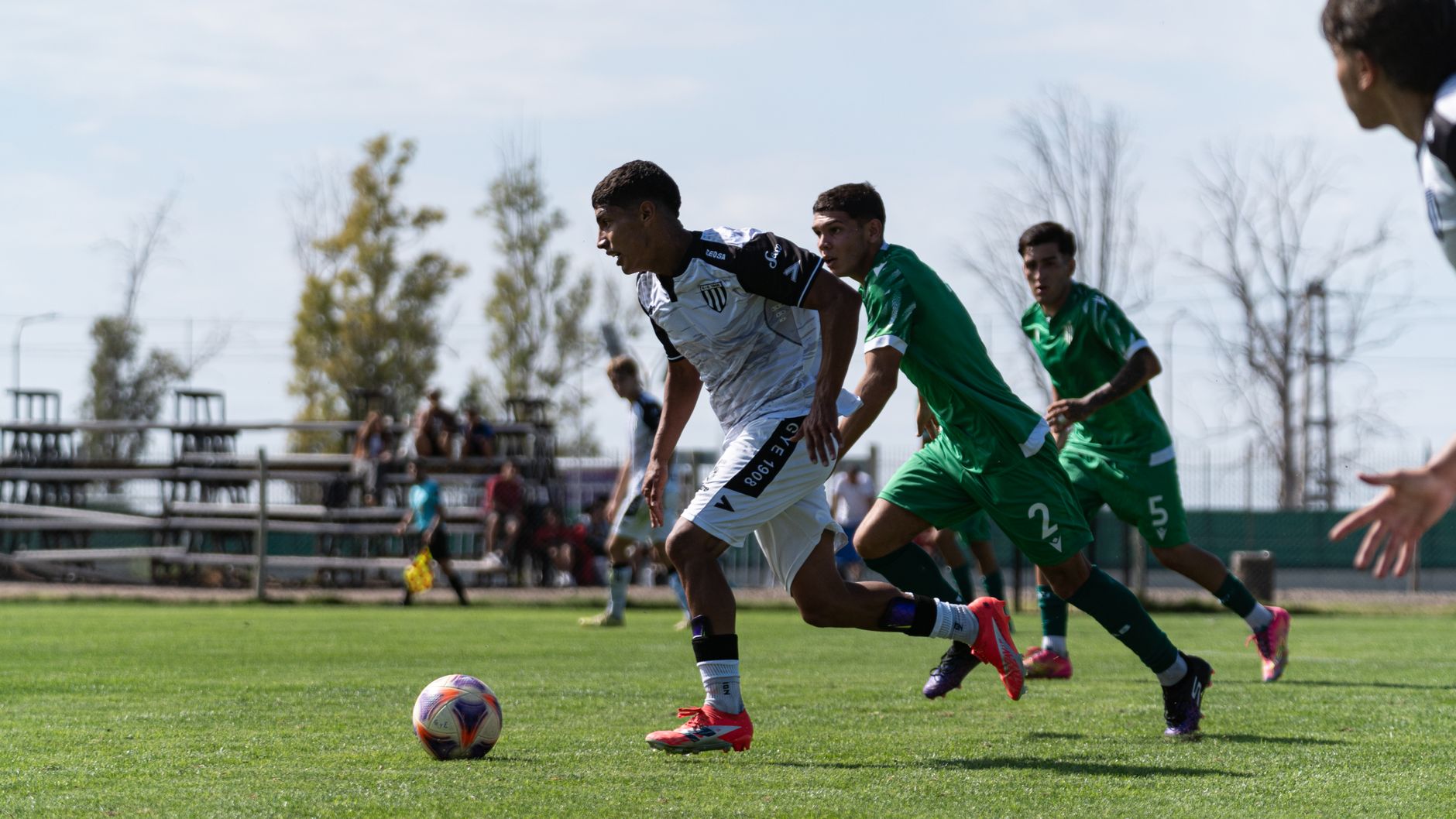
From the opening whistle, the match unfolded as a tense, tactical affair, characterized by robust midfield battles and a distinct lack of clear-cut scoring opportunities for extended periods. Uruguay, despite their attacking prowess, struggled to break down Saudi Arabia's compact defensive lines, often resorting to speculative long-range efforts or crosses that were easily dealt with. The game's rhythm was frequently interrupted by fouls and stoppages, preventing either side from establishing sustained periods of fluid, attacking play, much to the frustration of the South American contingent.
A pivotal factor in Saudi Arabia's remarkable draw was the exceptional performance of their goalkeeper, Mohammed Al-Owais, who commanded his area with authority and made several crucial saves throughout the ninety minutes. His agility, positioning, and quick reflexes denied Uruguay on multiple occasions, particularly during moments of increased pressure in the second half. Al-Owais’s heroics instilled confidence in his defenders and proved instrumental in preserving the precious point, ultimately earning him widespread acclaim and solidifying his status as a key player for his nation.
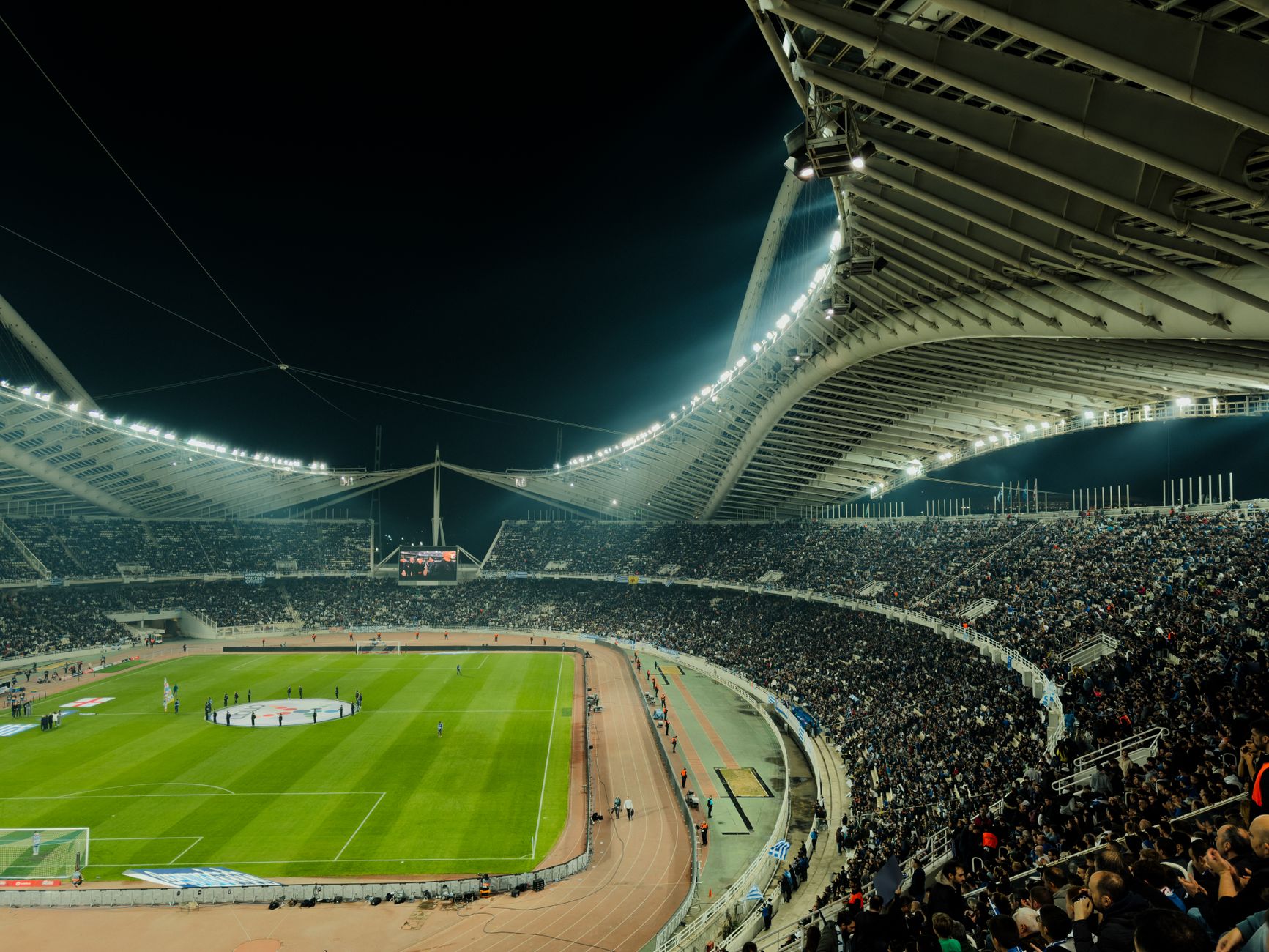
The solitary goal for Uruguay came from a set-piece, a testament to Saudi Arabia's defensive resilience from open play. However, the Green Falcons responded with a moment of individual brilliance and collective determination, showcasing their ability to transition quickly and exploit any defensive lapses. The atmosphere in the stadium was palpable, with Saudi fans erupting in cheers for every successful tackle and clearance, fueling their team's unwavering commitment to hold their ground against a formidable opponent, creating a truly memorable World Cup moment.
What Experts Are Saying
Football analysts universally lauded Saudi Arabia's tactical masterclass, highlighting their disciplined defensive shape and effective counter-attacking strategy as the bedrock of their surprising result. Pundits like Gary Lineker commended their unwavering commitment to a well-executed game plan, noting how they stifled Uruguay's creative midfielders and isolated their star strikers. This performance is being hailed as a blueprint for underdogs facing superior opposition, demonstrating that collective organization and strategic intelligence can indeed level the playing field on the grandest stage.
Conversely, the draw has sparked considerable concern among experts regarding Uruguay's attacking philosophy and their ability to adapt when their primary tactics are nullified. Many commentators pointed out a lack of dynamism and creativity in their build-up play, questioning why a team with such offensive talent struggled to create clear chances against a deep-lying defense. There's a growing consensus that coach Diego Alonso must urgently address these systemic issues, perhaps by introducing more unpredictable elements or adjusting formations, to prevent similar frustrating outcomes in future crucial matches.
Former international players and coaches weighed in, emphasizing the psychological impact of such a result. 'This isn't just about the points dropped; it's about the confidence hit for Uruguay and the massive boost for Saudi Arabia,' remarked one seasoned analyst. They stressed that while individual quality is paramount, the mental fortitude and tactical cohesion displayed by Saudi Arabia were ultimately the decisive factors. The debate now centers on whether Uruguay can quickly recover their composure and find solutions to unlock stubborn defenses, or if this draw will prove to be a defining moment of struggle in their World Cup campaign.

Frequently Asked Questions
What Happens Next
Following this pivotal draw, both Uruguay and Saudi Arabia must immediately shift their focus to their upcoming group stage fixtures, which now carry even greater weight. For Uruguay, the pressure intensifies dramatically; their next opponent will demand a far more clinical and assertive performance if they are to secure the vital three points needed to stay firmly in contention for qualification. The coaching staff will be working tirelessly to analyze their shortcomings and devise a strategy that unlocks their attacking potential while maintaining defensive solidity.
Saudi Arabia, buoyed by this morale-boosting result, will approach their next match with renewed confidence and a clear understanding of their strengths – particularly their defensive organization and counter-attacking threat. While still considered underdogs, their performance against Uruguay has earned them respect and will force their next opponent to approach the game with caution. This draw provides a psychological edge, proving to themselves and the world that they are capable of competing at this elite level and can potentially spring another surprise.
The implications for the entire group are now far more intriguing, with qualification scenarios becoming increasingly complex. Every remaining match will be a high-stakes affair, and goal difference could become a critical tie-breaker. Football fans worldwide will be eagerly watching to see if Uruguay can rebound from this setback and demonstrate their championship pedigree, or if Saudi Arabia can build on their unexpected success and continue to defy expectations, making this one of the most compelling groups of the tournament.










Comments
No comments yet. Be the first to comment!