
The Story in Brief
- The Second Chance Choir provides a unique therapeutic environment for individuals navigating significant life challenges, including addiction, homelessness, and mental health struggles.
- Through regular rehearsals and performances, participants discover a powerful outlet for emotional expression, fostering self-esteem and a sense of belonging.
- The program utilizes the unifying power of music to build a supportive community, helping individuals reconnect with themselves and others on their journey toward recovery and stability.
- Beyond individual healing, the choir aims to break down societal stigmas associated with hardship by showcasing the resilience and talent of its members through public performances.
- This initiative demonstrates a creative and effective approach to rehabilitation and social integration, offering a tangible pathway to personal growth and a renewed sense of purpose.
- Funding and community support are crucial for sustaining and expanding the choir's reach, ensuring more individuals can access this transformative musical experience.
The Human Face of Resilience
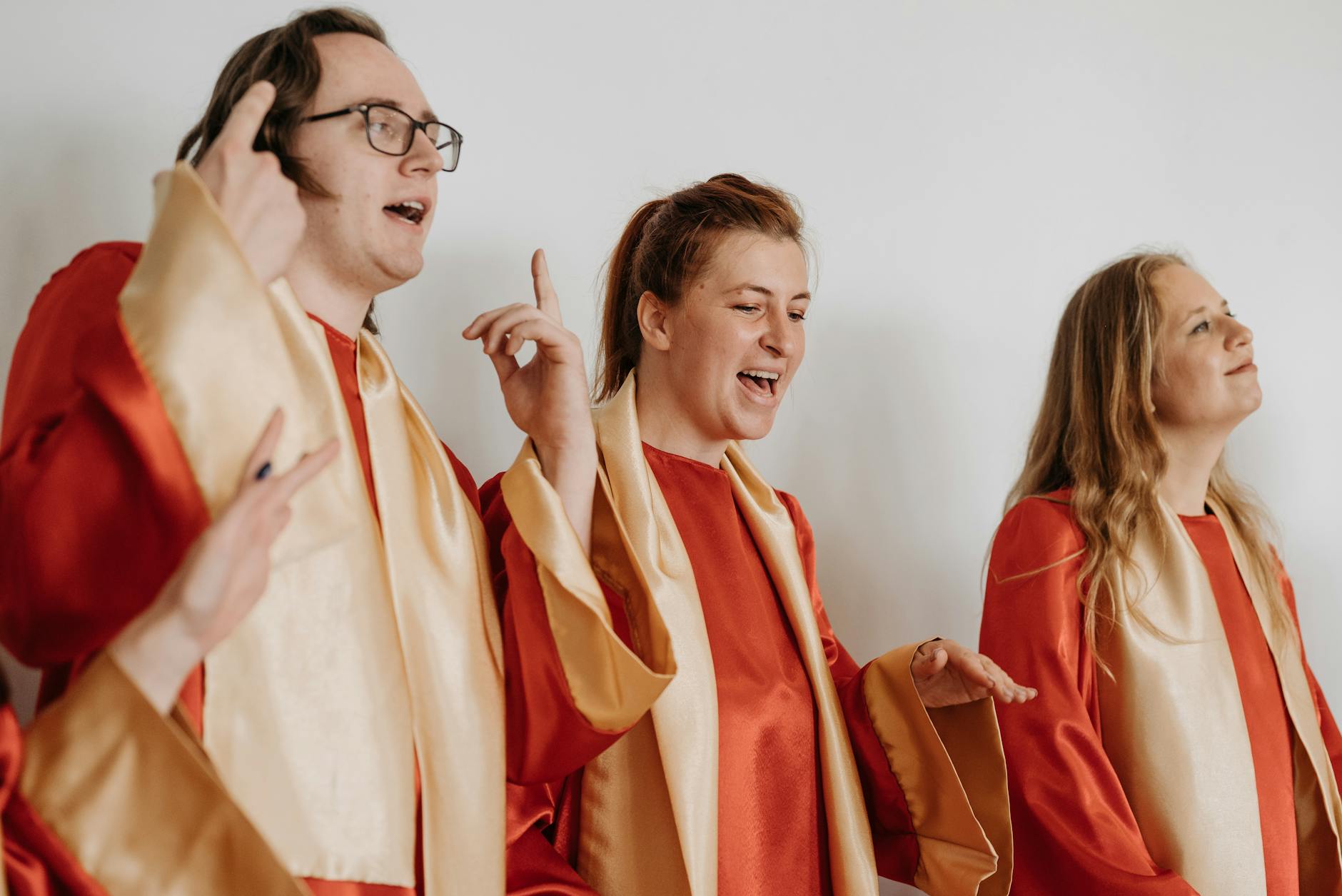
The Second Chance Choir is more than just a musical ensemble; it is a beacon of hope for individuals who have faced profound adversity. Many participants arrive carrying the heavy burdens of past trauma, addiction, or societal marginalization. Within the choir's welcoming embrace, they find a space where their voices, often silenced by circumstance, can finally be heard and amplified. The act of singing together, harmonizing melodies, and creating something beautiful transcends individual struggles, forging deep connections and a shared sense of accomplishment. This collective experience is instrumental in rebuilding shattered self-worth and fostering a belief in a brighter future, proving that even after the most difficult chapters, a new song can begin.
Consider the journey of individuals who have battled homelessness or struggled with severe mental health conditions. For them, the structured environment and the emotional release offered by the choir can be life-altering. Rehearsals provide a predictable routine, a crucial element for those whose lives have been chaotic. The music itself acts as a form of therapy, allowing members to process complex emotions—grief, anger, joy, and hope—in a safe and constructive manner. As they learn new songs, practice vocal techniques, and prepare for performances, they develop discipline, focus, and a tangible sense of progress, reclaiming agency over their lives one note at a time.
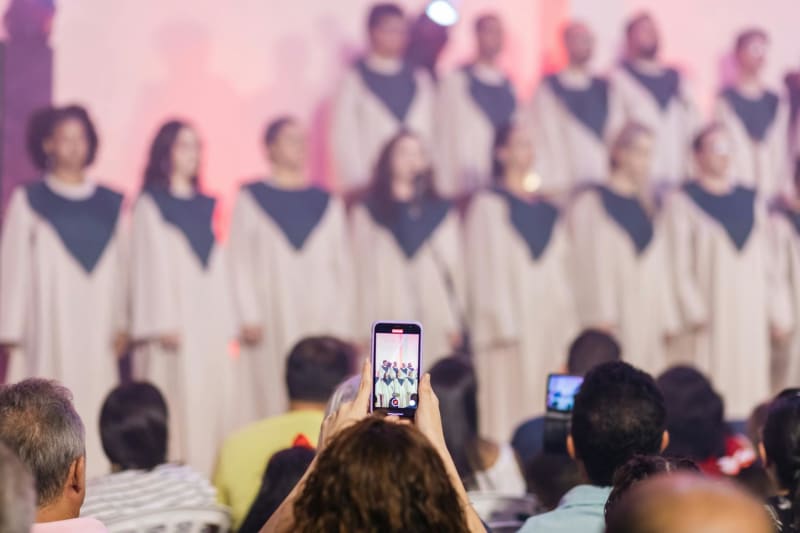
The impact extends beyond the individual, rippling outward into the community. When the Second Chance Choir performs publicly, they challenge preconceived notions and stereotypes about people who have experienced hardship. Their performances are not just concerts; they are powerful statements of resilience, talent, and the enduring human spirit. Audiences witness firsthand the transformative power of music and the potential for redemption and growth that exists within every individual, regardless of their past. This visibility helps to foster empathy, understanding, and a more inclusive society, demonstrating that second chances are not only possible but can lead to extraordinary outcomes.
How This Initiative Took Root
The genesis of the Second Chance Choir stemmed from a recognized need within social support services for more holistic and engaging therapeutic interventions. Recognizing that traditional methods sometimes failed to reach individuals deeply entrenched in cycles of hardship, founders sought an approach that addressed emotional well-being and social connection simultaneously. Music, with its universal appeal and proven therapeutic benefits, emerged as the ideal medium. Early pilot programs, often small and resource-constrained, demonstrated remarkable success in engaging participants who were otherwise resistant to traditional support. These initial positive outcomes provided the crucial evidence needed to build momentum and attract further interest.
Over time, the choir's model evolved through continuous feedback from participants and facilitators. What began as simple sing-alongs gradually incorporated more structured vocal training, performance opportunities, and even songwriting workshops. This iterative development allowed the program to deepen its impact, moving beyond basic engagement to foster genuine skill development and personal growth. Partnerships with local community centers, rehabilitation facilities, and mental health organizations were instrumental in expanding the choir's reach and ensuring a steady influx of individuals who could benefit from its unique approach. These collaborations also provided essential infrastructure and support, allowing the choir to operate more consistently and effectively.
The growth trajectory of the Second Chance Choir is a testament to the power of community-driven initiatives and the profound impact of creative arts in addressing complex social issues. Securing sustainable funding has been a persistent challenge, often relying on a patchwork of grants, donations, and volunteer efforts. However, the unwavering dedication of its organizers and the visible transformation in participants' lives have consistently attracted support. The choir's journey highlights a grassroots movement that prioritizes human connection and empowerment, proving that innovative solutions can emerge from understanding and addressing the specific needs of vulnerable populations.
Why This Cannot Be Ignored
The Second Chance Choir addresses critical gaps in current support systems for individuals facing significant life challenges. Many existing programs focus narrowly on immediate needs like shelter or employment, often overlooking the profound psychological and emotional recovery required for lasting change. This choir offers a vital, integrated approach, recognizing that healing from trauma, addiction, or social isolation requires more than just practical assistance; it demands emotional expression, community building, and the restoration of self-worth. By providing a consistent, supportive environment through music, the choir empowers individuals to confront their pasts, build resilience, and reintegrate into society with renewed confidence and purpose, tackling issues that often lead to recidivism and chronic disadvantage.
Ignoring initiatives like the Second Chance Choir means perpetuating cycles of hardship and marginalization. When individuals lack avenues for emotional processing and social connection, the likelihood of relapse into destructive patterns increases significantly. The choir’s success demonstrates a tangible, cost-effective model for fostering long-term recovery and reducing the burden on public services. Furthermore, by giving voice to marginalized populations, the choir actively combats societal stigma, promoting empathy and understanding. Failing to support or replicate such programs represents a missed opportunity to foster genuine social inclusion and unlock the potential within individuals often written off by society.
The broader societal implications are substantial. A population struggling with untreated trauma, addiction, and mental health issues places immense strain on healthcare, justice, and social welfare systems. The Second Chance Choir offers a proactive, preventative intervention that not only improves individual lives but also contributes to healthier, more cohesive communities. Its success underscores the need for greater investment in arts-based therapies and community programs that foster well-being and social integration. The choir’s model provides a powerful argument for rethinking how we approach rehabilitation and support, emphasizing human dignity and the transformative power of shared creative experiences.
Charting a Course Forward
Expanding the reach of the Second Chance Choir requires a multi-pronged strategy focused on securing sustainable funding and replicating its successful model. This involves actively seeking grants from foundations that support arts, mental health, and social welfare initiatives, as well as cultivating relationships with corporate sponsors interested in community impact. Diversifying funding streams will build resilience against fluctuations in grant availability and allow for long-term planning. Furthermore, developing a comprehensive toolkit or franchise model could enable other communities to establish similar choirs, adapting the core principles to local contexts and needs, thereby amplifying the positive impact on a national scale.
Another critical path forward involves strengthening partnerships with existing social service organizations, healthcare providers, and correctional facilities. By integrating the choir's program into established rehabilitation and support pathways, referrals can be streamlined, ensuring that individuals most in need can access this unique form of therapy. Collaborative efforts can also lead to shared resources, joint programming, and a more coordinated approach to participant care. Training facilitators and volunteers in the choir's methodology will be essential for scaling up operations and maintaining the program's quality and therapeutic integrity across different locations.
Finally, increasing public awareness and advocacy is paramount. Showcasing the choir's successes through compelling storytelling, public performances, and media engagement can shift public perception and build a groundswell of support. Educating policymakers about the proven benefits of arts-based interventions can lead to greater integration into public health and social policy. By demonstrating the choir's effectiveness not only in individual transformation but also in community building and reducing societal costs, we can advocate for increased recognition and funding, ensuring that such vital programs can continue to thrive and offer second chances to all who need them.
Questions People Are Actually Asking
What to Watch
- Monitor the choir's upcoming public performances, as these events offer powerful insights into the progress and resilience of participants, while also serving as crucial fundraising opportunities.
- Keep an eye on any new partnerships or collaborations the choir forms with local social service agencies or mental health organizations, which could indicate program expansion or enhanced participant support.
- Track any media coverage or public awareness campaigns launched by the choir, as these efforts are vital for garnering broader community support and potentially influencing policy.
- Observe the choir's efforts to secure new funding streams, whether through grant applications, corporate sponsorships, or community-led initiatives, as financial stability is key to its longevity.
- Note any developments in replicating the choir's model in other communities, which would signify the program's growing influence and potential for wider societal impact.
- Pay attention to testimonials or stories shared by participants, as these personal narratives powerfully illustrate the transformative impact of the choir on individual lives and recovery journeys.
















Comments
No comments yet. Be the first to comment!