
What We Know
Why It Matters
The potential for widespread aurora visibility serves as a powerful, tangible connection to the vastness of space and the dynamic processes occurring on our sun. For many, it's a once-in-a-lifetime opportunity to witness a spectacle usually reserved for polar regions, fostering a sense of wonder and scientific curiosity. It reminds us that Earth is part of a larger cosmic system, subject to forces that can create both beauty and disruption. This event can inspire interest in space weather, atmospheric science, and astronomy, potentially encouraging future generations to pursue careers in STEM fields. The shared experience of watching the aurora can also strengthen community bonds as people gather to observe this natural marvel.
Beyond the awe-inspiring visual display, the underlying geomagnetic storm carries significant implications. Severe space weather events, like the one potentially enabling this aurora, can pose risks to critical infrastructure. Disruptions to satellite operations, power grids, and communication systems are real concerns that scientists and policymakers continually monitor. Understanding and predicting these events is crucial for national security and economic stability. Therefore, while the aurora is a beautiful byproduct, the event itself underscores the importance of space weather preparedness and ongoing research into solar-terrestrial interactions. This phenomenon highlights the interconnectedness of our technological society with natural cosmic phenomena.
The increased likelihood of viewing the aurora borealis at lower latitudes is a direct consequence of heightened solar activity, specifically a strong geomagnetic storm. This provides a unique educational moment for the public and scientific community alike. It offers a chance to observe and study the aurora's behavior under conditions that are not typically encountered. For amateur astronomers and photographers, it presents an exceptional opportunity to capture stunning images and contribute to citizen science efforts. The event also emphasizes the importance of the NOAA Space Weather Prediction Center's role in forecasting and alerting the public to such phenomena, ensuring preparedness and maximizing the opportunity for enjoyment.
Understanding Auroras
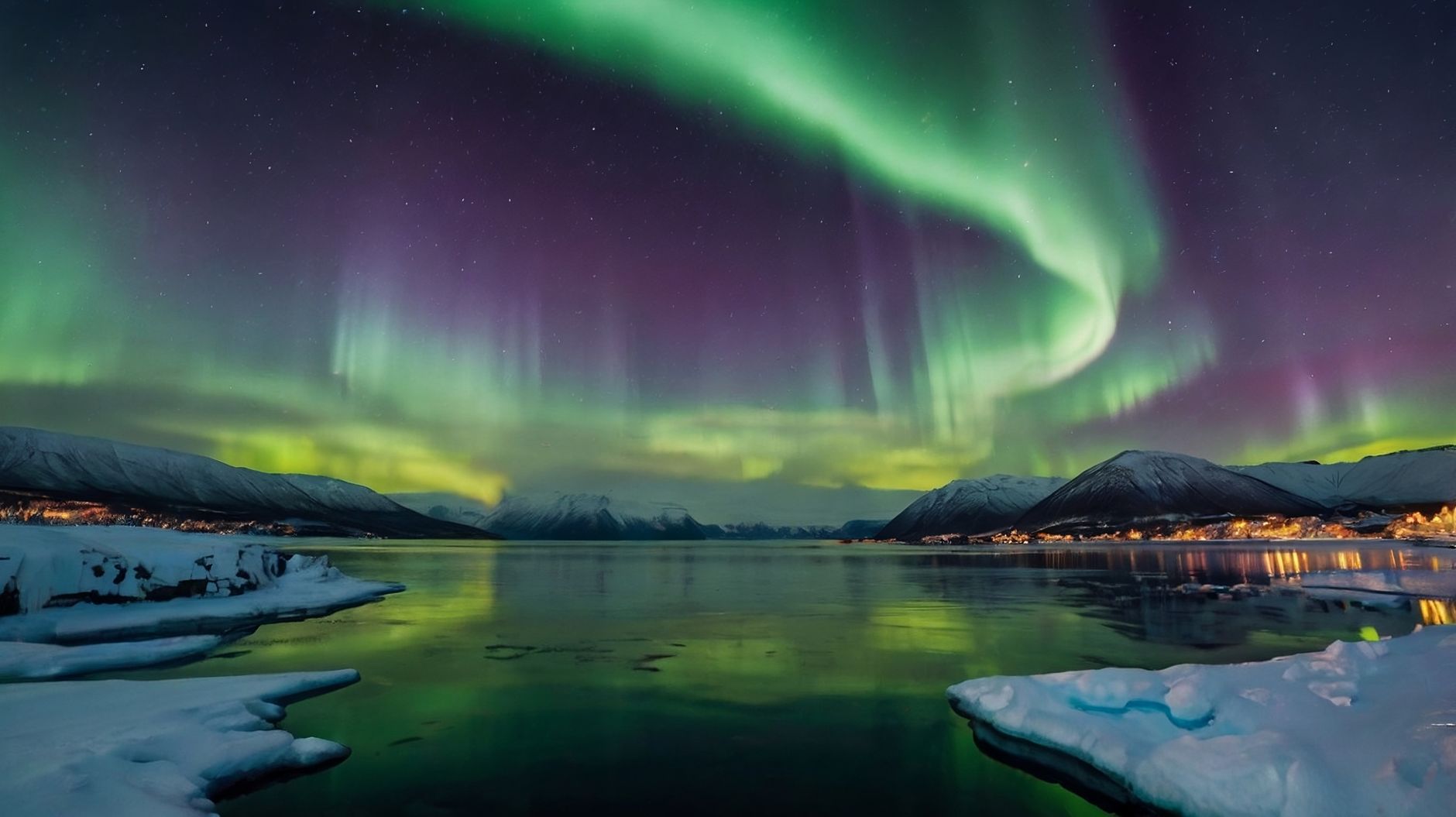
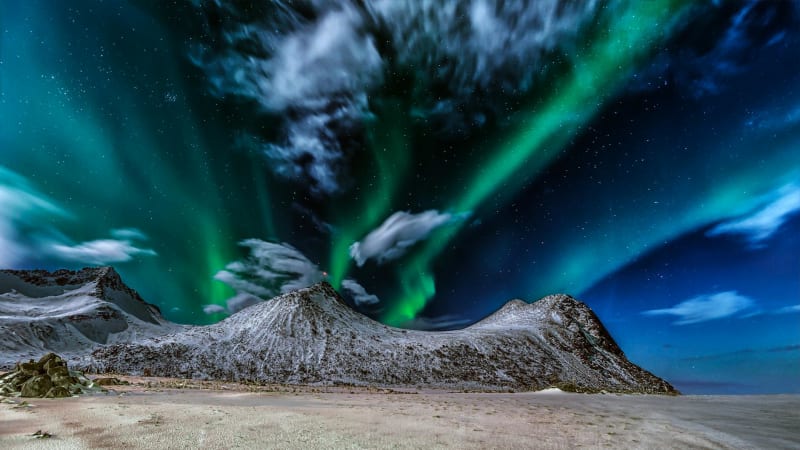
The aurora borealis, or Northern Lights, is a natural light display in Earth's sky, predominantly seen in high-latitude regions. It is caused by disturbances in the magnetosphere caused by solar wind. When charged particles from the sun, primarily electrons and protons, collide with atoms and molecules in Earth's upper atmosphere (thermosphere), they excite these atmospheric constituents. As the excited atoms and molecules return to their normal state, they release energy in the form of light, creating the vibrant colors we observe. The colors depend on the type of gas particles colliding and the altitude of the collision; oxygen typically produces green and red light, while nitrogen contributes blue and purple hues.
The frequency and intensity of auroras are closely linked to the solar cycle, an approximately 11-year period of solar activity. During solar maximum, the sun exhibits more sunspots, flares, and coronal mass ejections (CMEs), leading to more frequent and powerful geomagnetic storms. These storms are what drive auroras to lower latitudes. Conversely, during solar minimum, the sun is less active, and auroral displays become rarer and less intense. The current solar cycle, Solar Cycle 25, is progressing towards its maximum, predicted for mid-2025, which explains the increasing frequency of significant space weather events and the potential for widespread auroral visibility.
Geomagnetic storms are classified using the G-scale, ranging from G1 (minor) to G5 (extreme). A G4 storm, like the one currently anticipated, is considered severe and can cause widespread voltage control problems, satellite operations disruptions, and increased drag on low-Earth-orbit satellites. However, these severe conditions are precisely what enable the aurora borealis to be seen far from the poles. The charged particles are funneled along Earth's magnetic field lines towards the polar regions, but during intense storms, they can penetrate deeper into the atmosphere at lower latitudes, creating spectacular displays for a broader audience. This event offers a chance to witness the aurora's power firsthand.
Viewing Conditions
For residents in the eight identified states—Maine, Vermont, New Hampshire, Michigan, Minnesota, North Dakota, Montana, and Washington—the key to a successful aurora viewing experience lies in finding clear skies and minimizing light pollution. While the geomagnetic activity is a prerequisite, local weather conditions can be the deciding factor. Cloud cover, fog, and even haze can obscure the faint light of the aurora, rendering it invisible. Therefore, checking the local weather forecast is as crucial as monitoring space weather predictions. Areas away from city lights, such as rural landscapes, national parks, or designated dark sky preserves, will offer the best vantage points.
The optimal time for viewing the aurora borealis is typically during the darkest hours of the night, generally between 10 p.m. and 2 a.m. local time. However, during intense geomagnetic storms, auroral activity can occur for extended periods. Patience is often rewarded, as the lights can appear and disappear unpredictably. It's also advisable to allow your eyes to adjust to the darkness for at least 20-30 minutes before attempting to spot the aurora. Using a red-light flashlight can help preserve night vision. Remember that the aurora is often a faint glow or arc initially, which can intensify into dancing curtains of light.
While the aurora is a natural spectacle, its visibility can be enhanced by specific atmospheric conditions. Clear, cold nights are often preferred, as they tend to have less atmospheric moisture and turbulence that can scatter light. However, the primary requirement remains the geomagnetic storm's strength. Even with clear skies, if the storm is weak, the aurora may not be visible at lower latitudes. Conversely, a powerful storm can sometimes punch through moderate cloud cover, creating a diffuse glow. It's a delicate balance of celestial and terrestrial factors, making each auroral event unique and often unpredictable.
Aurora Questions Answered
What Happens Next
Following the peak of the current geomagnetic storm, the intensity of auroral displays is expected to gradually decrease over the next few days. However, residual activity may still produce fainter auroras visible at higher latitudes. Scientists will continue to monitor solar activity closely, as the sun remains in a highly active phase leading up to its solar maximum. Any further significant solar flares or CMEs directed towards Earth could trigger additional geomagnetic storms and renewed opportunities for aurora viewing, though potentially less intense than the current event.
The data gathered from this event will be invaluable for refining space weather models and improving prediction capabilities. Researchers will analyze the interaction of the solar wind with Earth's magnetosphere and atmosphere to better understand the complex processes involved. This ongoing research is crucial for developing more robust strategies to protect critical infrastructure from the impacts of space weather. Public engagement with events like this also highlights the importance of space weather awareness and preparedness among the general population.
For those who missed the opportunity to see the aurora, there will likely be future chances, especially as the solar cycle approaches its maximum. Staying informed about space weather forecasts from reliable sources like NOAA's Space Weather Prediction Center is recommended. Planning future viewing trips to locations with darker skies and higher latitudes can also increase the likelihood of witnessing this spectacular natural phenomenon. The dynamic nature of the sun ensures that exciting events, both beautiful and potentially disruptive, will continue to occur.
















Comments
No comments yet. Be the first to comment!